— Blog · June 25, 2026 · 2 min read
Art, Civic Memory, and Adaptive Housing Shape Architecture’s Next Chapter
From immersive cultural landmarks to city-making housing prototypes, this week’s stories show architecture expanding its role across public memory, urban identity, and everyday living. Projects in Chicago, Barcelona, and Melbourne highlight how design can both reinterpret heritage and propose new models for the future.
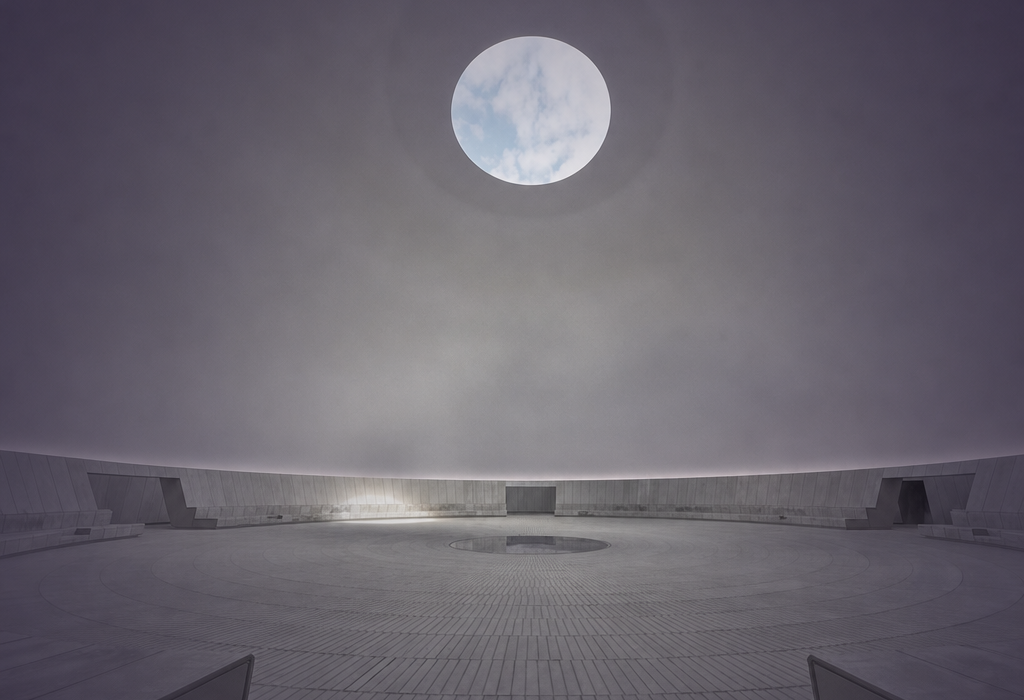
Art and civic memory meet at Chicago’s Obama Presidential Center
The newly opened Obama Presidential Center in Jackson Park marks a major civic milestone for Chicago’s South Side. Designed by Tod Williams Billie Tsien Architects, the campus combines museum, archive, public library, recreation, and landscape into a carefully composed civic destination, while its material palette and restored park setting aim to balance architectural presence with public accessibility. For architects, the project is a reminder that large cultural works can be both commemorative and neighborhood-facing, though they must also contend with questions of context, equity, and long-term urban impact.
Barcelona’s layered fabric remains a living architectural classroom
Barcelona’s enduring appeal lies in its ability to hold many architectural eras at once, from Gothic streets and Gaudí’s expressive modernism to landmark twentieth-century works and contemporary interventions. The city guide traces how Barcelona has repeatedly used architecture as a testing ground for urban ideas, revealing a place where heritage, infrastructure, public space, and tourism continuously overlap. For design professionals, Barcelona offers more than a list of destinations; it provides a case study in how a city’s identity can be shaped through successive reinventions without losing its distinctive character.
Melbourne’s Shand Road Townhouse tests a practical infill model
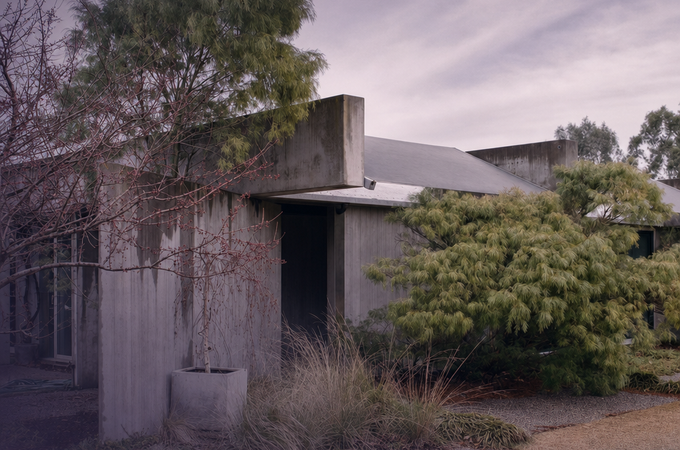
Ys Housing’s Shand Road Townhouse demonstrates how medium-density housing can be designed as a repeatable, better-resolved alternative to standard suburban product. Set on a conventional lot, the four-townhouse project explores how architecture, development, and delivery can be integrated to improve affordability while still prioritizing environmental performance, spatial quality, and livability. Its significance for architects is clear: smaller-scale housing can still contribute to broader urban goals when design intelligence is paired with a clear production model.
Join the conversation shaping architecture now
Across cultural institutions, city guides, and housing prototypes, these projects point to a discipline that is increasingly asked to engage memory, identity, and repair at once. If you’re an architect or design professional looking to connect with peers and share your work, Create your architect profile on Archsplace.