— Blog · June 26, 2026 · 5 min read
Calera, Alabama: A Growing Small City with Big Project Potential
A practical look at Calera, Alabama—its architecture, growth, construction costs, and why it stands out for new homes and renovations.
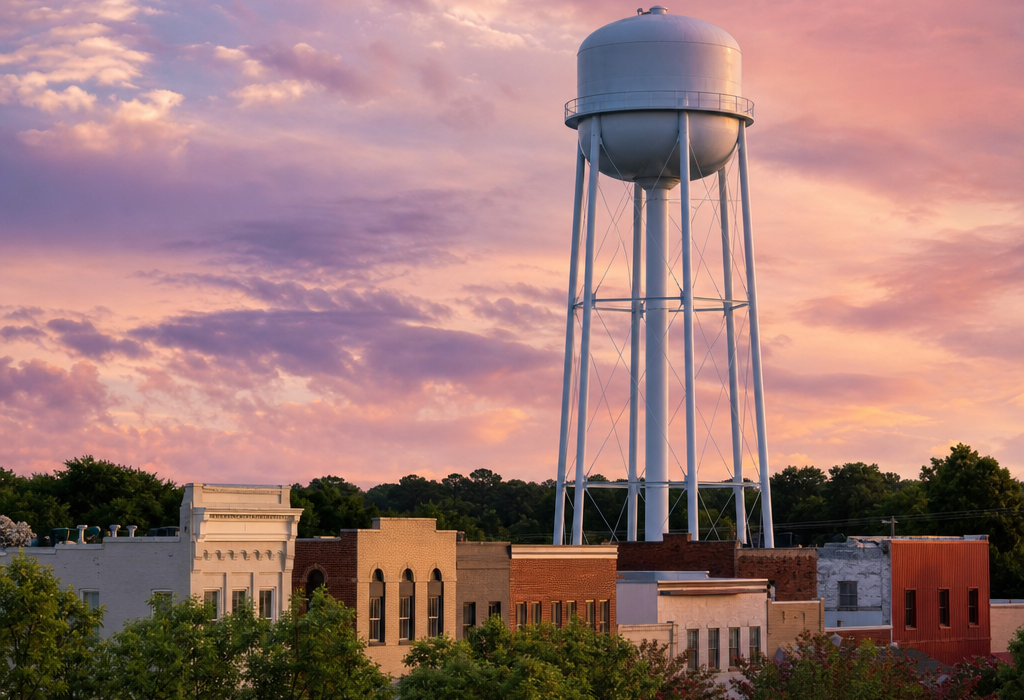
Welcome to Calera
Calera, Alabama, is a fast-growing city in Shelby County with a population of about 19,000 people. Located along the I-65 corridor south of Birmingham, it blends small-city livability with suburban growth, making it an appealing place for new homes, additions, and commercial projects. For people planning a build, the city’s appeal comes from its balance of accessibility, available land, and a housing market that continues to expand. That growth also makes it a place where experienced builders are in steady demand, especially for projects that need local knowledge of site conditions, subdivision patterns, and municipal expectations.
Historically, Calera developed as a railroad town, and that legacy still shapes its identity. The city’s name and early growth were tied to the Louisville and Nashville Railroad, which helped turn it into a practical hub for shipping and development. Today, that transportation history has evolved into a modern suburban pattern: neighborhoods, retail corridors, and community facilities that reflect the city’s role in the Birmingham metro area. For homeowners and property owners, that means Calera is a place where traditional Southern development meets contemporary suburban planning.
Architectural Highlights
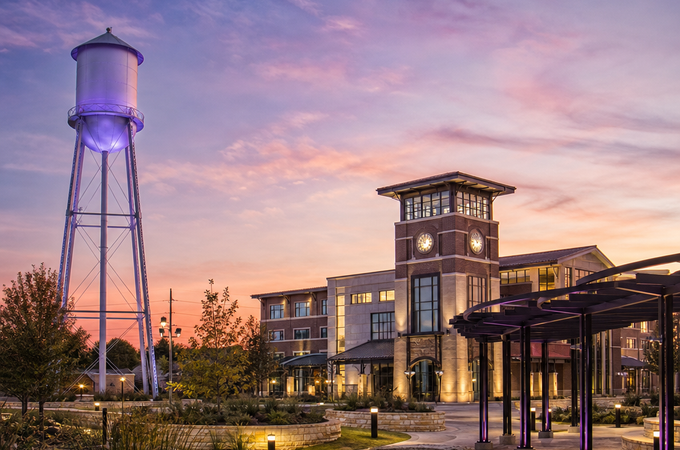
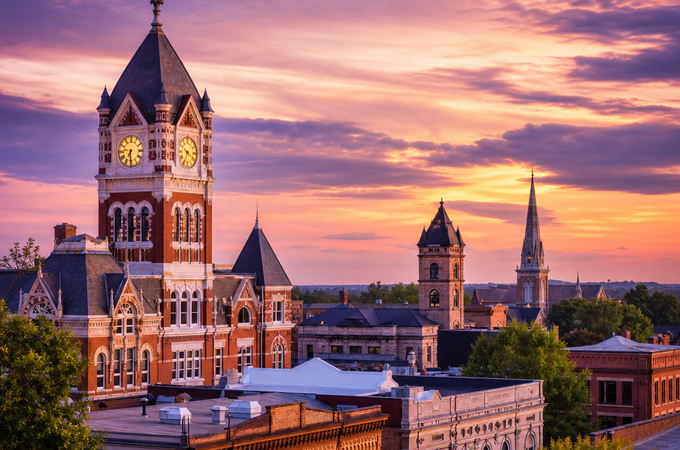
Calera does not have a dense downtown full of landmark skyscrapers, but that is part of its charm. Its architectural character is defined by a mix of historic railroad-era roots and newer residential and civic construction. Around the city, you will find the familiar forms of Alabama small-town architecture: modest early 20th-century houses, practical commercial buildings, church structures, and later suburban homes that reflect postwar and recent regional growth. These older buildings give the city a grounded sense of place, while newer developments add scale, consistency, and modern amenities.
One of the area’s best-known heritage sites is the Heart of Dixie Railroad Museum, which celebrates the city’s rail history and helps preserve the story of how transportation shaped local development. That historical connection matters in architectural terms because rail access often influenced where commercial strips, storage buildings, and neighborhoods formed. On the modern side, Calera’s most visible architectural trend is the spread of planned residential communities, larger single-family homes, and newer retail buildings along major roadways. These projects typically emphasize open floor plans, brick and siding exteriors, attached garages, and community-oriented site planning—features that reflect current Alabama suburban preferences.
For anyone thinking about a project, Calera offers a useful range of design references: traditional Southern residential forms, functional civic buildings, and newer suburban architecture that responds to growth. The result is a city where both renovation and new construction can fit comfortably into the local context when done thoughtfully.
Construction Costs & Trends
As an approximate planning figure, construction costs in Calera generally fall in the range of about $1,500 to $2,500 per square meter for standard residential construction, depending on finishes, site conditions, and project complexity. Higher-end custom homes, specialty materials, or more difficult lots can cost more. Because local pricing can shift with labor availability and material markets, this range should be treated as a starting point rather than a fixed number.
The city’s current urban trend is continued suburban expansion. Calera has benefited from steady growth in Shelby County and the broader Birmingham metro, with new subdivisions, commercial services, and infrastructure improvements supporting demand for housing. That trend is important for project planning because it often improves access to contractors, utilities, and roadway connectivity while also increasing competition for buildable lots. In practical terms, the city’s growth creates opportunities for both infill work and ground-up construction, especially for people seeking a home in a market that still offers relative space compared with denser urban areas.
This growth also encourages a more refined approach to design. As neighborhoods mature, buyers increasingly value curb appeal, energy efficiency, flexible interiors, and outdoor living spaces. Those expectations are shaping the way homes and small commercial buildings are planned in Calera, making it a market where architecture has to be both attractive and functional.
Why Calera is Perfect for Your Project
Calera is attractive for building or renovating because it combines accessibility, room to grow, and a clear sense of place. Its location near I-65 makes it practical for commuters and businesses, while its suburban setting offers more flexibility than many urban neighborhoods when it comes to lot size, parking, and phased construction. For project owners, that can translate into easier planning and a wider range of building possibilities.
The city also benefits from a local environment that supports thoughtful design. Whether you are updating an older home, building a custom house, or planning a small commercial project, Calera offers the kind of setting where architecture can respond to both history and growth. Railroad heritage, expanding neighborhoods, and a steady demand for quality housing all contribute to a market where good planning pays off. Working with local professionals familiar with the area’s development patterns can help ensure that a project feels both practical and well rooted in the community.
For anyone considering a new build or renovation in central Alabama, Calera stands out as a city where the architecture is evolving, the market is active, and the overall environment remains welcoming to projects of all sizes.
Find the best professionals for your project in Calera
Free and no obligation / Takes less than 5 minutes
Are you an architect or designer? Sign up for free! »