— Blog · May 22, 2026 · 5 min read
Boaz, Alabama: A Small City with Practical Potential for Memorable Projects
Boaz blends small-town scale, accessible land, and a growing housing market with a distinctive Alabama heritage—making it an appealing place for homebuilding, renovation, and design-led projects.
Welcome to Boaz
Boaz, Alabama, is a small city in Marshall County with an estimated population of about 10,300 residents. It sits on the Sand Mountain plateau in northeast Alabama, a setting that gives the city a practical advantage for people planning a project: there is room to build, renovate, and shape spaces without the cost pressures of a larger metro. For homeowners and developers alike, that often means more flexibility when working with builders, designers, and other local professionals who understand the scale and pace of the community. Boaz is also known for the well-loved Boaz Outlet Center and its long-standing retail identity, which helped give the city a recognizable commercial core and a pedestrian-friendly sense of place.
From a planning perspective, Boaz is notable because it combines a modest, community-oriented urban form with the basics many project owners value: good road access, a stable local housing market, and a setting where new construction can still feel connected to the town rather than overpowering it. That balance makes the city especially interesting for projects that aim to be functional, durable, and regionally grounded.
Architectural Highlights
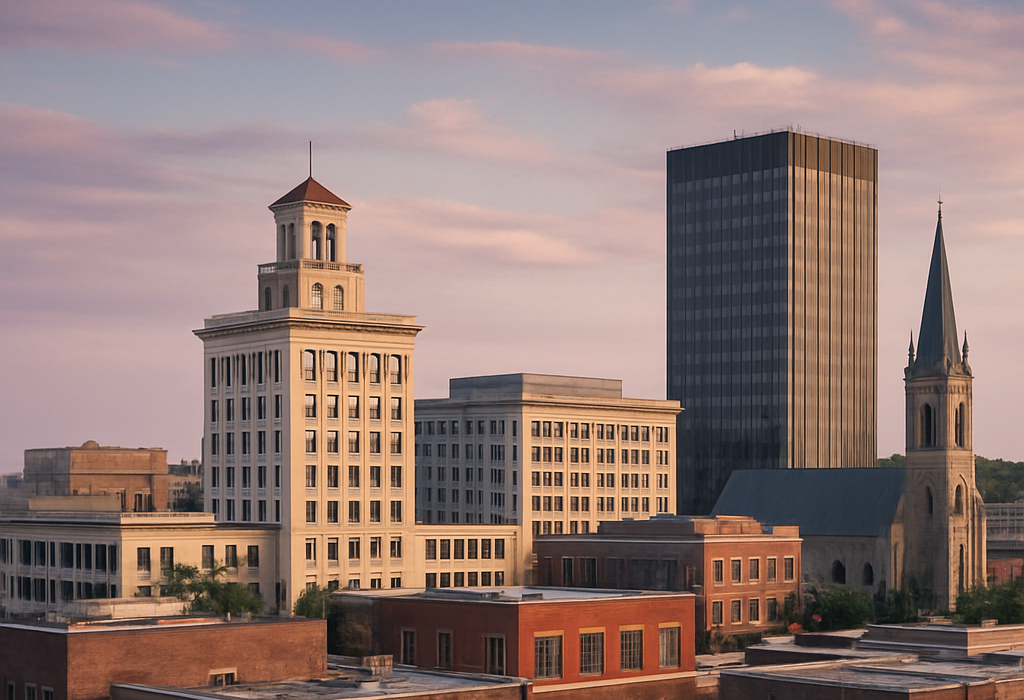
Boaz does not have a dense skyline or a large inventory of nationally famous landmark buildings, but that is part of its appeal. The city’s architectural character is shaped by practical Southern building traditions: simple brick commercial buildings, low-rise storefronts, ranch-style homes, mid-century neighborhoods, and newer subdivisions that reflect the steady growth of a small Alabama city. Around the downtown and retail corridors, you can see the influence of postwar commercial development, where straightforward massing and durable materials were favored for convenience and longevity.
One of the city’s most recognizable modern features is the commercial activity around the outlet district, which reflects a broader pattern of suburban-retail architecture in smaller American cities. That kind of development has helped define Boaz’s identity for decades, creating a mix of local business spaces, parking-oriented site planning, and accessible retail that remains important to the city today. In residential areas, the most common architectural language is familiar and approachable: porches, brick facades, gable roofs, and practical floor plans that fit Alabama’s climate and lifestyle.
A relevant historical fact about Boaz’s development is that the city’s growth was strongly tied to transportation and trade in the 20th century, especially as regional road networks improved and retail became a larger part of everyday life. Like many small Southern cities, Boaz evolved from a rural community into a service and commerce center, and that shift influenced how buildings were placed, how streets functioned, and how the city expanded outward over time.
Construction Costs & Trends
For a project in Boaz, a reasonable ballpark for average construction costs is about $1,500 to $2,500 per square meter for standard residential construction, depending on finish level, site conditions, and design complexity. In U.S. terms, that translates to roughly $140 to $230 per square foot. Custom homes, energy-efficient upgrades, specialty materials, or challenging site work can push costs higher, while simpler designs may come in below that range. As always, local labor availability, material pricing, and permit requirements will affect the final budget, which is why working with experienced builders can make a meaningful difference during planning.
A notable recent trend in many smaller Alabama cities, including places like Boaz, is steady residential infill and renovation rather than dramatic high-rise growth. That means more attention is going toward improving existing homes, updating older properties, and building new single-family houses that fit established neighborhoods. Another important trend is the continued emphasis on practical, low-maintenance construction: efficient layouts, durable exterior materials, and designs that hold up well in the region’s warm, humid climate. For project owners, this creates a market where thoughtful design choices can stand out without requiring oversized budgets.
Why Boaz is Perfect for Your Project
Boaz is attractive for building, renovating, or designing because it offers a rare combination of affordability, accessibility, and room to be creative. The city’s scale makes projects feel manageable, while its location in northeast Alabama keeps it connected to regional jobs, shopping, and travel routes. That matters whether you are planning a new home, refreshing an older property, or reworking a commercial space: you can pursue meaningful design without needing to navigate the complexity of a much larger city.
Boaz also rewards good planning. Its built environment is not dominated by landmark architecture, which gives new projects an opportunity to add character in a way that feels authentic to the community. A well-designed house, storefront, or addition can have an outsized positive impact here because the city’s fabric is compact and legible. For people who value practical beauty, comfortable living, and projects that fit their context, Boaz offers a strong foundation—and the kind of local expertise from builders and related professionals that can help turn a clear idea into a lasting result.
Find the best professionals for your project in Boaz
Free and no obligation / Takes less than 5 minutes
Are you an architect or designer? Sign up for free! »