— Blog · July 22, 2026 · 2 min read
Patio planning made simple: the smart place to start
A practical planning guide for starting a patio project, from setting priorities and timing the work to knowing when to bring in a pro and what to decide before construction begins.
Start with how you want to use the patio
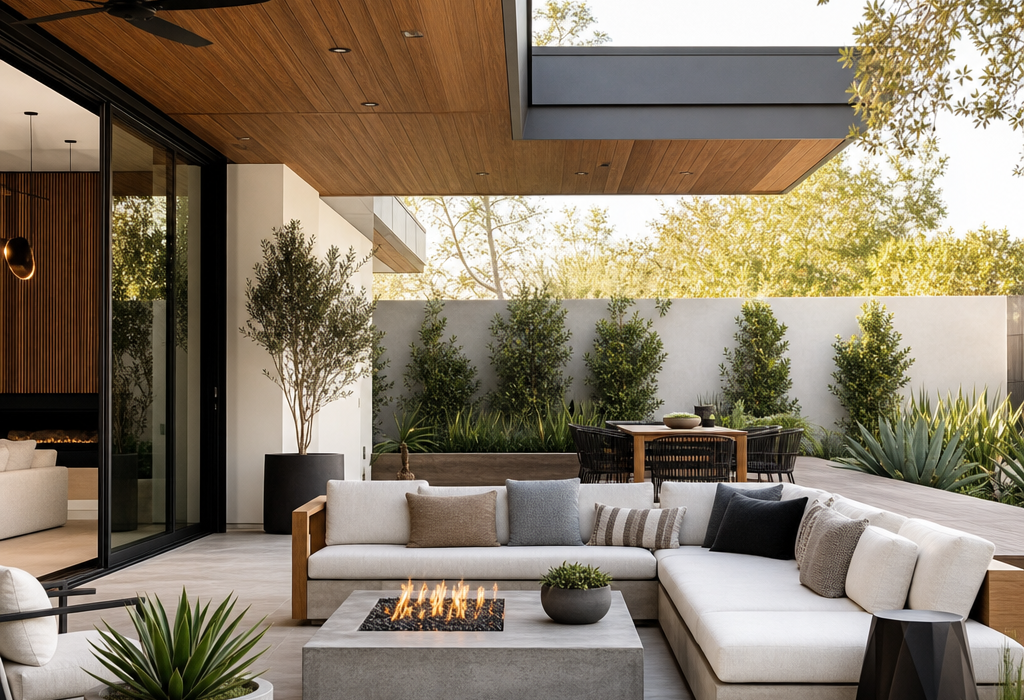
Before you think about pavers, furniture, or finishes, define the main job of the space. A patio for morning coffee needs a different layout than one for grilling, dining, or a fire pit setup. Make a short list of your top priorities, such as seating for four to six people, room for a grill, privacy from neighbors, or a direct connection to the kitchen. In a modern patio plan, clear zones matter more than decorative extras, so decide what must fit first and what can wait.
Set the scope and a realistic timeline
Break the project into phases so it feels manageable. Start with measuring the site, checking drainage, and noting sun exposure, slope, and door locations. Next comes the design phase, when you decide on the patio footprint, surface material, and basic layout. After that, order materials, schedule any site preparation, and plan installation around weather. In most U.S. climates, spring and fall are the easiest seasons for outdoor work, but lead times for pavers, stone, or custom furniture can affect the schedule, so lock in your choices early.
Know when to bring in a professional
Some patio projects are simple enough to sketch out yourself, but a pro is worth involving once the plan affects grading, drainage, retaining walls, electrical runs, gas lines, or a major change in elevation. If the patio will connect to a foundation, require permits, or need hardscape details like steps and seat walls, professional guidance can prevent expensive rework. Even for a modern do-it-yourself patio, a landscape designer or contractor can help confirm scale, materials, and layout before anything is built.
Lock the big decisions before work begins
Do not start excavation until the essential choices are fixed. Confirm the patio size, shape, and location; the exact surface material, such as concrete pavers, natural stone, or poured concrete; the edge treatment; and how water will move away from the house. Choose furniture dimensions so the space is sized for real use, not just looks, and decide where lighting, outlets, or a grill hookup will go. Once those basics are settled, the rest of the project becomes much easier to build, budget, and enjoy.
Find the best professionals for your patio project
Free and no obligation / Takes less than 5 minutes
Are you an architect or designer? Sign up for free! »