— Blog · July 17, 2026 · 4 min read
Los Angeles: A City Where Architecture, Design, and Ambition Meet
A practical look at Los Angeles, its architecture, construction costs, and why it remains one of the most compelling U.S. cities for new projects.
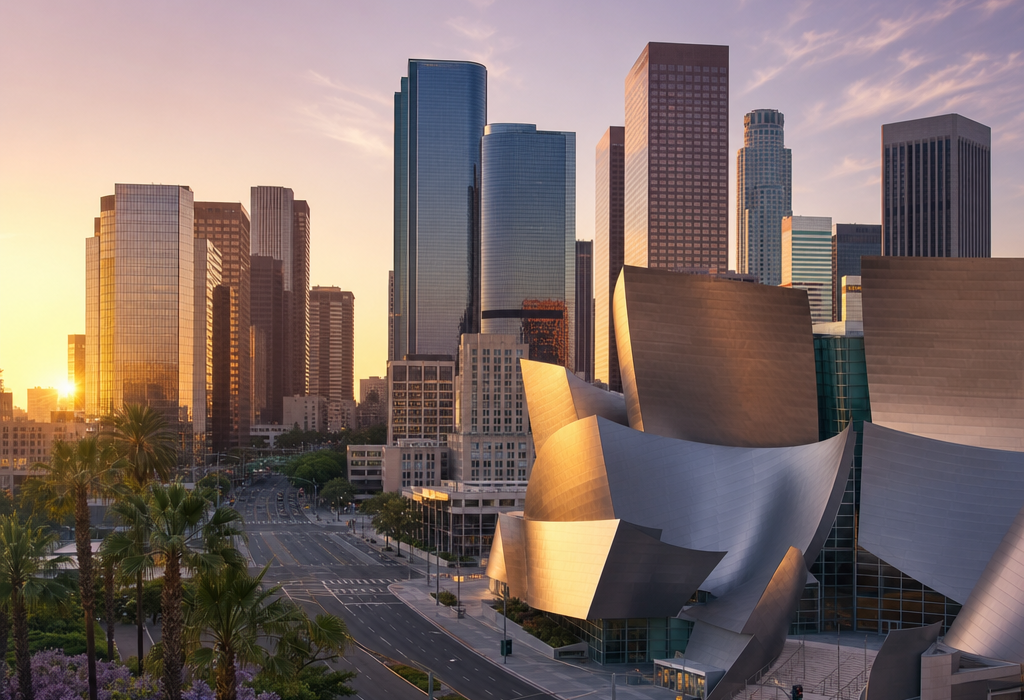
Welcome to Los Angeles
Los Angeles is one of the most dynamic cities in the United States, with a latest estimated population of about 3.8 million people in the city proper and more than 13 million in the metro area. It is a place where neighborhoods can feel radically different from one another, from hillside streets and historic districts to dense commercial corridors and emerging transit-oriented developments. For anyone planning a home, renovation, or commercial project, that diversity matters because it creates room for everything from preservation-minded work to bold contemporary design. The city is also a major center for creative industries, which helps explain why demand for talented architects and builders remains so strong. Los Angeles is notable not just for its size and climate, but for the way architecture shapes daily life here—through indoor-outdoor living, site-specific design, and a constant balance between legacy and reinvention.
Architectural Highlights
Los Angeles has one of the most recognizable architectural identities in the country because it combines historic landmarks, modern icons, and a wide range of residential styles. Early 20th-century Spanish Colonial Revival and Mediterranean Revival homes helped define the city’s image, while neighborhoods such as Hancock Park and Pasadena-adjacent areas still showcase elegant historic residences. On the landmark side, the Bradbury Building remains a celebrated example of late 19th-century ironwork and light-filled interior design, while the Hollyhock House, designed by Frank Lloyd Wright, reflects the city’s early embrace of modernist experimentation. More recently, Los Angeles became internationally known for Case Study Houses, which helped shape mid-century modern residential design across the country. Contemporary highlights include the Getty Center, Walt Disney Concert Hall, the Broad, and a growing number of sleek hillside and infill projects that respond to tight sites and strong views. For people thinking about a project, this mix is especially appealing because it proves the city supports both preservation and cutting-edge design.
A useful historical fact: Los Angeles grew rapidly in the 20th century largely around the automobile, shaping a low-rise, decentralized urban form that still influences planning and development today. That auto-oriented past is one reason the city’s architecture often emphasizes privacy, courtyards, driveways, terraces, and indoor-outdoor transitions.
Construction Costs & Trends
Construction costs in Los Angeles are generally above the national average. For many residential and small-to-mid-size commercial projects, a rough estimate is about $2,700 to $4,800 per square meter, depending on scope, finish level, site conditions, seismic requirements, and permitting complexity. In high-end custom homes or complex urban projects, costs can be significantly higher. These numbers reflect local realities such as labor demand, materials pricing, hillside grading, and the need to meet California building and energy codes. A major recent trend is the continued push toward housing production and adaptive reuse, especially near transit corridors and in denser parts of the city. At the same time, many owners are investing in remodels, additions, and energy-efficient upgrades rather than full rebuilds, which has increased interest in flexible design and practical construction planning. In other words, Los Angeles rewards projects that are well coordinated from the beginning and that respond intelligently to site, climate, and regulation.
Why Los Angeles is Perfect for Your Project
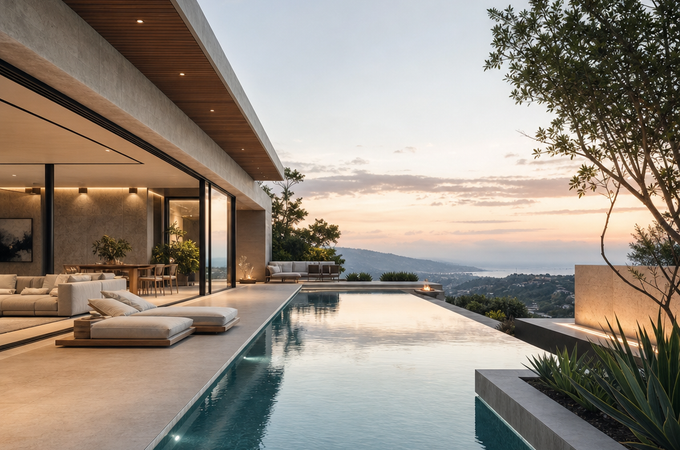
Los Angeles is an especially interesting place to build, renovate, or design because it offers both creative freedom and real-world complexity. The city’s mild climate supports strong connections between interior and exterior spaces, making patios, courtyards, decks, and expansive glazing natural parts of many projects. Its architectural culture is broad enough to accommodate traditional homes, minimalist modern residences, adaptive reuse spaces, and highly customized commercial environments. For property owners, that means there is no single “Los Angeles look”—there is instead a spectrum of approaches shaped by neighborhood character, lot constraints, views, and lifestyle. The city also has deep experience with seismic design, sustainability, and urban infill, which makes thoughtful planning especially important. Whether the goal is a renovation in an established neighborhood, a new build on a challenging site, or a design-forward commercial space, Los Angeles offers a setting where skilled architects and builders can turn ambitious ideas into projects that feel both practical and distinctly local.
Find the best professionals for your project in Los Angeles
Free and no obligation / Takes less than 5 minutes
Are you an architect or designer? Sign up for free! »