— Ideas & inspiration
Mountain House with a Grounded, Natural Presence
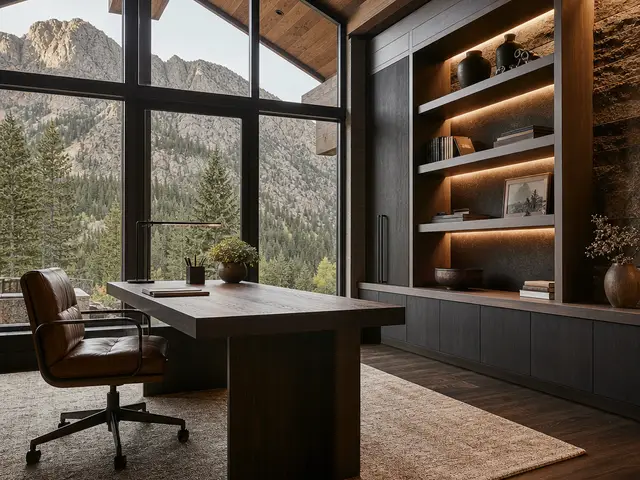
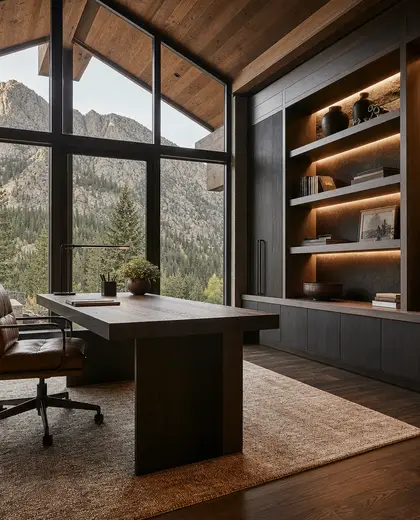
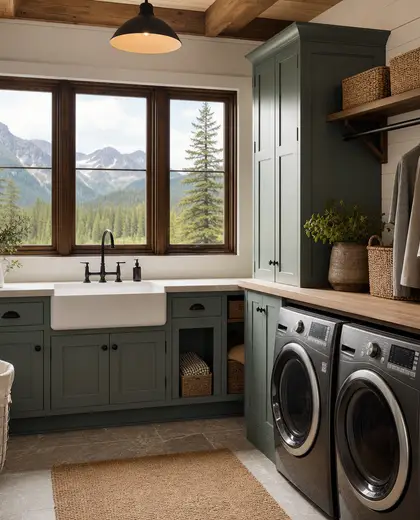
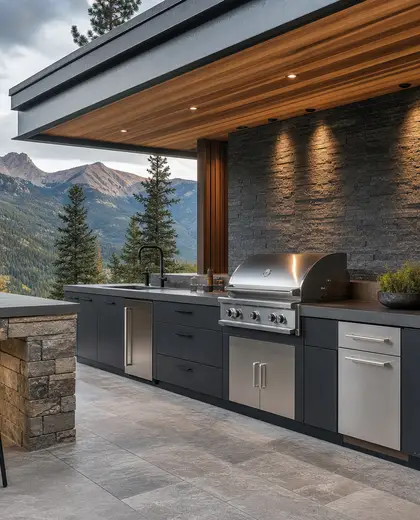
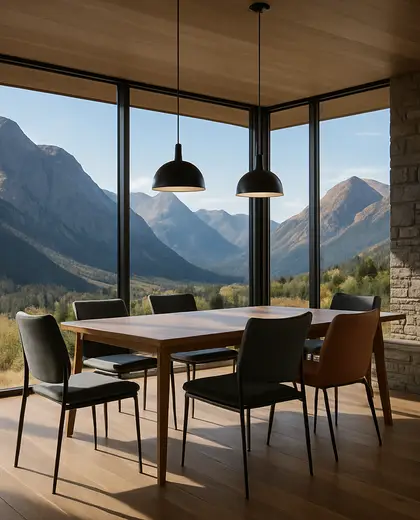
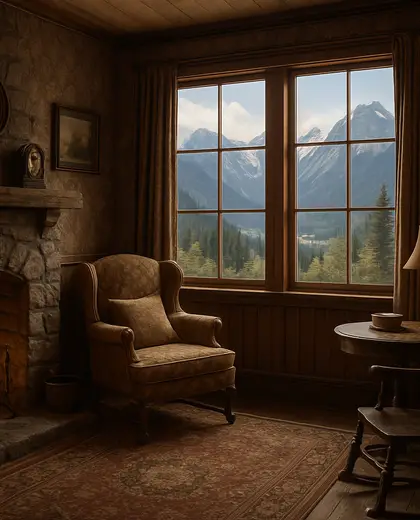
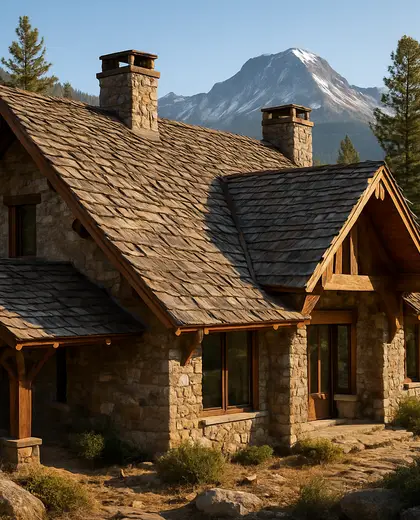
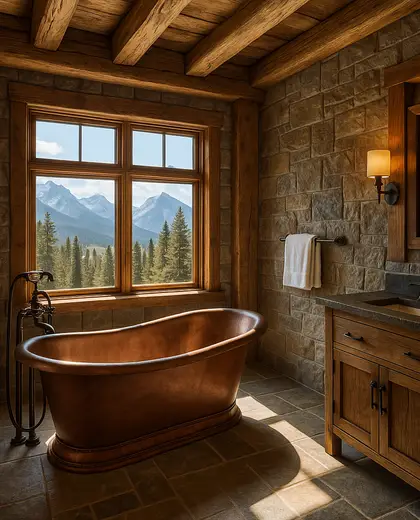
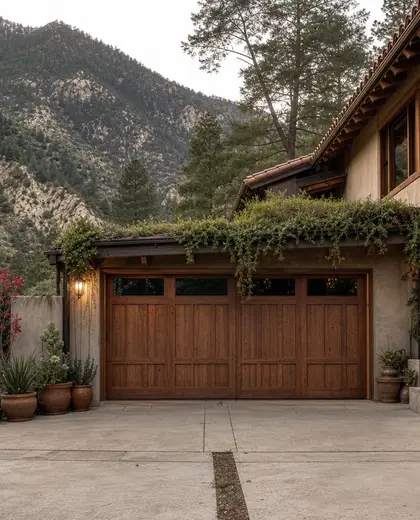
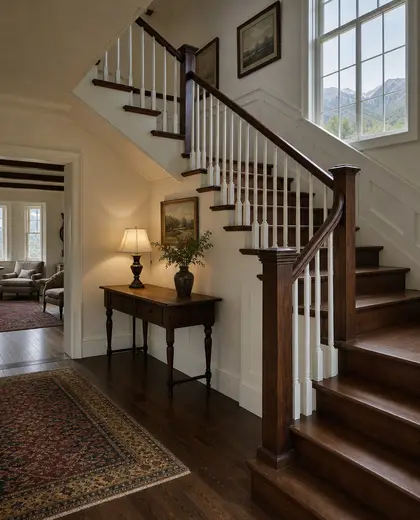
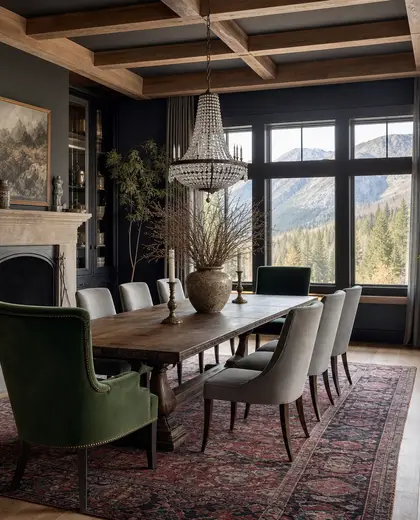
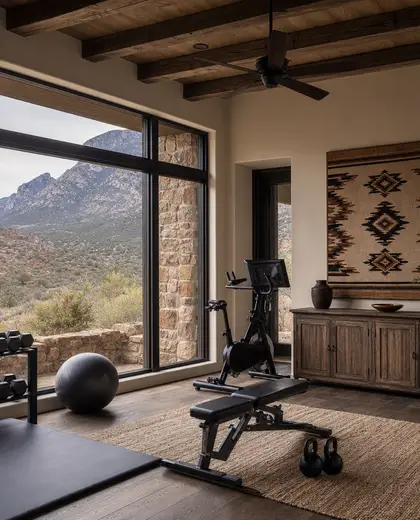
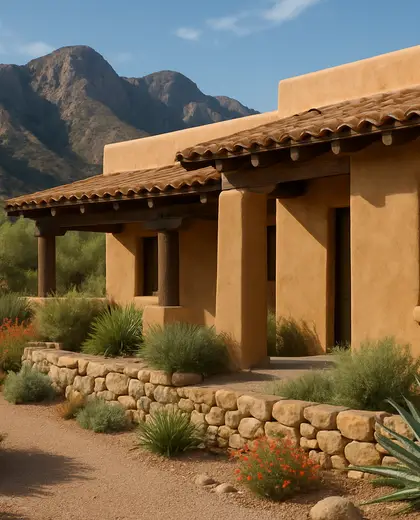
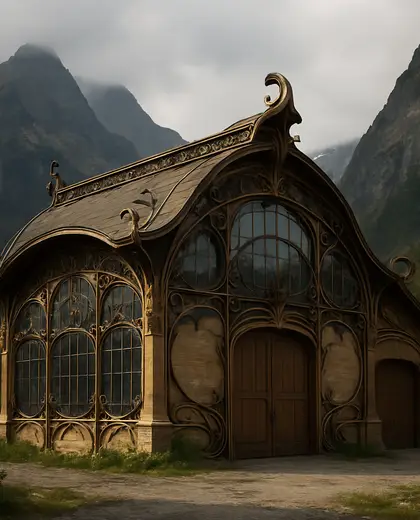
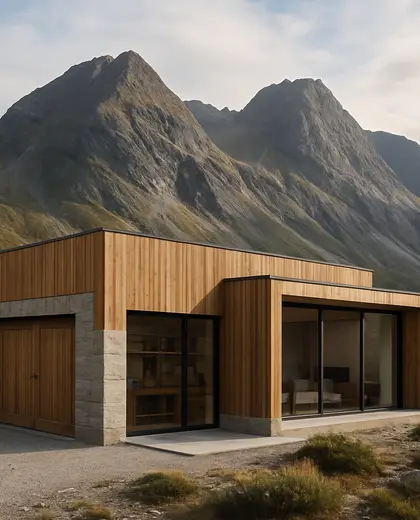
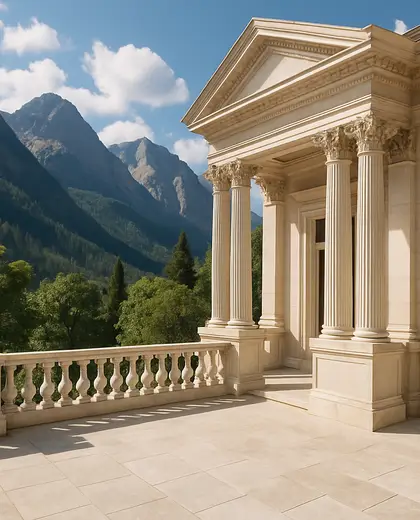
This composition pairs a house with the rugged presence of a mountain setting through stone, timber, and low, sheltering forms. The palette usually stays earthy and restrained: greys, browns, charcoal, and weathered natural finishes that sit comfortably against the landscape. Deep overhangs, large windows, and terraces help connect interior spaces to the surrounding terrain.
- house
- mountain
— References
References to explore
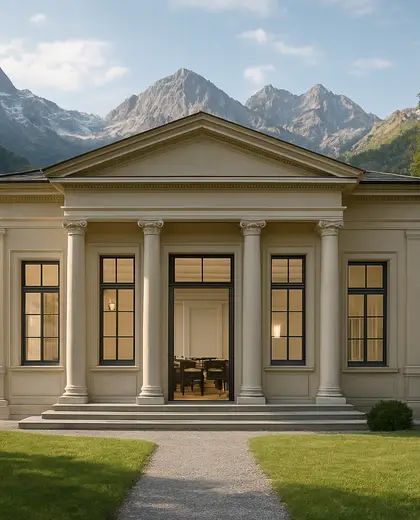
What makes a house feel suited to a mountain setting?
A mountain-suited house usually uses low, sturdy volumes, natural materials, and openings placed to frame views while handling changing weather.
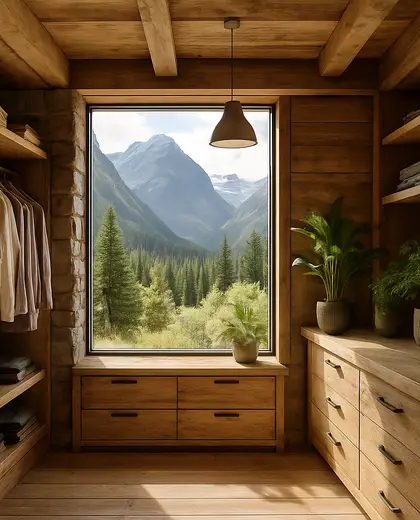
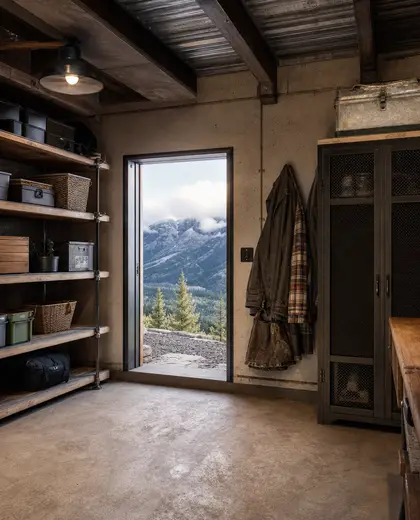
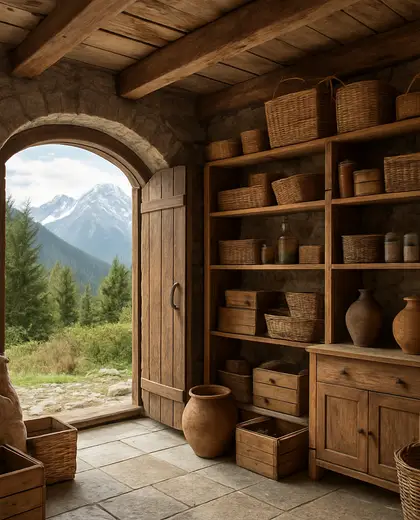
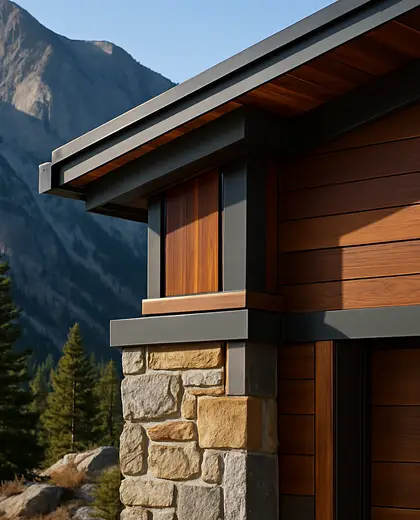
Can this composition work without using heavy stone everywhere?
Yes. Timber, concrete, and metal can do most of the work, with stone used selectively for bases, retaining walls, or accent surfaces.
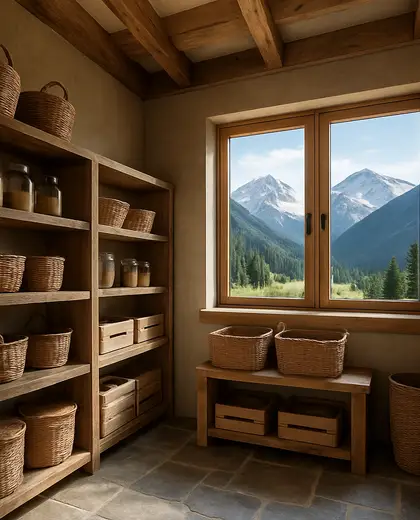
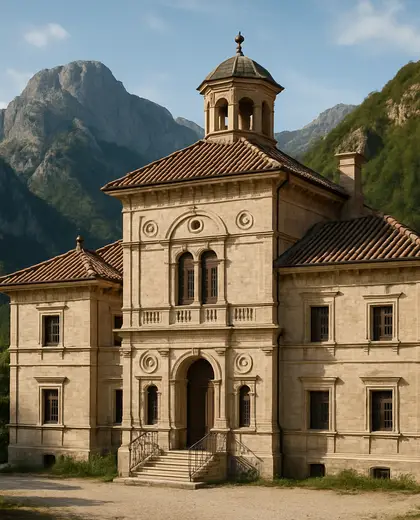
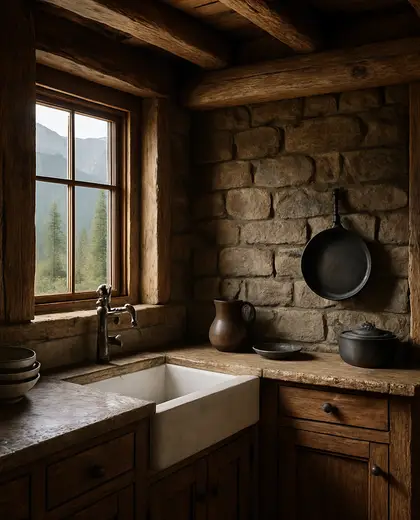
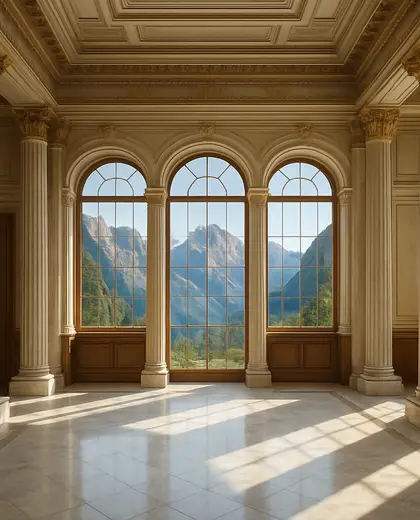
What kind of roof and form is typical here?
Simple gable, shed, or multi-slope roofs are common, often with generous eaves and forms that follow the contour of the land.
— The style
What defines it
Stone, timber, board-formed concrete, metal roofing, and large glazing are common choices.
Muted earth tones, slate grey, dark brown, black, and weathered natural textures.
A mountain landscape, sloped site, forest edge, or alpine setting.
— Professionals
Who has already built it
- john allegrettiarchitects · 6 projectsView profile →
- pfuner designinterior designers · 11 projectsView profile →
- Karavaan Homefurniture sellers · High Point · 4 projectsView profile →
- jacob galleslandscape designers · 6 projectsView profile →
— Explore
Keep exploring
— Questions
Frequently asked questions
What makes a house feel suited to a mountain setting?
A mountain-suited house usually uses low, sturdy volumes, natural materials, and openings placed to frame views while handling changing weather.
Can this composition work without using heavy stone everywhere?
Yes. Timber, concrete, and metal can do most of the work, with stone used selectively for bases, retaining walls, or accent surfaces.
What kind of roof and form is typical here?
Simple gable, shed, or multi-slope roofs are common, often with generous eaves and forms that follow the contour of the land.