— Ideas & inspiration
Living room
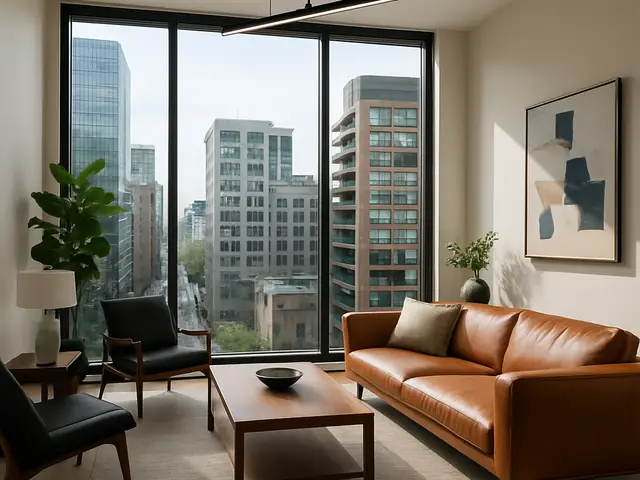
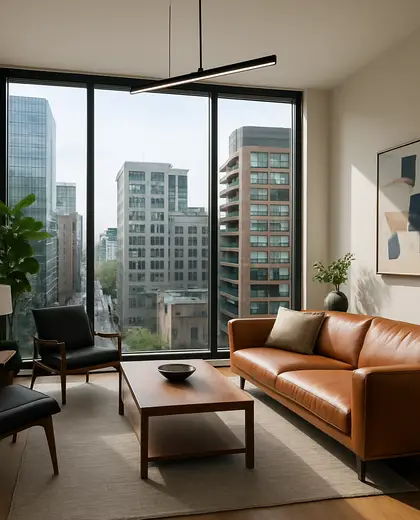
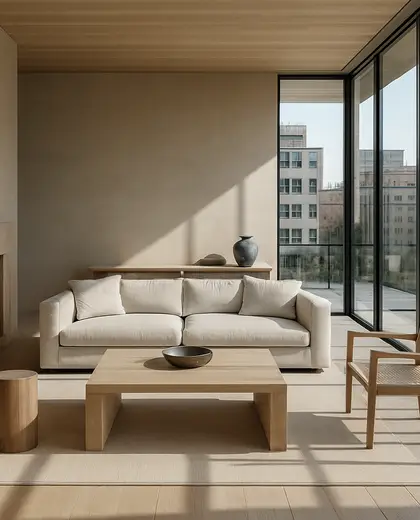
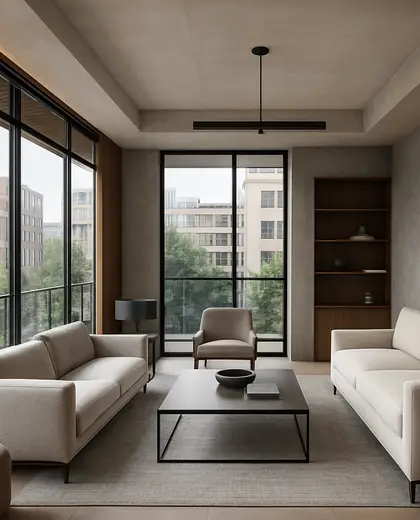
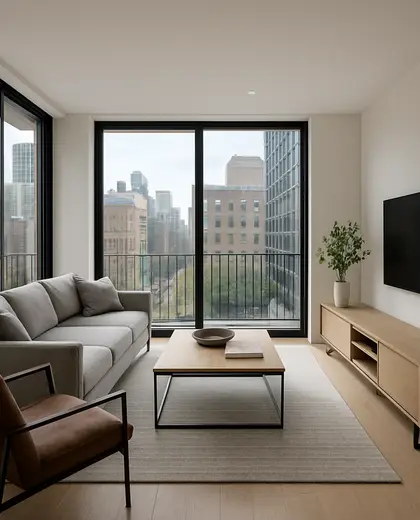
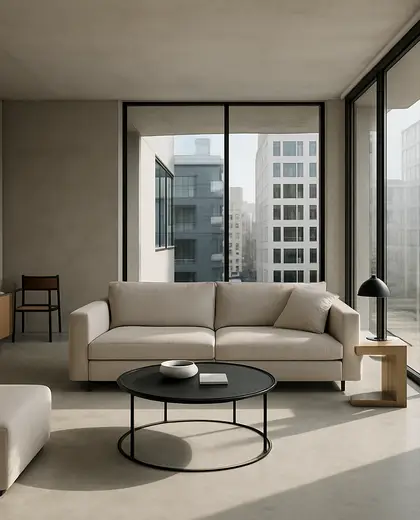
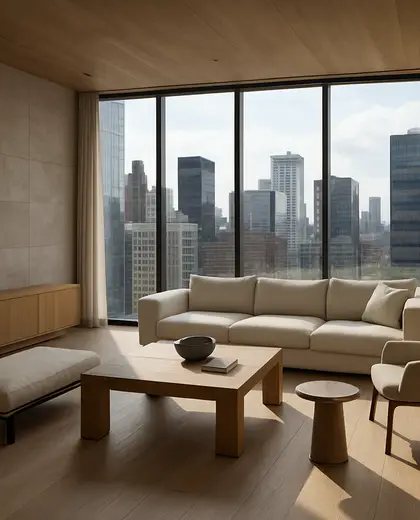
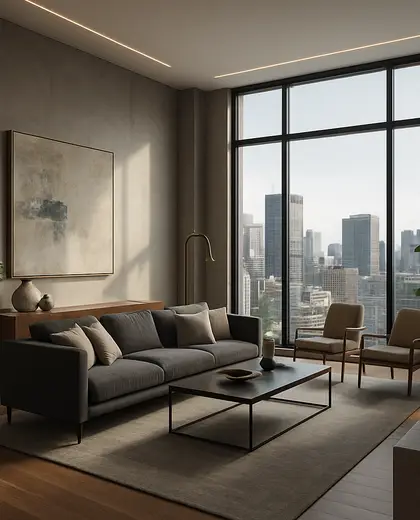
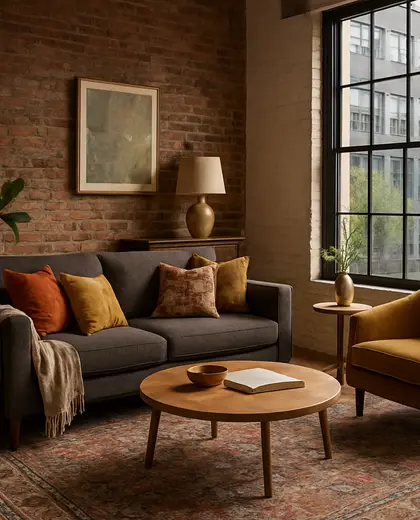
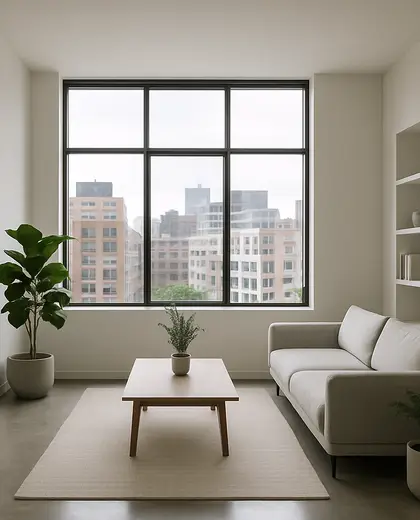
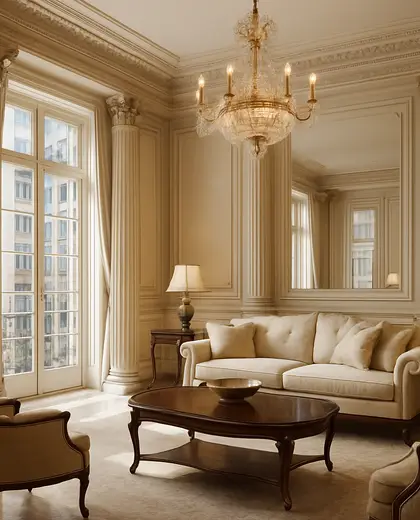
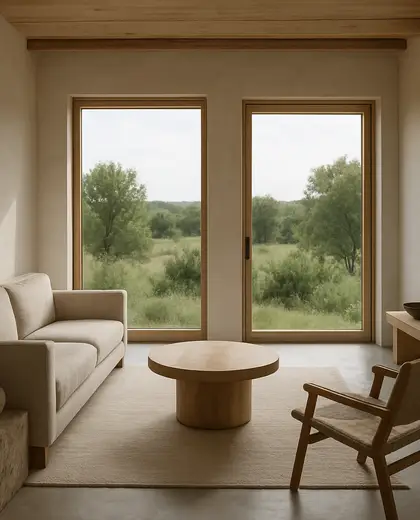
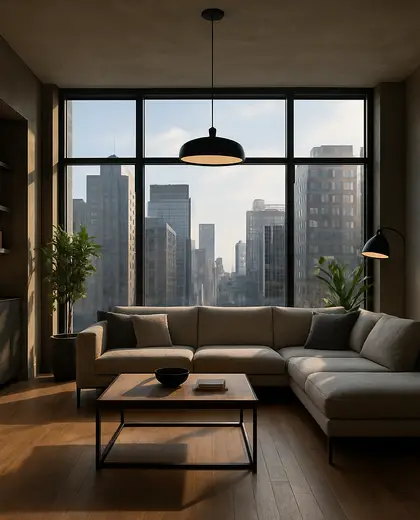
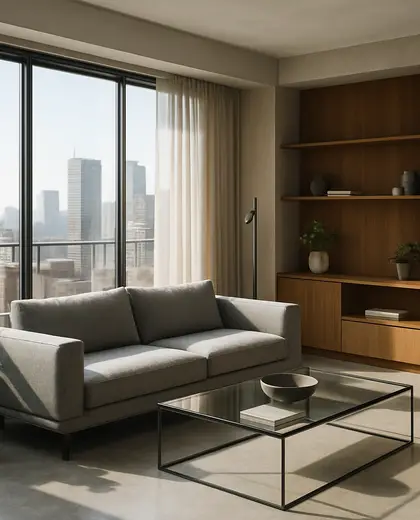
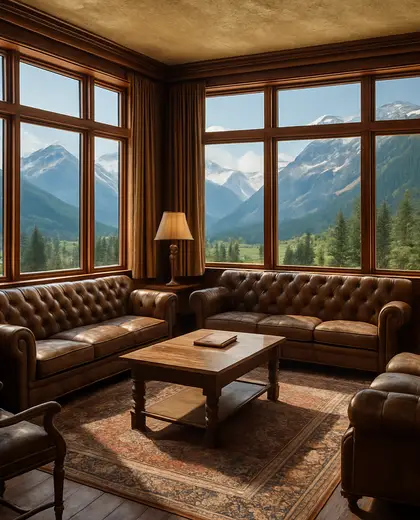
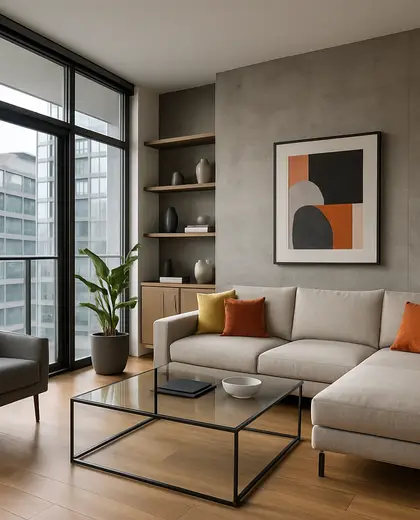
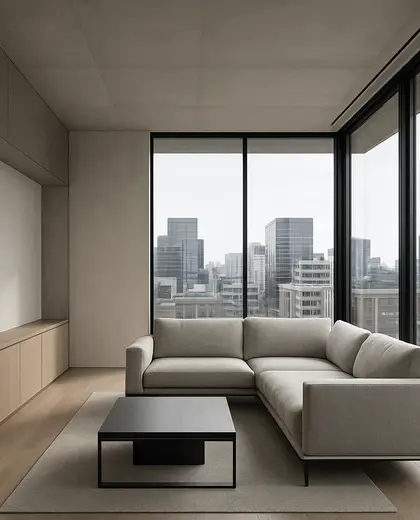
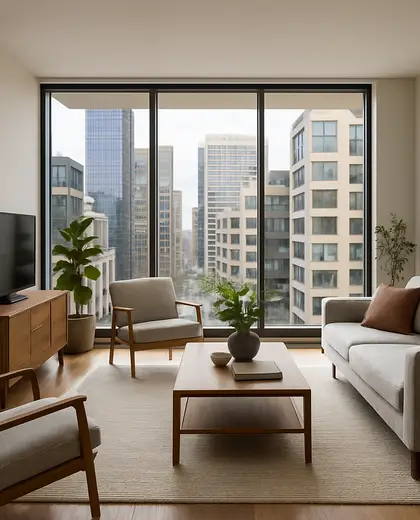
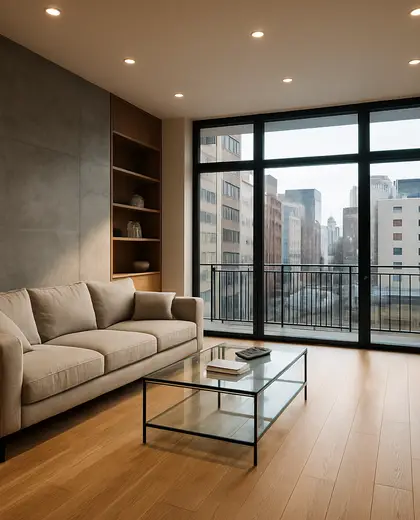
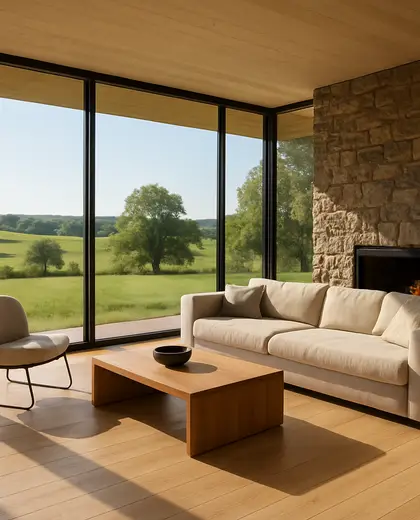
A living room composition is typically defined by a central seating arrangement, a clear focal point such as a fireplace, media wall, or large window, and durable, comfortable materials used at human scale. Common finishes include wood, stone, plaster, wool, linen, leather, and matte painted surfaces, with a palette that often stays neutral or softly layered to keep the room calm and adaptable.
- living room
— References
References to explore
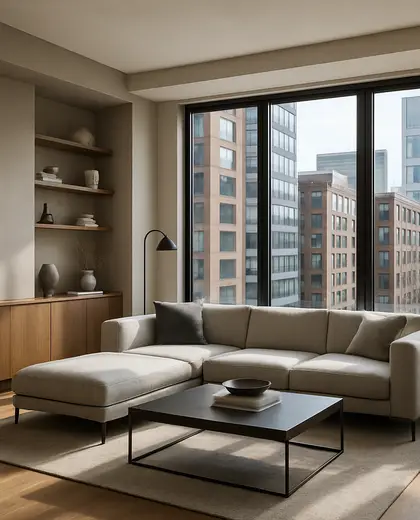
What makes a living room composition different from other rooms?
It is organized around gathering and relaxation, so the furniture layout, lighting, and focal points are arranged for conversation, viewing, and circulation rather than work or storage.

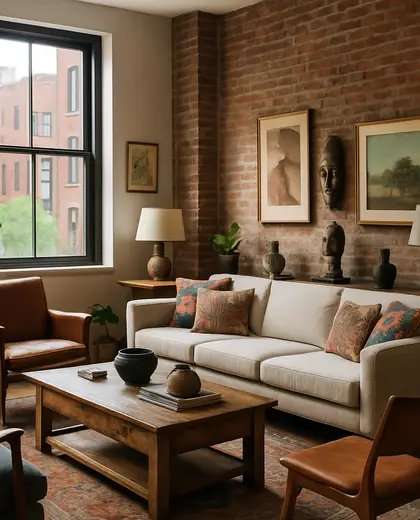
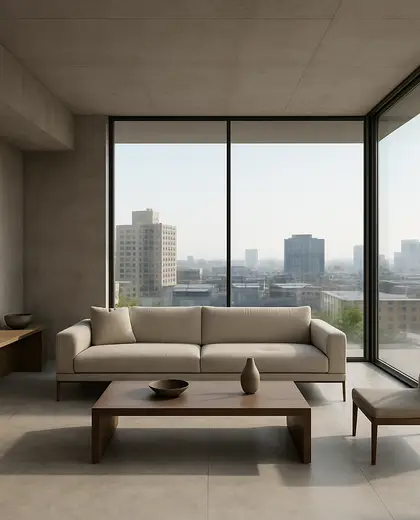
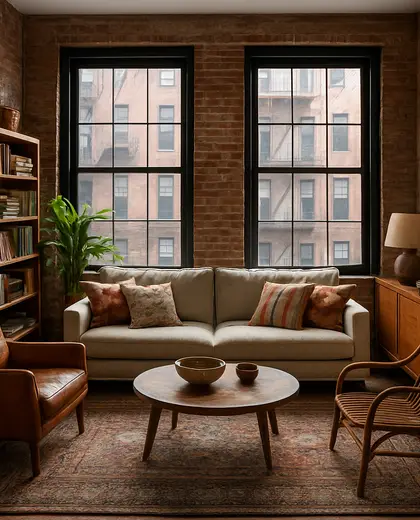
Which materials work best in a living room?
Materials that age well and feel comfortable are usually preferred, such as oak or walnut, stone or microcement, soft textiles, and upholstered seating with durable fabrics.


Can a living room composition work in a small space?
Yes. A smaller living room usually relies on fewer pieces, lighter colors, compact seating, and built-in or multipurpose elements to keep the room open and functional.

— The style
What defines it
Wood, stone, plaster, linen, wool, leather, and textured upholstery are common because they feel warm, durable, and close to everyday use.
Neutral bases such as white, beige, taupe, gray, and muted earth tones are typical, often balanced with black accents or deeper tones for contrast.
Living rooms usually connect with dining areas, open kitchens, fireplaces, built-in storage, rugs, and layered lighting to define zones without closing the space.
— Professionals
Who has already built it






- Karavaan Homefurniture sellers · High Point · 4 projectsView profile →
— Questions
Frequently asked questions
What makes a living room composition different from other rooms?
It is organized around gathering and relaxation, so the furniture layout, lighting, and focal points are arranged for conversation, viewing, and circulation rather than work or storage.
Which materials work best in a living room?
Materials that age well and feel comfortable are usually preferred, such as oak or walnut, stone or microcement, soft textiles, and upholstered seating with durable fabrics.
Can a living room composition work in a small space?
Yes. A smaller living room usually relies on fewer pieces, lighter colors, compact seating, and built-in or multipurpose elements to keep the room open and functional.