— Ideas & inspiration
Master bedroom
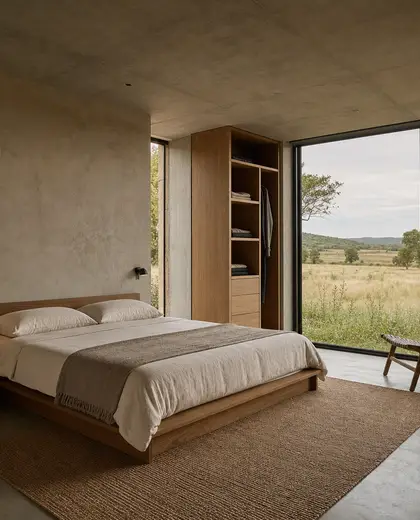
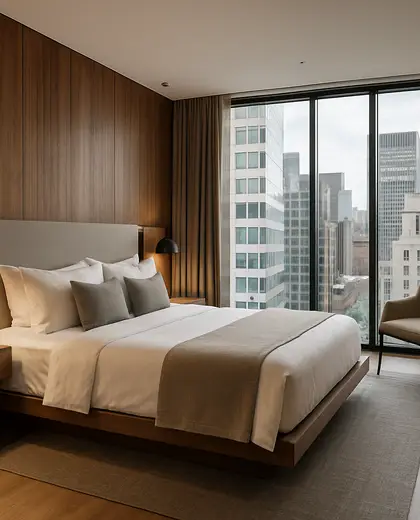
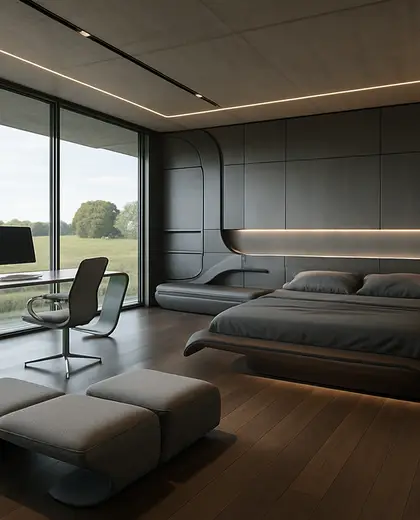
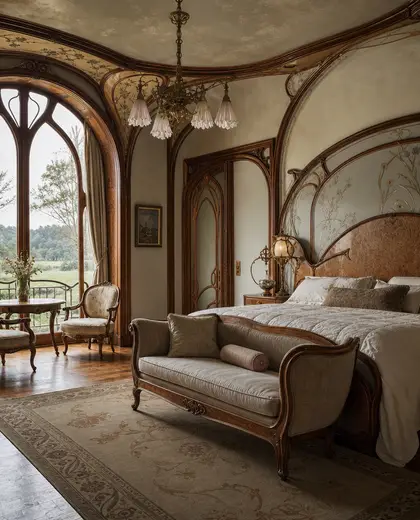
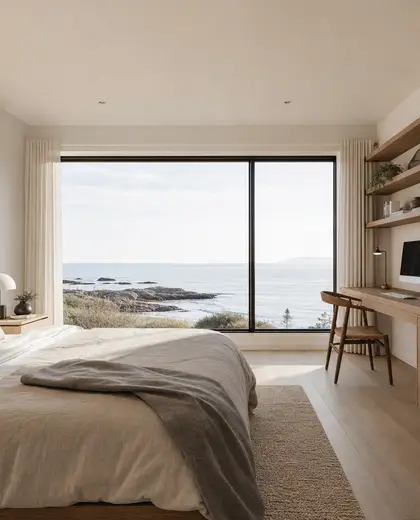
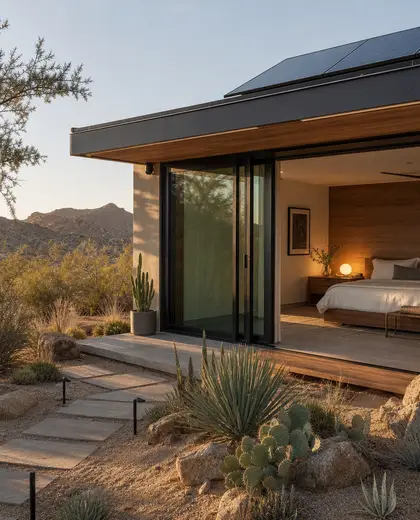
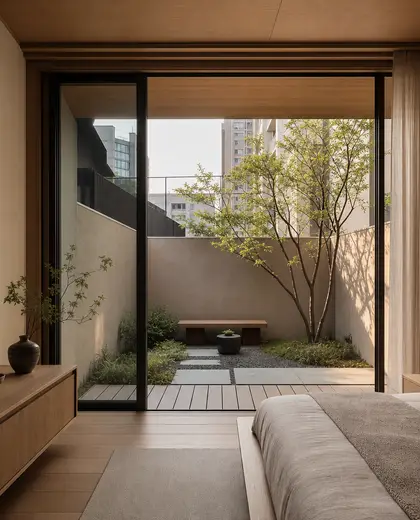
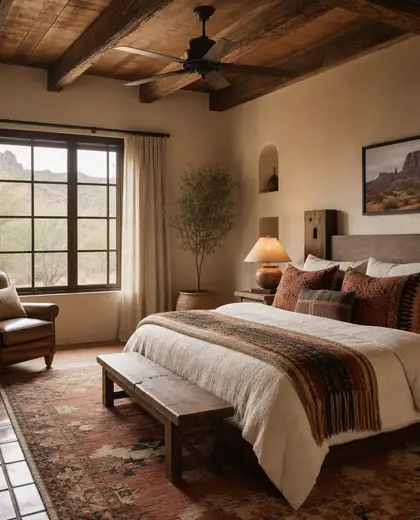
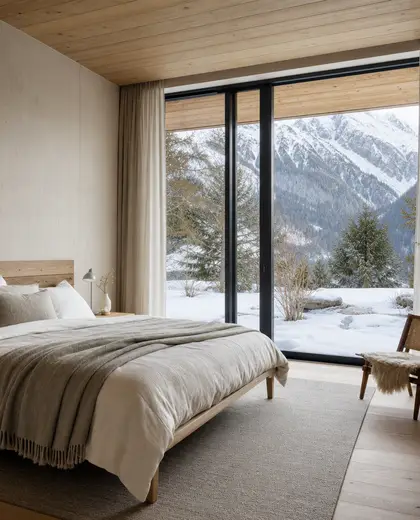
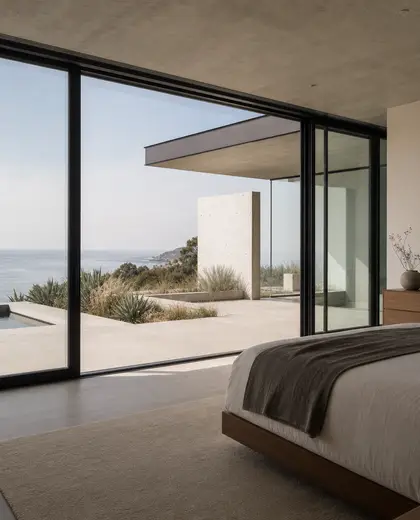
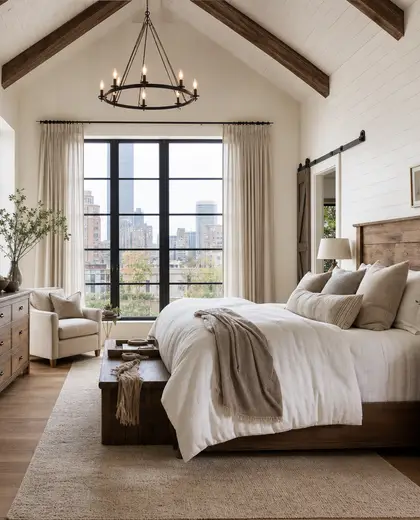
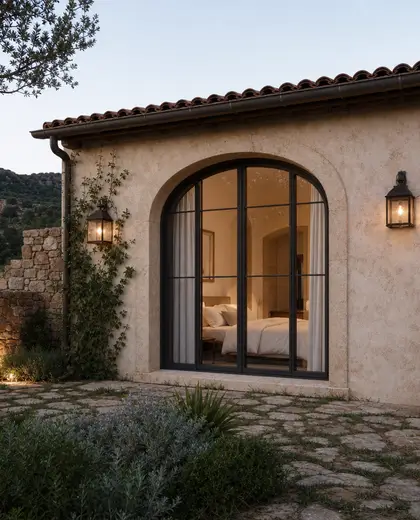
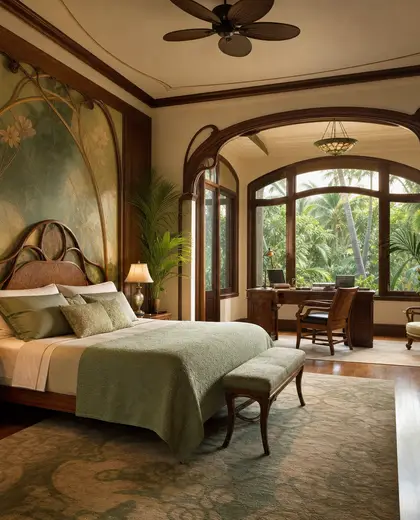
A master bedroom is typically defined by a calm, private layout centered on a larger bed, clear circulation, and a restrained palette. It often uses soft wall finishes, upholstered or timber furniture, layered textiles, and controlled lighting to create a quiet, comfortable atmosphere. Built-in storage, bedside tables, and a seating corner or dressing area are common supporting elements.
- master bedroom

— References
References to explore
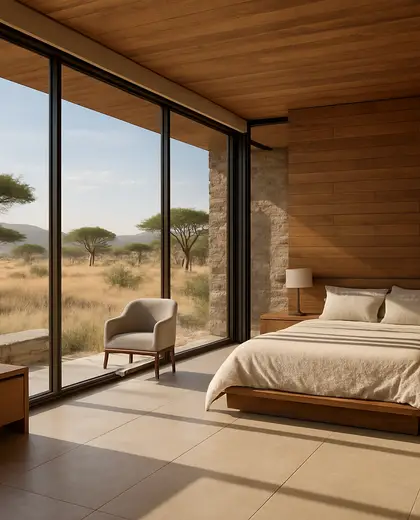
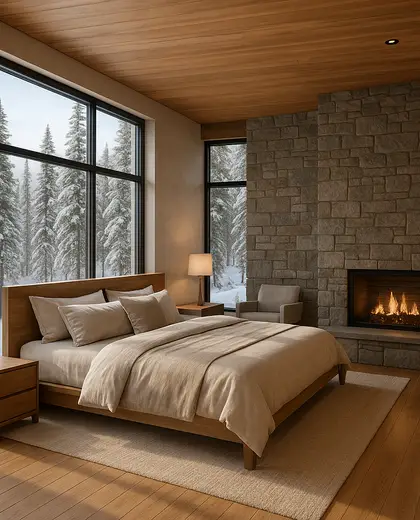
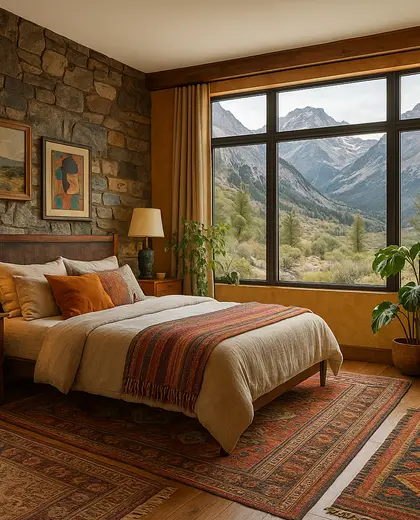
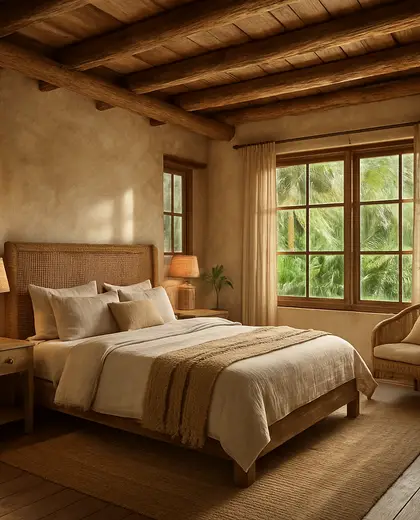
What makes a bedroom feel like a master bedroom?
A master bedroom usually feels larger, quieter, and more layered than a secondary bedroom, with enough space for a king or queen bed, storage, and clear circulation. Privacy and comfort are the main priorities.


Which materials work best in a master bedroom?
Warm, tactile materials are most common, such as wood, fabric upholstery, linen bedding, and soft rugs. Hard finishes are usually kept subdued so the room feels calm rather than busy.
How should I furnish a master bedroom?
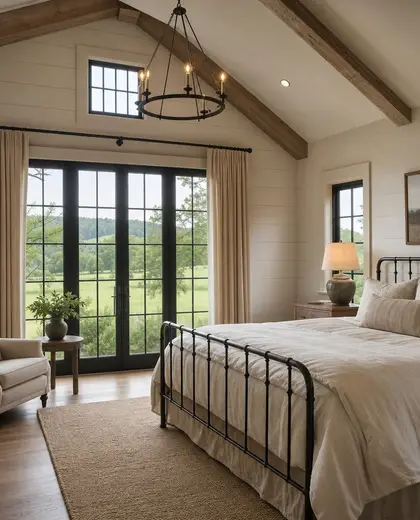
Start with the bed, bedside tables, and storage, then add lighting, curtains, and a rug to define the space. If the room allows it, a bench, chair, or small desk can make it more functional without overcrowding it.





— The style
What defines it
Common materials include painted drywall, natural wood, upholstered fabric, linen, wool, glass, and matte metal accents.
Neutral and muted tones work best: whites, warm greys, beige, taupe, soft brown, and occasional deep accent colors for contrast.
It pairs well with en-suite bathrooms, walk-in closets, soft curtains, area rugs, reading lamps, and minimal artwork.
— Professionals
Who has already built it


- Karavaan Homefurniture sellers · High Point · 4 projectsView profile →
— Questions
Frequently asked questions
What makes a bedroom feel like a master bedroom?
A master bedroom usually feels larger, quieter, and more layered than a secondary bedroom, with enough space for a king or queen bed, storage, and clear circulation. Privacy and comfort are the main priorities.
Which materials work best in a master bedroom?
Warm, tactile materials are most common, such as wood, fabric upholstery, linen bedding, and soft rugs. Hard finishes are usually kept subdued so the room feels calm rather than busy.
How should I furnish a master bedroom?
Start with the bed, bedside tables, and storage, then add lighting, curtains, and a rug to define the space. If the room allows it, a bench, chair, or small desk can make it more functional without overcrowding it.