— Ideas & inspiration
House living in an urban setting
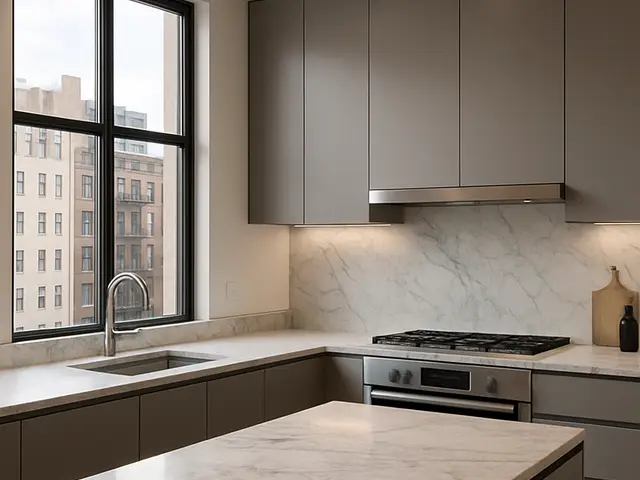
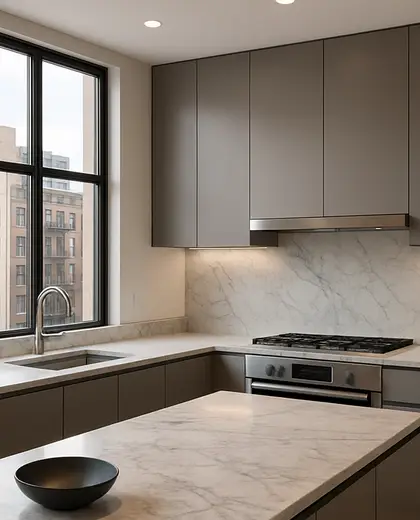
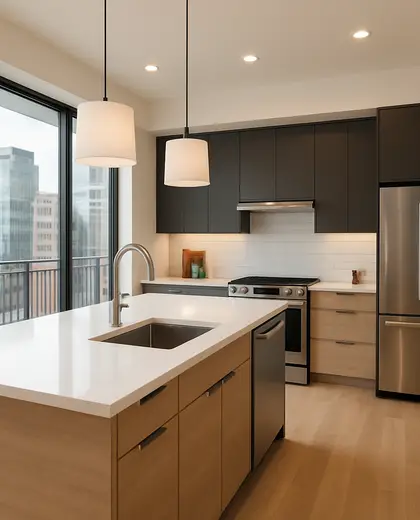
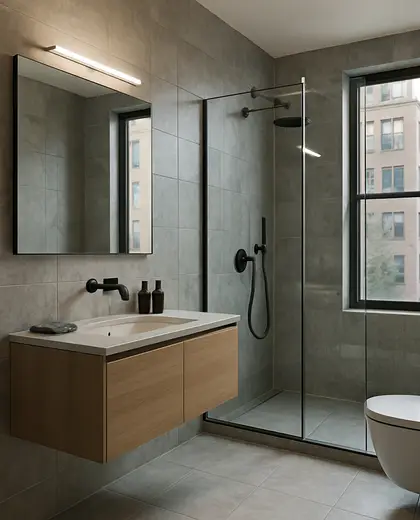
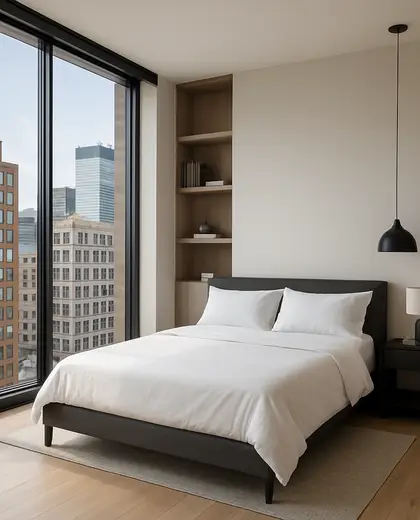
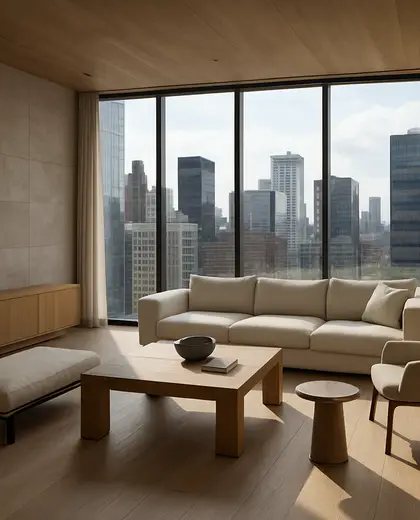
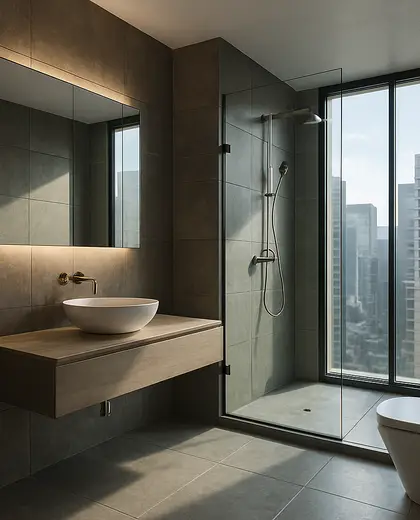
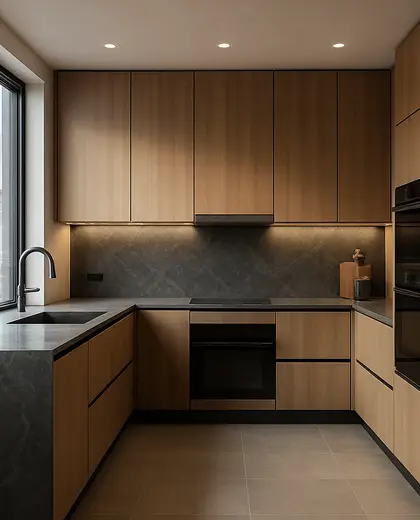
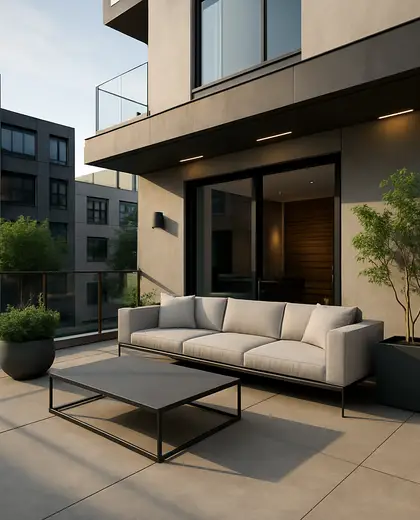
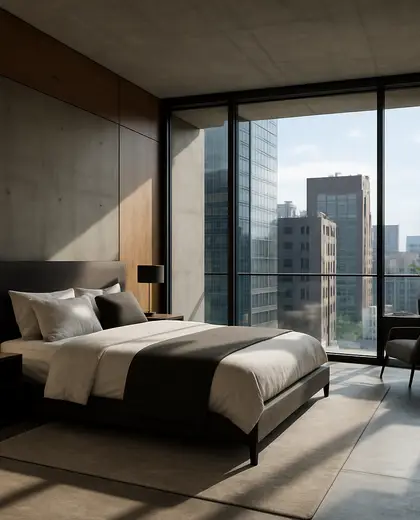
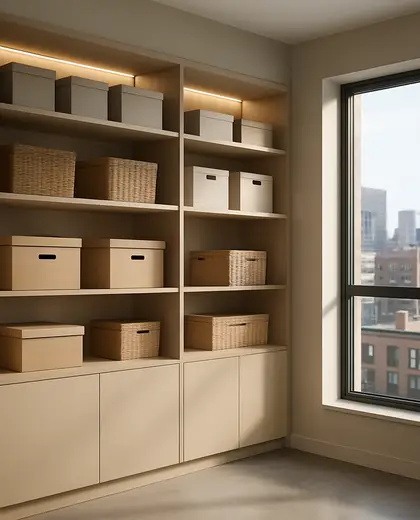
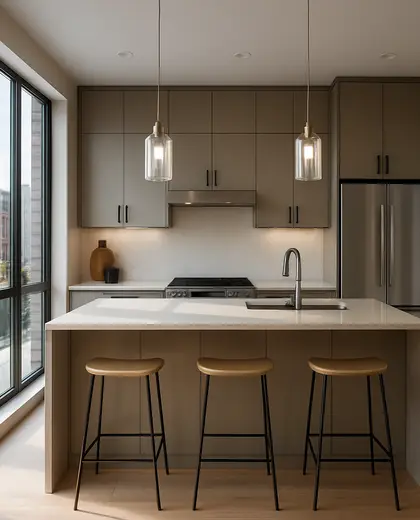
This composition is defined by a house language adapted to city density: compact massing, controlled openings, and strong privacy boundaries. Materials are usually brick, concrete, metal, and large glazed surfaces, with a palette drawn from warm neutrals, charcoal, and muted natural tones. The overall feel balances domestic scale with the practical demands of the street, neighboring buildings, and limited outdoor space.
- house
- urban
— References
References to explore
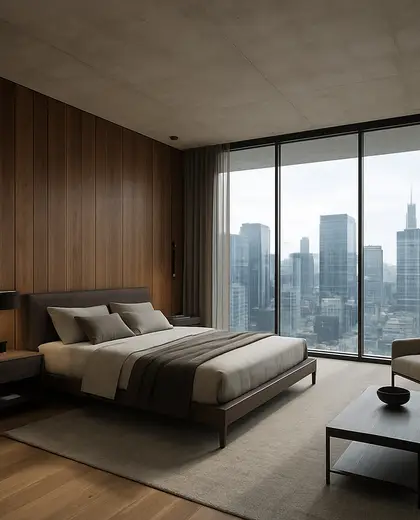
How does an urban house differ from a suburban house?
An urban house usually deals with tighter sites, closer neighbors, and more need for privacy, so its form is often more compact and carefully shielded.
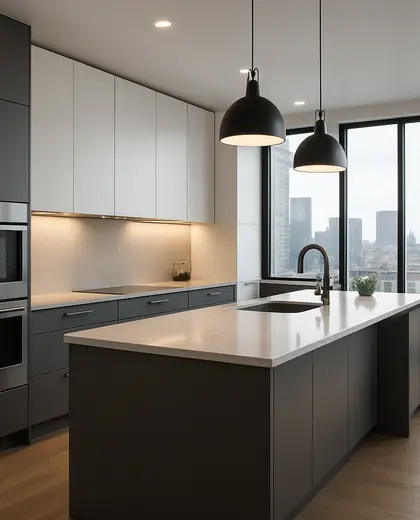
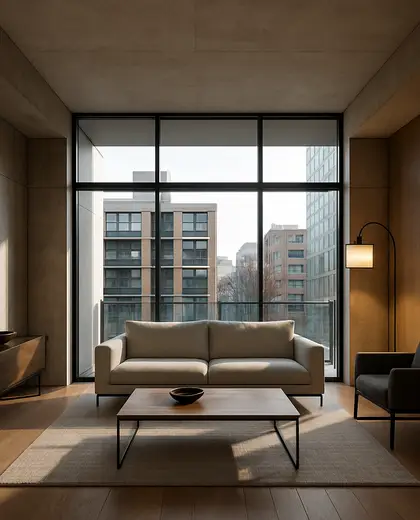
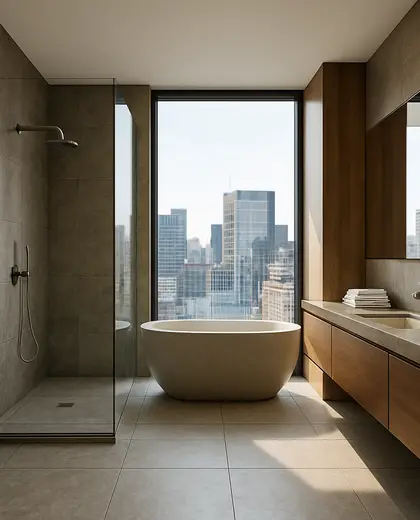
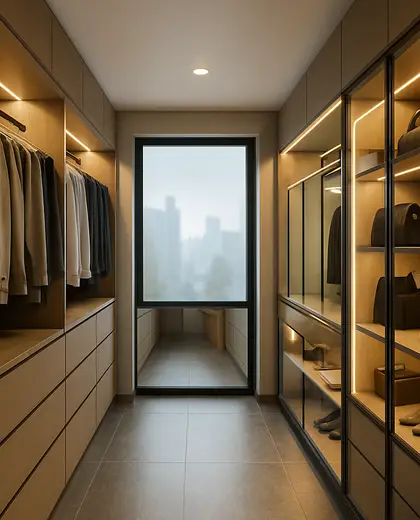
What exterior materials work best for a house in the city?
Durable materials like brick, concrete, metal, and treated timber are common because they age well and suit exposed street conditions.
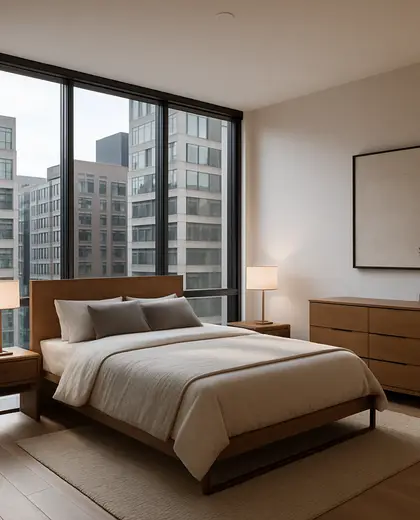
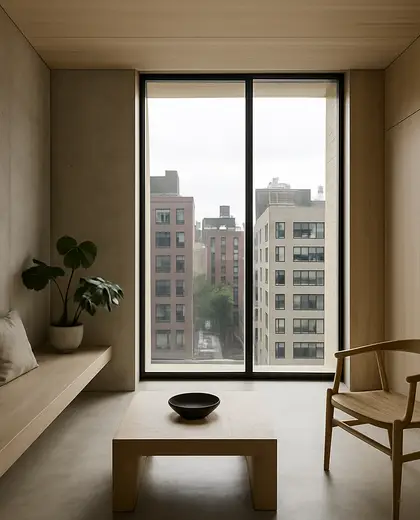
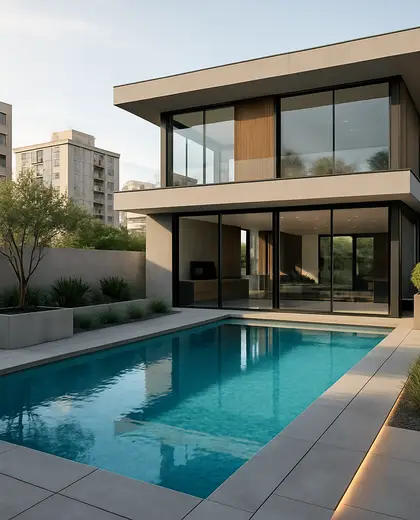
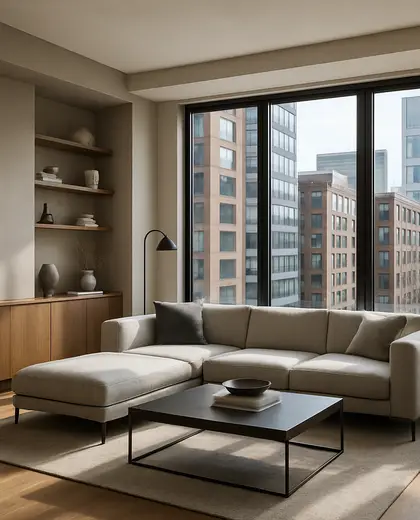
Can an urban house still feel open and bright?
Yes, through courtyards, skylights, larger rear glazing, light-colored surfaces, and window placement that brings in daylight without sacrificing privacy.
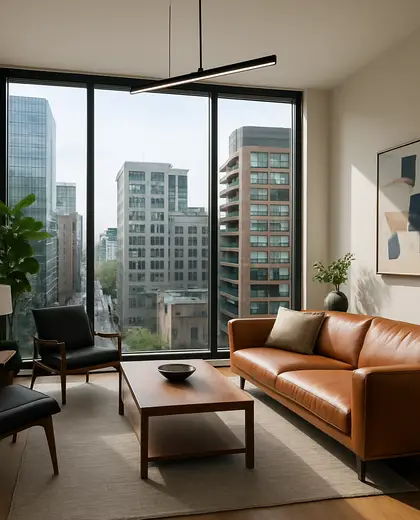
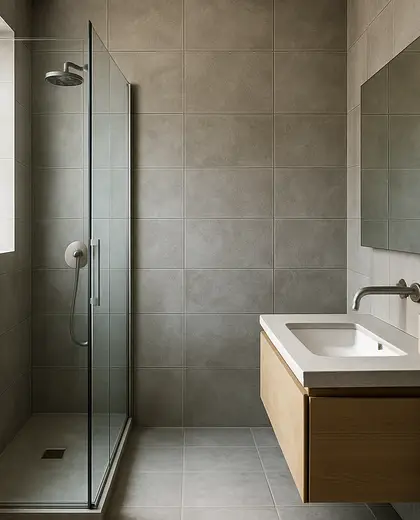
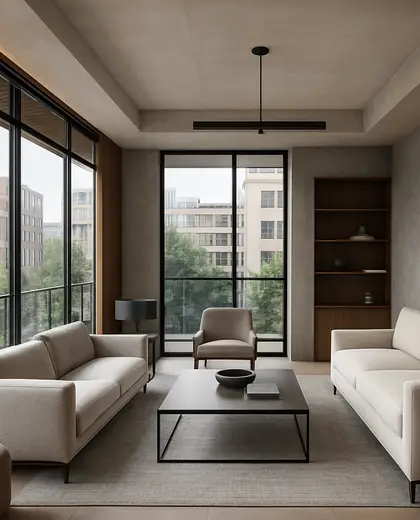
— The style
What defines it
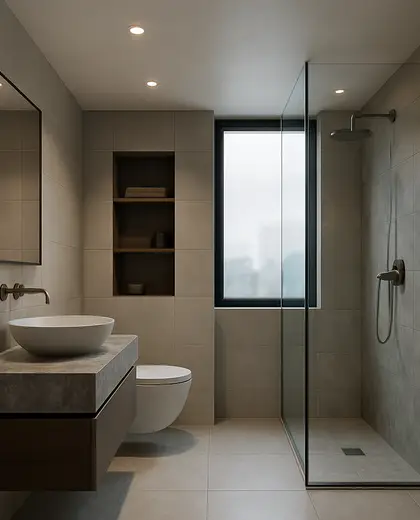
Brick, concrete, steel, timber accents, and glass are common for durability and a city-appropriate finish.
Neutral tones work best: white, beige, warm gray, charcoal, and softened earth colors with minimal contrast.
Courtyards, rooftop terraces, screened facades, and compact layouts that respond to urban context and privacy needs.
— Professionals
Who has already built it
- john allegrettiarchitects · 6 projectsView profile →
- pfuner designinterior designers · 11 projectsView profile →
- Karavaan Homefurniture sellers · High Point · 4 projectsView profile →
- jacob galleslandscape designers · 6 projectsView profile →
— Explore
Keep exploring
— Questions
Frequently asked questions
How does an urban house differ from a suburban house?
An urban house usually deals with tighter sites, closer neighbors, and more need for privacy, so its form is often more compact and carefully shielded.
What exterior materials work best for a house in the city?
Durable materials like brick, concrete, metal, and treated timber are common because they age well and suit exposed street conditions.
Can an urban house still feel open and bright?
Yes, through courtyards, skylights, larger rear glazing, light-colored surfaces, and window placement that brings in daylight without sacrificing privacy.