— Ideas & inspiration
Rustic
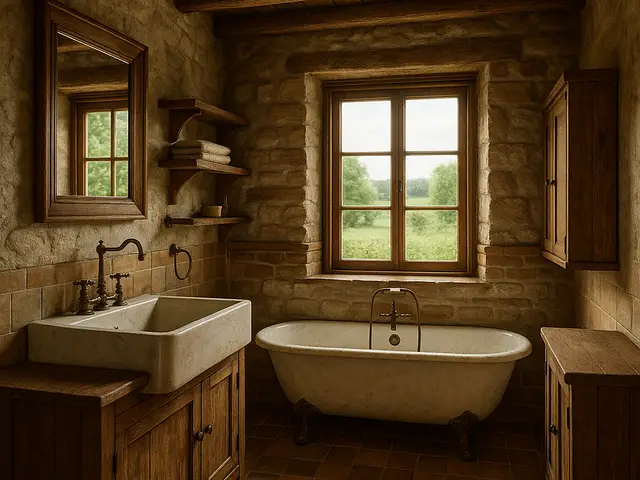
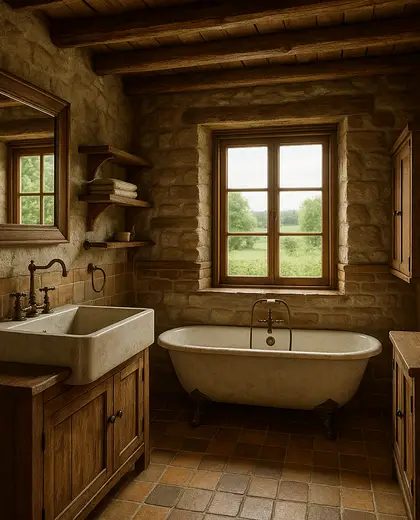
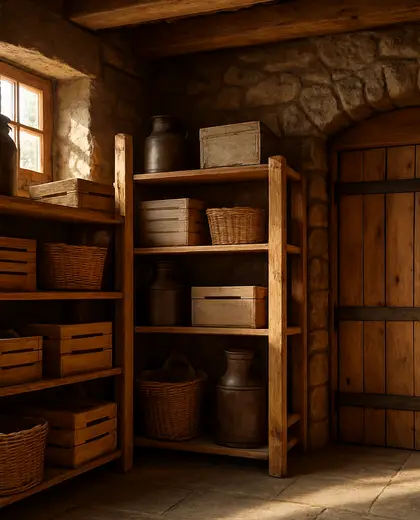
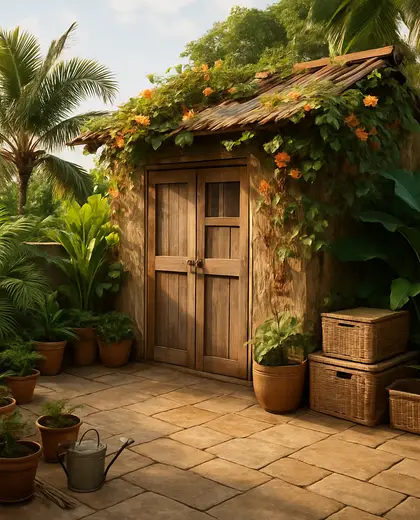
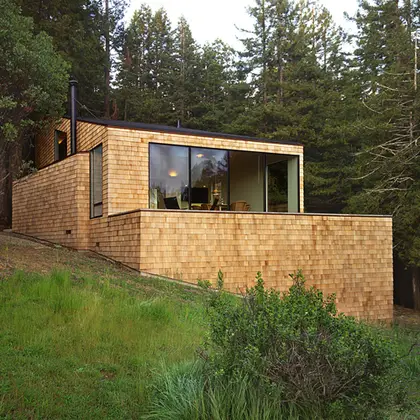
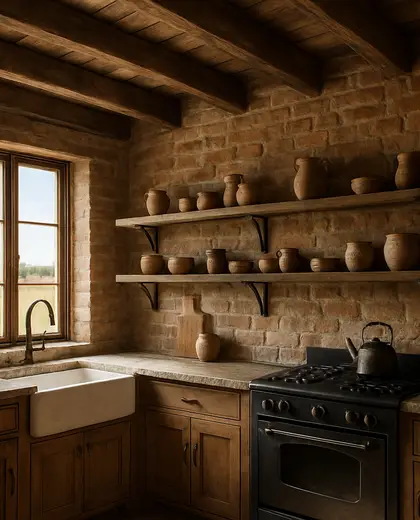
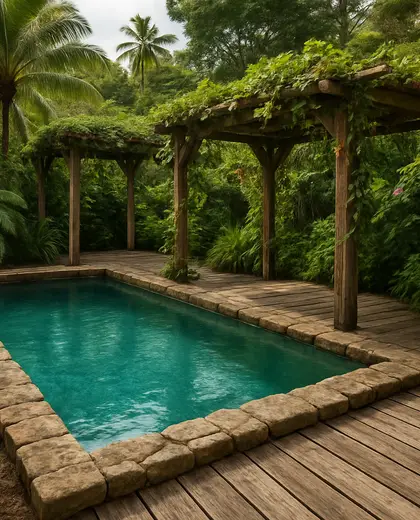
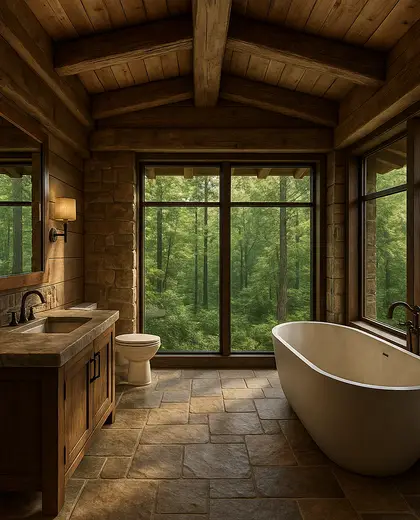
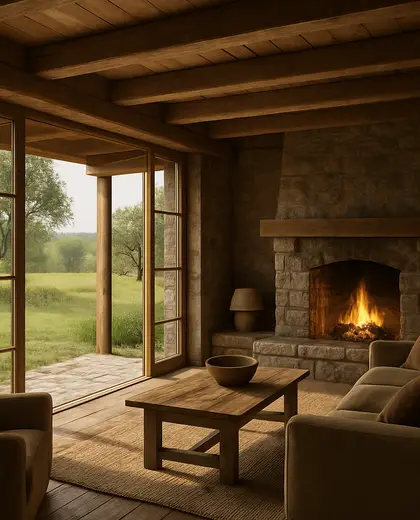
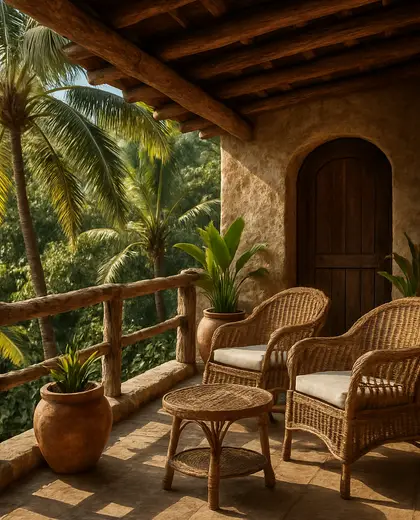
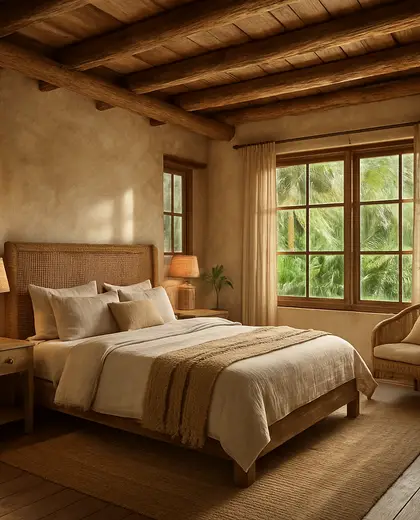
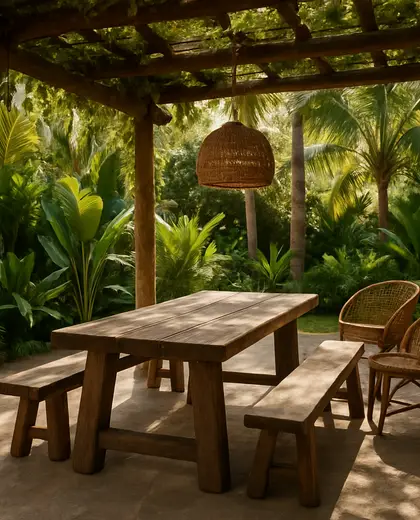
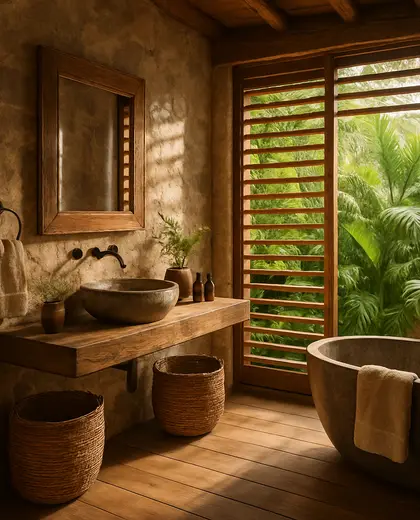
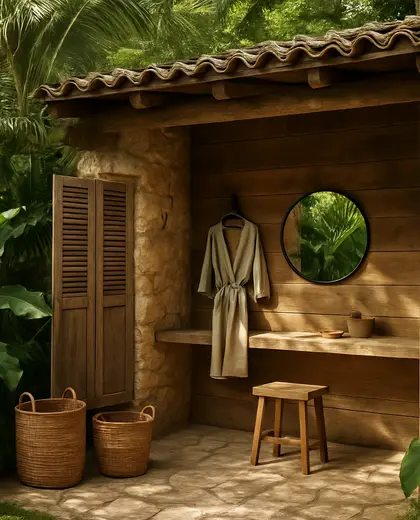
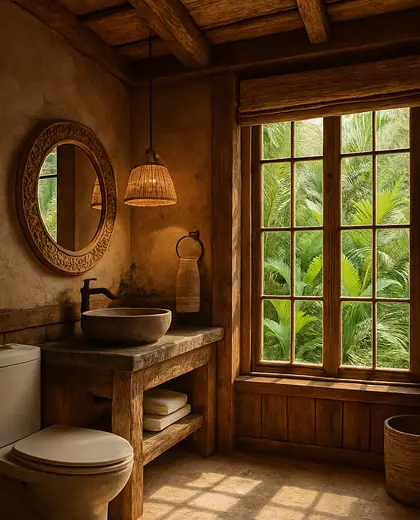
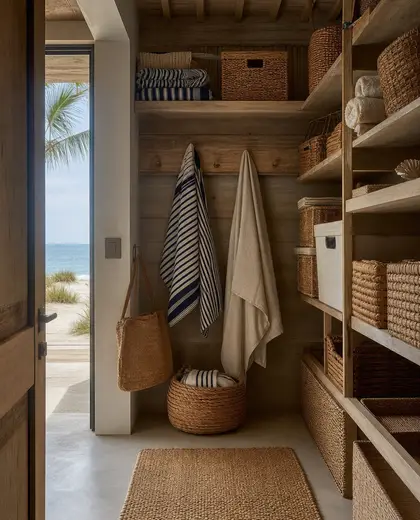
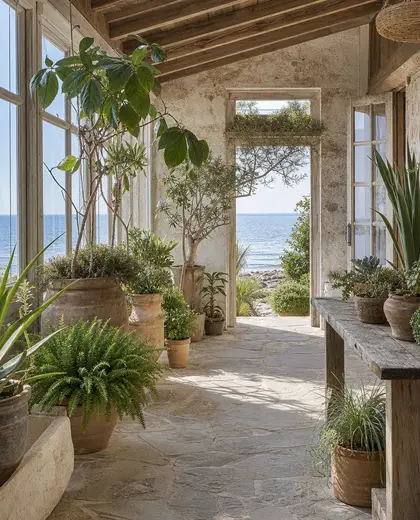
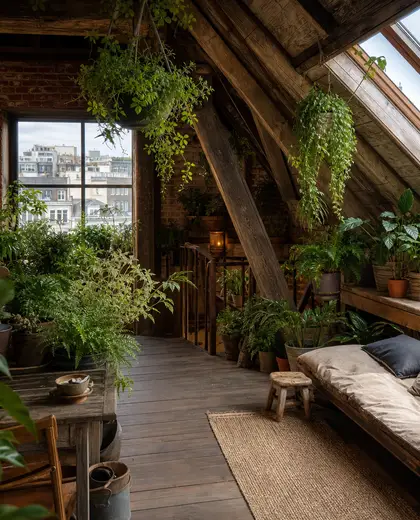
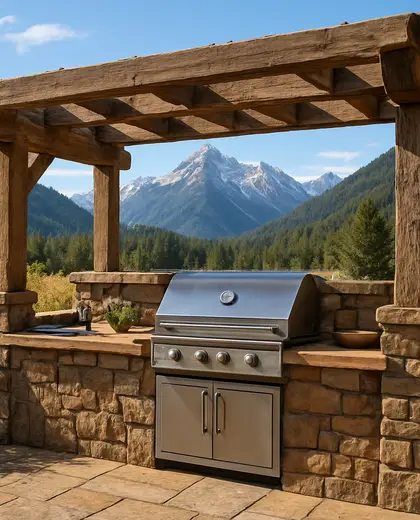
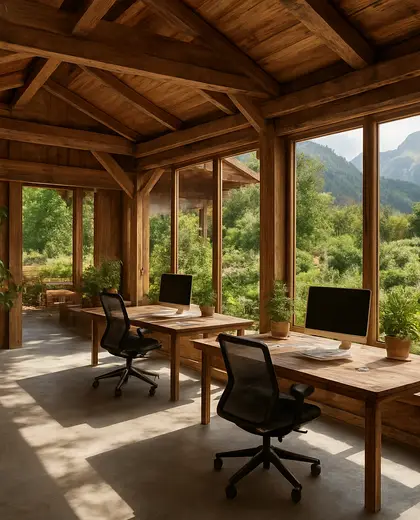
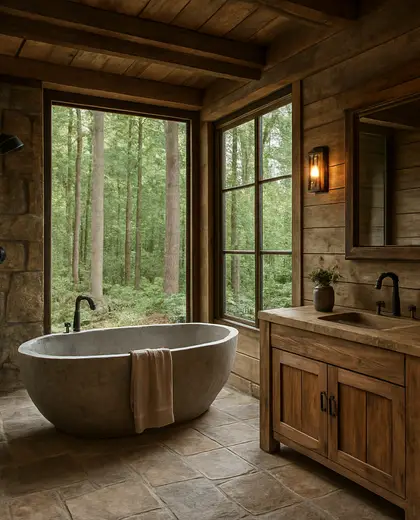
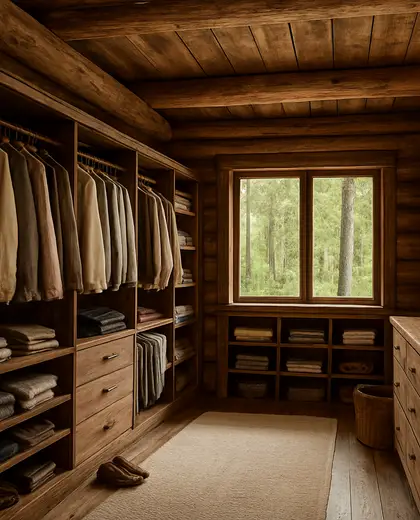
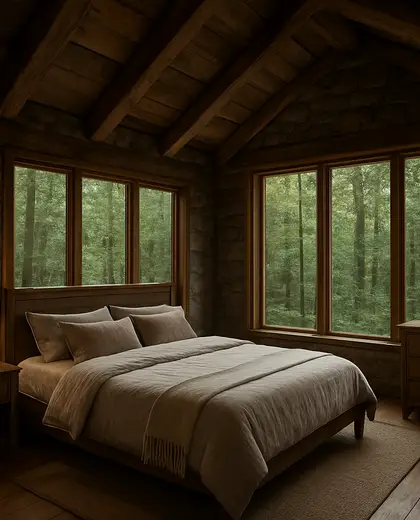
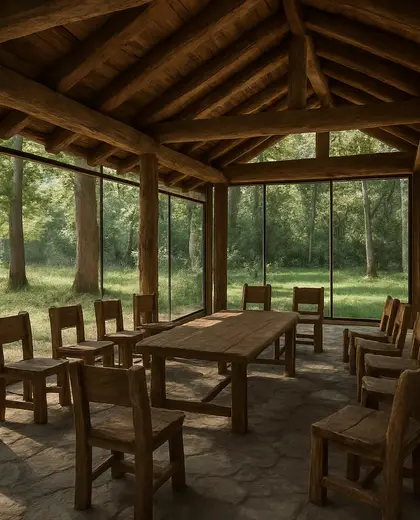
Rustic composition is defined by natural, often rough-finished materials such as reclaimed wood, stone, clay, linen, and forged metal. The palette stays earthy and muted, with browns, warm grays, ochre, cream, and deep green tones. Its defining elements are visible texture, weathered surfaces, exposed structure, and a grounded, handmade feel.
- rustic
— References
References to explore

Does rustic mean everything has to look old?
No. Rustic can include new materials finished to look natural or lightly weathered. The key is texture, warmth, and an unpolished surface quality, not age alone.
Can rustic work in a modern home?
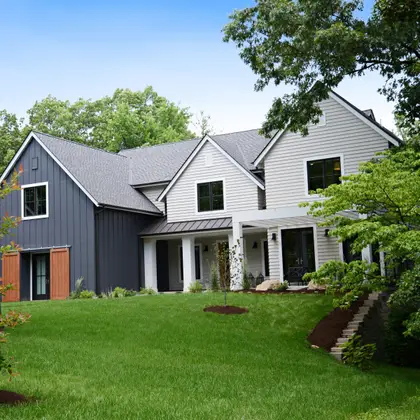
Yes. It pairs well with clean lines if you keep the material palette restrained. A few rustic pieces, like a timber beam, stone wall, or textured table, can soften a modern interior.
Is rustic always dark and heavy?
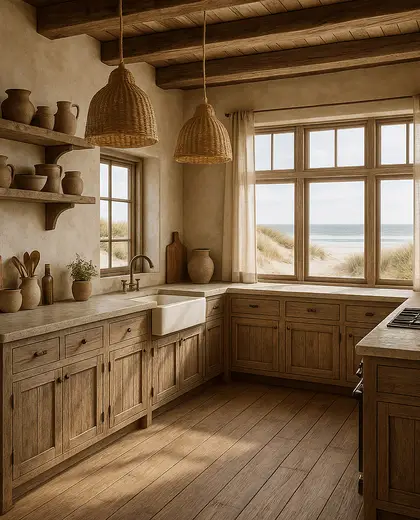
No. It can feel bright if you use lighter woods, limewashed walls, linen textiles, and a softer neutral palette. The style is about tactile materials more than darkness.
— The style
What defines it
Reclaimed timber, natural stone, plaster, leather, linen, wrought iron, and terracotta are typical choices.
Earth tones dominate: walnut brown, beige, charcoal, clay, olive, and off-white.
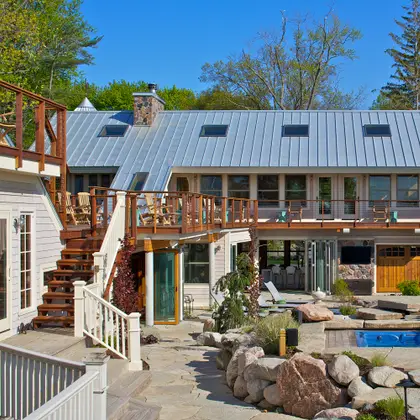
Works well with farmhouse, country, industrial, and contemporary interiors when you want warmth and texture.
— Professionals
Who has already built it
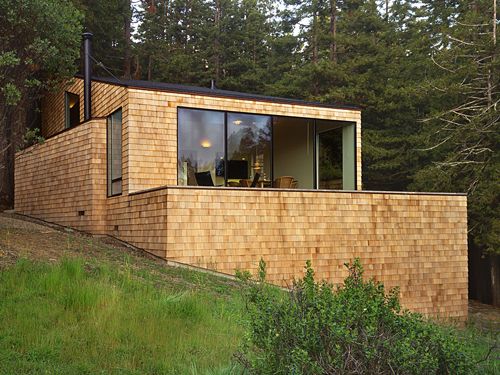

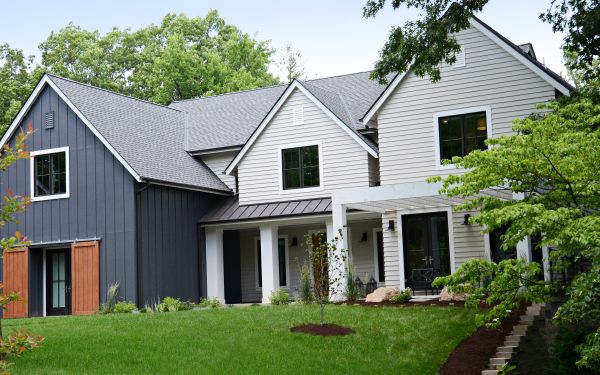

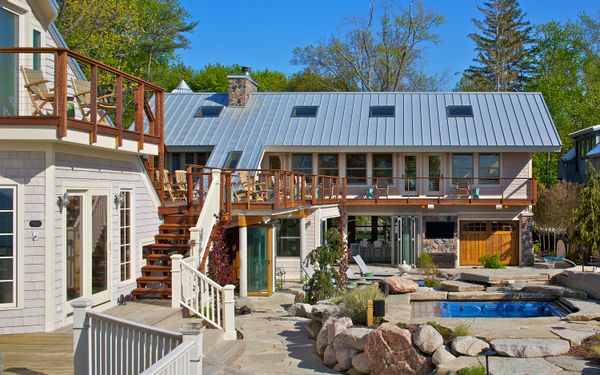

- michael matthewsarchitects · Los Angeles · 1 projectsView profile →
- interior design by emilyinterior designers · 1 projectsView profile →
- Karavaan Homefurniture sellers · High Point · 4 projectsView profile →
- jacob galleslandscape designers · 2 projectsView profile →
— Explore
Keep exploring
— Questions
Frequently asked questions
Does rustic mean everything has to look old?
No. Rustic can include new materials finished to look natural or lightly weathered. The key is texture, warmth, and an unpolished surface quality, not age alone.
Can rustic work in a modern home?
Yes. It pairs well with clean lines if you keep the material palette restrained. A few rustic pieces, like a timber beam, stone wall, or textured table, can soften a modern interior.
Is rustic always dark and heavy?
No. It can feel bright if you use lighter woods, limewashed walls, linen textiles, and a softer neutral palette. The style is about tactile materials more than darkness.