— Ideas & inspiration
Minimalist composition
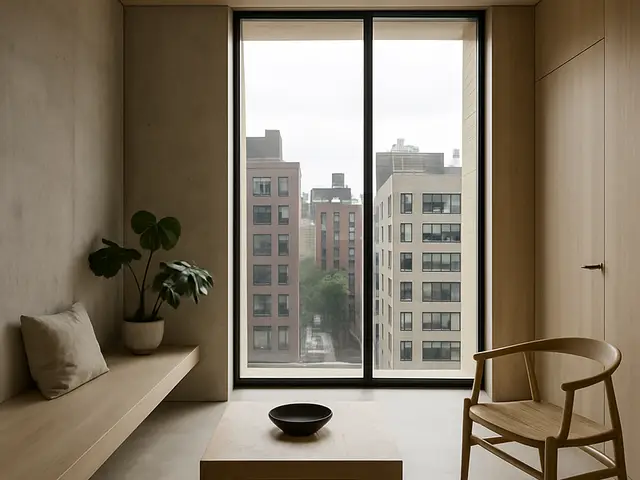
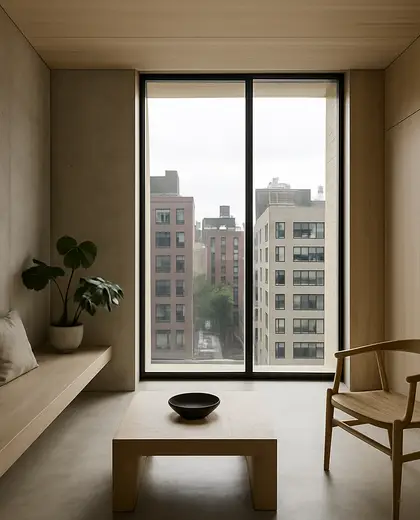
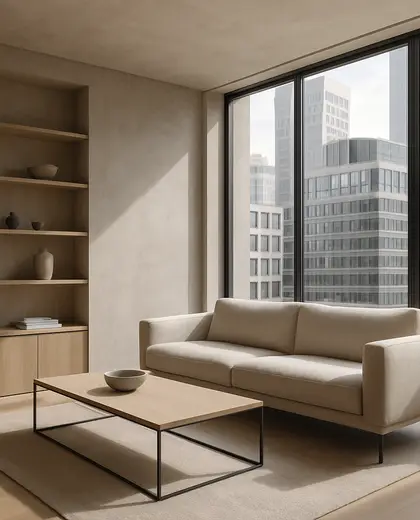
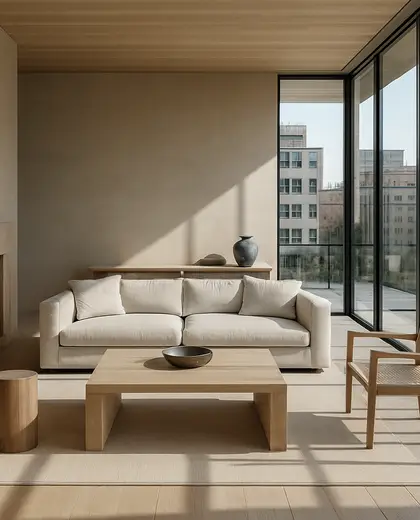
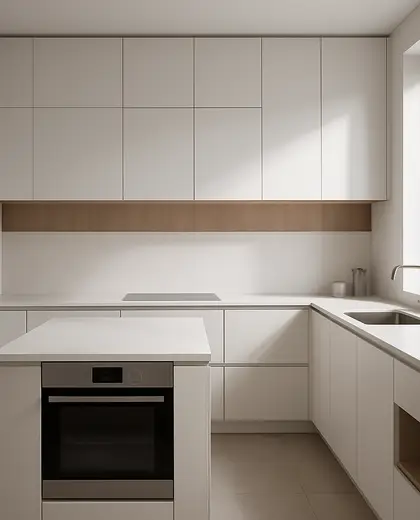
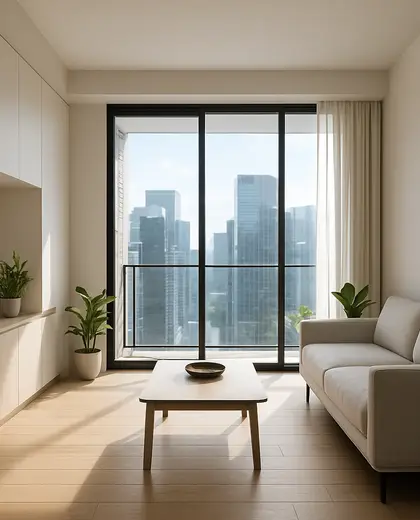
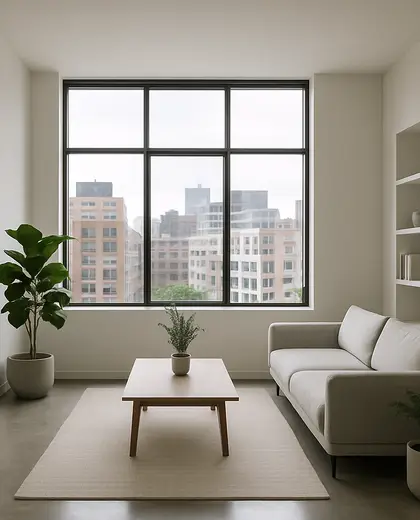
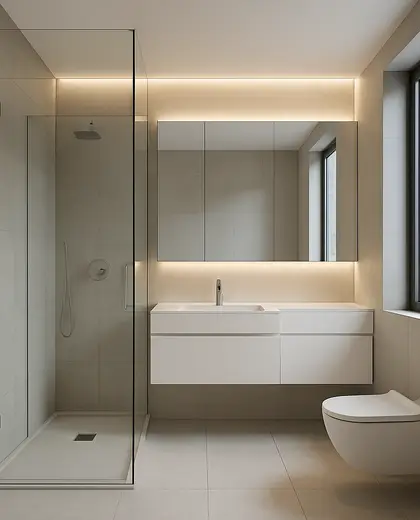
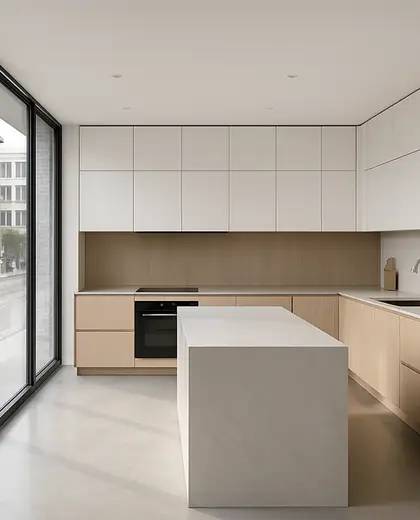
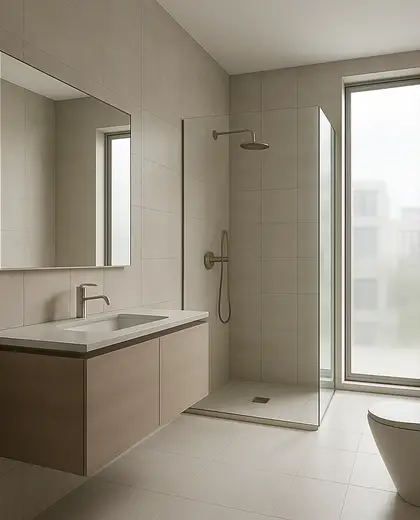
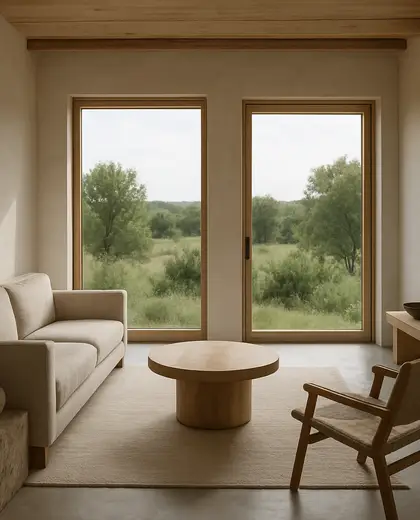
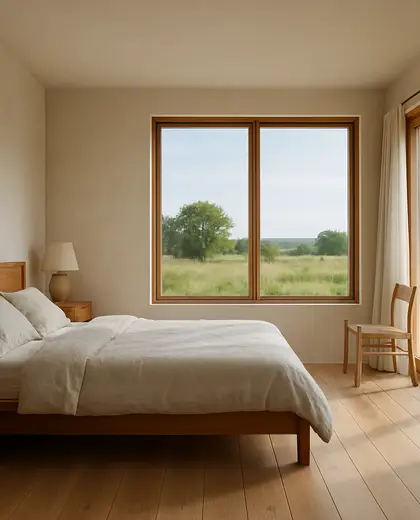
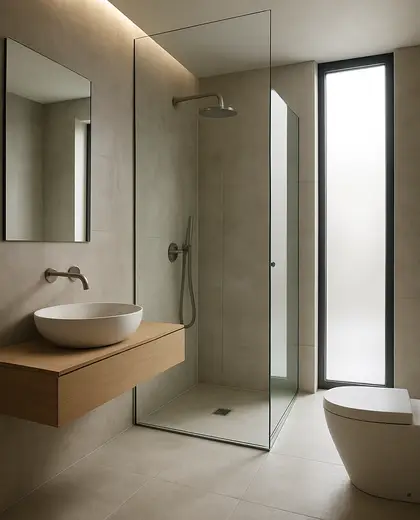
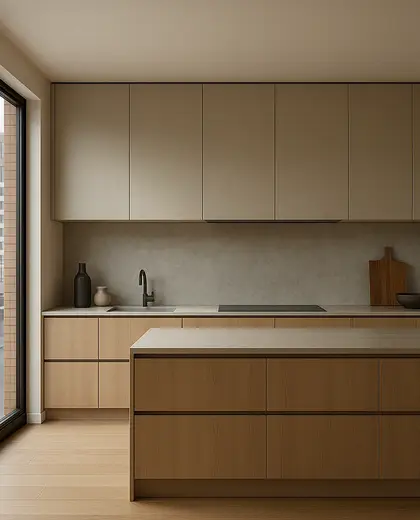
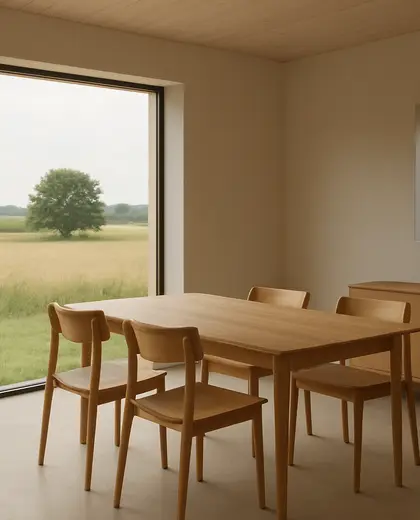
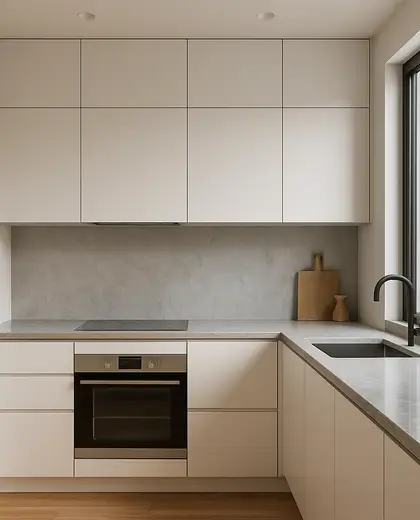
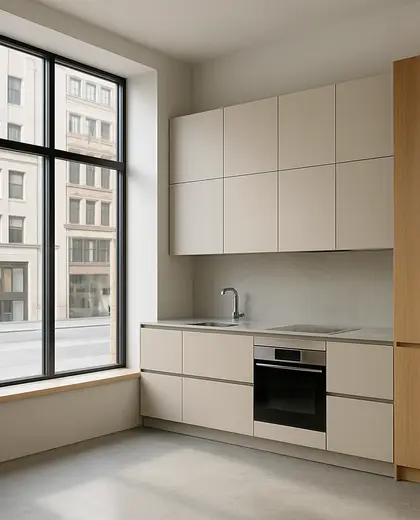
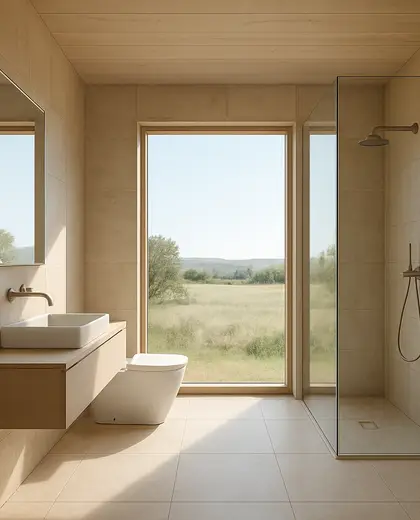
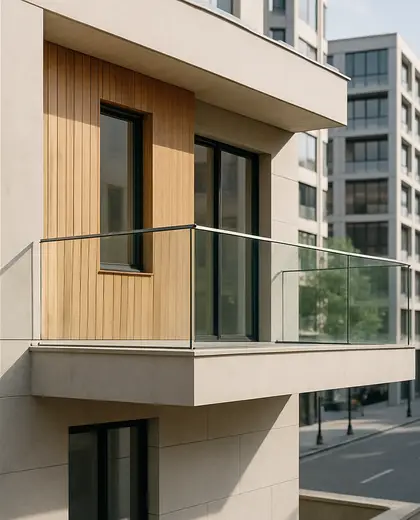
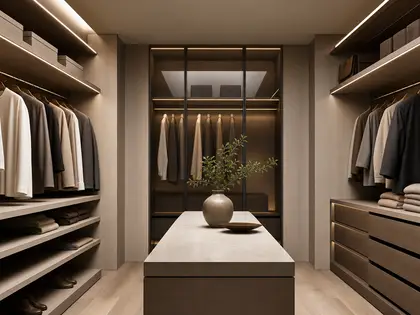
A minimalist composition is defined by clear geometry, open space, and a strict reduction of visual noise. It typically uses smooth plaster, concrete, glass, metal, and finely finished wood in a restrained palette of white, gray, black, and warm neutrals. Details are hidden or simplified, with flat surfaces, thin profiles, and uncluttered transitions doing most of the work.
- minimalist
— References
References to explore
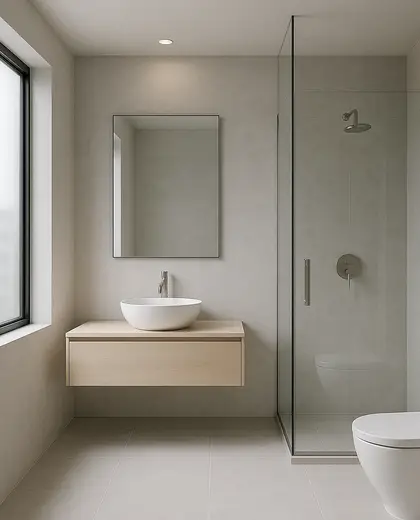
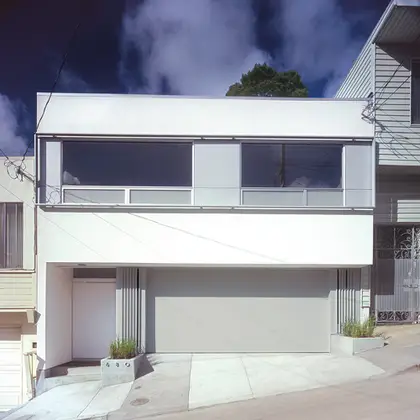
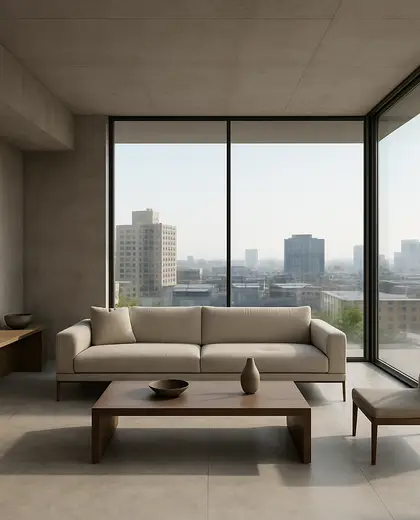
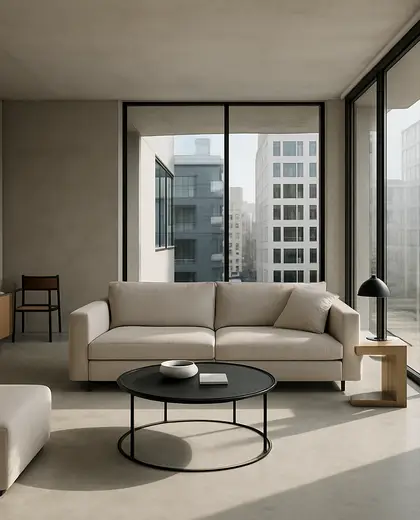
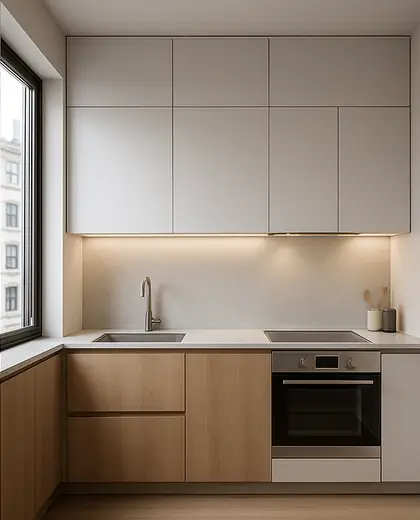
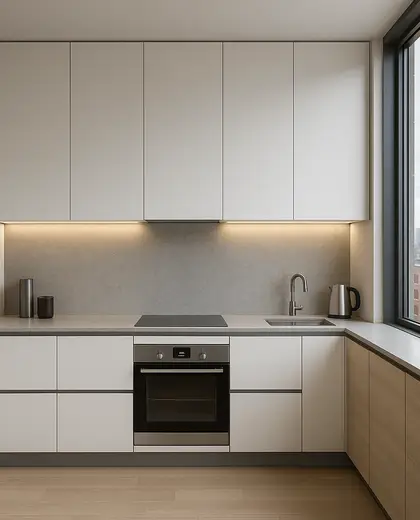
Will a minimalist interior feel cold or empty?
It can if the room lacks texture or warmth. Homeowners usually balance the sparse look with wood, fabric, softer lighting, and a few carefully chosen objects.
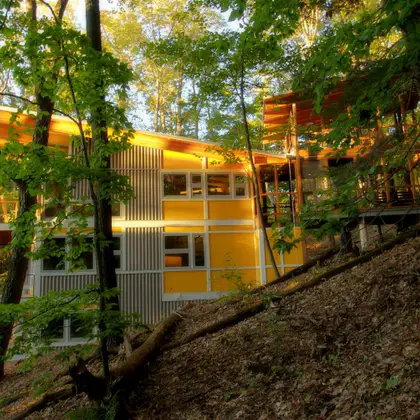
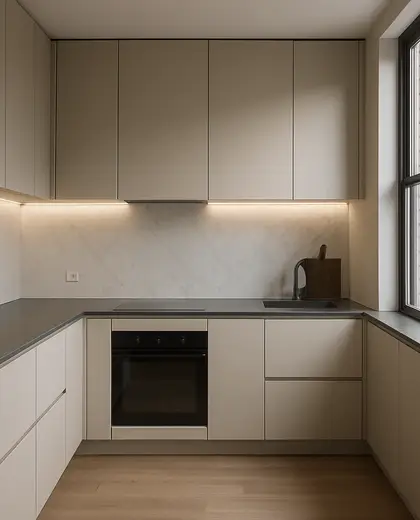
What surfaces are typical in a minimalist home?
Smooth painted walls, polished or honed concrete, simple timber flooring, glass partitions, and clean cabinetry fronts are common.

Does minimalism only work in new builds?
No. It can also be introduced in renovations by simplifying trim, reducing visual clutter, and using a consistent material palette.
— The style
What defines it
Plaster, concrete, glass, steel, and natural wood with matte or low-sheen finishes.
White, off-white, soft gray, charcoal, black, and muted wood tones.
Works well with open-plan layouts, large windows, hidden storage, and low-profile furnishings.
— Professionals
Who has already built it
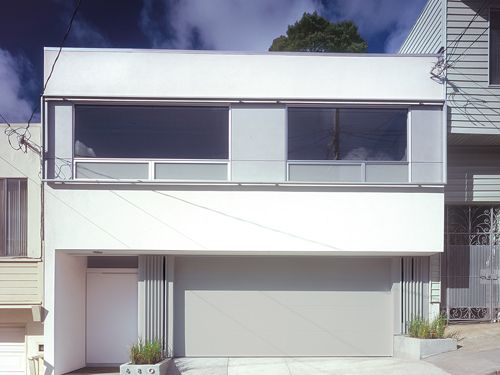




- interior design by emilyinterior designers · 2 projectsView profile →
- fathoms designarchitects · Wheaton · 3 projectsView profile →
- Karavaan Homefurniture sellers · High Point · 4 projectsView profile →
— Questions
Frequently asked questions
Will a minimalist interior feel cold or empty?
It can if the room lacks texture or warmth. Homeowners usually balance the sparse look with wood, fabric, softer lighting, and a few carefully chosen objects.
What surfaces are typical in a minimalist home?
Smooth painted walls, polished or honed concrete, simple timber flooring, glass partitions, and clean cabinetry fronts are common.
Does minimalism only work in new builds?
No. It can also be introduced in renovations by simplifying trim, reducing visual clutter, and using a consistent material palette.