— Ideas & inspiration
Modern
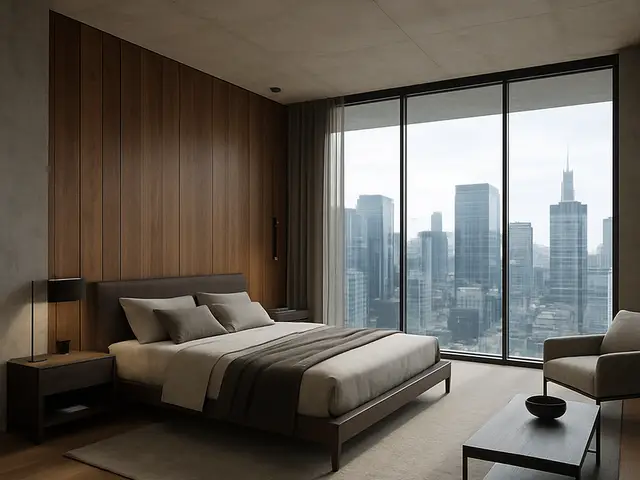
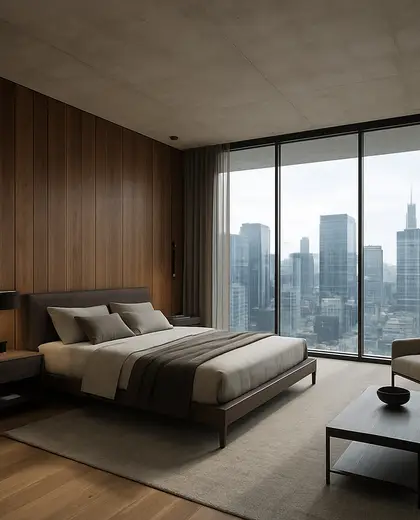
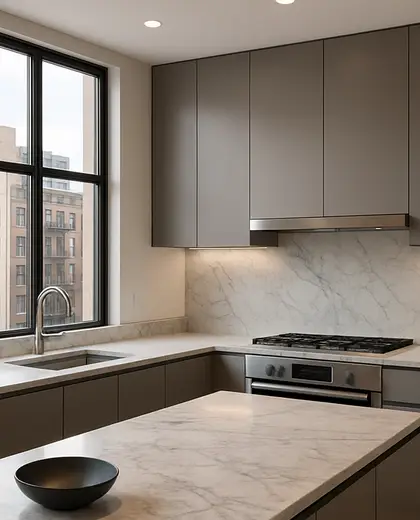
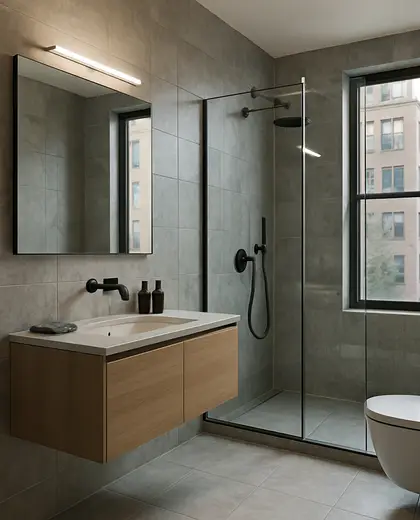
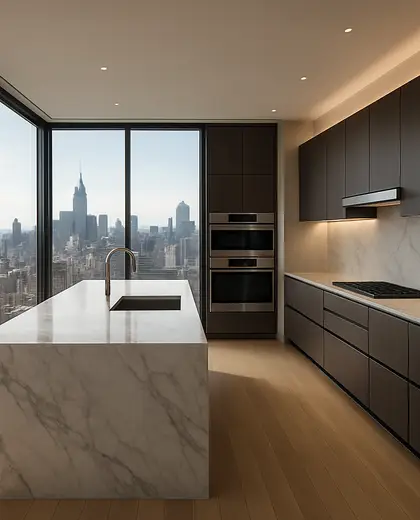
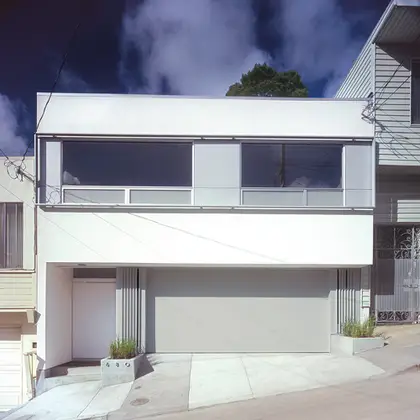
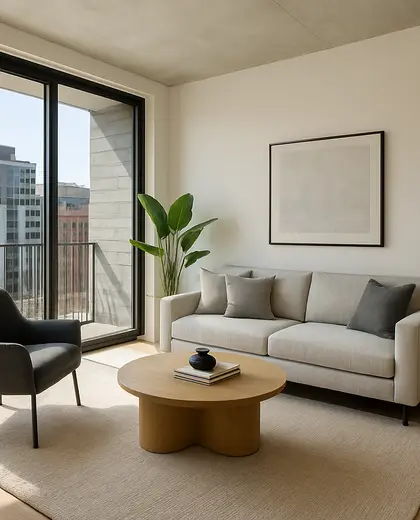
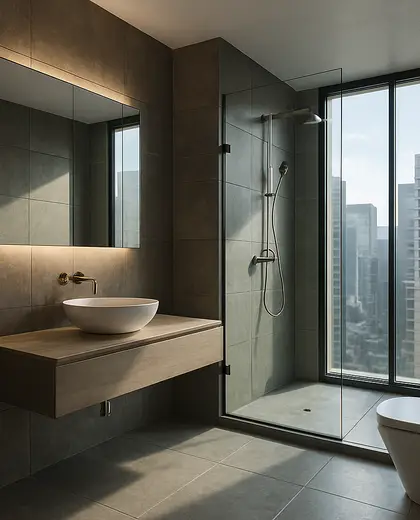
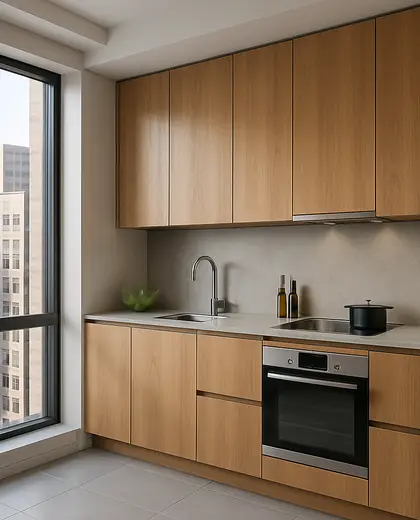
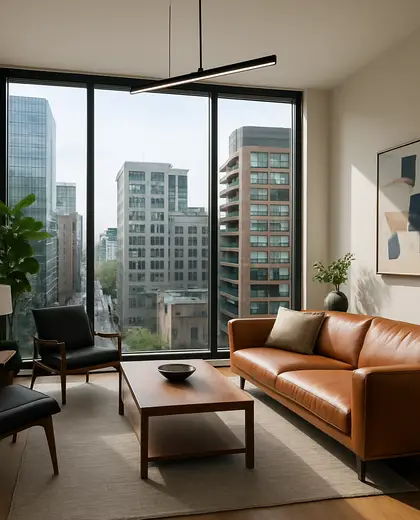
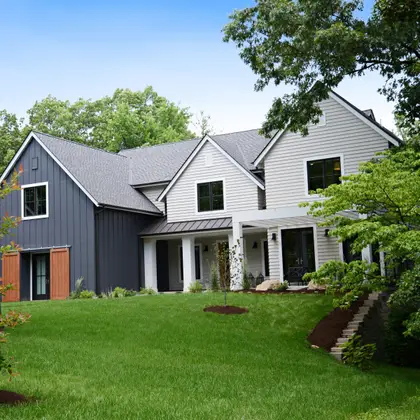
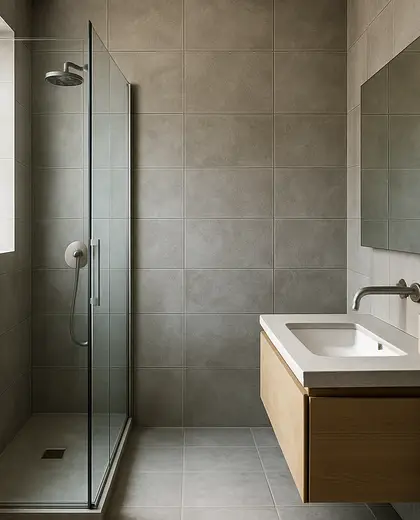
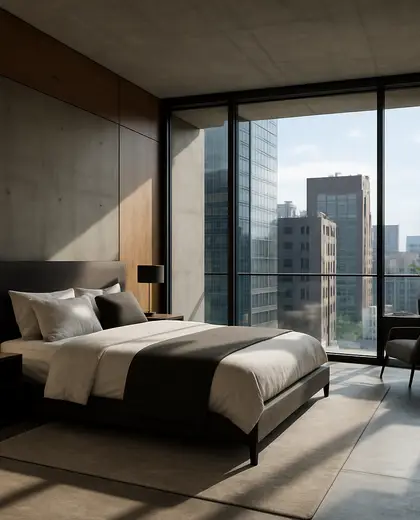
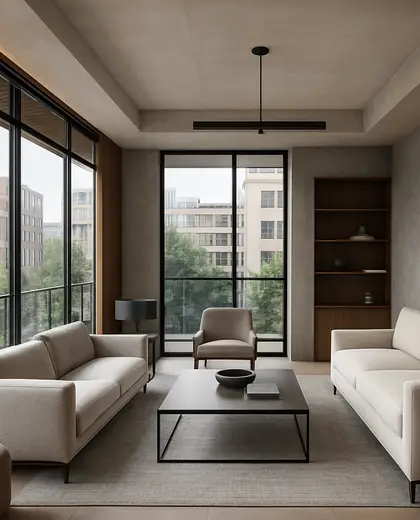
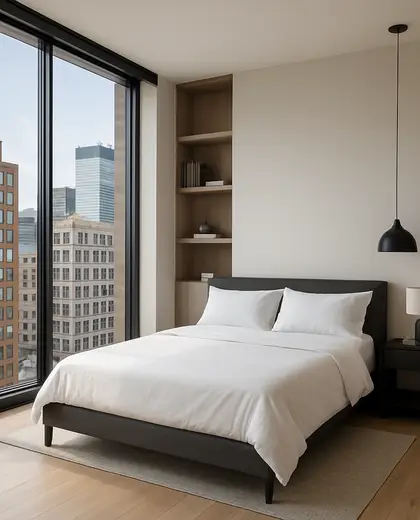
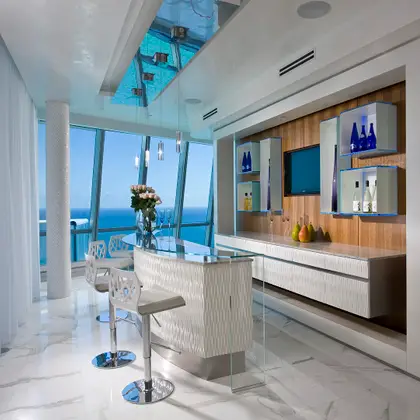
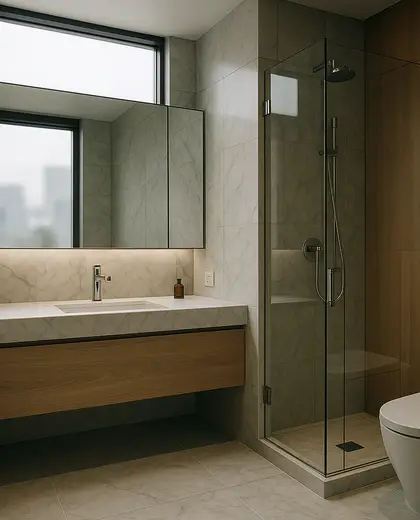
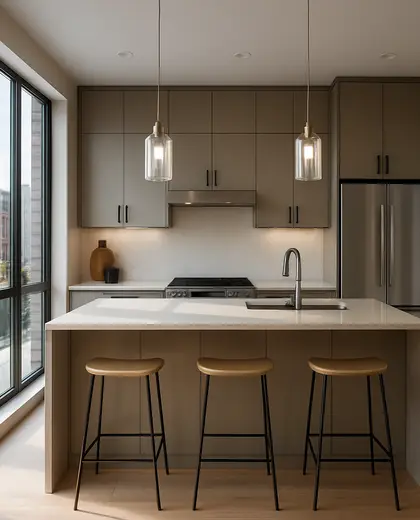
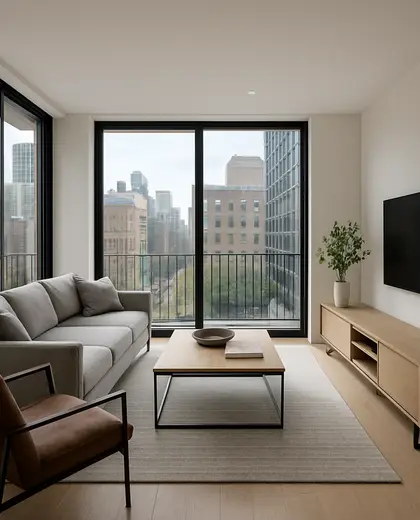
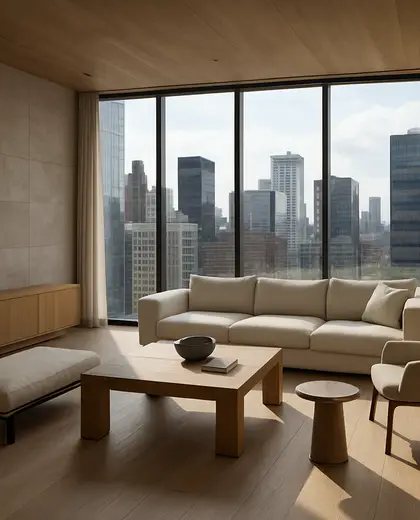
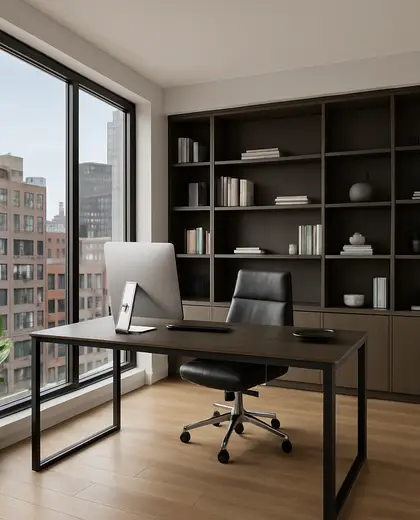
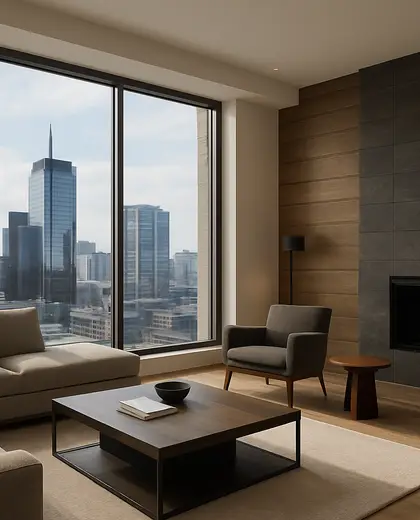
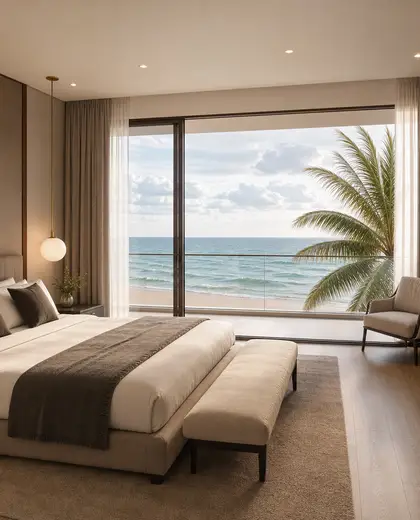
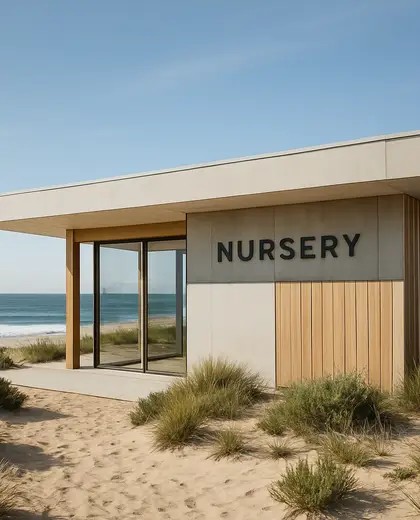
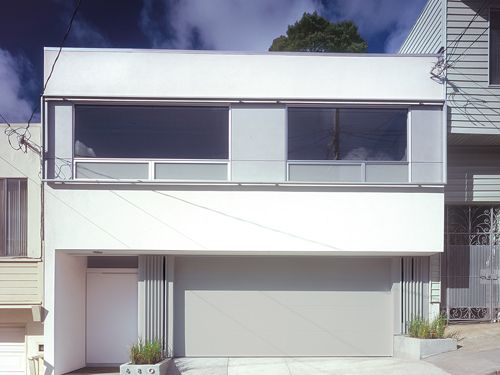
Modern composition is defined by clean lines, open volumes, and a restrained mix of materials such as concrete, glass, steel, and smooth timber. The palette is usually neutral, built from white, black, gray, and warm wood tones, with little ornament and strong emphasis on light and proportion. It often combines well with flat roofs, large windows, open-plan layouts, and minimal detailing.
- modern
— References
References to explore
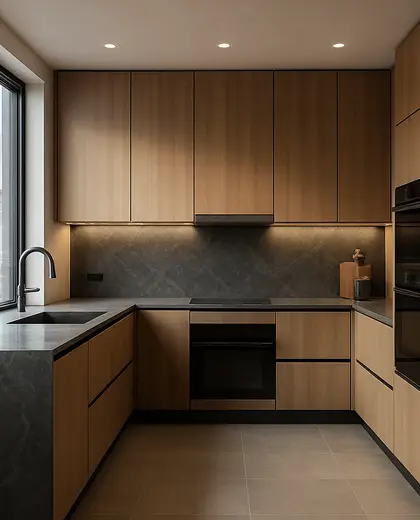
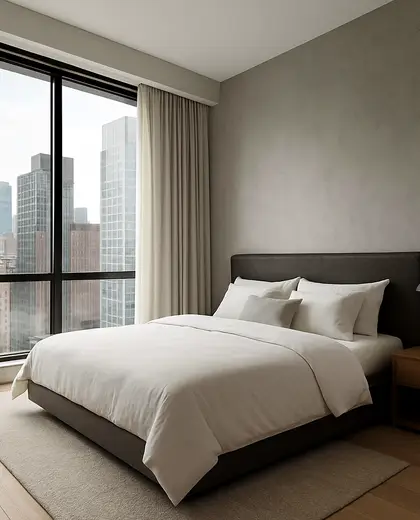
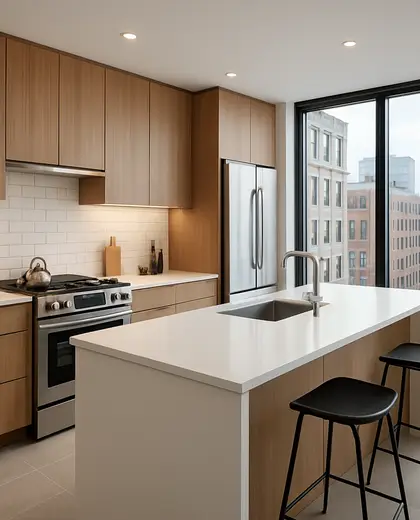
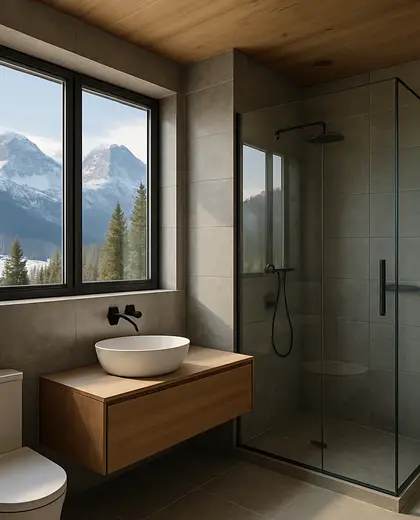
Is modern architecture the same as contemporary architecture?
Not exactly. Modern usually refers to the established clean-lined language associated with mid-20th-century design, while contemporary can change with current trends.
Does a modern composition have to be all-white?
No. White is common, but modern schemes also use gray, black, natural wood, concrete, and occasional darker accents.
Can modern design still feel warm in a home?
Yes. Warmth usually comes from wood surfaces, textured finishes, softer lighting, and careful proportions rather than ornament.
— The style
What defines it
Concrete, glass, steel, plaster, and refined wood are the most common choices.
Neutral and calm: white, gray, black, and natural wood tones, sometimes softened with stone.
Flat roofs, large openings, open-plan interiors, and simple built-in detailing.
— Professionals
Who has already built it

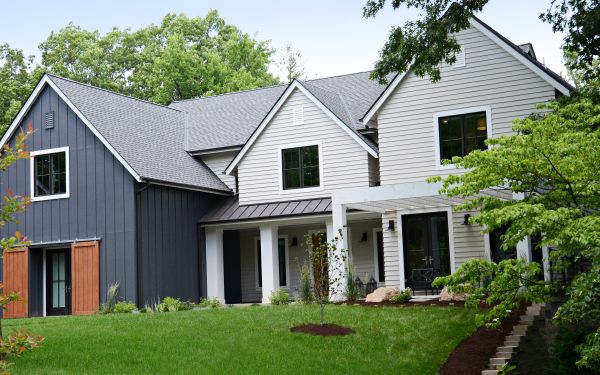

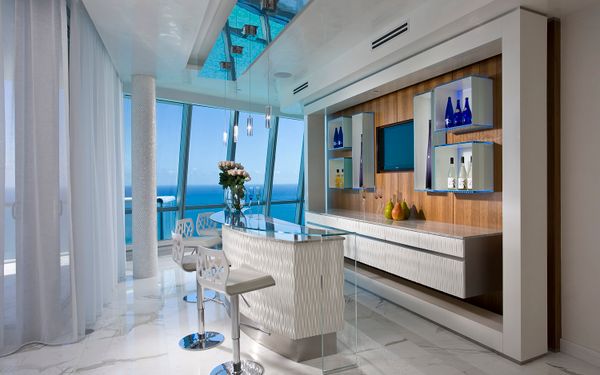

- Karavaan Homefurniture sellers · High Point · 4 projectsView profile →
- umang shaharchitects · Jersey City · 8 projectsView profile →
- jacob galleslandscape designers · 1 projectsView profile →
- interior design by emilyinterior designers · 1 projectsView profile →
— ARTICLES
Related reading
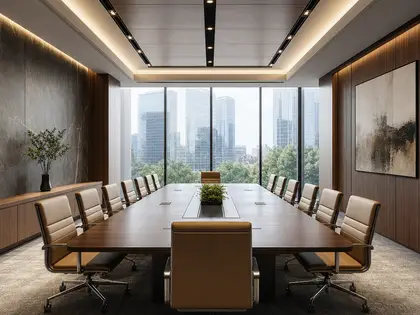
Conference Hall Renovation Costs: A Practical Budget Guide for a Modern Upgrade
A practical U.S. budget guide for renovating a conference hall, including typical cost ranges, what affects pricing, where to spend or save, and hidden expenses to plan for.
Read article →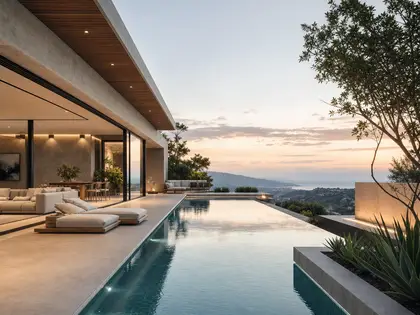
Pool Renovation Budget Guide: Real Costs, Smart Splurges, and Hidden Extras
A practical U.S. budget guide for renovating a pool, with realistic cost ranges, trade-offs, and the hidden expenses that can derail a project.
Read article →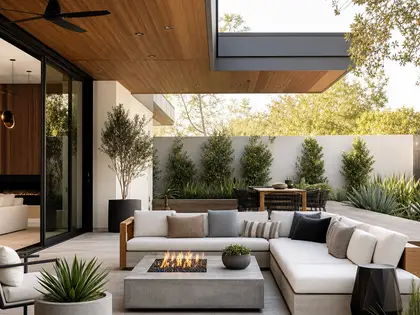
Patio planning made simple: the smart place to start
A practical planning guide for starting a patio project, from setting priorities and timing the work to knowing when to bring in a pro and what to decide before construction begins.
Read article →— Questions
Frequently asked questions
Is modern architecture the same as contemporary architecture?
Not exactly. Modern usually refers to the established clean-lined language associated with mid-20th-century design, while contemporary can change with current trends.
Does a modern composition have to be all-white?
No. White is common, but modern schemes also use gray, black, natural wood, concrete, and occasional darker accents.
Can modern design still feel warm in a home?
Yes. Warmth usually comes from wood surfaces, textured finishes, softer lighting, and careful proportions rather than ornament.