— Ideas & inspiration
A neoclassical house with enduring symmetry and calm detail
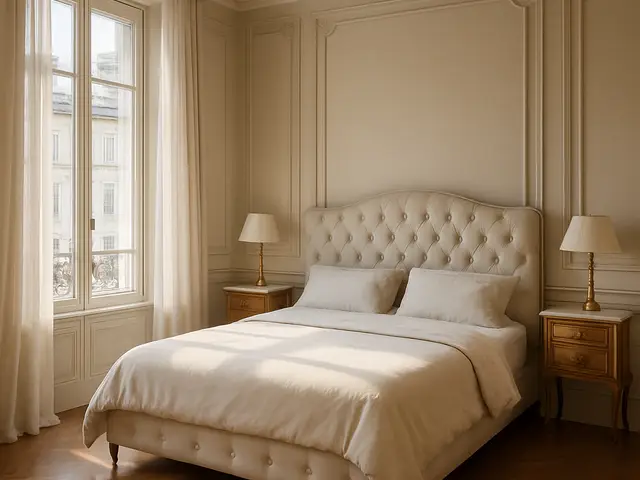
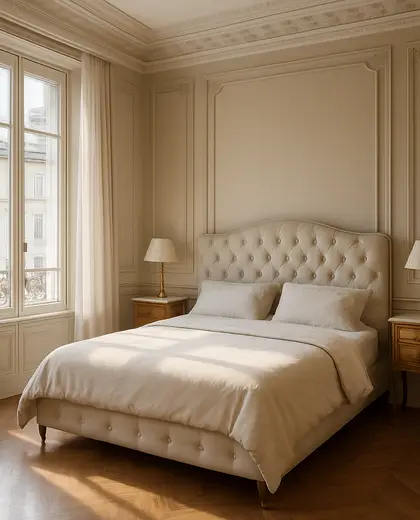
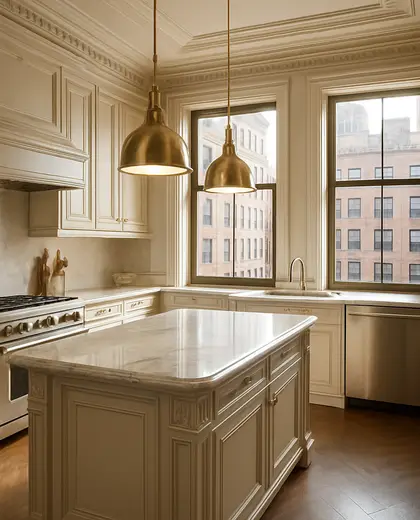
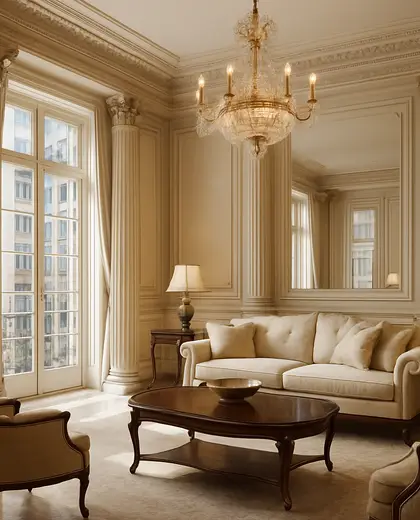
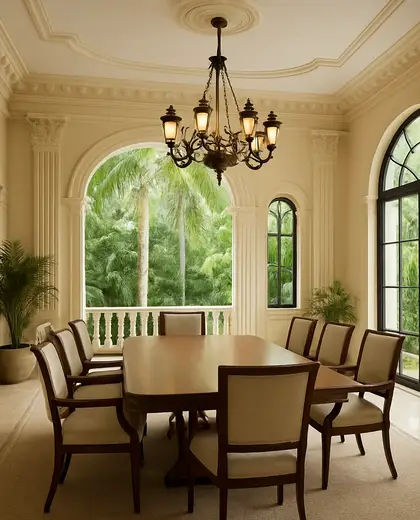
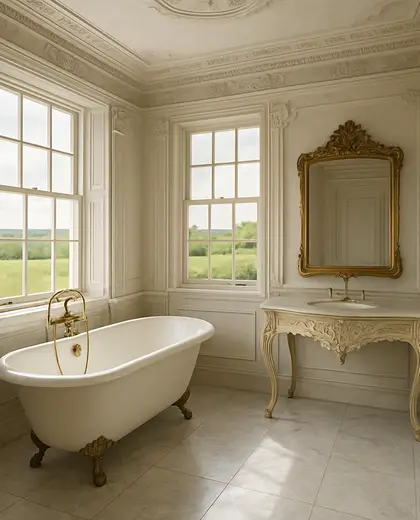
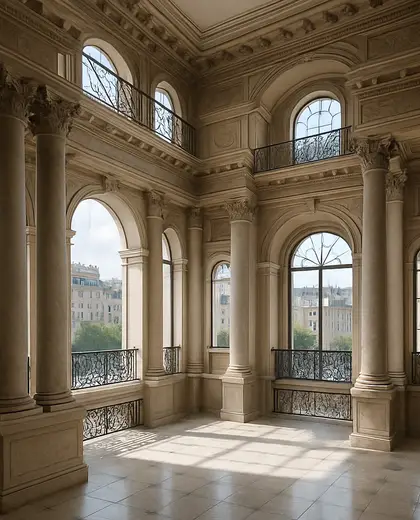
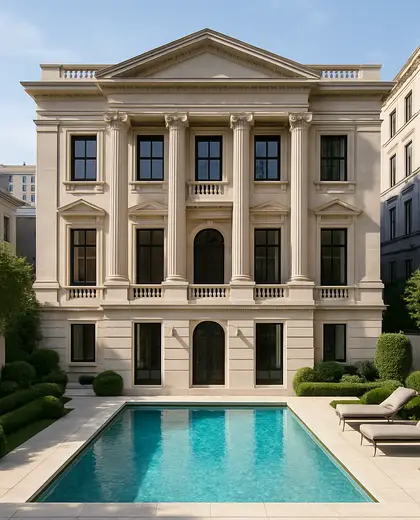
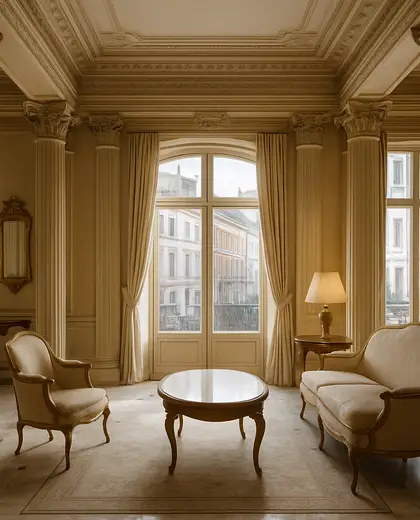
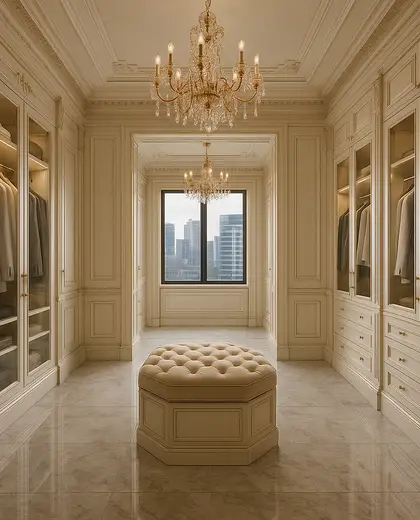
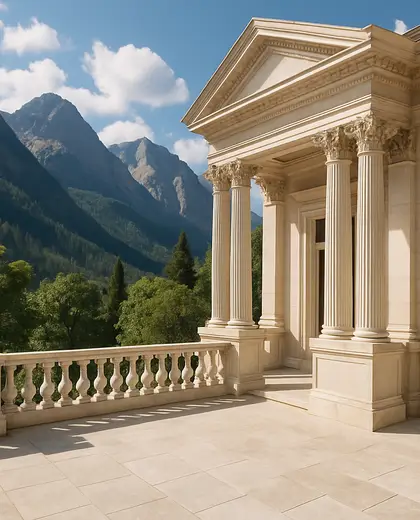
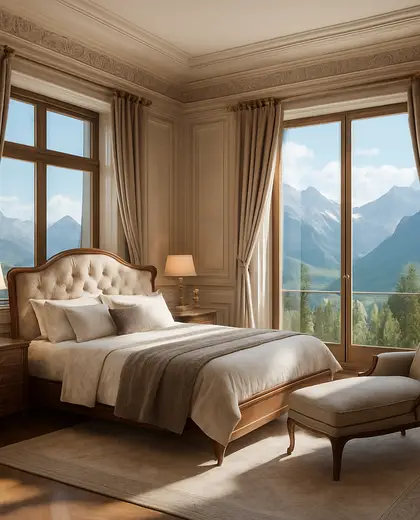
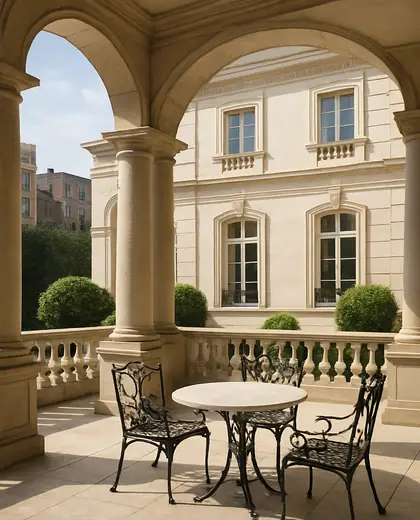
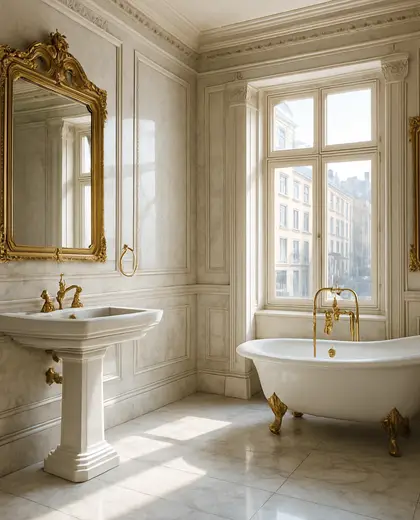
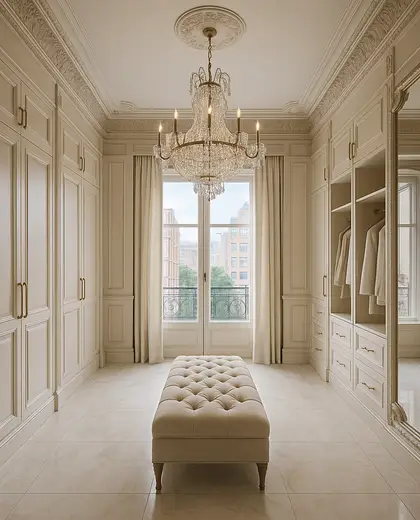
A neoclassical house is defined by balanced proportions, symmetrical facades, and classical detailing such as columns, pediments, cornices, and pilasters. It often uses stone, stucco, plaster, and painted wood, with a restrained palette of white, cream, soft gray, and muted beige. The look combines formal classical architecture with the practical layout of a modern family house.
- house
- neoclassical
— References
References to explore
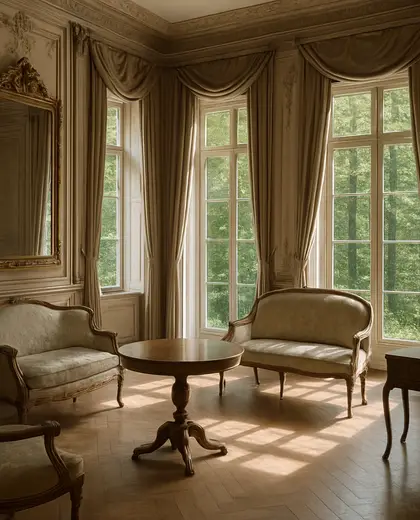
What makes a house look neoclassical?
Symmetry, a strong central entrance, classical columns or pilasters, and refined trim details are the main signs. The overall effect should feel composed and proportional rather than ornate.
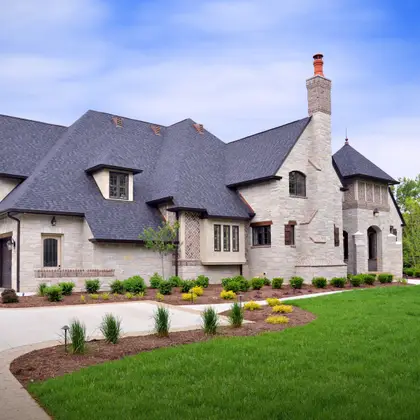
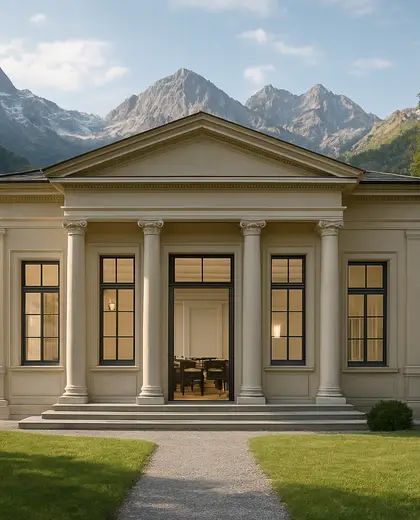
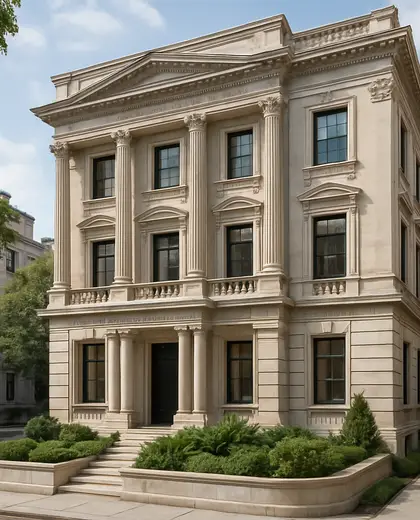
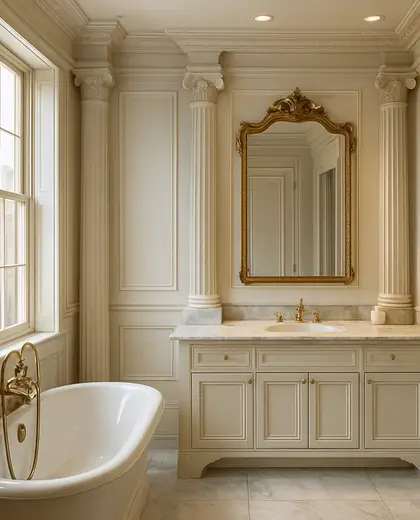
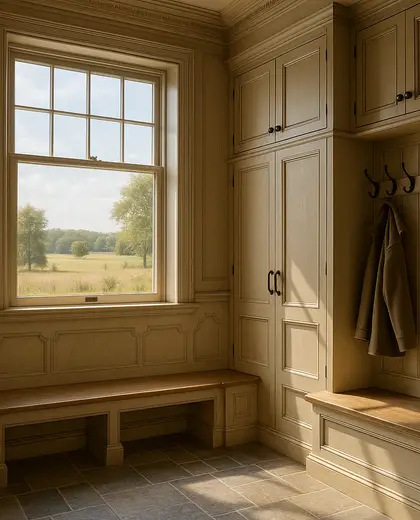
Can a neoclassical house still feel modern inside?
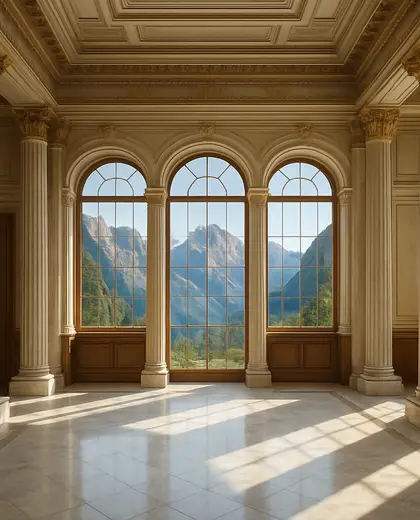
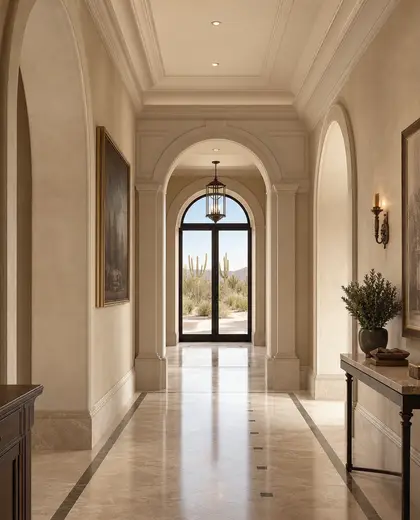
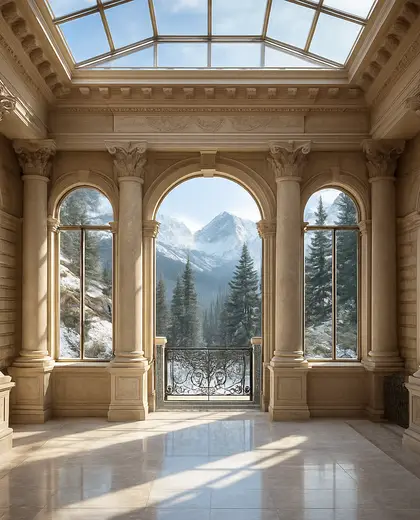
Yes. Many homes keep the exterior classical while using open layouts, larger kitchens, and simpler interior finishes. The style works best when the exterior proportions stay disciplined.
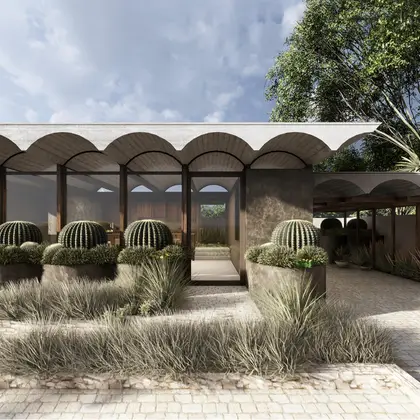
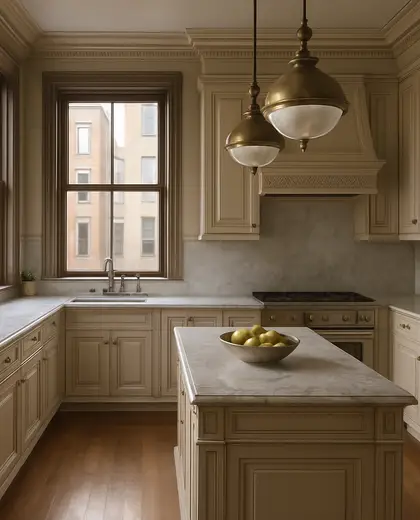
Which exterior materials suit this style best?
Stucco, painted masonry, stone, and detailed woodwork are common choices. The best material mix depends on climate, budget, and how much maintenance you want to accept.

— The style
What defines it
Stone, stucco, plaster moldings, painted wood, and sometimes metal accents for railings or lanterns.
White, ivory, cream, pale gray, taupe, and other soft neutrals with limited contrast.
A modern house plan, formal entry composition, tall windows, and classical trim details.
— Professionals
Who has already built it
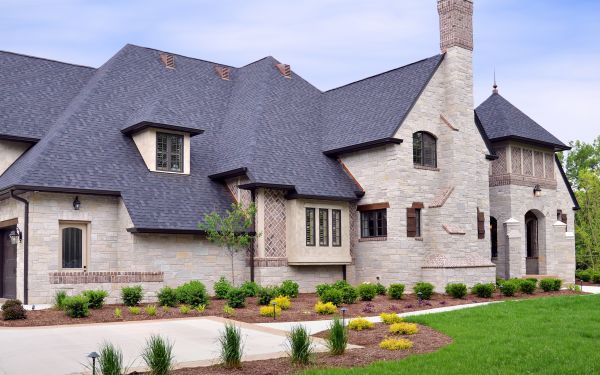

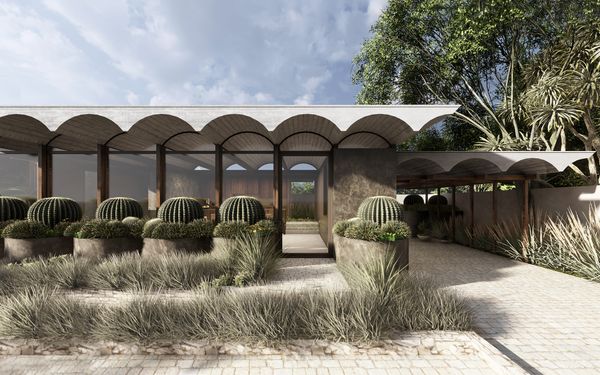

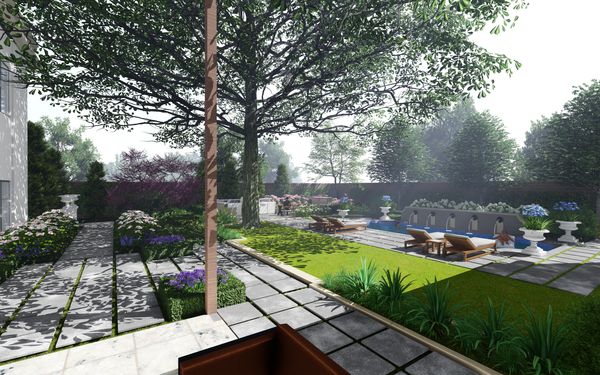

- annilee b watermanarchitects · Wylie · 5 projectsView profile →
- Karavaan Homefurniture sellers · High Point · 4 projectsView profile →
- roland a arriaga architecarchitects · 1 projectsView profile →
— Explore
Keep exploring
— Questions
Frequently asked questions
What makes a house look neoclassical?
Symmetry, a strong central entrance, classical columns or pilasters, and refined trim details are the main signs. The overall effect should feel composed and proportional rather than ornate.
Can a neoclassical house still feel modern inside?
Yes. Many homes keep the exterior classical while using open layouts, larger kitchens, and simpler interior finishes. The style works best when the exterior proportions stay disciplined.
Which exterior materials suit this style best?
Stucco, painted masonry, stone, and detailed woodwork are common choices. The best material mix depends on climate, budget, and how much maintenance you want to accept.