— Ideas & inspiration
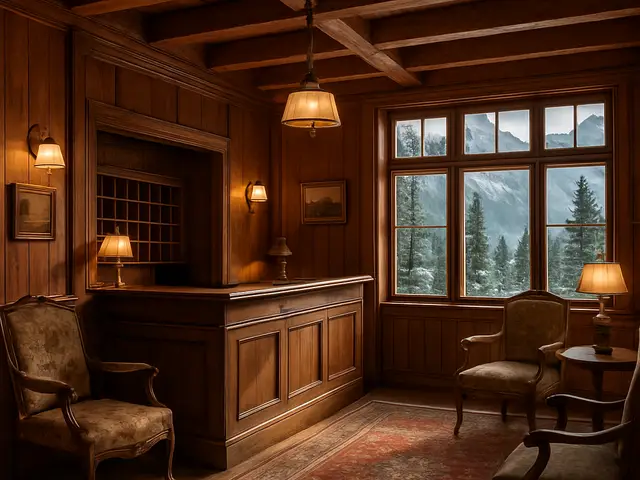
Alpine House in a crisp mountain setting
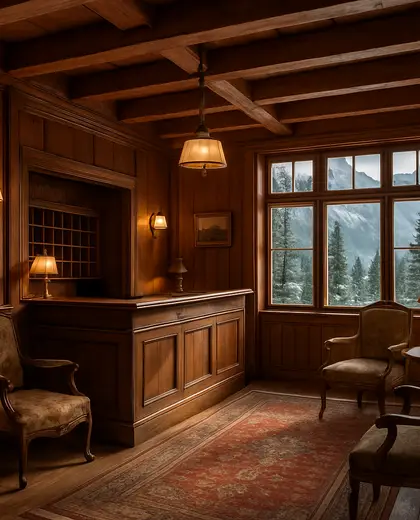
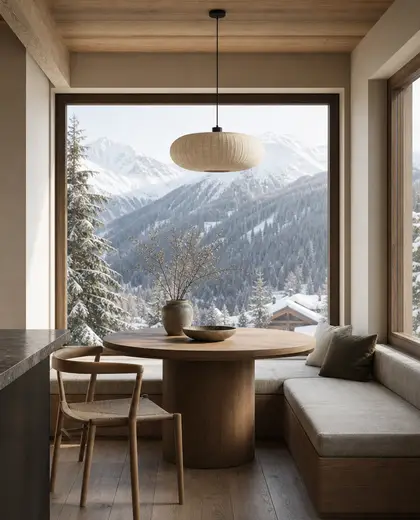
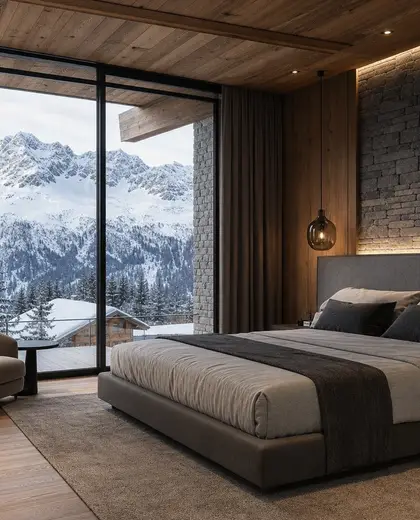
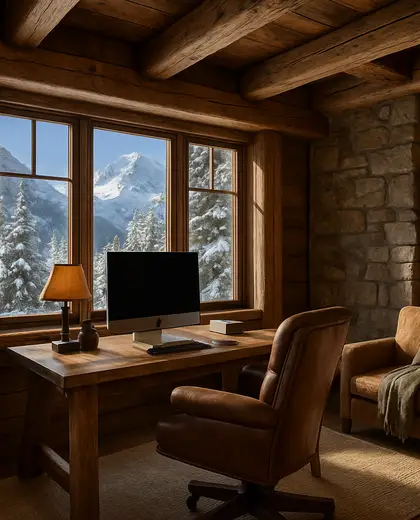
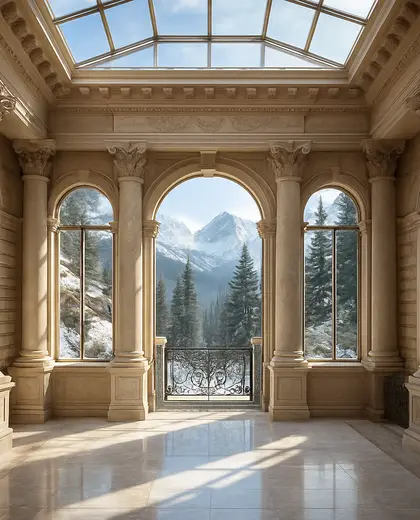
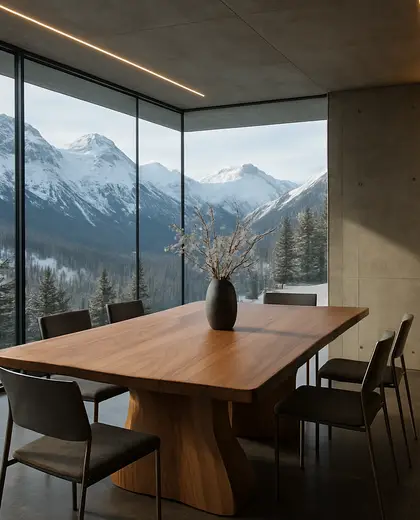
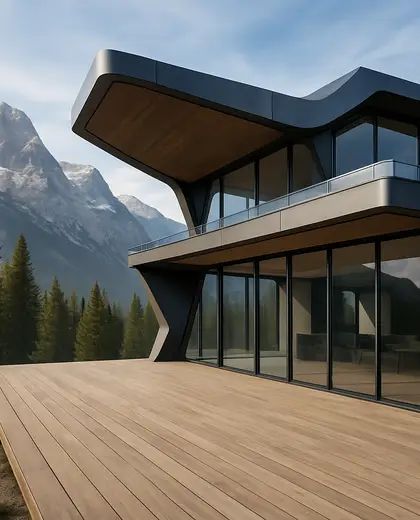
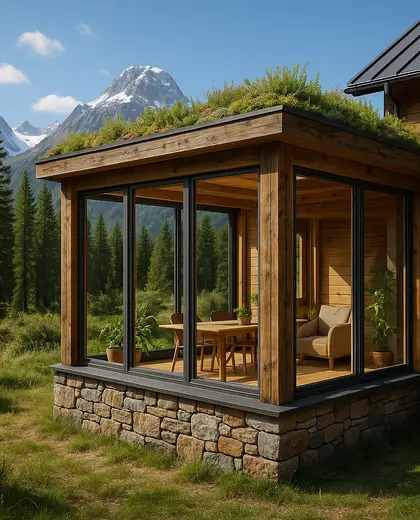
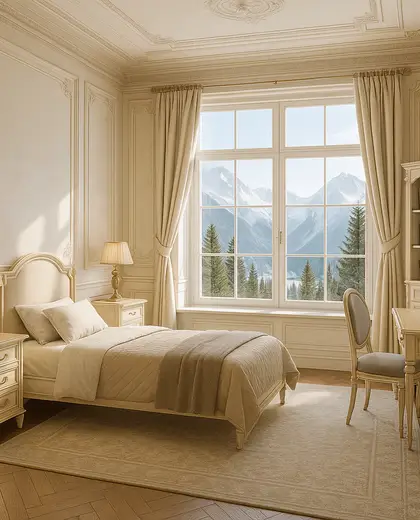
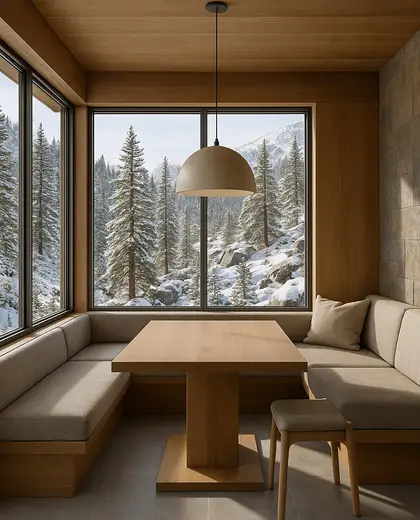
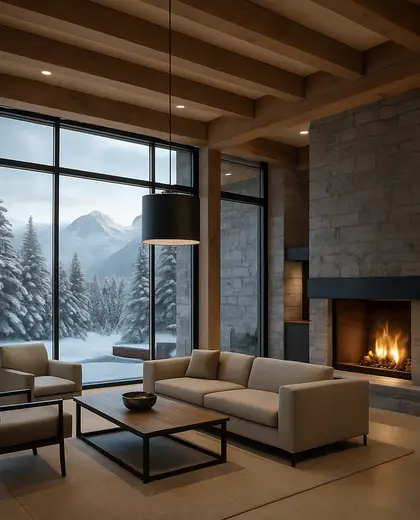
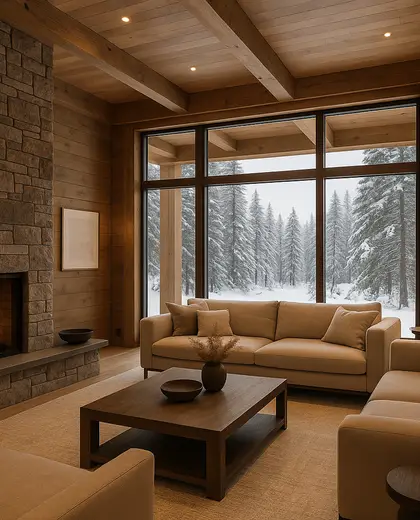
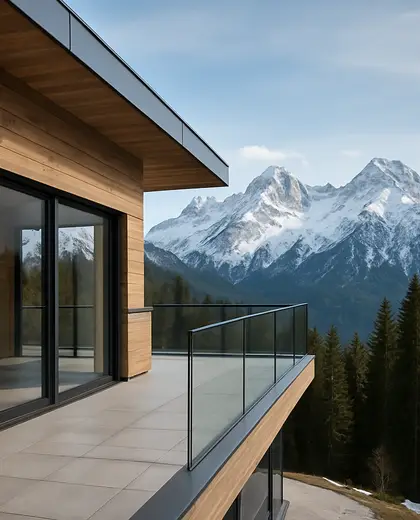
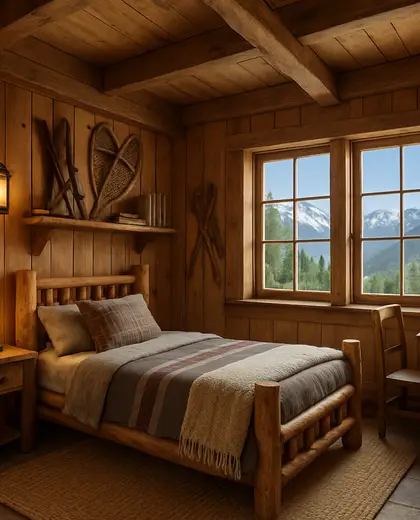
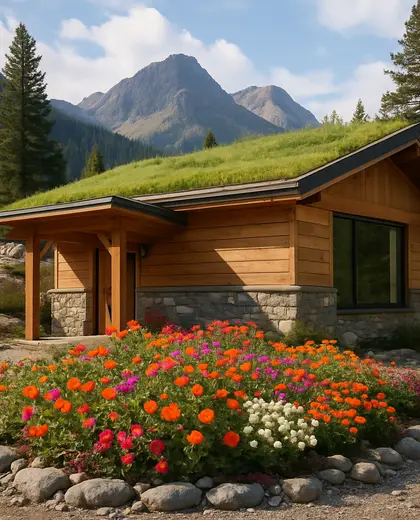
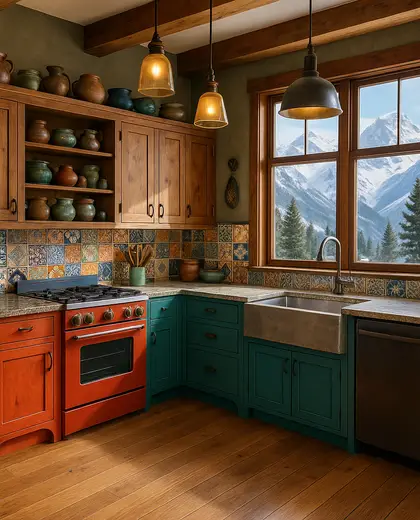
An alpine house is defined by compact volumes, steep roofs, deep eaves, and materials that handle snow, wind, and cold well. Timber, stone, dark metal, and large glazed openings are common, with a palette drawn from weathered wood, charcoal, grey, and muted earth tones. The composition blends a sheltered mountain shelter feel with clear, contemporary residential planning.
- house
- alpine
— References
References to explore
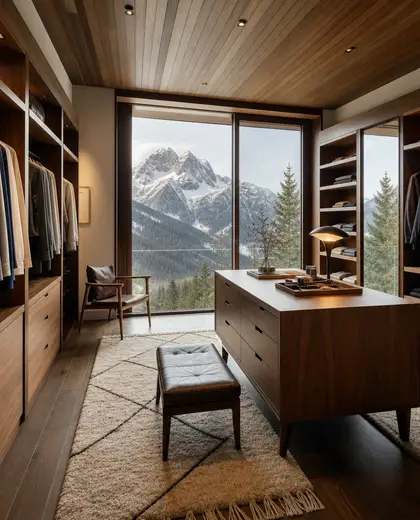
What makes a house feel alpine rather than just rustic?
An alpine house usually has a sharper response to climate: steeper roofs, stronger overhangs, and more robust exterior materials. It can look modern or traditional, but it still feels built for snow, cold, and mountain weather.
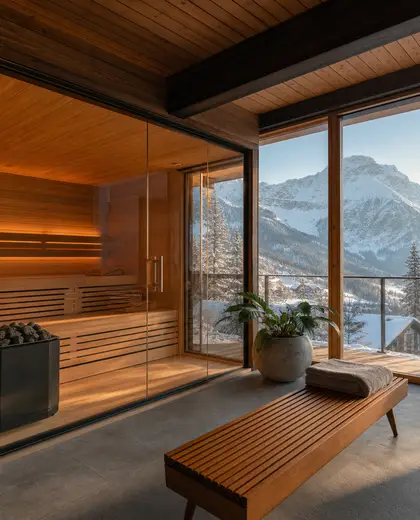
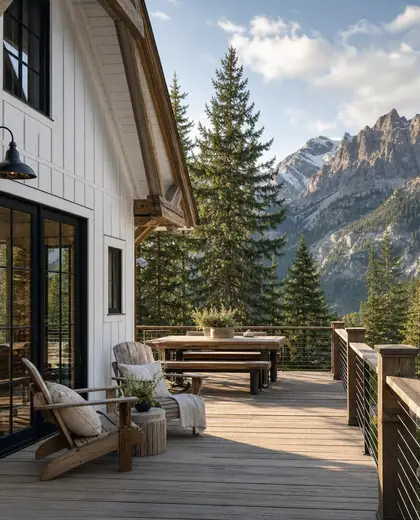
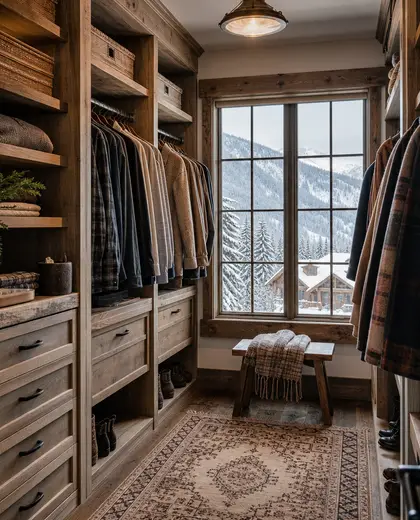
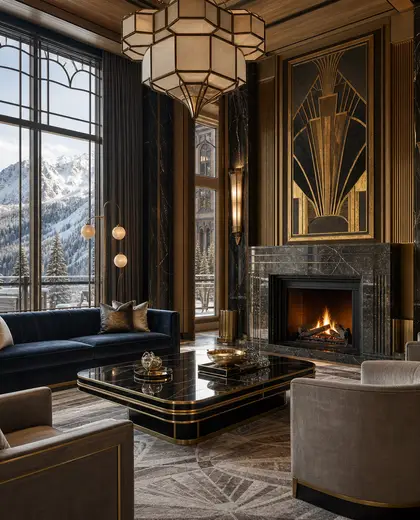
Can an alpine house be contemporary?
Yes. Contemporary versions often simplify the roofline, reduce ornament, and use larger glazing, while keeping the same climate-driven proportions and durable material palette.
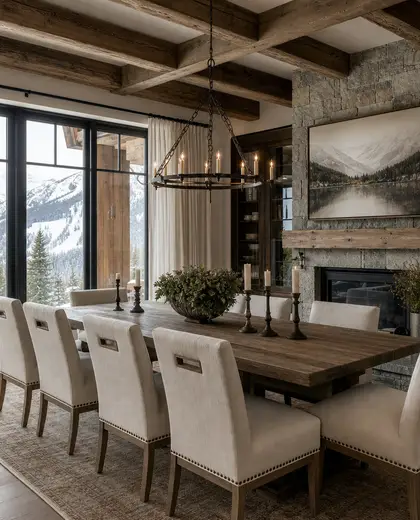
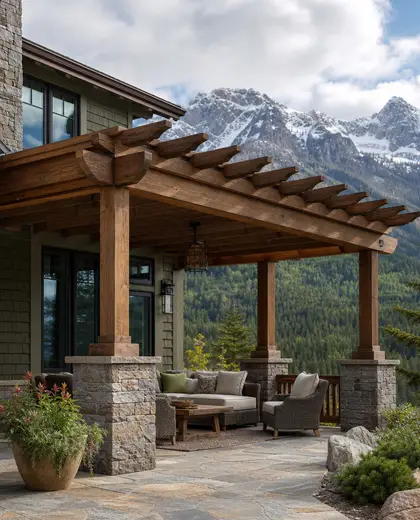
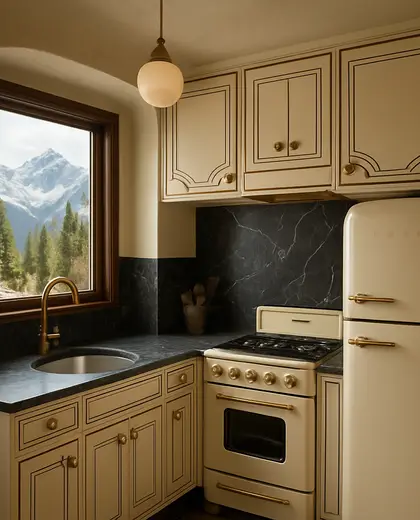
What should I consider for a house in an alpine climate?
Prioritize snow shedding, insulation, protected entrances, and materials that age well in wet and freezing conditions. Window placement and orientation also matter for light, views, and heat gain.
— The style
What defines it
Timber cladding, local stone, standing-seam metal, and high-performance glass.
Weathered wood tones, slate grey, charcoal, off-white, and subdued natural browns.
Mountain cabins, chalet forms, compact modern houses, and landscape-oriented design.
— Professionals
Who has already built it
- robert srotearchitects · 8 projectsView profile →
- pfuner designinterior designers · 11 projectsView profile →
- Karavaan Homefurniture sellers · High Point · 4 projectsView profile →
- jacob galleslandscape designers · 6 projectsView profile →
— Explore
Keep exploring
— Questions
Frequently asked questions
What makes a house feel alpine rather than just rustic?
An alpine house usually has a sharper response to climate: steeper roofs, stronger overhangs, and more robust exterior materials. It can look modern or traditional, but it still feels built for snow, cold, and mountain weather.
Can an alpine house be contemporary?
Yes. Contemporary versions often simplify the roofline, reduce ornament, and use larger glazing, while keeping the same climate-driven proportions and durable material palette.
What should I consider for a house in an alpine climate?
Prioritize snow shedding, insulation, protected entrances, and materials that age well in wet and freezing conditions. Window placement and orientation also matter for light, views, and heat gain.