— Blog · October 29, 2026 · 2 min read
From Timber Craft to Museum Landscapes: Three Projects Redefining Architectural Expression
These three projects explore architecture as both material experiment and cultural framing—from a charred-wood home to a refined archaeology museum and a sculptural ruin. Together, they reveal how design can balance craft, context, and concept in strikingly different ways.
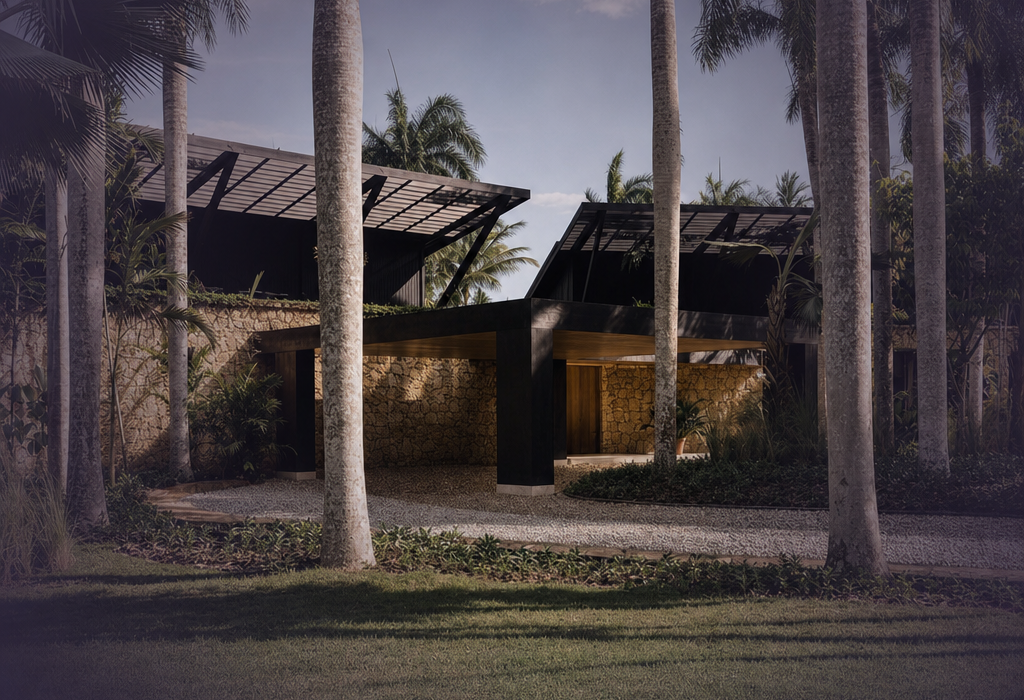
Yakisugi House by Estudio Mazara: Craft, Climate, and Charred Wood
Yakisugi House turns a traditional Japanese wood-preservation method into a contemporary architectural statement. By using the dark, textured surface of charred timber, Estudio Mazara creates a home that feels both elemental and carefully composed, while also emphasizing durability, low-maintenance performance, and a strong relationship to material honesty. For architects, the project is a reminder that vernacular techniques can be reinterpreted in ways that feel fresh, environmentally aware, and visually powerful.
MIAA – Iberian Museum of Archaeology and Art by Carrilho da Graça Arquitectos: A Cultural Landmark in Dialogue with Place
The Iberian Museum of Archaeology and Art presents a measured and civic-minded approach to institutional design. Carrilho da Graça Arquitectos shapes the museum as a place where collections, public space, and the identity of the site are closely intertwined, using architecture to support both exhibition and reflection. The project stands out for its restraint and precision, offering architects an example of how a museum can feel timeless without becoming generic, and how massing, light, and circulation can elevate cultural experience.
A Geometric Ruin by 00L: Fragment, Form, and Architectural Memory
A Geometric Ruin investigates the beauty of incompletion through a composition that feels at once abstract and archaeological. 00L uses geometry and material presence to suggest a structure caught between construction and decay, transforming the idea of ruin into a deliberate architectural language. For designers, the project opens up questions about permanence, interpretation, and how contemporary architecture can engage with history not by imitation, but through atmosphere, proportion, and symbolic form.
Join the Archsplace Community
Architects and design professionals looking to share their work, expand their network, and stay connected to the latest ideas in the field are invited to join the Archsplace community. Build your presence and connect with a wider audience through Create your architect profile on Archsplace.