— Ideas & inspiration
Rooftop gardens in the desert
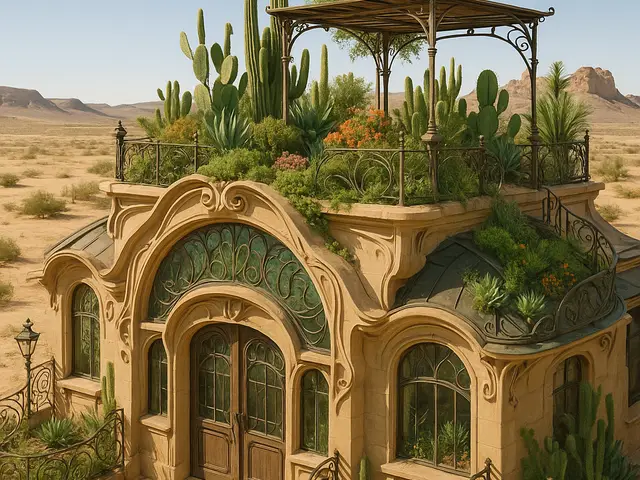
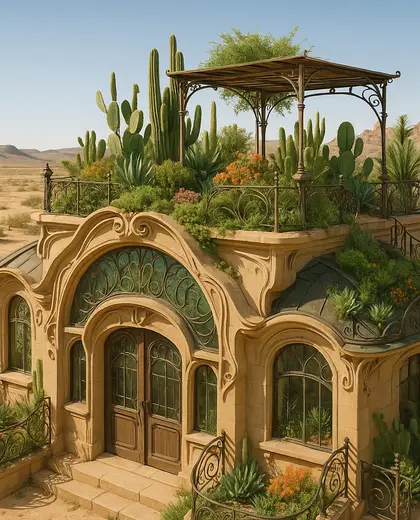
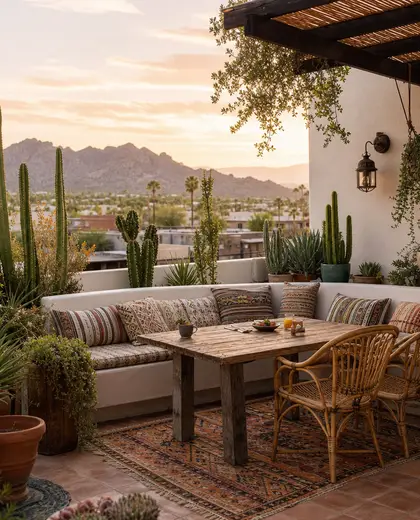
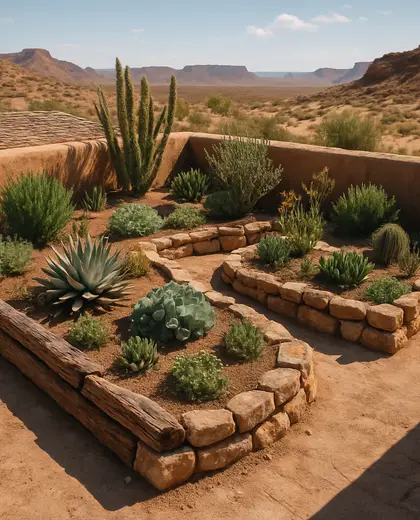
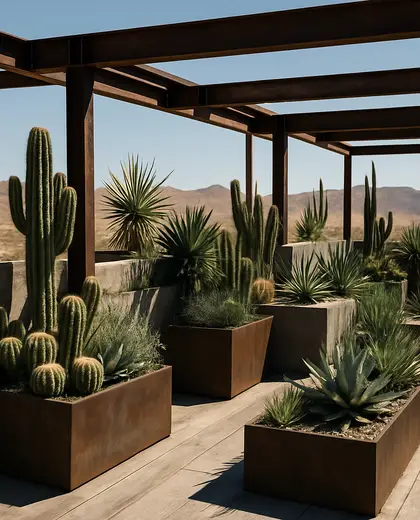
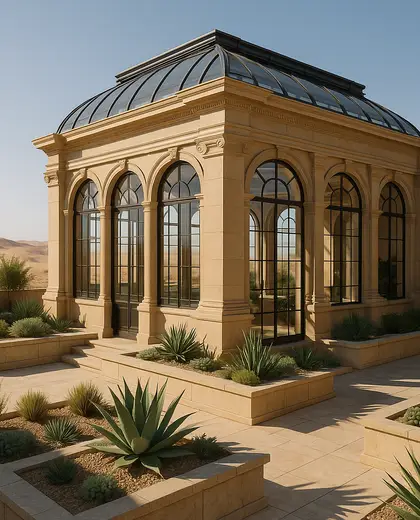
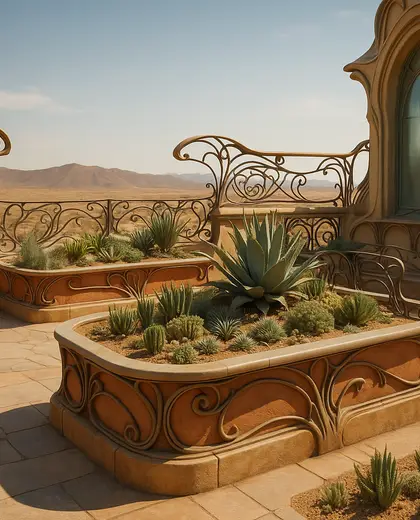
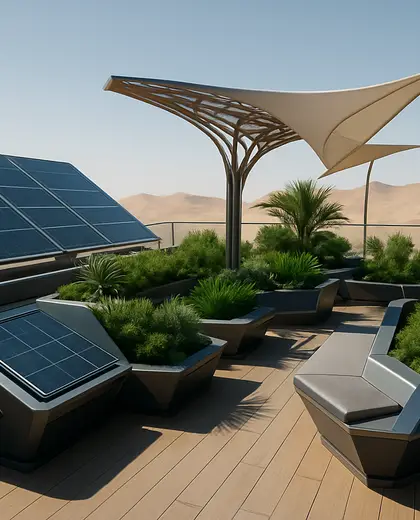
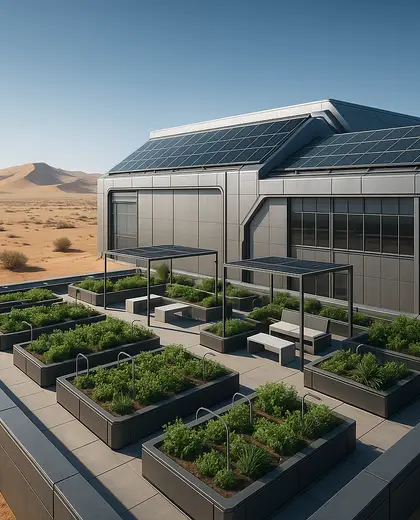
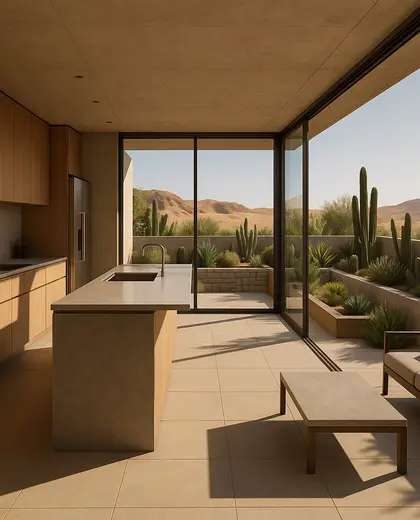
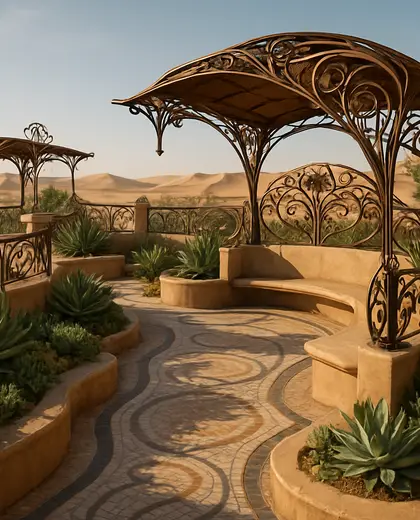
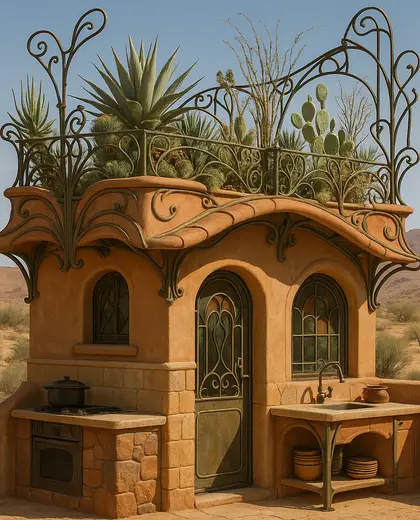
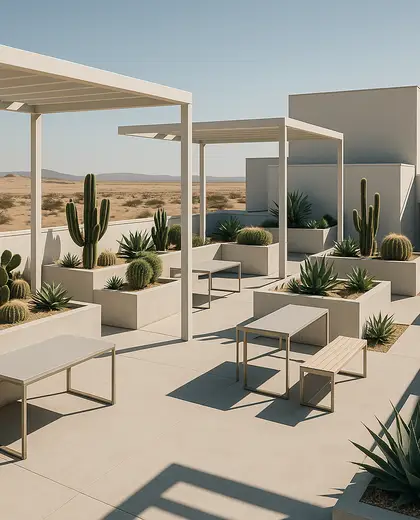
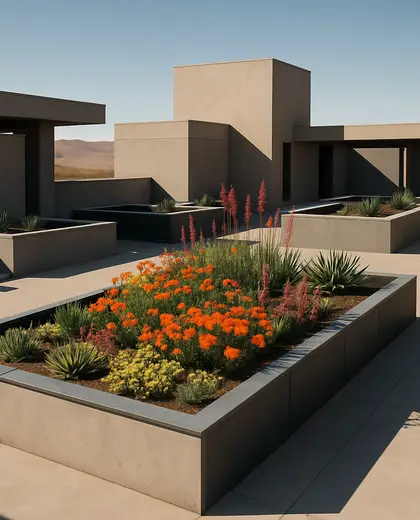
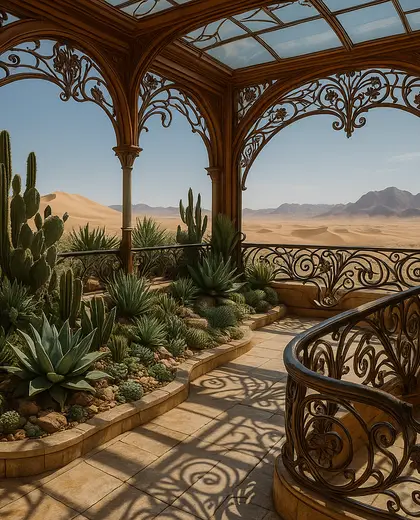
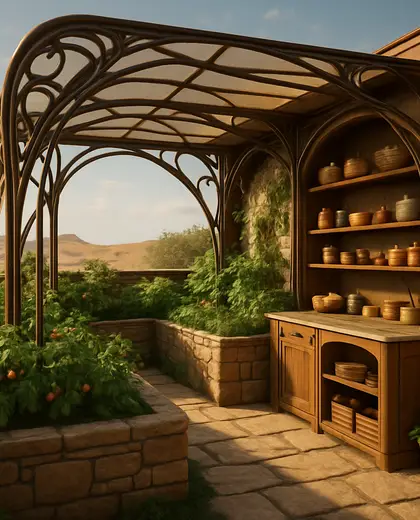
This composition is defined by drought-tolerant planting, heat-resistant paving, and lightweight construction suited to an elevated roof. Stone, gravel, textured plaster, and weathering steel often anchor the palette, while shade structures, planters, and efficient irrigation keep the space viable in arid conditions.
- rooftop garden
- desert
— References
References to explore
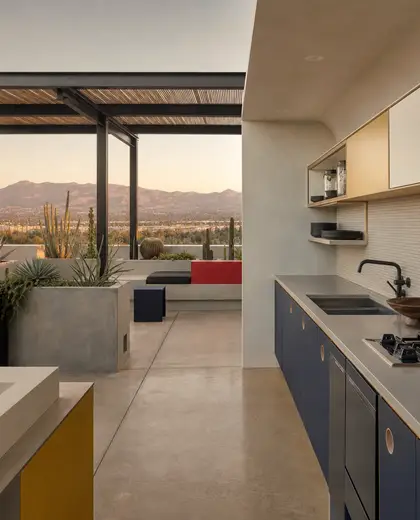
Will a rooftop garden work in a hot, dry climate?
Yes, if the roof structure can support it and the planting palette is chosen for heat and low water use. Shade, wind protection, and proper waterproofing are essential.
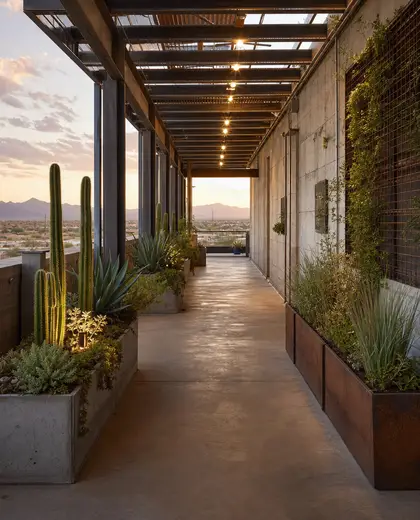
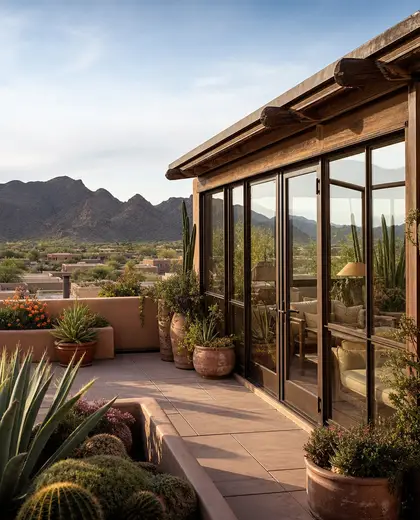
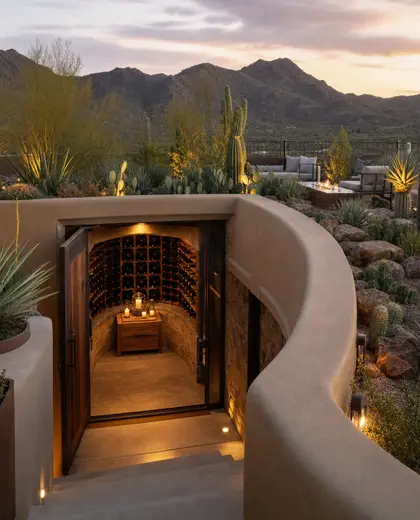
What plants suit a desert rooftop garden?
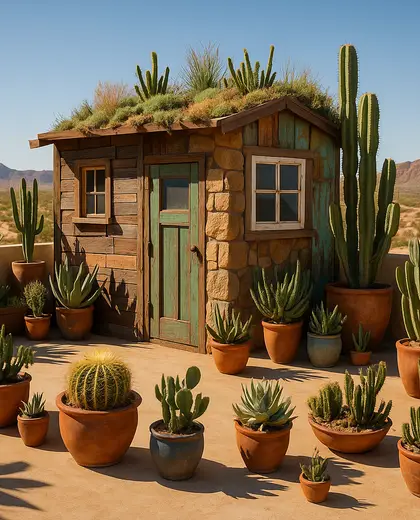
Succulents, agave, aloe, cacti, rosemary, lavender, and drought-tolerant native grasses are common choices. The best selection depends on sun exposure and local climate.
What should I consider before building one?
Check structural capacity, drainage, waterproofing, irrigation access, and wind exposure. These factors matter more than decor in a rooftop setting.
— The style
What defines it
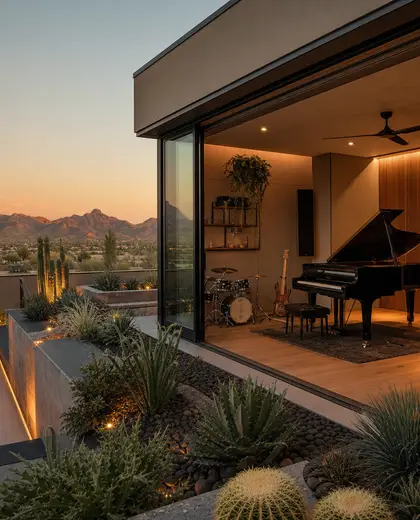
Lightweight planters, stone or concrete pavers, gravel, weathering steel, and reflective or mineral-based finishes
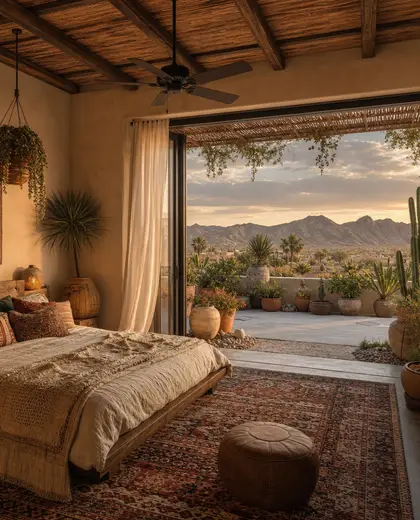
Sand, terracotta, clay, muted green, sun-bleached beige, and gray tones with low-glare surfaces
Succulents, cacti, native grasses, pergolas, seating nooks, and water-wise irrigation systems
— Professionals
Who has already built it
- pfuner designinterior designers · 11 projectsView profile →
- annilee b watermanarchitects · Wylie · 6 projectsView profile →
- Karavaan Homefurniture sellers · High Point · 4 projectsView profile →
- jacob galleslandscape designers · 6 projectsView profile →
— Explore
Keep exploring
— Questions
Frequently asked questions
Will a rooftop garden work in a hot, dry climate?
Yes, if the roof structure can support it and the planting palette is chosen for heat and low water use. Shade, wind protection, and proper waterproofing are essential.
What plants suit a desert rooftop garden?
Succulents, agave, aloe, cacti, rosemary, lavender, and drought-tolerant native grasses are common choices. The best selection depends on sun exposure and local climate.
What should I consider before building one?
Check structural capacity, drainage, waterproofing, irrigation access, and wind exposure. These factors matter more than decor in a rooftop setting.