— Ideas & inspiration
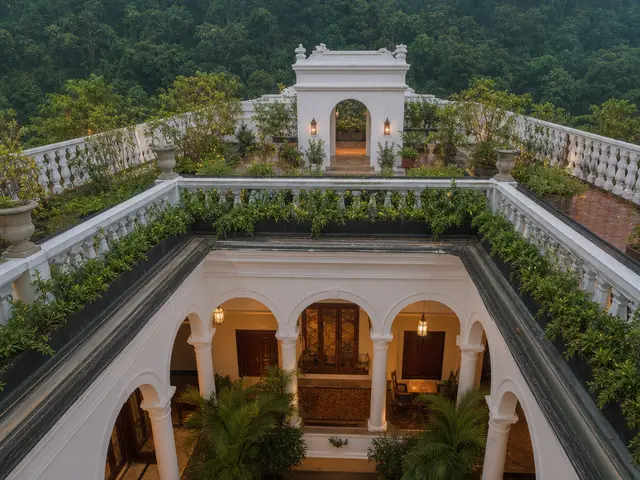
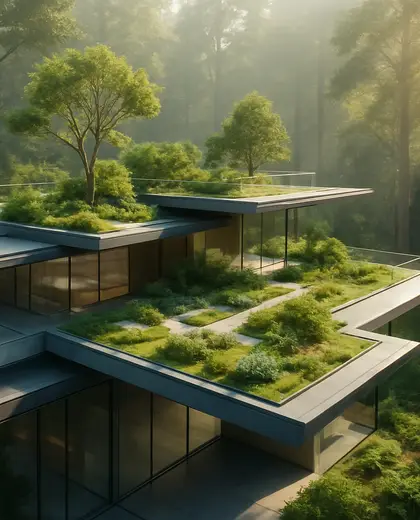
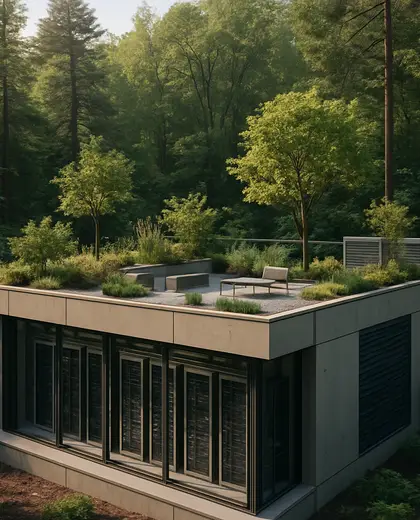
A forest above the skyline
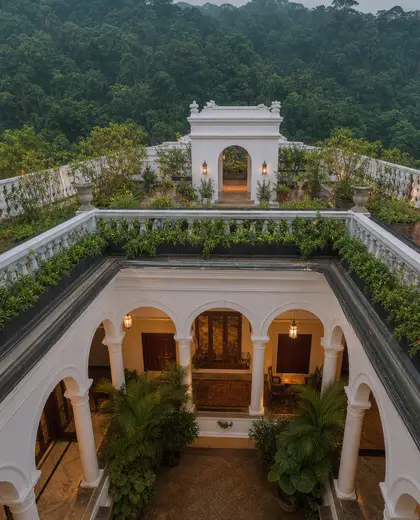
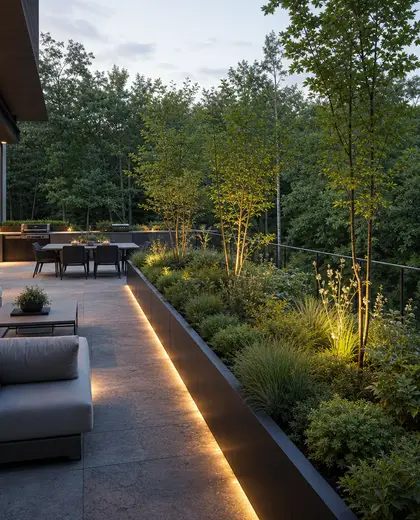
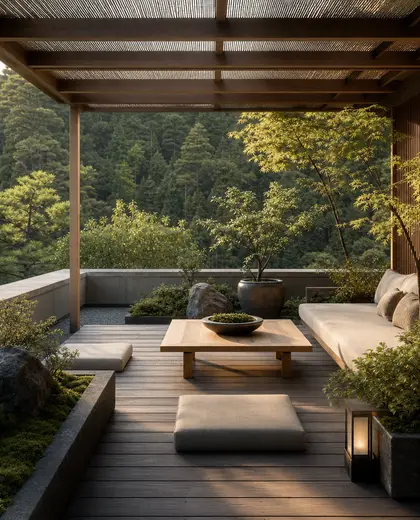
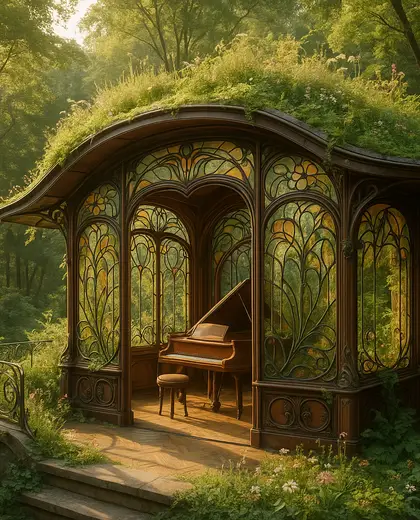
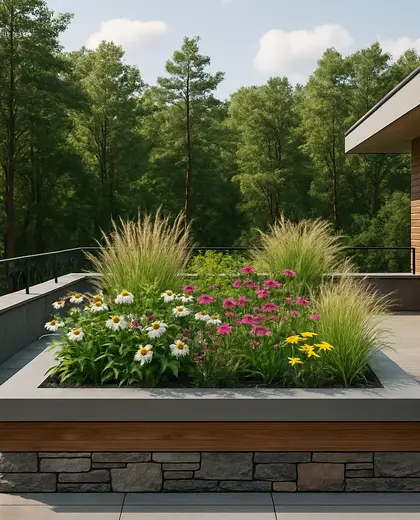
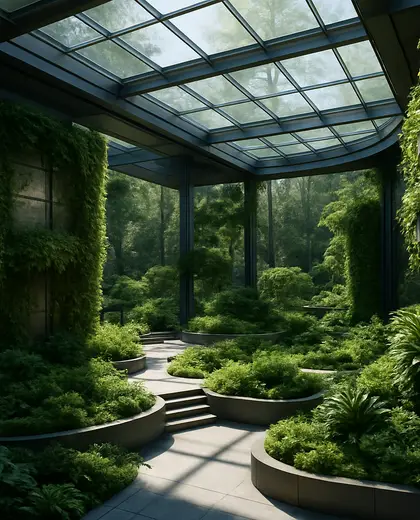
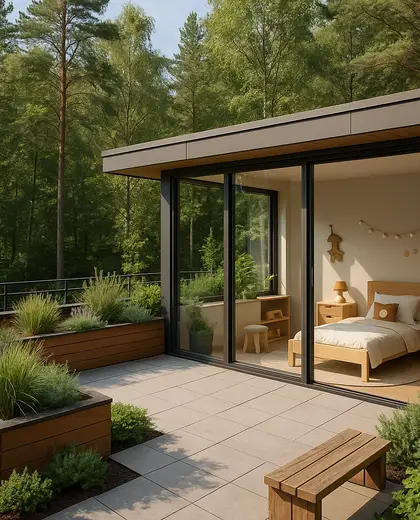
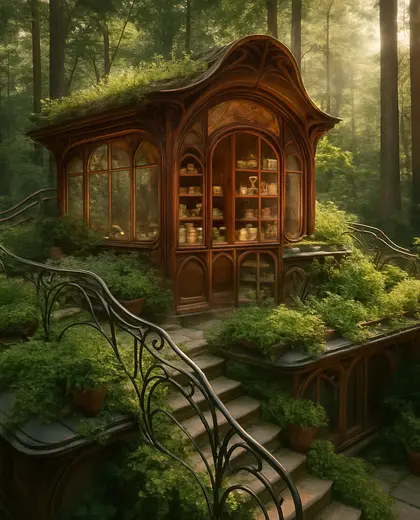
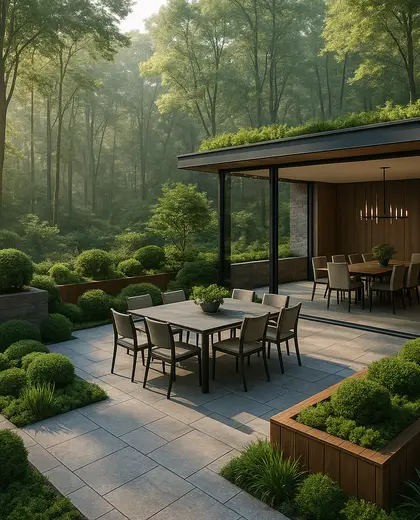
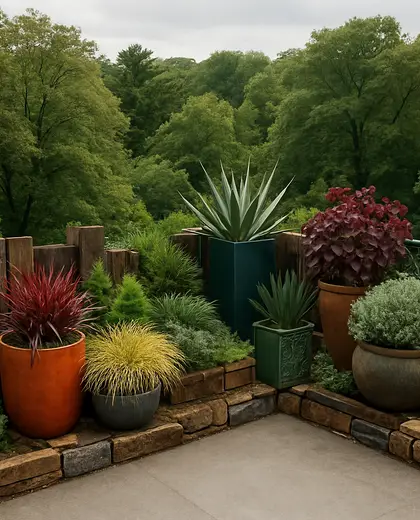
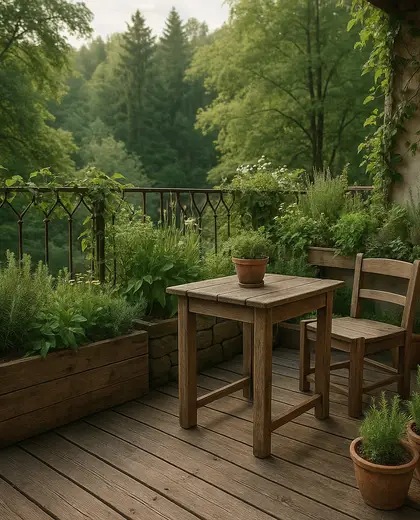
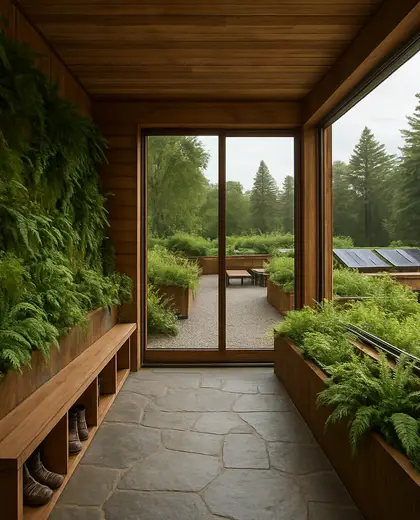
This composition pairs a planted rooftop with a woodland mood, using layered trees, shrubs, and groundcover to create a dense green canopy overhead. Materials usually include structural planters, gravel paths, timber decking, steel edging, and a waterproofed roof build-up beneath the planting. The palette stays natural and muted: deep greens, brown bark, stone gray, and weathered wood.
- rooftop garden
- forest
— References
References to explore
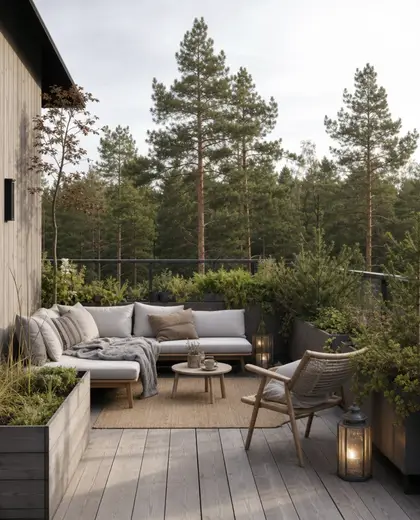
Can a rooftop really support a forest-like planting scheme?
Yes, if the roof structure is engineered for the added load and the planting is selected to stay within those limits. Most projects use lightweight soil mixes, smaller trees, and carefully planned drainage.
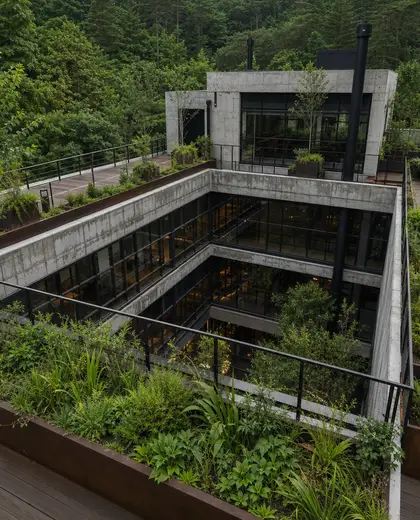
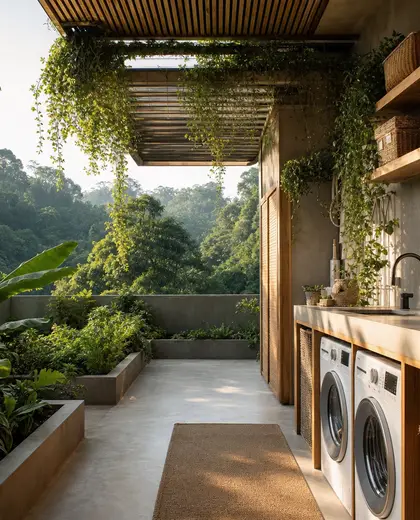
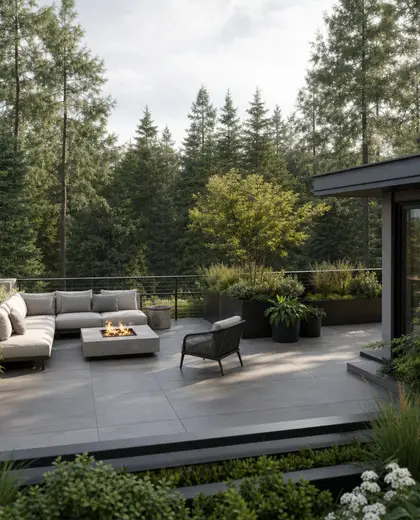
What plants work best for this look?
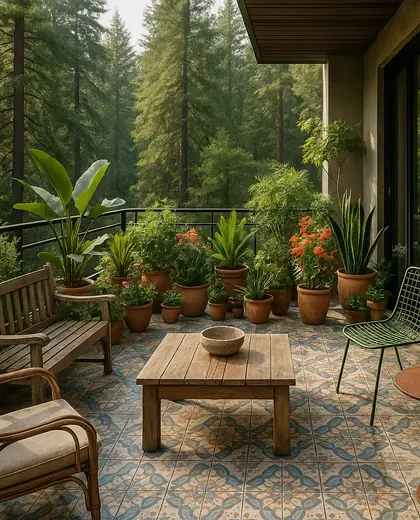
Trees with restrained root systems, multi-stem shrubs, ornamental grasses, ferns, and shade-tolerant groundcovers are common. The exact mix depends on sun, wind exposure, and roof depth.
Does this style need a lot of maintenance?
It needs regular care, especially for irrigation, pruning, and checking drainage. A more naturalistic planting can look relaxed, but it still benefits from ongoing upkeep to stay healthy on a roof.
— The style
What defines it
Waterproof membrane, root barrier, lightweight soil, planters, gravel, timber, steel edging, and weather-resistant drainage layers.
Deep green foliage, moss tones, bark brown, stone gray, and soft wood hues with minimal bright color.
Rooftop terraces, urban views, shade planting, and a forest-like planting structure with layered heights.
— Professionals
Who has already built it
- jeffry kocharchitects · Rose Hill · 6 projectsView profile →
- Karavaan Homefurniture sellers · High Point · 4 projectsView profile →
- jacob galleslandscape designers · 6 projectsView profile →
- pfuner designinterior designers · 11 projectsView profile →
— Explore
Keep exploring
— Questions
Frequently asked questions
Can a rooftop really support a forest-like planting scheme?
Yes, if the roof structure is engineered for the added load and the planting is selected to stay within those limits. Most projects use lightweight soil mixes, smaller trees, and carefully planned drainage.
What plants work best for this look?
Trees with restrained root systems, multi-stem shrubs, ornamental grasses, ferns, and shade-tolerant groundcovers are common. The exact mix depends on sun, wind exposure, and roof depth.
Does this style need a lot of maintenance?
It needs regular care, especially for irrigation, pruning, and checking drainage. A more naturalistic planting can look relaxed, but it still benefits from ongoing upkeep to stay healthy on a roof.