— Ideas & inspiration
A home shaped by sustainable living
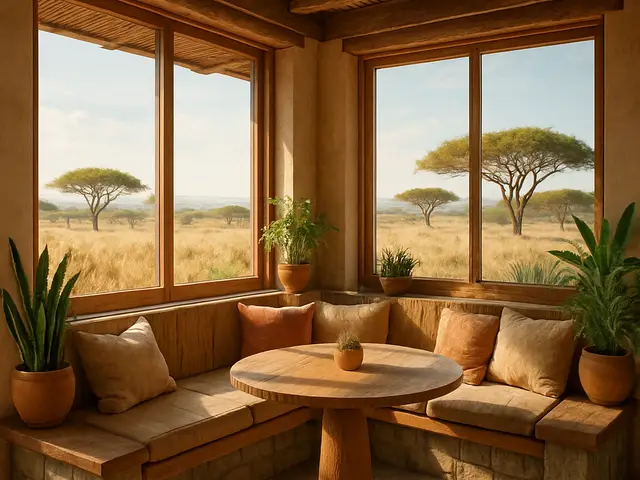
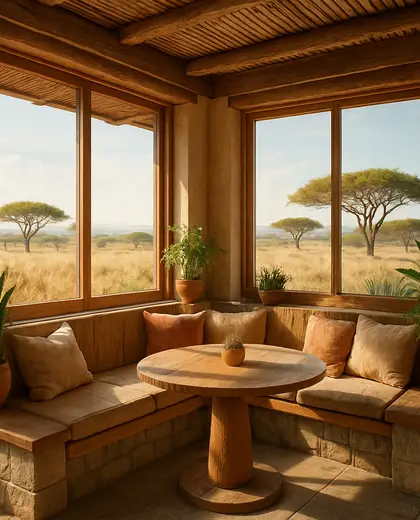
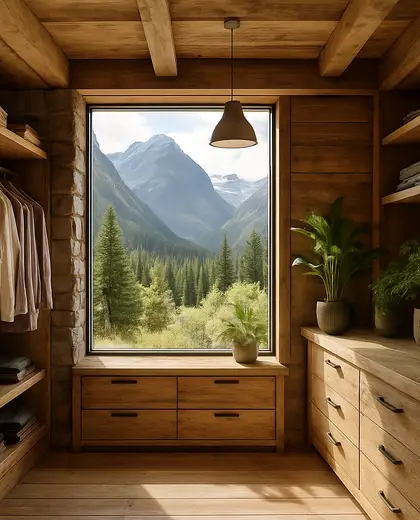
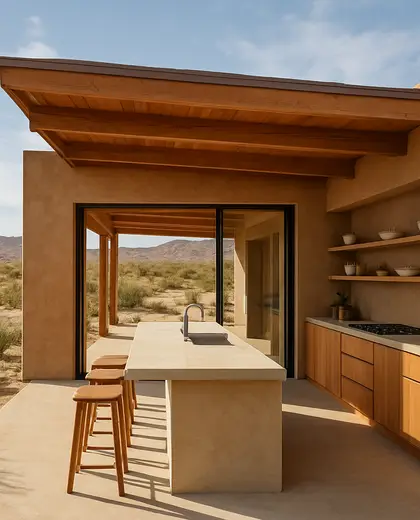
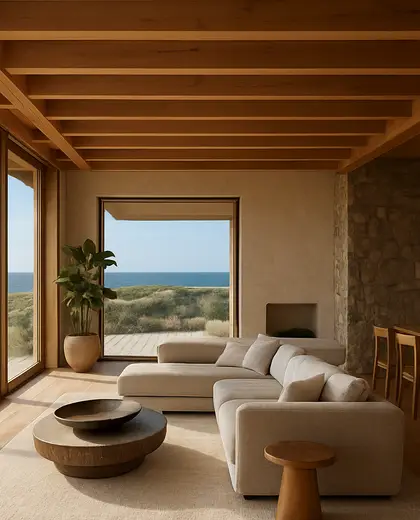
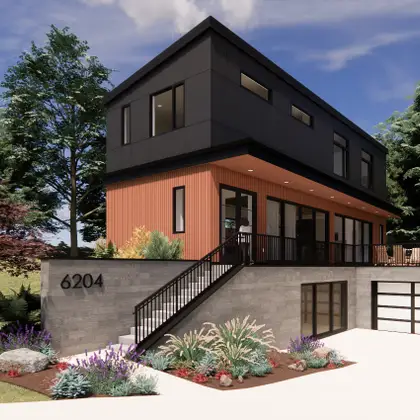
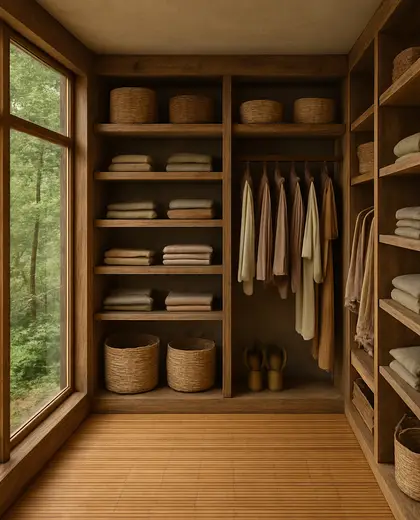
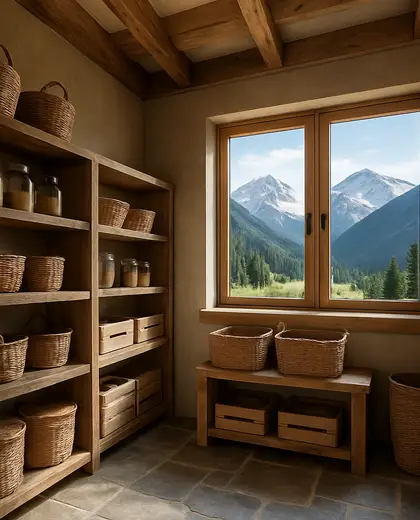
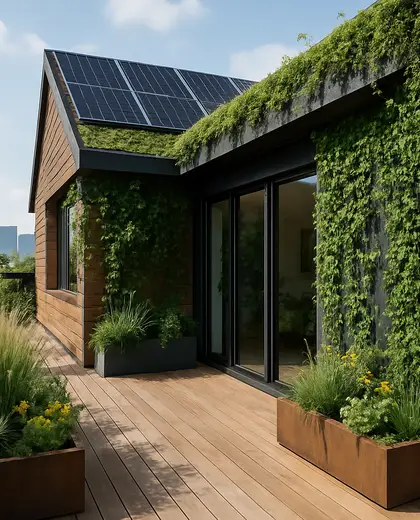
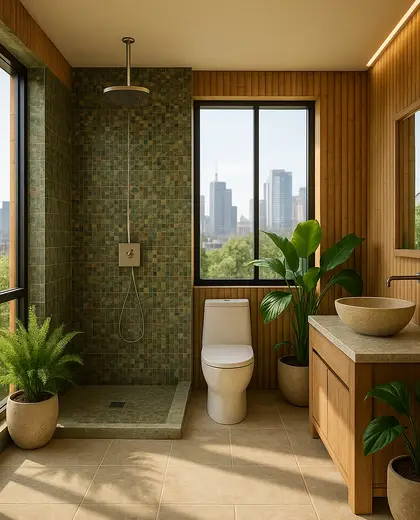
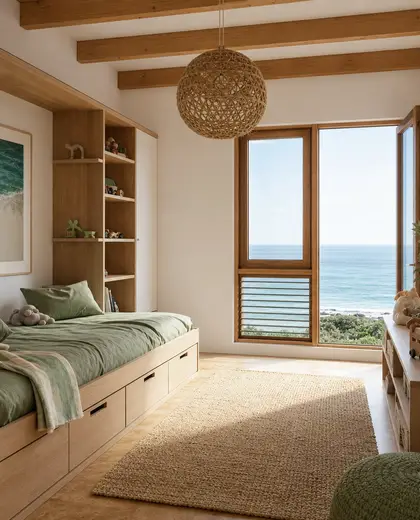
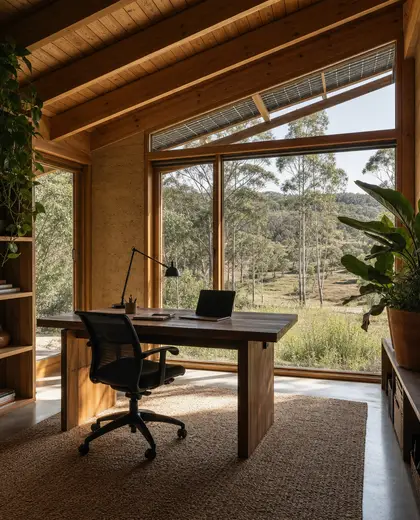
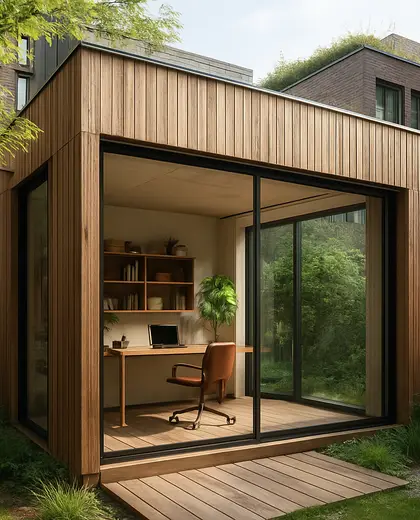
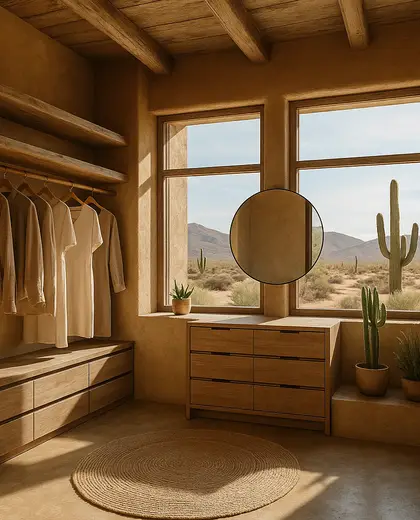
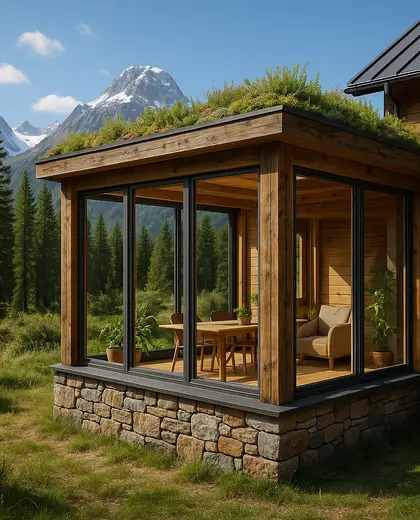
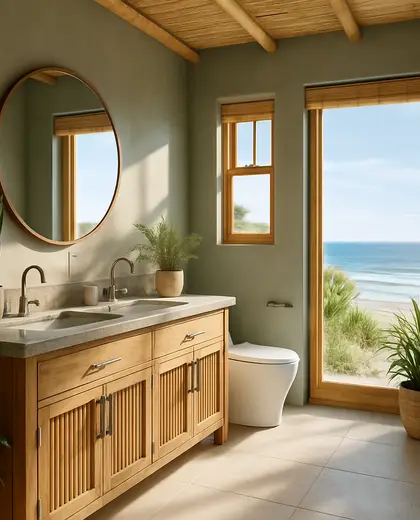
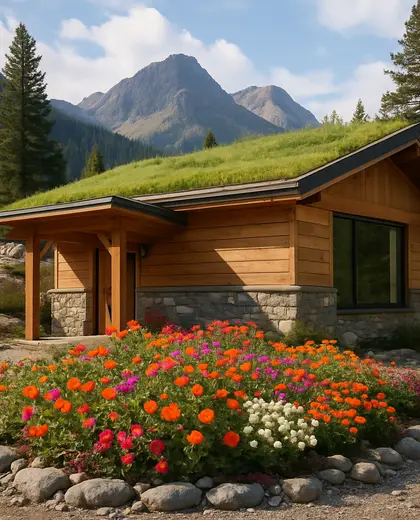
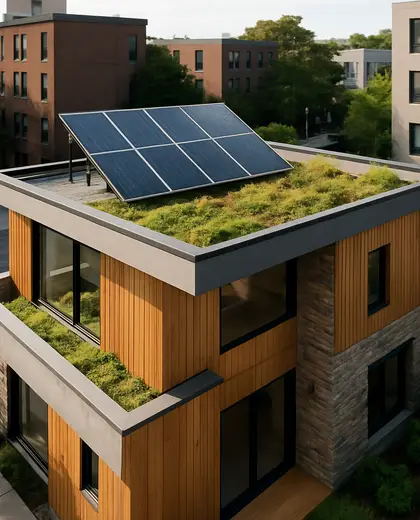
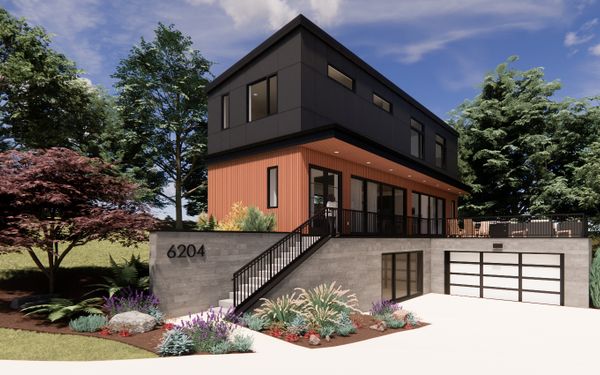
A sustainable house is defined by low-impact materials, efficient insulation, and details that reduce energy and water use. Common choices include timber, recycled finishes, solar-ready roofs, high-performance glazing, and natural ventilation. The palette usually feels grounded and quiet, with wood, stone, earth tones, and matte neutral surfaces.
- house
- sustainable
— References
References to explore
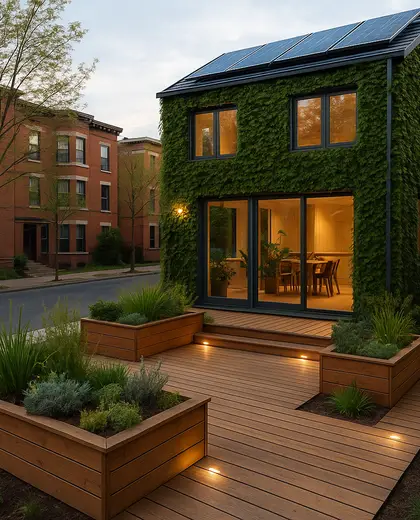
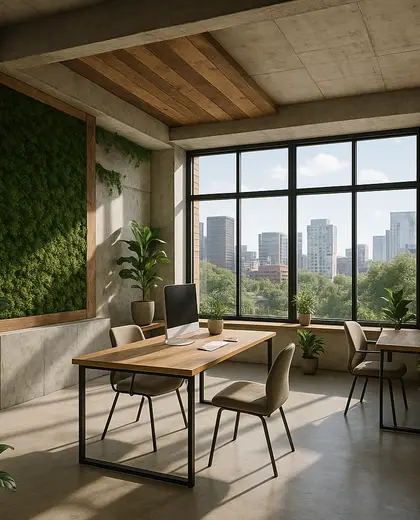
What makes a house sustainable in practice?
It usually means the home uses less energy and water, relies on durable low-impact materials, and is designed for good daylight, ventilation, and thermal comfort.
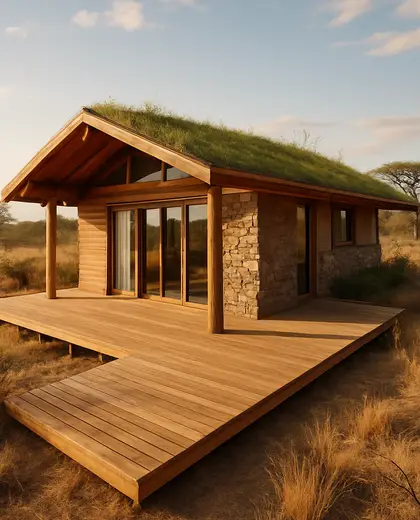
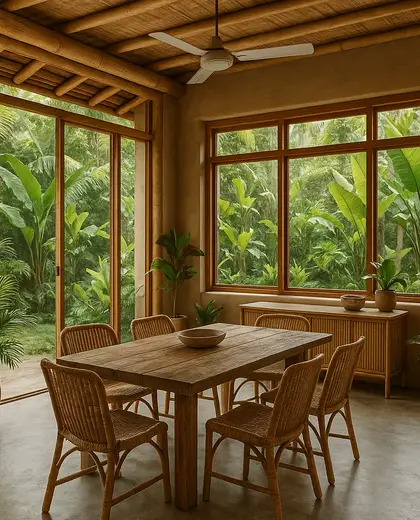
Does a sustainable house have to look modern?
No. It can be contemporary, traditional, or rustic. The sustainable approach is about the building methods, material choices, and performance rather than a single style.
— The style
What defines it
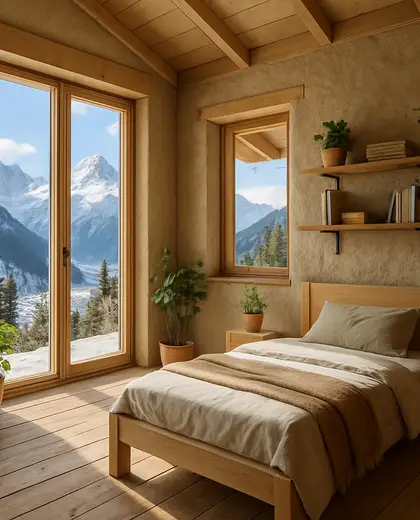
Timber, recycled brick, low-carbon concrete, cellulose insulation, and energy-efficient glazing are common.
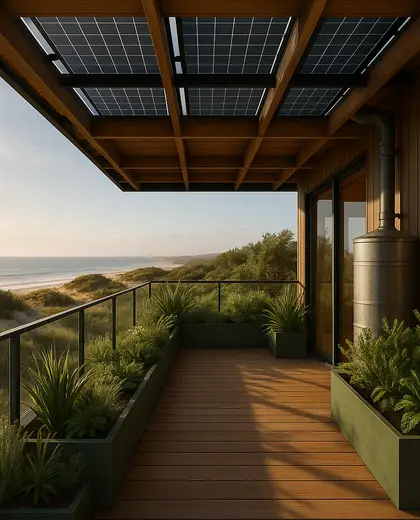
Earthy neutrals, warm wood tones, muted greens, and soft mineral finishes keep it calm and natural.
It pairs with compact plans, passive design, rainwater collection, solar systems, and shaded outdoor spaces.
— Professionals
Who has already built it

- Karavaan Homefurniture sellers · High Point · 4 projectsView profile →
— Explore
Keep exploring
— ARTICLES
Related reading
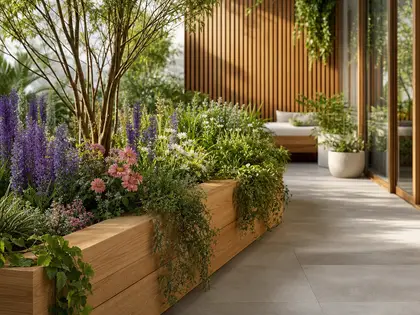
flower bed renovation on a real-world budget: what it costs and where to spend
A practical budget guide for renovating a flower bed in the U.S., with realistic cost ranges, smart places to splurge or save, and hidden expenses to plan for.
Read article →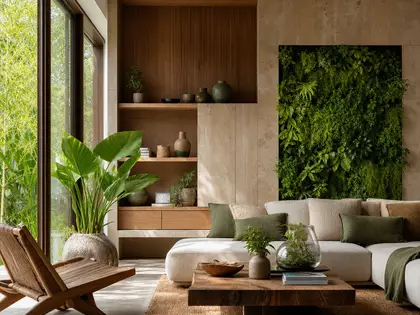
Edging on a budget: what a realistic landscape renovation actually costs
A practical budget guide to landscape edging renovation in the U.S., including material costs, labor trade-offs, hidden expenses, and where to spend or save for a clean, durable result.
Read article →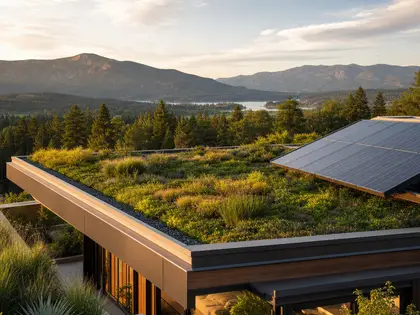
Roof Trends Shaping the Home Above You
A practical look at the roof trends defining today’s homes, from durable materials and darker color palettes to cleaner lines, smart performance, and low-lift updates that do not require a full reroof.
Read article →— Questions
Frequently asked questions
What makes a house sustainable in practice?
It usually means the home uses less energy and water, relies on durable low-impact materials, and is designed for good daylight, ventilation, and thermal comfort.
Does a sustainable house have to look modern?
No. It can be contemporary, traditional, or rustic. The sustainable approach is about the building methods, material choices, and performance rather than a single style.
Can I use natural materials without sacrificing durability?
Yes, if they are chosen and detailed correctly. Wood, stone, lime plaster, and other natural finishes can last well when they are protected from moisture and matched to the climate.