— Ideas & inspiration
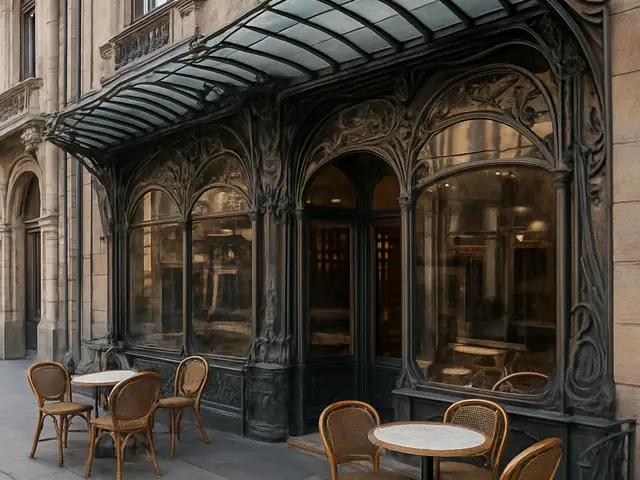
Urban storefronts with a city edge
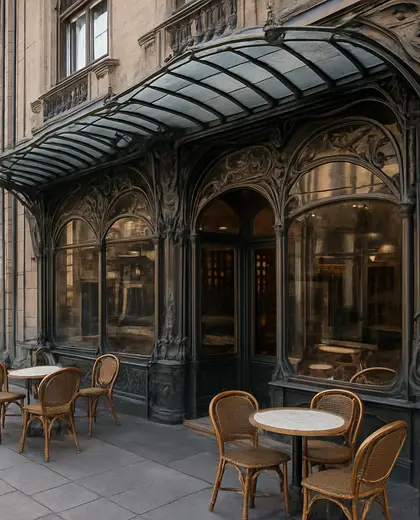
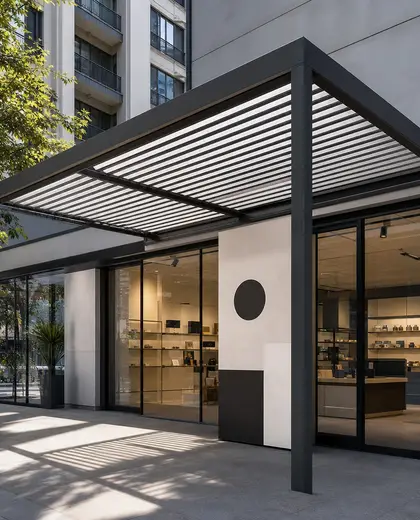
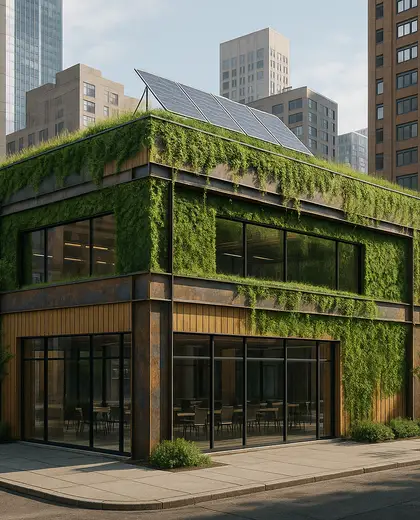
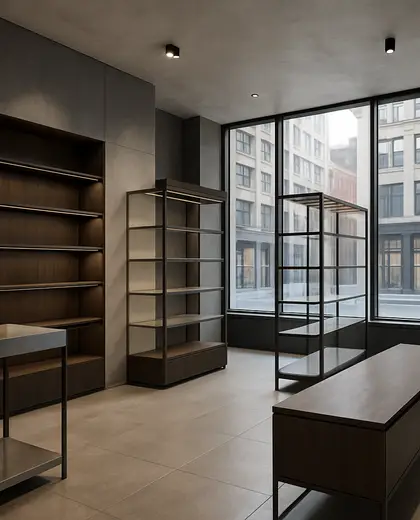
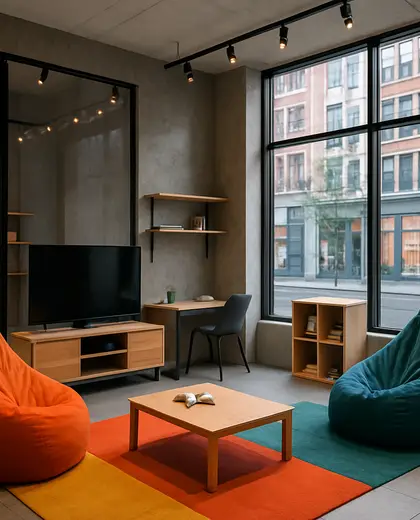
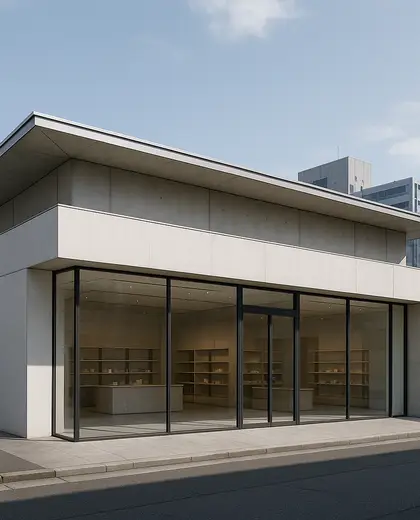
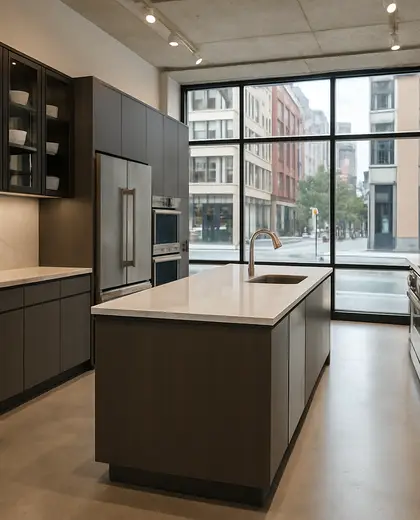
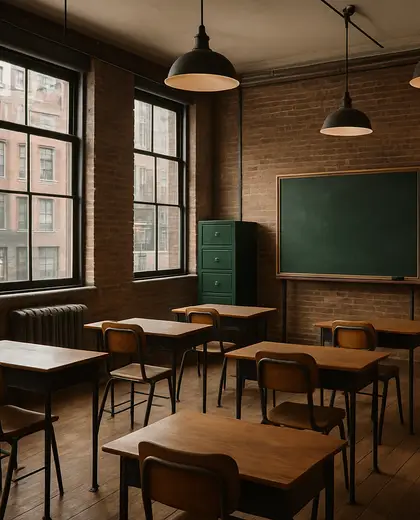
This composition is defined by a retail shell shaped for dense streets: large glazing, resilient masonry or metal cladding, and clean entry details. The palette usually leans on concrete, brick, steel, glass, and dark trim, with signage integrated into the facade rather than added on top. It combines a commercial ground-floor presence with urban proportions, tight setbacks, and pedestrian-focused openings.
- store
- urban
— References
References to explore
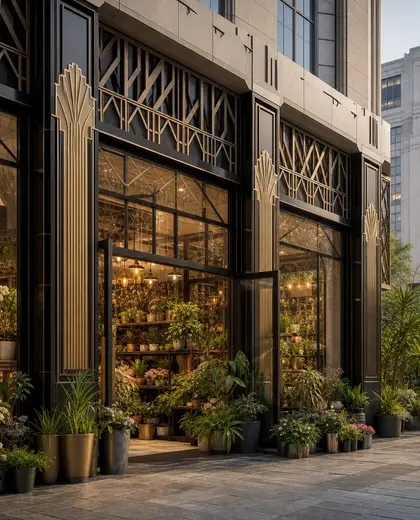
What makes an urban store facade different from a regular shop front?
It usually feels more integrated with the street, using stronger materials, larger openings, and tighter alignment with neighboring buildings.
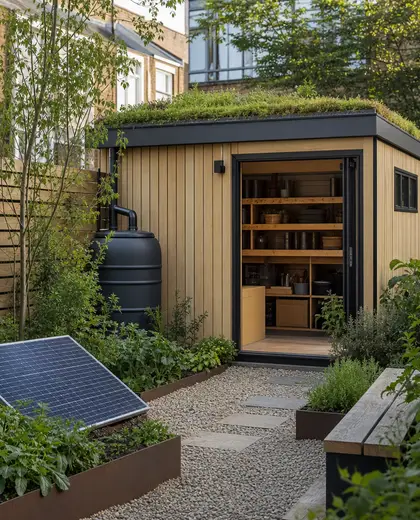
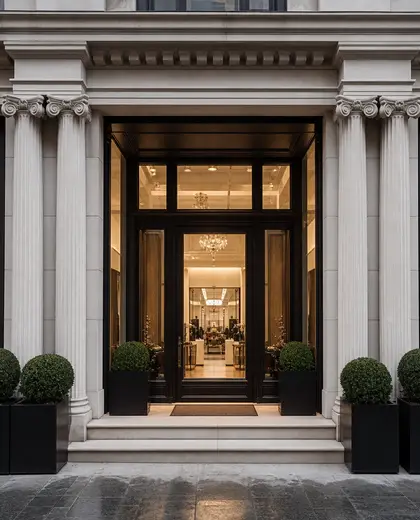
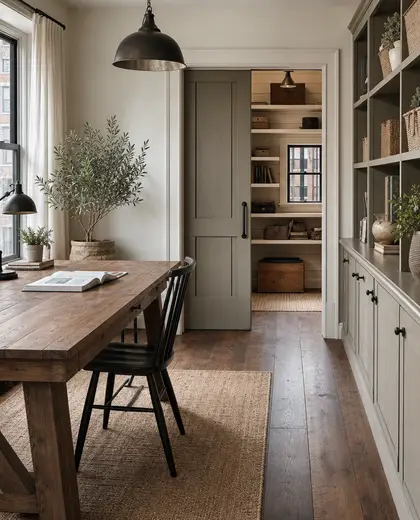
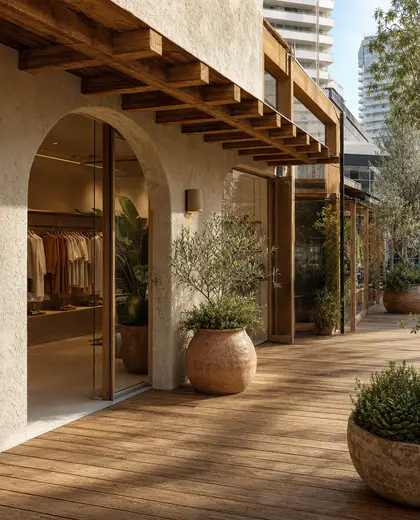
Can this composition work for a small home project with a storefront feel?
Yes, if the design uses durable materials, a simple facade rhythm, and a clear ground-floor opening without overcrowding the front.
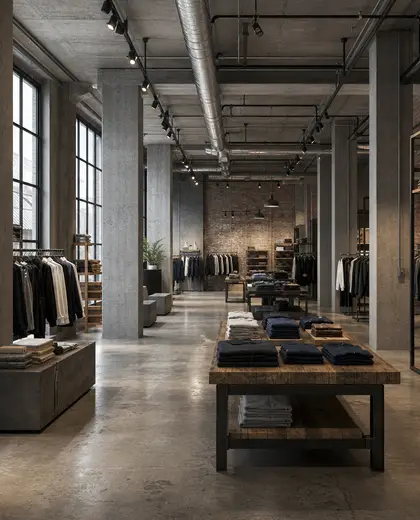
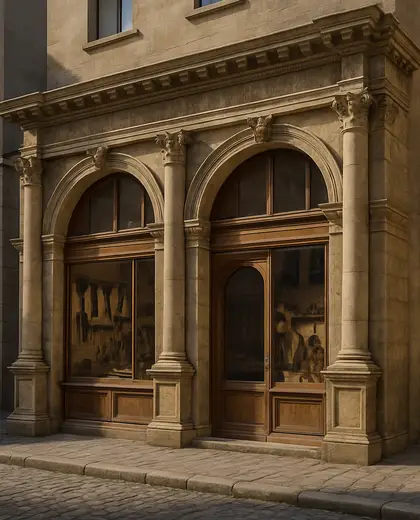
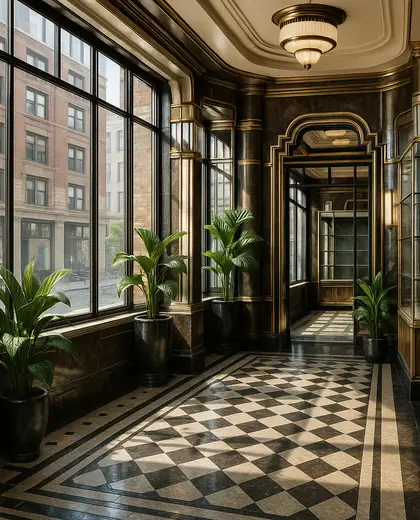
Does this style have to look industrial?
No. It can be more refined or traditional, as long as the facade reads as resilient, street-oriented, and suited to a busy urban setting.
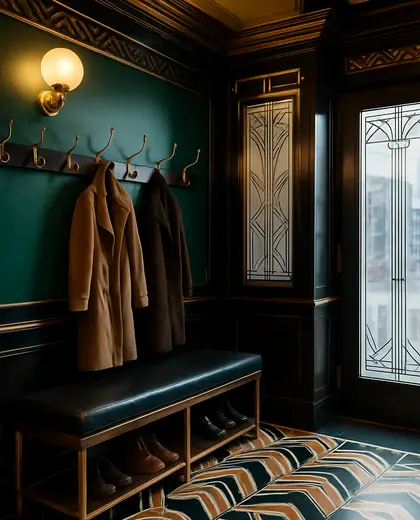
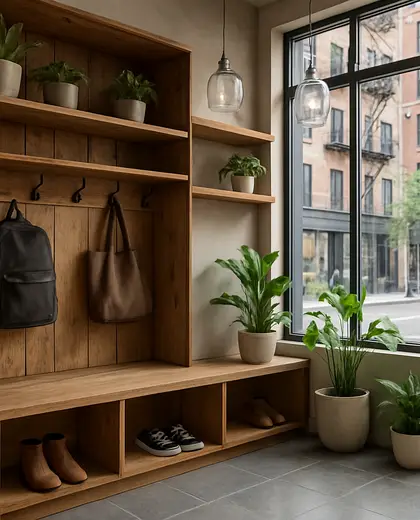
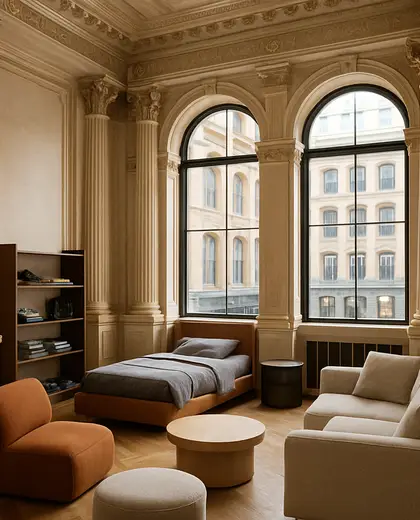
— The style
What defines it
Brick, concrete, steel, glass, and powder-coated metal are the most common choices.
Neutral city tones usually dominate: gray, charcoal, black, warm brick red, and muted earth shades.
Street-level retail planning, apartment blocks, mixed-use buildings, and compact urban lots.
— Professionals
Who has already built it
- robert srotearchitects · 8 projectsView profile →
- pfuner designinterior designers · 11 projectsView profile →
- Karavaan Homefurniture sellers · High Point · 4 projectsView profile →
- jacob galleslandscape designers · 6 projectsView profile →
— Explore
Keep exploring
— Questions
Frequently asked questions
What makes an urban store facade different from a regular shop front?
It usually feels more integrated with the street, using stronger materials, larger openings, and tighter alignment with neighboring buildings.
Can this composition work for a small home project with a storefront feel?
Yes, if the design uses durable materials, a simple facade rhythm, and a clear ground-floor opening without overcrowding the front.
Does this style have to look industrial?
No. It can be more refined or traditional, as long as the facade reads as resilient, street-oriented, and suited to a busy urban setting.