— Ideas & inspiration
Store
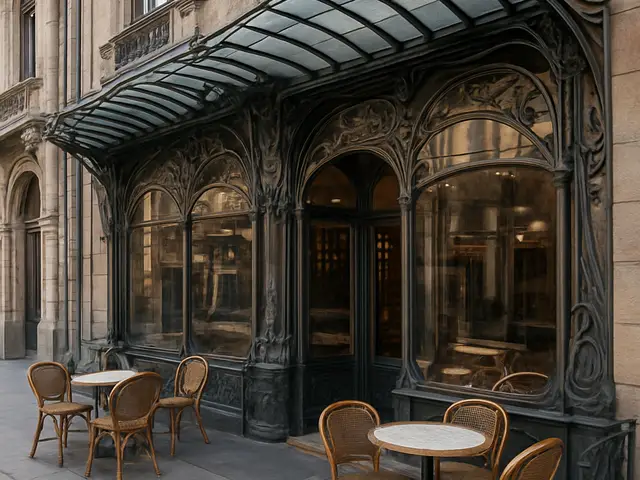
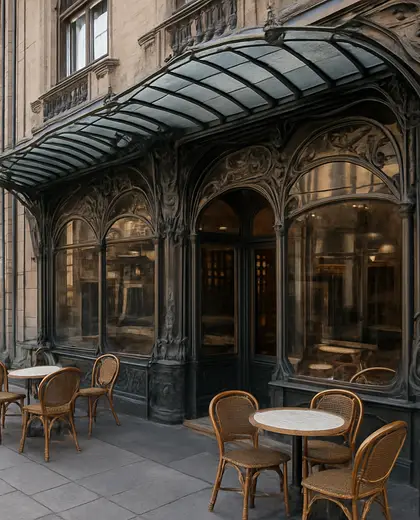
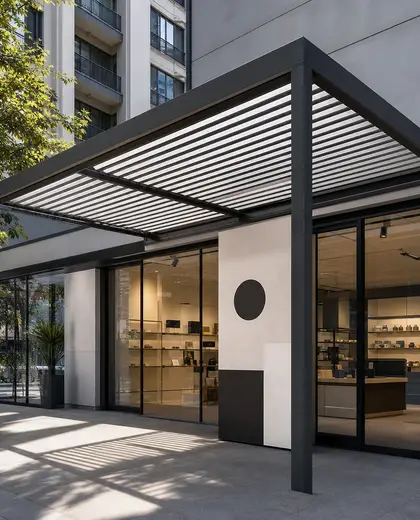
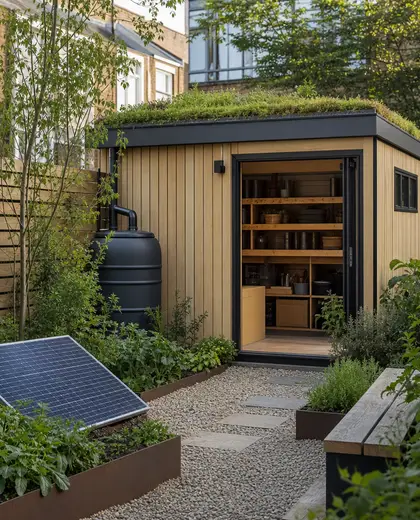
A store composition is built around open display systems, durable shelving, counters, and clear circulation for browsing and buying. It often uses robust materials such as wood, metal, glass, stone, and concrete, with finishes that can handle daily wear. The palette is usually neutral or restrained, so merchandise and signage stay visually dominant.
- store
— References
References to explore

What makes a store interior different from a home interior?
It prioritizes display, circulation, durability, and visibility over softness or ornament. Fixtures are usually modular and easy to reconfigure as stock changes.

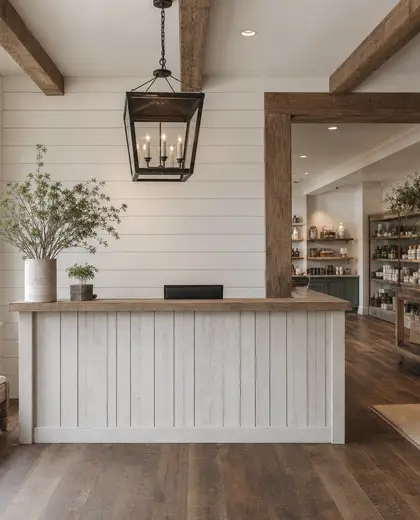


Which materials work best in a store?
Materials that resist wear and are easy to clean work best, such as metal shelving, sealed wood, glass, stone, and concrete. The exact mix depends on the products being sold and how much foot traffic the space gets.

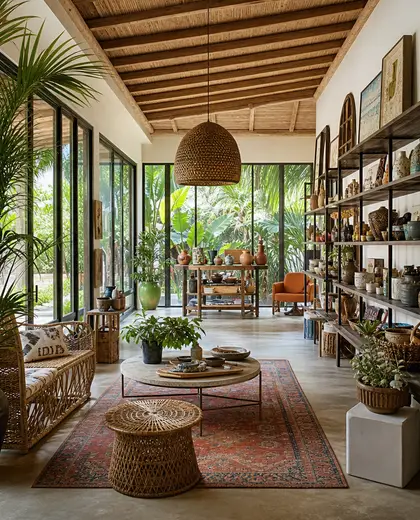

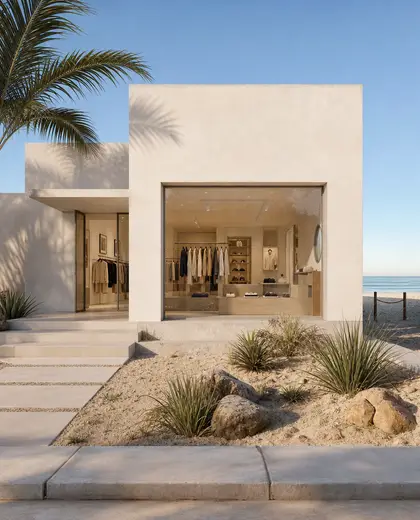
Can a store composition still feel warm and welcoming?
Yes, by using wood, warm lighting, textured finishes, and a restrained color palette. A balance of durable fixtures and softer visual details helps the space feel inviting without losing practicality.
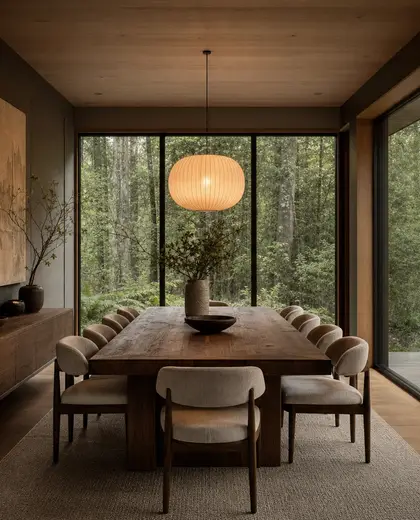
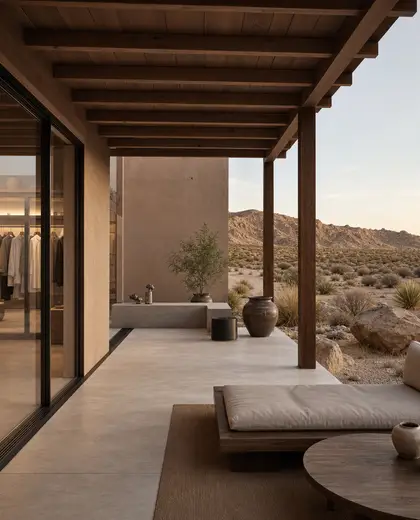
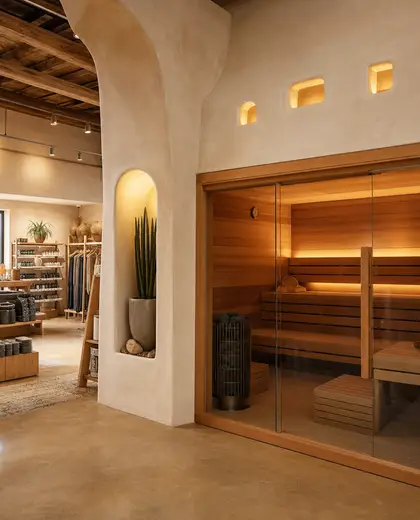

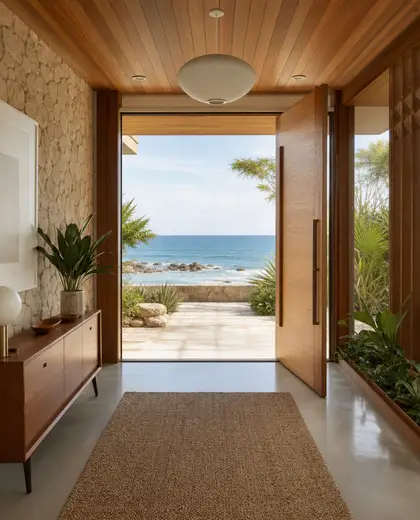


— The style
What defines it
Wood, metal, glass, stone, concrete, and washable finishes are common for strength and easy maintenance.
Neutral tones such as white, black, gray, beige, and natural wood are typical, with occasional accent colors for branding.
Lighting tracks, signage, mirrors, display niches, back-of-house storage, and simple wall finishes.
— Professionals
Who has already built it
- Karavaan Homefurniture sellers · High Point · 4 projectsView profile →
- todd verwers architectsarchitects · San Diego · 6 projectsView profile →
- jacob galleslandscape designers · 6 projectsView profile →
- pfuner designinterior designers · 11 projectsView profile →
— Questions
Frequently asked questions
What makes a store interior different from a home interior?
It prioritizes display, circulation, durability, and visibility over softness or ornament. Fixtures are usually modular and easy to reconfigure as stock changes.
Which materials work best in a store?
Materials that resist wear and are easy to clean work best, such as metal shelving, sealed wood, glass, stone, and concrete. The exact mix depends on the products being sold and how much foot traffic the space gets.
Can a store composition still feel warm and welcoming?
Yes, by using wood, warm lighting, textured finishes, and a restrained color palette. A balance of durable fixtures and softer visual details helps the space feel inviting without losing practicality.