— Blog · November 12, 2026 · 2 min read
From Colonial Foundations to Contemporary Care: Three Architectural Perspectives on Place, Living, and Wellbeing
These three stories trace architecture across time and scale—from Santo Domingo’s colonial urban fabric to a slender alley-house and a wellness-focused pavilion. Together, they highlight how history, tight sites, and human-centered design continue to shape meaningful spaces.

Santo Domingo Before the Modern Grid: A Colonial City Shaped by Power and Adaptation
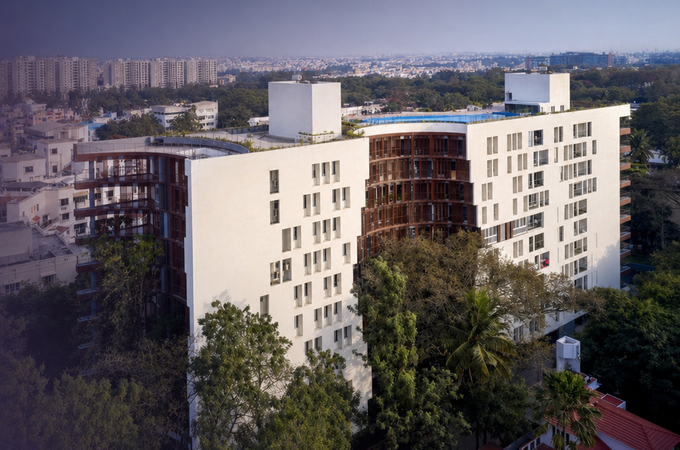
Long before the city expanded into a structured urban framework, Santo Domingo developed as a colonial settlement with layered intentions: administration, defense, trade, and survival. Its early streets, public spaces, and building patterns reveal how imported European planning collided with local conditions, producing a city whose form still reflects centuries of political and cultural change. For architects, the lesson is clear: urban identity is often built through successive adaptations, and the most resilient cities are those that retain the memory of their origins while continuing to evolve.
House on Alley 37: Compact Living Reimagined by kelvan_studio
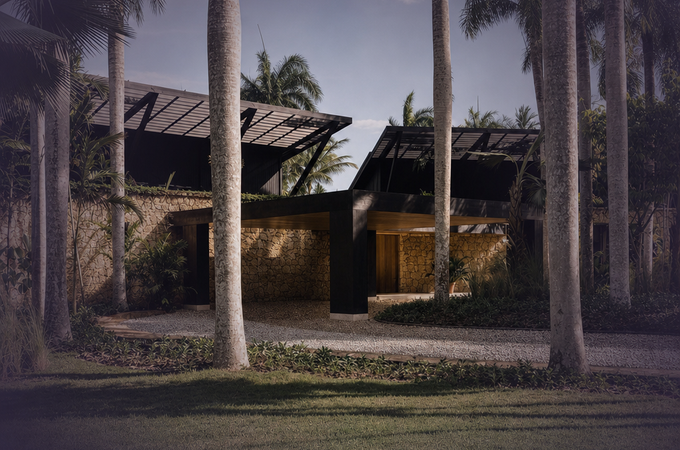
House on Alley 37 demonstrates how a constrained urban site can become an opportunity for spatial precision and thoughtful domestic design. Rather than treating the narrow context as a limitation, the project appears to respond with careful massing, efficient circulation, and an emphasis on light, privacy, and everyday comfort. It is a useful reminder for architects working in dense neighborhoods that successful residential design depends not only on maximizing area, but on shaping atmosphere, proportion, and the relationship between interior life and the city beyond.
Wellness Pavilion: Designing Architecture Around Restorative Experience
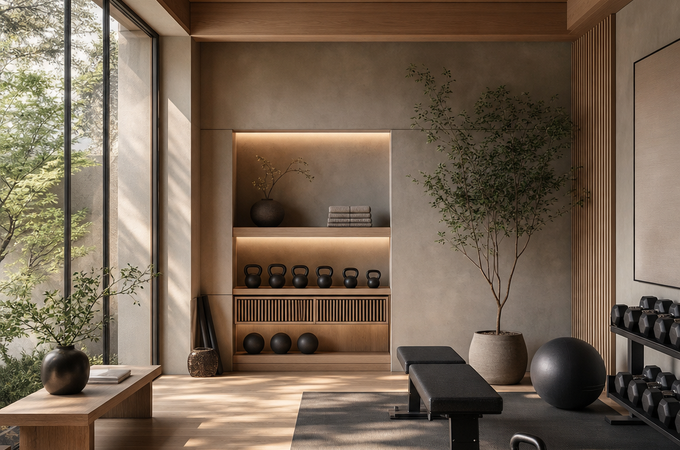
The Wellness Pavilion by K-Thengono Design Studio centers architecture on wellbeing, offering a space that likely prioritizes calm, sensory balance, and restorative use. Projects of this kind show how architecture can move beyond shelter and function to actively support mental and physical health through material choices, openness, environmental comfort, and a measured spatial rhythm. For professionals, it reinforces a growing design direction: buildings can be instruments of care, where form and experience work together to encourage reflection, renewal, and connection.
Join the Archsplace Community
Stories like these remind us that architecture is strongest when it bridges heritage, invention, and human experience. If you’re an architect or design professional looking to share your work, connect with peers, and expand your visibility, Create your architect profile on Archsplace.