— Blog · November 19, 2026 · 1 min read
Three Ways Architecture Reconnects with Place, Climate, and Material Reality
From a house shaped by tight urban context in Kyoto to a compact retreat that embraces seasonal living, these projects show how architecture can be both precise and responsive. A broader look at when shipping container design truly makes sense adds a practical lens for architects weighing adaptability, cost, and context.
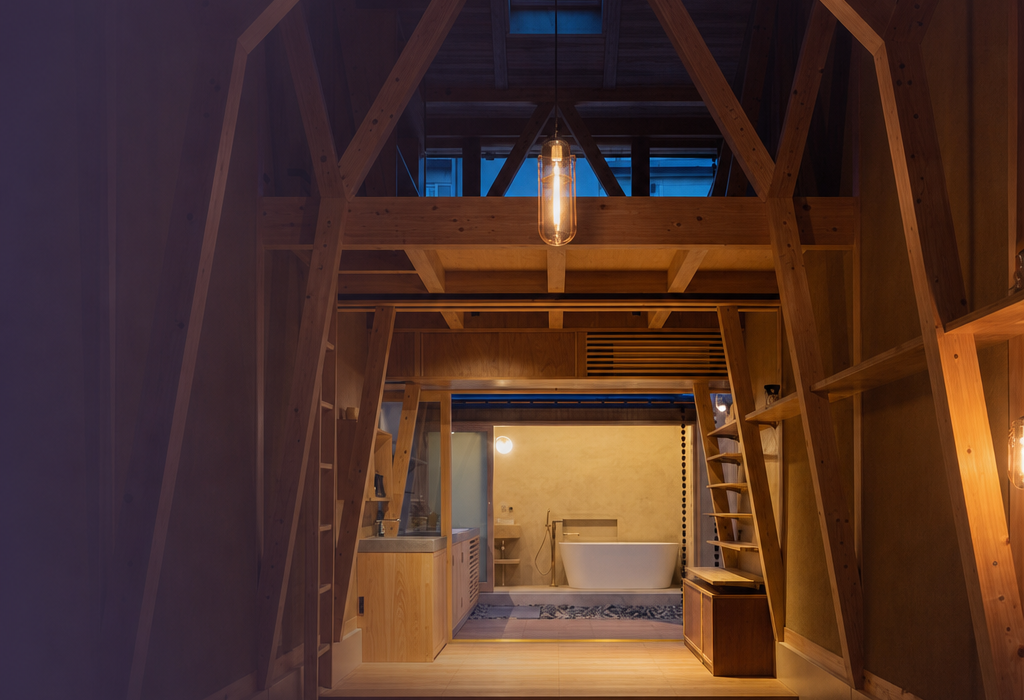
Villa in Nishinokyo: A Home Shaped by Context and Calm
ALIANA ARCHITECTS’ Villa in Nishinokyo demonstrates how a residential project can respond thoughtfully to a constrained site while still feeling open, refined, and livable. Rather than relying on dramatic gestures, the design appears to prioritize spatial clarity, privacy, and a measured relationship to the surrounding neighborhood—an approach that is especially relevant for architects working in dense urban settings where every boundary matters.
The Outpost Cabin: Compact Design for a Stronger Connection to Nature
Ample’s The Outpost Cabin explores the power of small-scale architecture to create a meaningful retreat without excess. By emphasizing simplicity, efficiency, and a close dialogue with the landscape, the project highlights how cabins can serve as a laboratory for thoughtful material choices, adaptable planning, and immersive environmental experience. For architects, it is a reminder that modest footprints can still deliver memorable spatial quality and a deep sense of place.
When Shipping Container Architecture Makes Sense
The conversation around shipping container architecture often swings between hype and skepticism, but the real value lies in knowing when the system is actually appropriate. Used well, containers can support speed, modularity, and reuse, yet they also come with limitations related to comfort, code compliance, insulation, and long-term flexibility. For architects, the key takeaway is not whether container design is inherently good or bad, but whether it aligns with the project’s budget, performance goals, site conditions, and broader design intent.
Join a Community Built for Architects
These projects reflect the kinds of ideas that move the profession forward: context-sensitive homes, efficient retreat architecture, and clear-eyed material strategies. If you want to share your work, expand your visibility, and connect with fellow professionals, Create your architect profile on Archsplace.