— Blog · August 14, 2026 · 4 min read
Phoenix, Arizona: A Desert City Where Architecture Meets Growth
A feature look at Phoenix’s scale, architectural identity, construction costs, and why it continues to attract homeowners, developers, and design professionals.
Welcome to Phoenix
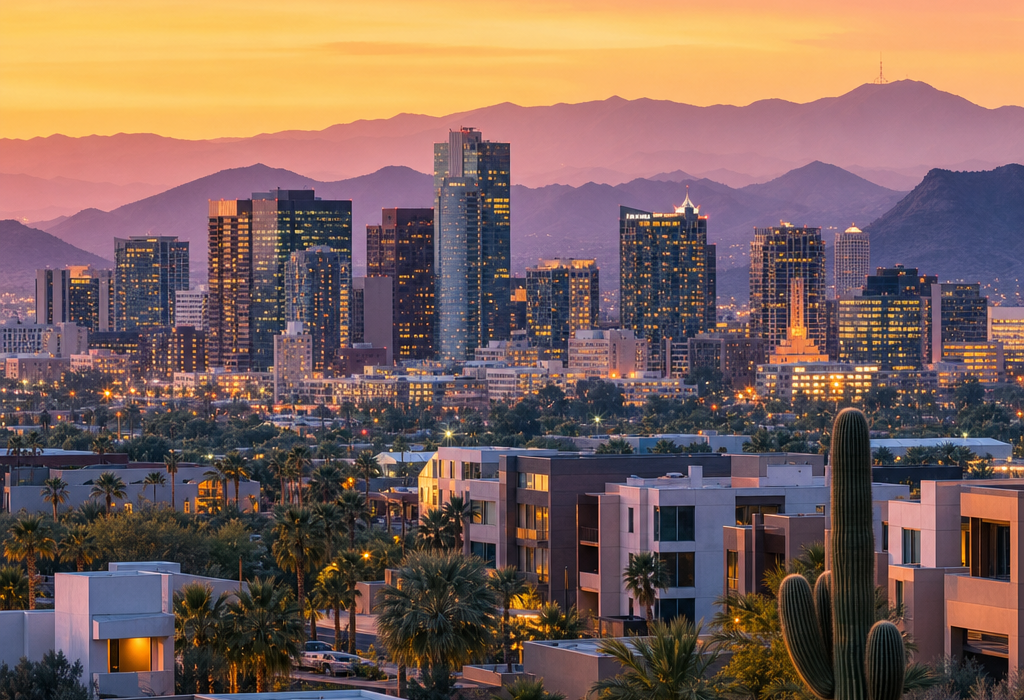
Phoenix, Arizona, is one of the fastest-growing major cities in the United States, with a latest estimated population of about 1.67 million people in the city proper. Set in the Sonoran Desert, it combines wide-open suburban growth with an increasingly sophisticated urban core, making it a compelling place for anyone planning a new home, renovation, or larger development. The city’s architecture is shaped by climate as much as by style: shade, orientation, energy performance, and outdoor living are not extras here—they are part of the design brief. That is one reason Phoenix continues to draw attention from architects and builders who understand how to balance comfort, durability, and desert character.
One important historical fact about Phoenix’s urban development is that its modern growth was made possible in large part by water infrastructure and irrigation systems that transformed the valley from an agricultural settlement into a major metropolitan center. That legacy still shapes how the city grows today: land availability, freeway access, and master-planned development have all helped Phoenix expand outward for decades while new investment increasingly turns back toward central neighborhoods.
Architectural Highlights
Phoenix does not have one single architectural style; instead, it offers a layered mix of adobe-inspired desert vernacular, mid-century modernism, and contemporary desert design. The city’s classic landmarks include the Arizona Biltmore, a celebrated resort often linked to Frank Lloyd Wright’s influence and known for its geometric forms, warm materials, and distinctive interpretation of Southwest luxury. Another standout is Taliesin West in nearby Scottsdale, a major reference point for desert architecture and a reminder of how strongly the region has influenced American design. In downtown Phoenix, restored historic buildings such as early commercial storefronts and civic landmarks help anchor the city’s older core.
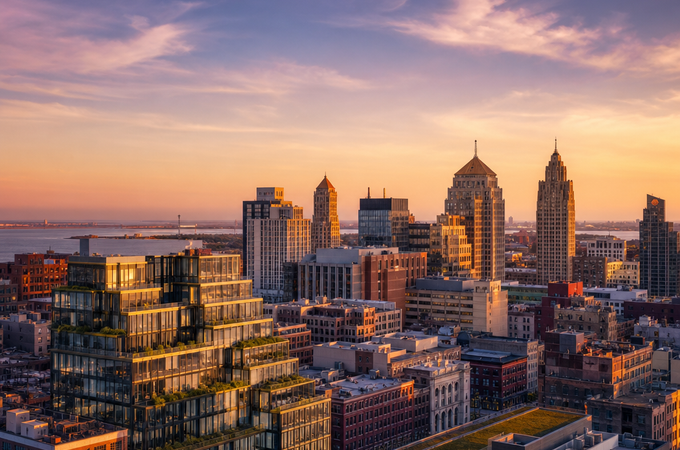
Modern Phoenix architecture is equally notable. Glassy office towers, adaptive-reuse projects, and carefully shaded residential designs reflect a city adapting to both growth and extreme heat. Current projects often emphasize deep overhangs, courtyards, covered outdoor rooms, and material palettes that work with the desert landscape rather than against it. For people planning a project, this means Phoenix offers a rich environment where architects can blend regional identity with modern performance goals, and where design choices often have visible, practical impact.
Construction Costs & Trends
In Phoenix, average construction costs can vary widely by project type and finish level, but a practical planning estimate for many residential builds is roughly US$1,700 to US$3,200 per square meter, with higher-end custom homes or complex commercial work often exceeding that range. Costs are influenced by labor availability, material pricing, site conditions, and the extra attention required for heat-resilient construction. In a desert market like Phoenix, window performance, insulation, shading, roofing, and HVAC design can affect both upfront costs and long-term operating expenses, so careful planning matters from the start.
As for trends, Phoenix continues to see strong population-driven demand, but the urban story is gradually shifting. Infill development, downtown revitalization, multifamily housing, and mixed-use projects are becoming more visible as the city seeks to grow more efficiently. At the same time, heat resilience is now a major design issue, influencing everything from streetscape shade structures to building envelopes and outdoor amenities. For anyone working with builders, the city’s market rewards practical planning, efficient coordination, and thoughtful materials selection.
Why Phoenix is Perfect for Your Project
Phoenix is especially attractive for building, renovating, or designing because it offers scale, momentum, and room to create. The metro area has a strong construction ecosystem, a large and diverse housing market, and enough land-use variety to support everything from compact urban infill to expansive suburban homes. Its infrastructure, including major highways, airports, and utility networks, supports both residential and commercial projects, while its growing downtown and inner neighborhoods create opportunities for design that is more urban and place-specific.
For project owners, the appeal is not just economic—it is also cultural and visual. Phoenix has a clear architectural identity tied to light, shade, and the desert environment, which encourages thoughtful design instead of generic repetition. Whether the goal is a modern custom home, a renovation that improves comfort and efficiency, or a larger development with a strong sense of place, Phoenix offers a setting where good design can make a meaningful difference. In that sense, the city is not only growing; it is evolving in ways that continue to create opportunities for great architecture and well-executed construction.
Find the best professionals for your project in Phoenix
Free and no obligation / Takes less than 5 minutes
Are you an architect or designer? Sign up for free! »