— Blog · August 7, 2026 · 5 min read
Queens: New York City’s Most Diverse Landscape for Architecture and Design Projects
A practical, inspiring look at Queens, New York, where dense neighborhoods, historic housing, and modern redevelopment make it a strong place to plan a project with architects and builders.
Welcome to Queens
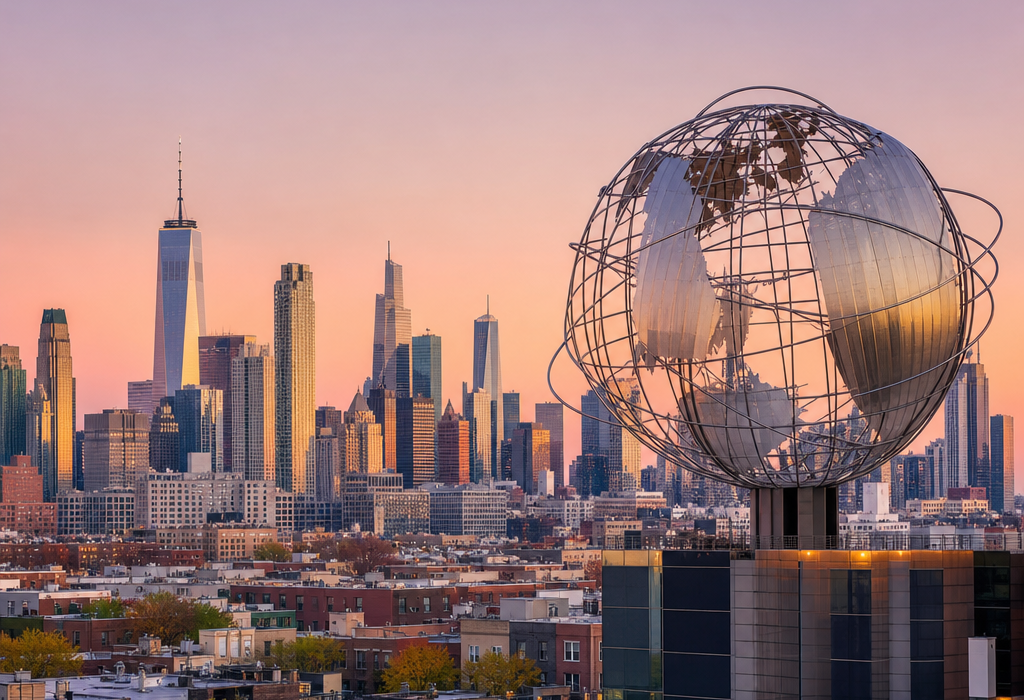
Queens, New York, is one of the most dynamic places in the United States to plan a building or renovation project. With a population of roughly 2.4 million, it is the most populous borough in New York City and one of the most diverse urban areas in the country. That diversity shows up in the streetscape: attached row houses, prewar apartment buildings, converted industrial spaces, detached single-family homes, and ambitious new mixed-use towers all exist within the same borough. For anyone comparing neighborhoods, budgets, and design possibilities, Queens offers an unusually wide range of project types and architectural opportunities. It is also a place where local knowledge matters, which is why many property owners begin by exploring experienced architects and builders who understand both the borough’s housing stock and its permitting realities.
Queens has long been shaped by transportation, immigration, and reinvention. Its neighborhoods grew around subway extensions, rail lines, and historic roadways, creating a patchwork urban form that is both practical and distinctive. For people planning a home addition, condo renovation, small commercial build-out, or full redevelopment, that mix of older fabric and new investment makes Queens especially interesting. You are not just building in a city—you are building in a borough with layers of architectural history and a constantly evolving urban future.
Architectural Highlights
Queens is known less for a single skyline than for its rich variety of architecture. In Forest Hills Gardens, early 20th-century garden-suburb planning created one of the borough’s most picturesque residential districts, with tree-lined streets, brick and stucco homes, and a carefully ordered street plan. In Jackson Heights, prewar co-op buildings and garden apartments helped define a model of dense but livable urban housing, with shared courtyards and elegant façades that still appeal to buyers and renovators today. Historic districts such as Sunnyside Gardens and parts of Astoria and Ridgewood preserve row houses, modest brick apartment buildings, and neighborhood-scale streetscapes that give the borough much of its character.
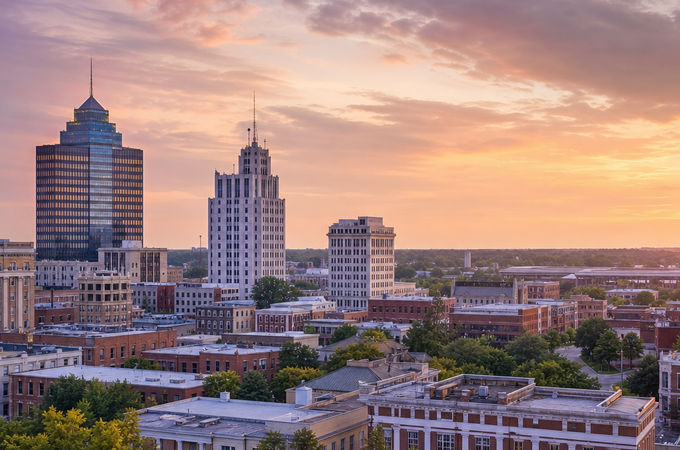
On the modern side, Queens has become a showcase for adaptive reuse and new transit-oriented development. Long Island City, in particular, has seen dramatic growth, with glass towers, luxury rental buildings, and mixed-use projects rising near the waterfront and transit hubs. The neighborhood’s recent transformation has made it one of the clearest examples of how contemporary design is reshaping the borough. Another major landmark is Citi Field, which reflects the scale and visibility of modern sports and entertainment architecture in New York. Across Queens, industrial buildings, warehouses, and older commercial structures are increasingly being converted into studios, offices, dining spaces, and housing, adding another layer to the borough’s built environment.
Historically, Queens also tells an important story about urban development in New York. Much of its residential growth accelerated after the extension of the subway and elevated rail systems in the early 20th century, which made formerly distant areas viable for dense development. That transit-driven expansion helped create the borough’s mix of attached housing, apartment buildings, and neighborhood commercial corridors—patterns that still influence design today. For projects now, that history matters because lot sizes, zoning patterns, and building forms often reflect those earlier waves of growth.
Construction Costs & Trends
Construction costs in Queens vary widely depending on the project type, building condition, site access, and finish level, but a reasonable planning estimate for residential and small mixed-use construction is often around $2,500 to $5,000 per square meter, or roughly $232 to $465 per square foot, in New York City terms. Renovations can be less expensive on a per-square-meter basis if the structure is sound, while ground-up construction in dense urban settings can push costs higher because of labor, logistics, and compliance requirements. For anyone budgeting in Queens, it is wise to account for soft costs, permits, engineering, and contingency funds, not just the visible construction work.
One of the most notable current trends is the continued growth of transit-oriented development, especially in areas near major subway lines and commuter rail access. Long Island City remains a headline-making market, but smaller neighborhoods across the borough are also seeing infill construction, building enlargements, and conversions of older properties into more efficient residential or commercial space. At the same time, demand for more outdoor space, better energy performance, and flexible layouts has pushed many owners to rethink how existing buildings can be updated rather than replaced. That makes Queens especially active for design-led renovations, additions, and adaptive reuse projects that can respond to modern living standards while respecting neighborhood character.
Why Queens is Perfect for Your Project
Queens is appealing for a project because it combines scale, variety, and opportunity. If you are planning to build, renovate, or reconfigure a property, the borough offers everything from single-family homes on quiet blocks to large multifamily sites near major transit and employment centers. That means there is room for highly customized design solutions, whether the goal is to maximize a modest lot, modernize an older home, or create a mixed-use building that fits into a busy commercial corridor. The borough’s diverse housing stock also gives owners more chances to make thoughtful improvements that add value without sacrificing character.
Another reason Queens stands out is its infrastructure. The borough is connected by multiple subway lines, the Long Island Rail Road, major highways, bridges, and access to both LaGuardia Airport and, farther southeast, John F. Kennedy International Airport. That connectivity supports both residential desirability and commercial potential. It also helps explain why Queens has become a place where design quality matters: when neighborhoods are accessible and evolving, well-planned buildings tend to age better and perform better. For people seeking a project environment with strong upside, varied architecture, and room for creative problem-solving, Queens offers one of the most compelling settings in the New York region.
Find the best professionals for your project in Queens
Free and no obligation / Takes less than 5 minutes
Are you an architect or designer? Sign up for free! »