— Ideas & inspiration
Bauhaus forms in the urban landscape
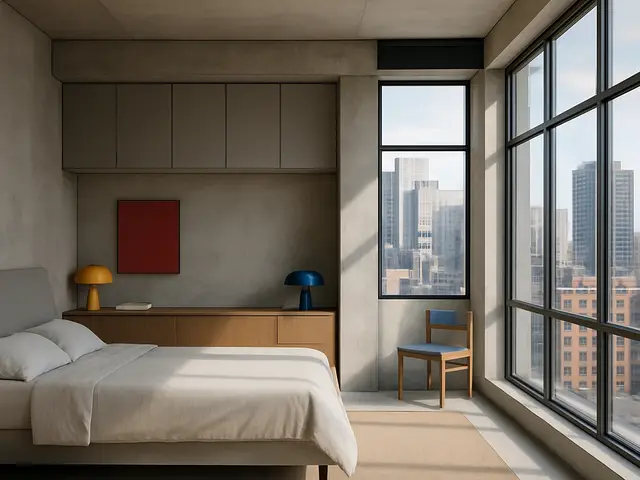
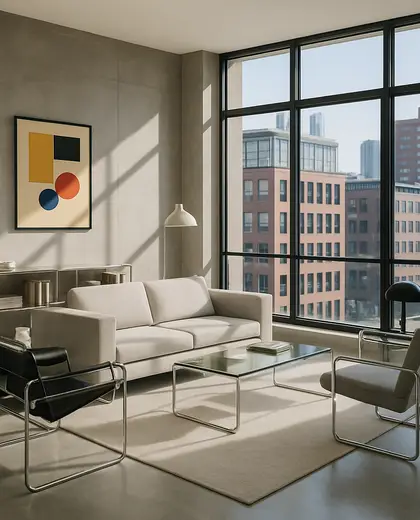
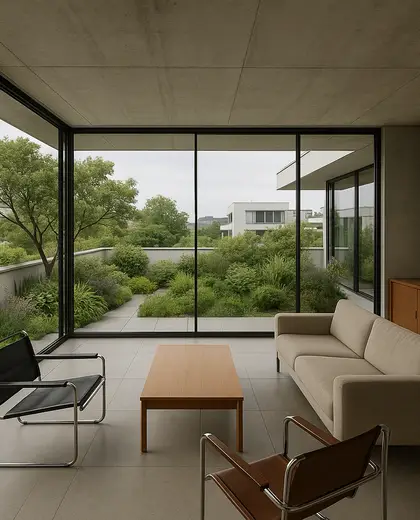
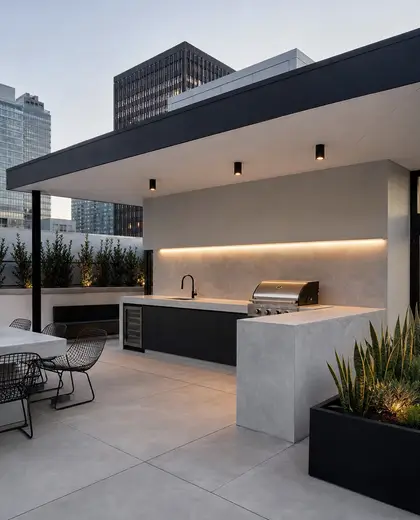
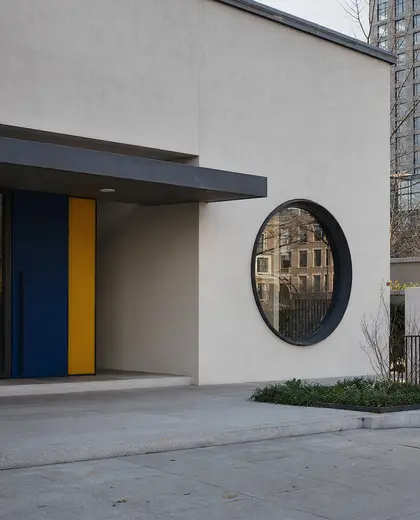
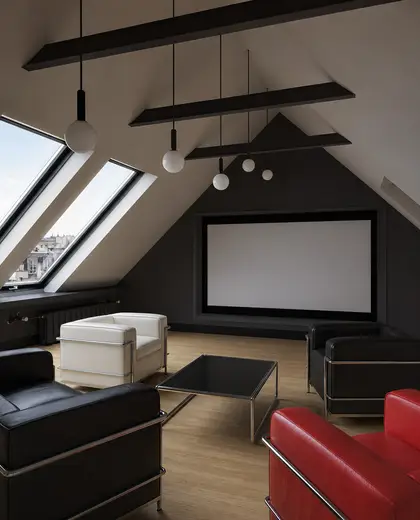
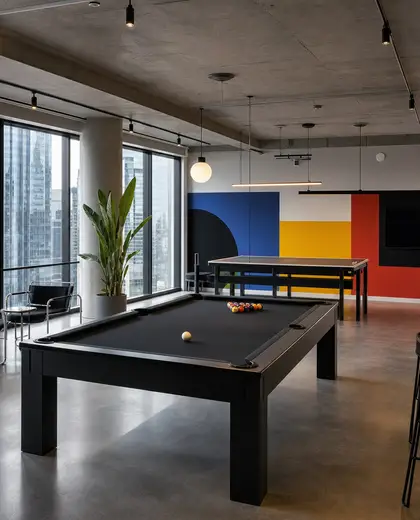
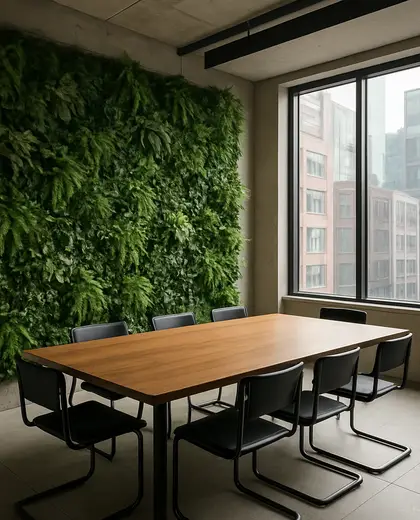
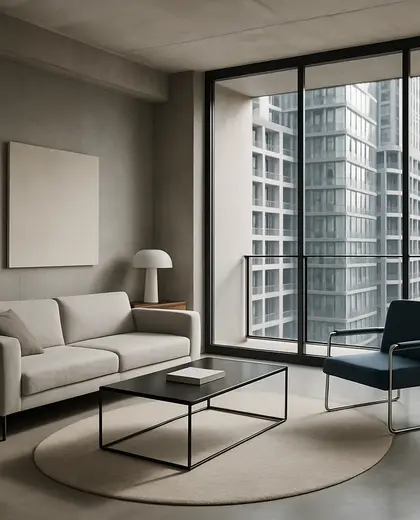
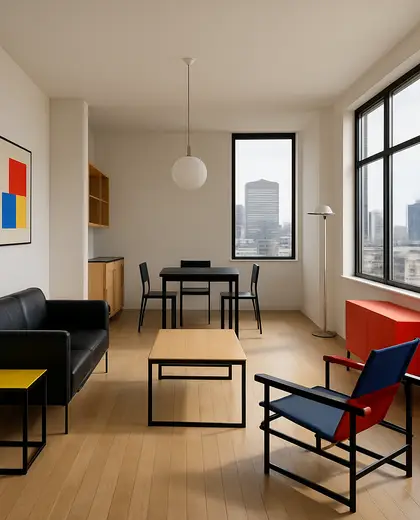
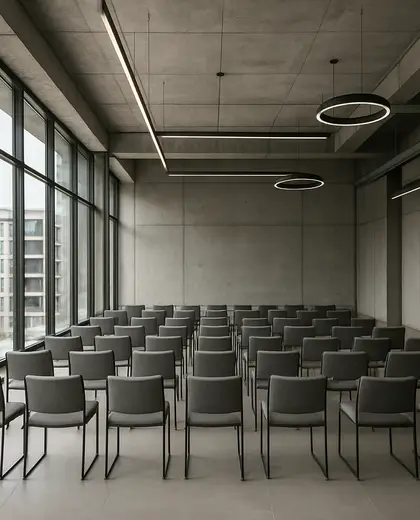
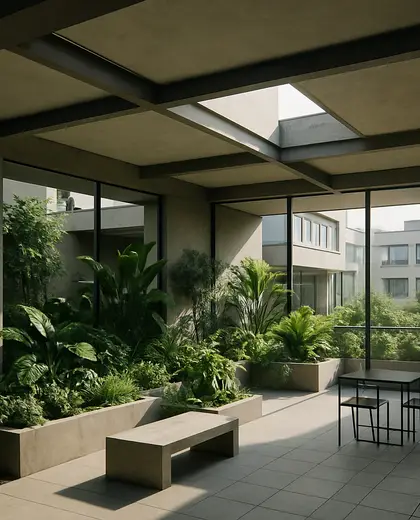
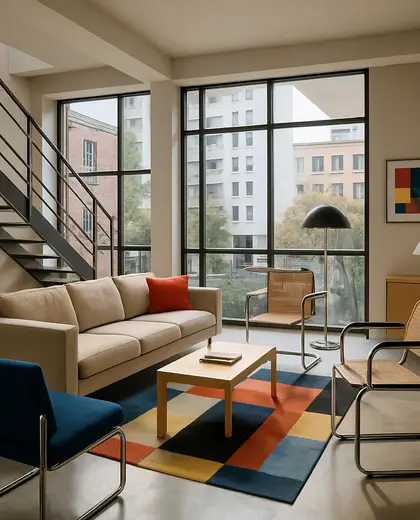
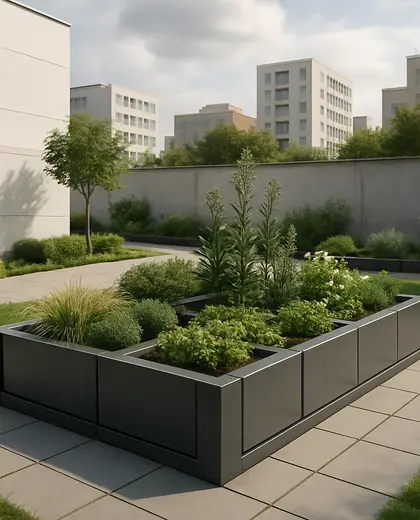
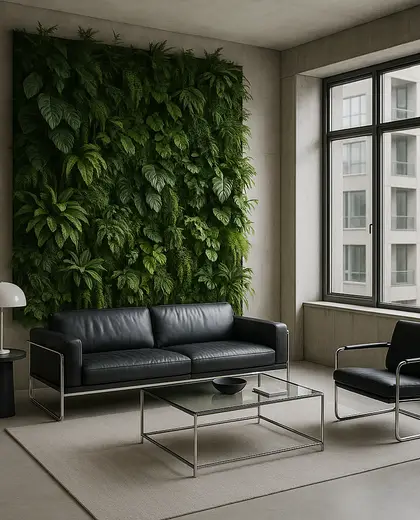
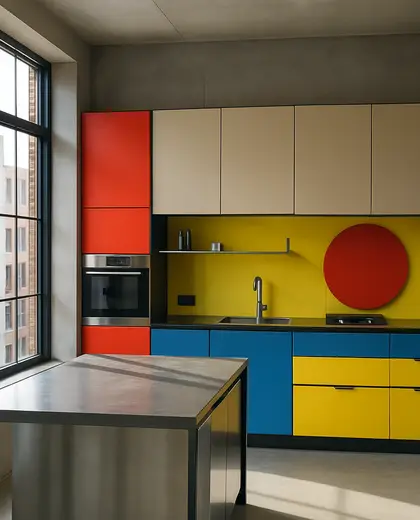
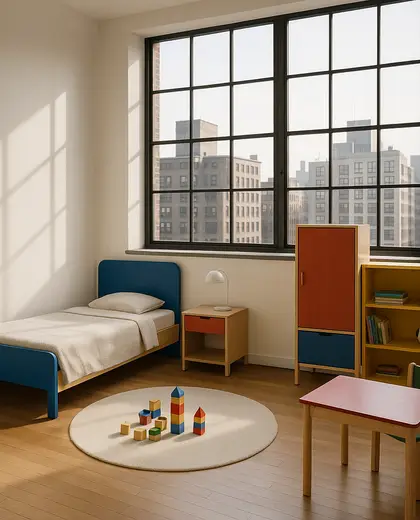
This composition pairs Bauhaus discipline with an urban architectural feel. It typically uses concrete, steel, glass, and smooth plaster, with flat planes, clean geometry, and restrained detailing. The palette is usually neutral—white, black, gray, and muted earth tones—with strong emphasis on proportion and functional layout.
- bauhaus
- urban
— References
References to explore
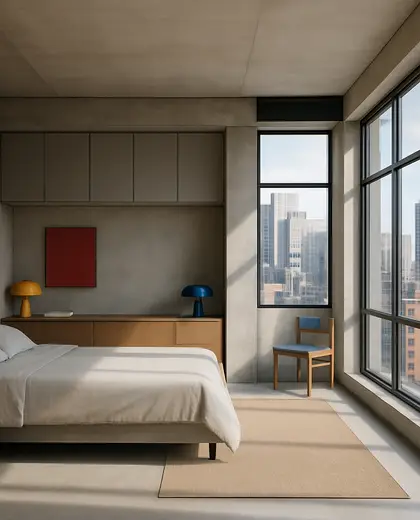
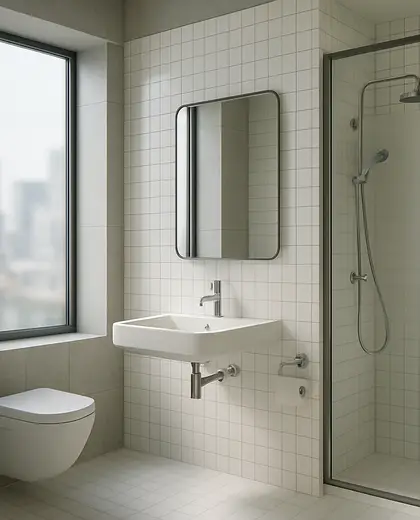
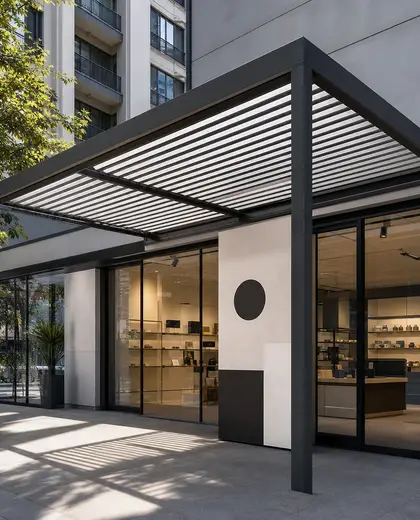
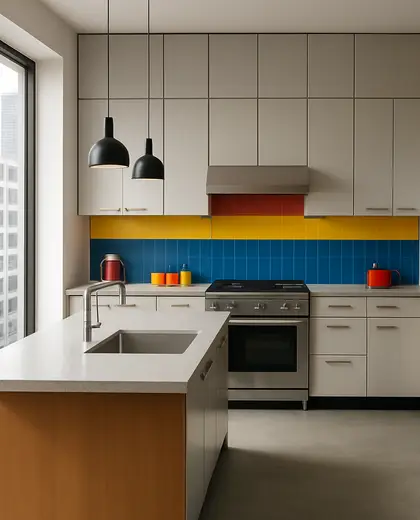
How does a Bauhaus urban style usually look in a home?
It looks clean and geometric, with simple facades, large windows, flat surfaces, and very little ornament. The urban influence often appears in a more compact footprint and a stronger relationship to the street or neighboring buildings.
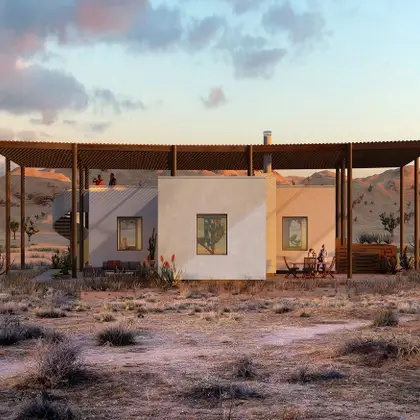
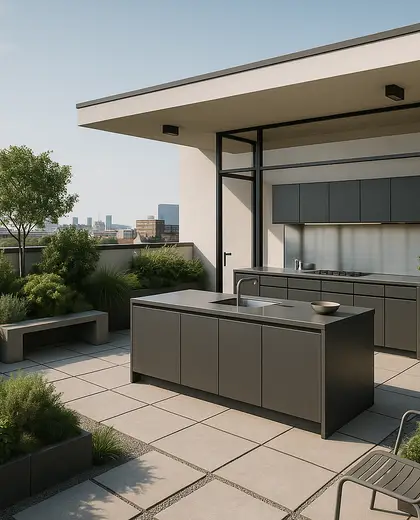
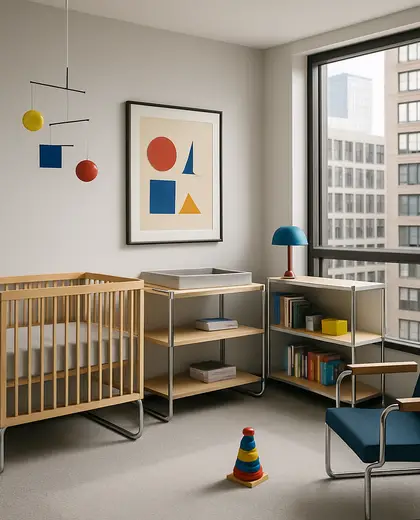
What materials work best for this composition?
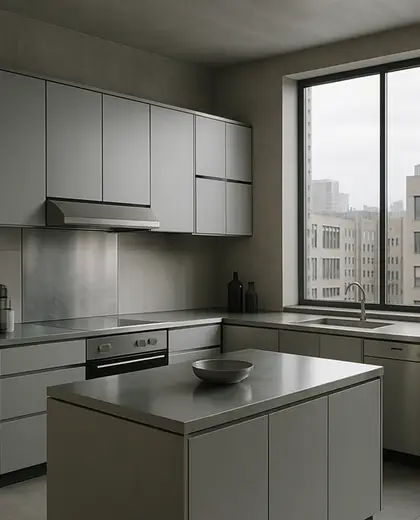
Smooth concrete, steel frames, glass, and plaster are the most common choices. Brick can also fit if it is used in a disciplined, simplified way.
Is this style only for city buildings?
No. It is strongly associated with city settings, but the same principles can work in suburban or rural homes if the design stays minimal, functional, and geometric.

— The style
What defines it
Concrete, steel, glass, plaster, and occasionally brick or timber used sparingly.
White, black, gray, and muted neutrals; accents are kept minimal and controlled.
Urban surroundings, street-facing facades, compact volumes, and practical open-plan living.
— Professionals
Who has already built it


- Karavaan Homefurniture sellers · High Point · 4 projectsView profile →
— Questions
Frequently asked questions
How does a Bauhaus urban style usually look in a home?
It looks clean and geometric, with simple facades, large windows, flat surfaces, and very little ornament. The urban influence often appears in a more compact footprint and a stronger relationship to the street or neighboring buildings.
What materials work best for this composition?
Smooth concrete, steel frames, glass, and plaster are the most common choices. Brick can also fit if it is used in a disciplined, simplified way.
Is this style only for city buildings?
No. It is strongly associated with city settings, but the same principles can work in suburban or rural homes if the design stays minimal, functional, and geometric.