— Ideas & inspiration
Rooms that shape the house
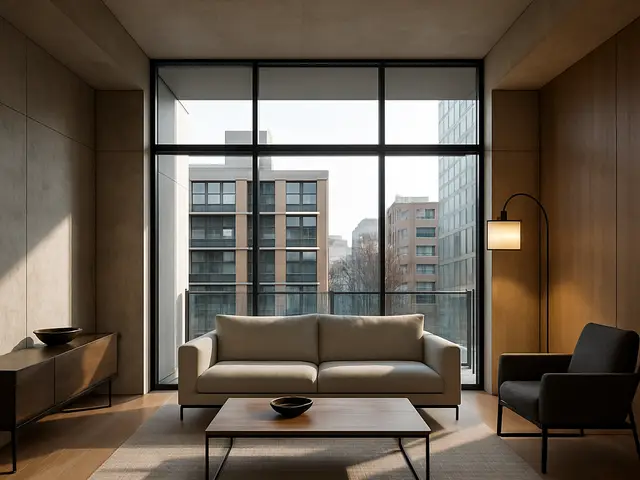
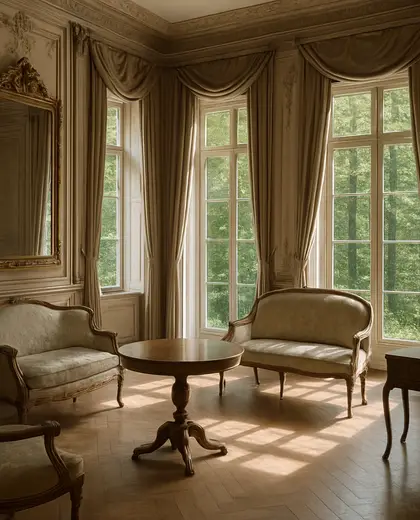
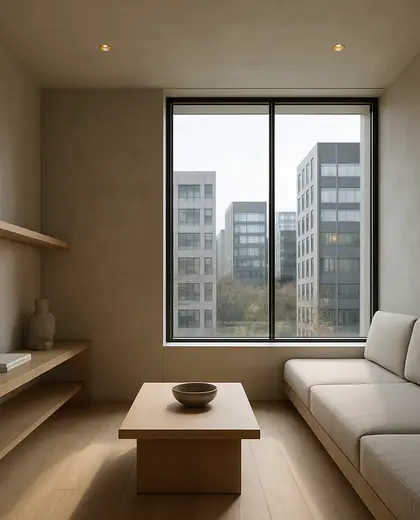
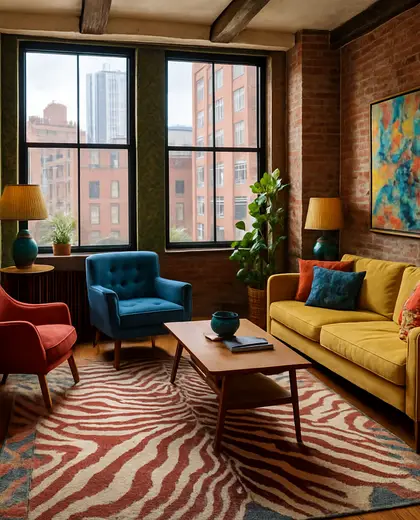
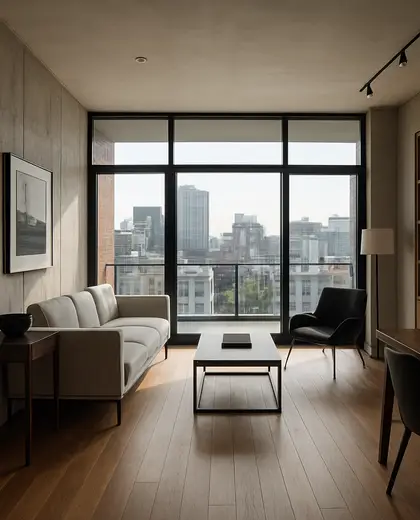
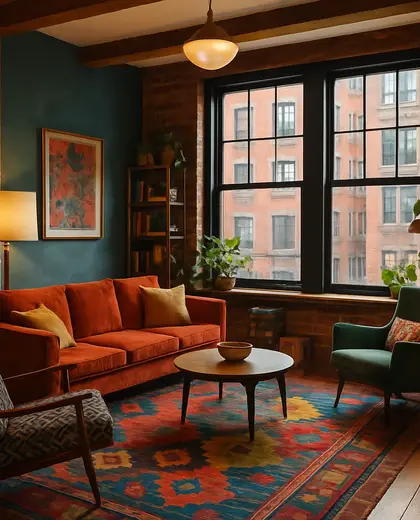
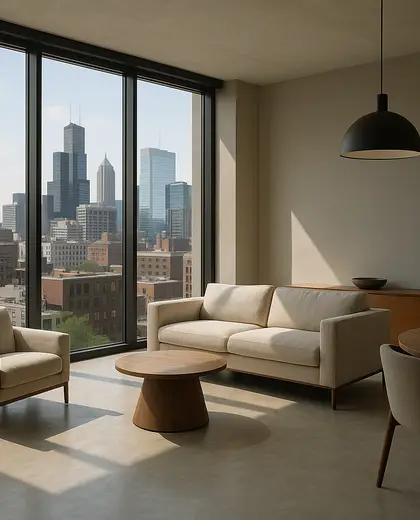
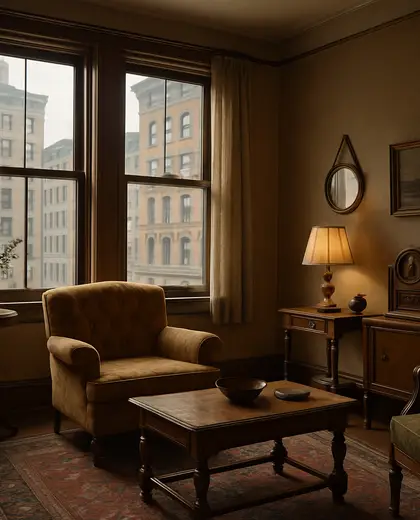
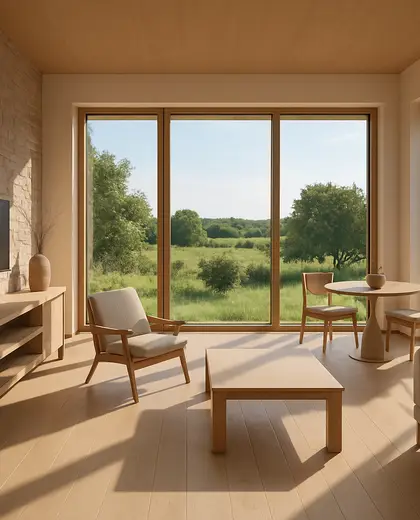
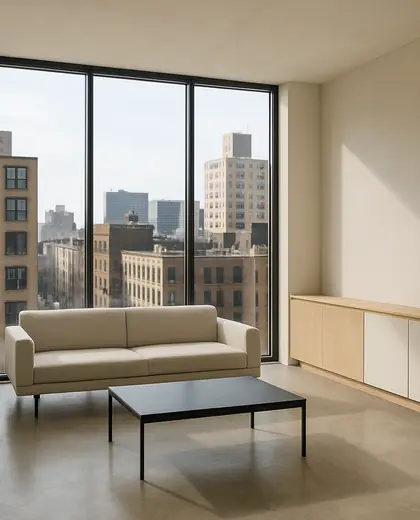
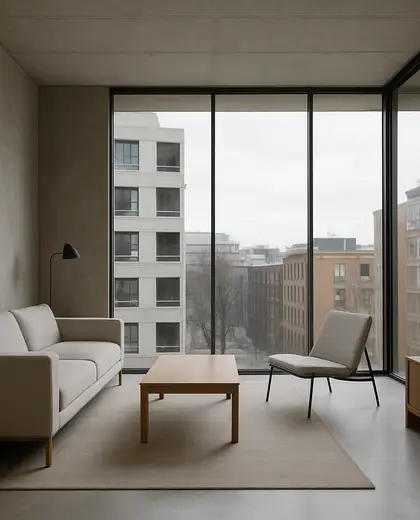
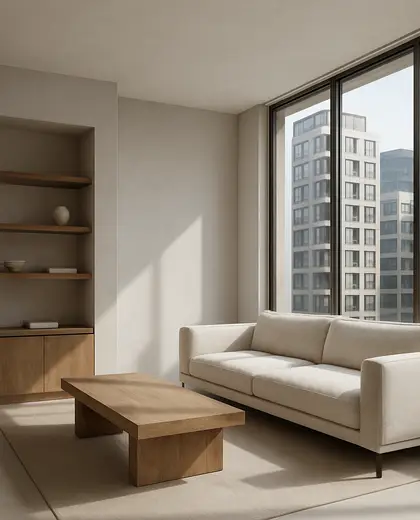
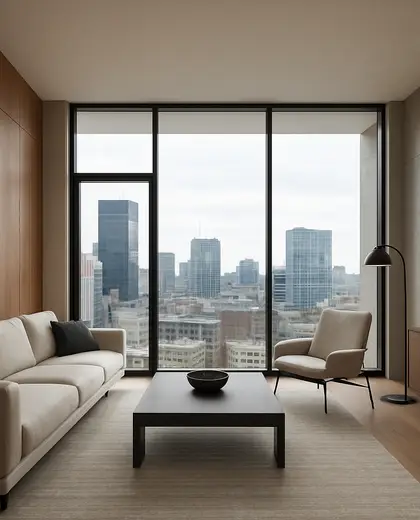
This composition is defined by a room-centered approach to the house, where each interior space is treated as a distinct, usable volume. It usually features clear wall planes, built-in storage, layered lighting, and materials such as wood, plaster, stone, glass, and painted finishes. The result is a practical, cohesive interior that connects everyday rooms to the larger house layout.
- room
- house
— References
References to explore
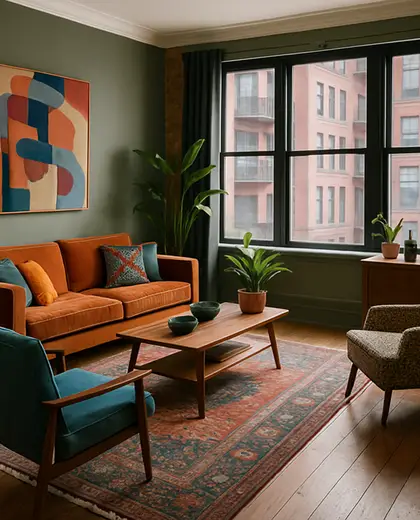
What makes a room-house composition different from a standard house interior?
The emphasis is on how each room is shaped and used, not just on decorating the house as a whole. The layout, proportions, and transitions between rooms are part of the design language.
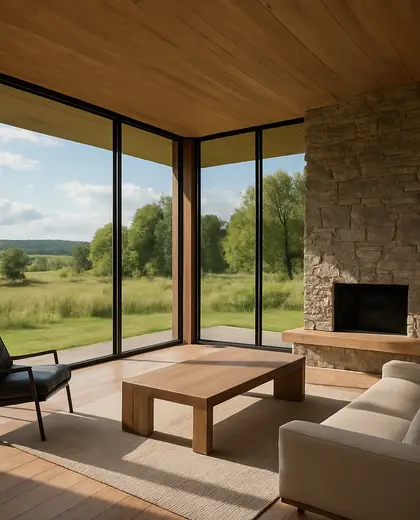
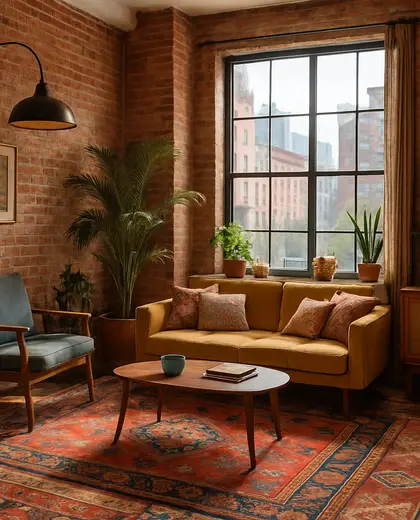
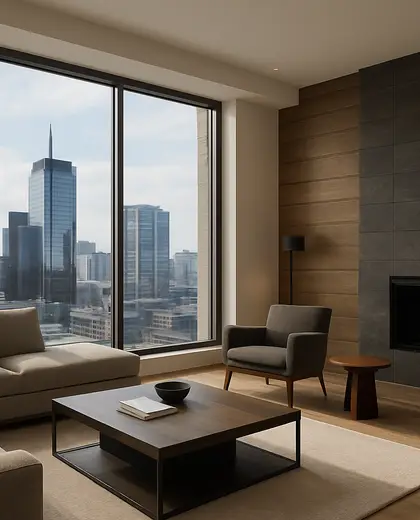
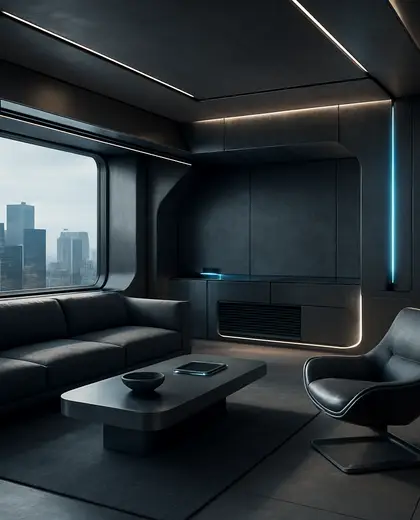
Which materials work best for this style?
Natural and low-gloss materials work well, especially timber, plaster, stone, and glass. They help define the rooms while keeping the house visually calm and connected.
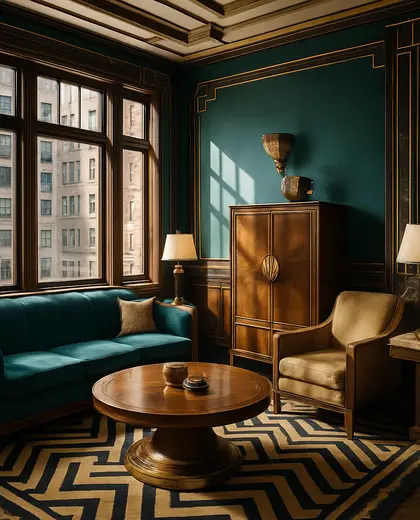
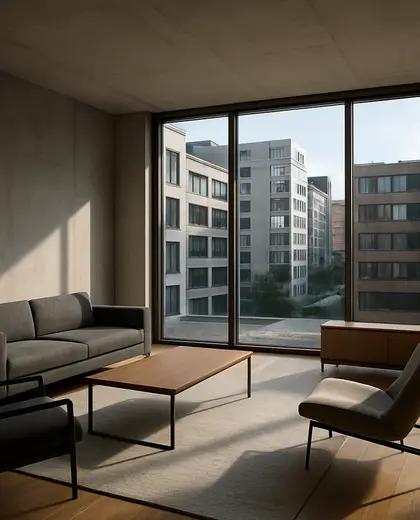
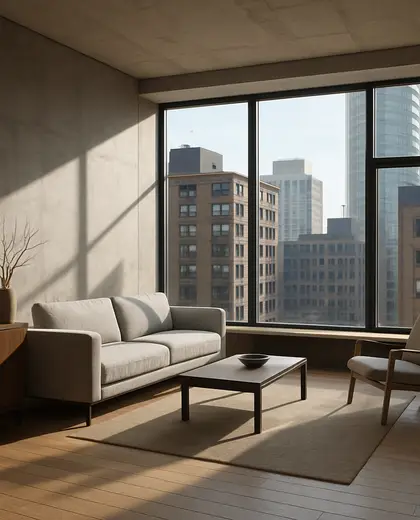
How can I make the rooms feel unified without making them identical?
Use a shared palette, repeated trim details, similar flooring, or a consistent lighting approach. Then vary furniture, wall treatment, or built-ins from room to room to give each space its own function.

— The style
What defines it
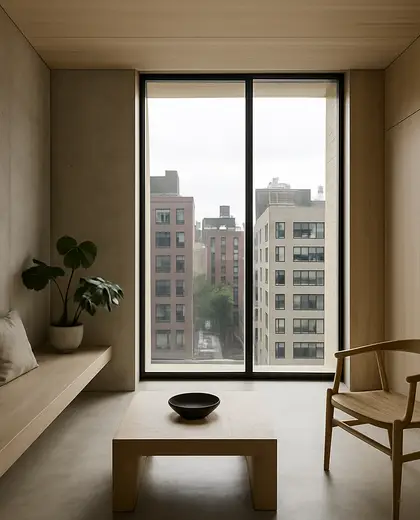
Wood, plaster, stone, glass, and matte painted surfaces are commonly used to give the rooms a grounded, finished feel.
Soft neutrals, warm whites, beige, oak tones, charcoal accents, and muted earth colors keep the composition calm and connected.
It combines room planning with the overall house structure, linking individual spaces through circulation, storage, and consistent detailing.
— Professionals
Who has already built it
- john allegrettiarchitects · 6 projectsView profile →
- pfuner designinterior designers · 11 projectsView profile →
- Karavaan Homefurniture sellers · High Point · 4 projectsView profile →
- jacob galleslandscape designers · 6 projectsView profile →
— Explore
Keep exploring
— Questions
Frequently asked questions
What makes a room-house composition different from a standard house interior?
The emphasis is on how each room is shaped and used, not just on decorating the house as a whole. The layout, proportions, and transitions between rooms are part of the design language.
Which materials work best for this style?
Natural and low-gloss materials work well, especially timber, plaster, stone, and glass. They help define the rooms while keeping the house visually calm and connected.
How can I make the rooms feel unified without making them identical?
Use a shared palette, repeated trim details, similar flooring, or a consistent lighting approach. Then vary furniture, wall treatment, or built-ins from room to room to give each space its own function.