— Ideas & inspiration
Room composition
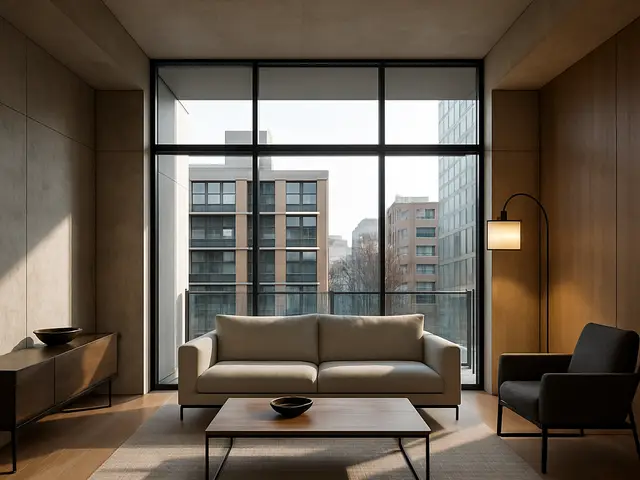
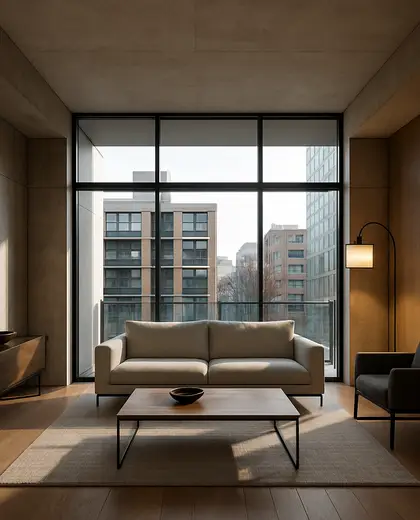
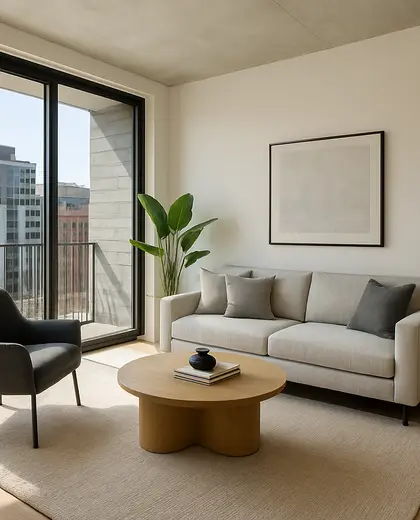
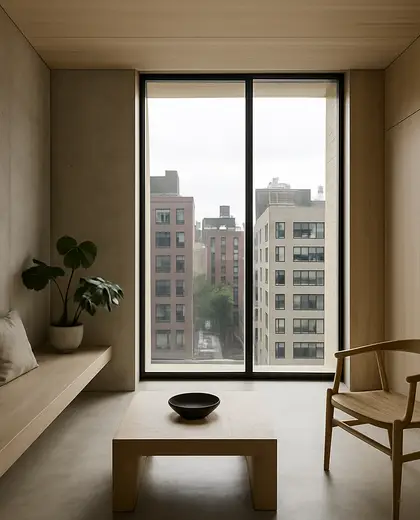
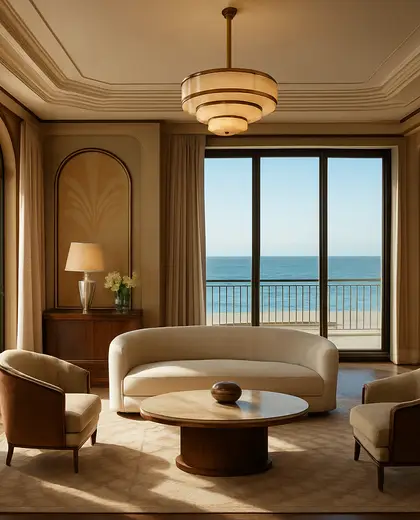
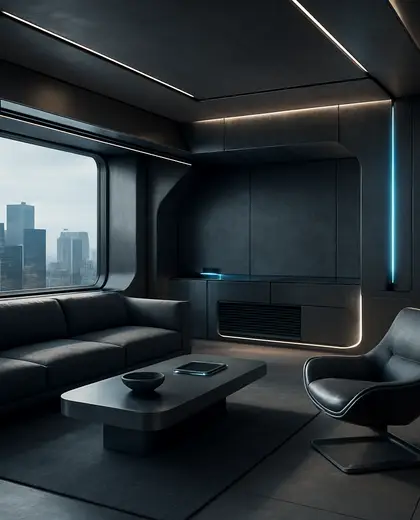
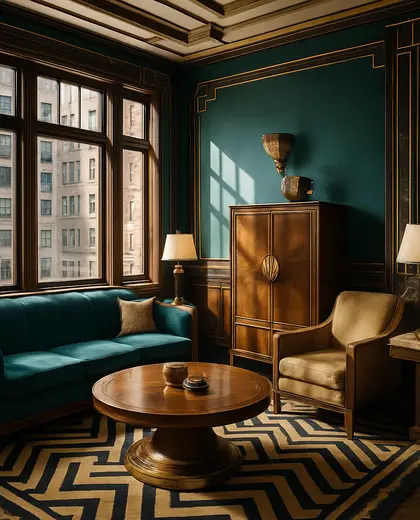
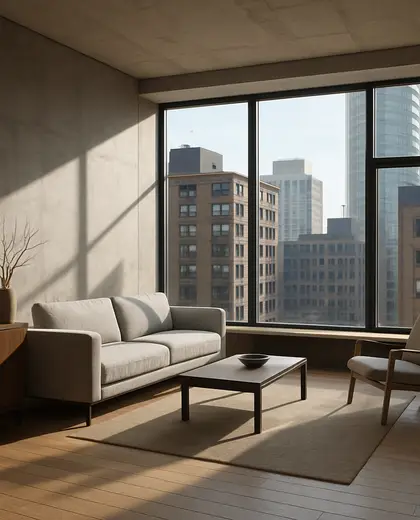
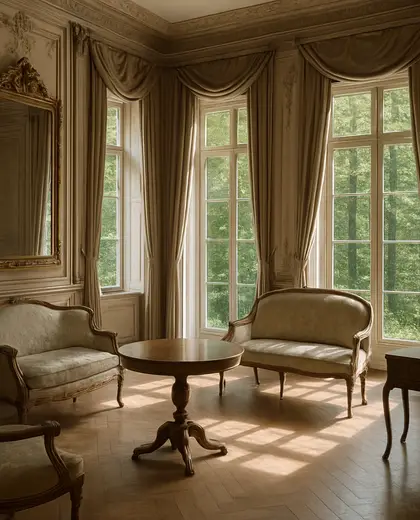
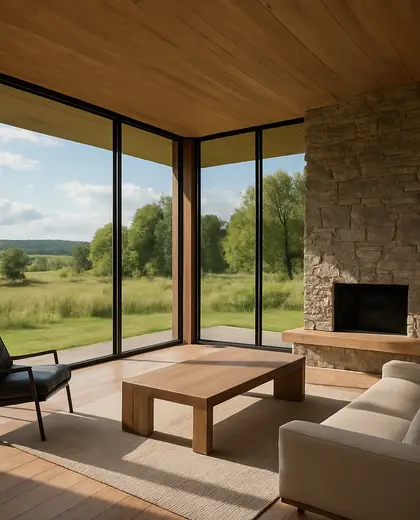
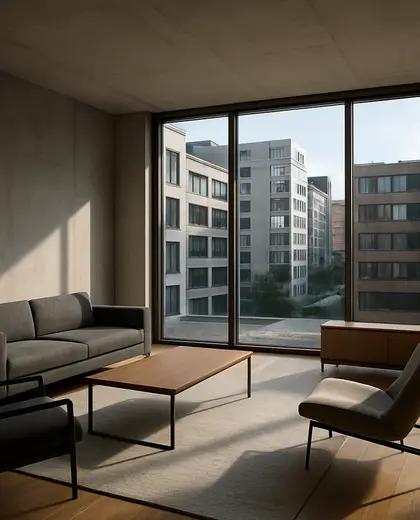
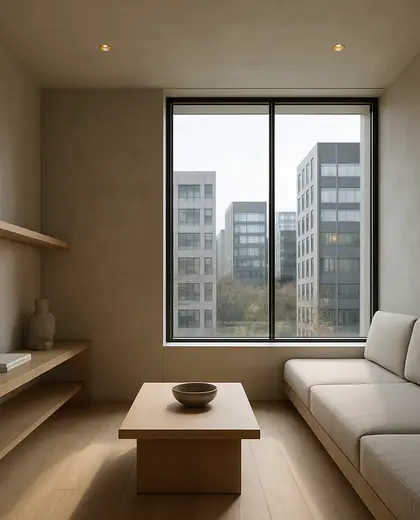
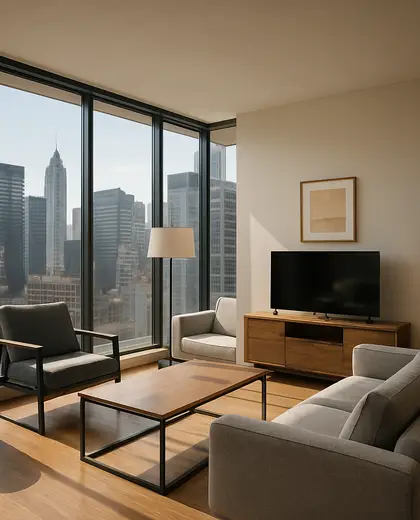
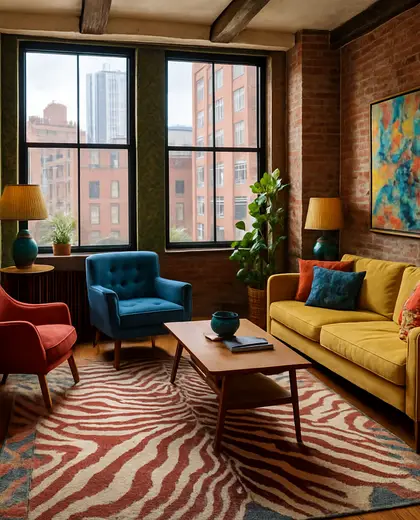
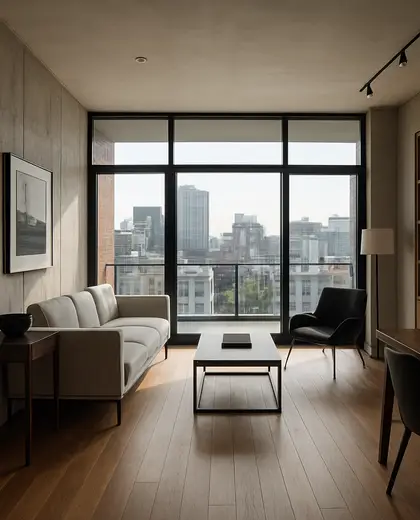
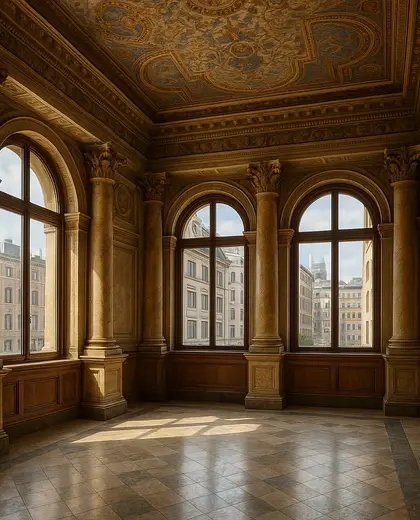
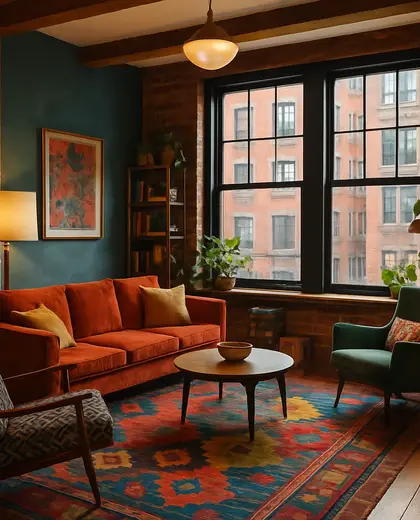
A room composition is defined by the coordinated treatment of walls, floor, ceiling, and openings so the space feels complete and intentional. It often uses a restrained material mix such as painted plaster, wood, stone, textile, and metal, with the layout centered on proportion, light, and circulation. The palette is usually quiet and balanced, with one or two stronger accents to guide attention.
- room
— References
References to explore
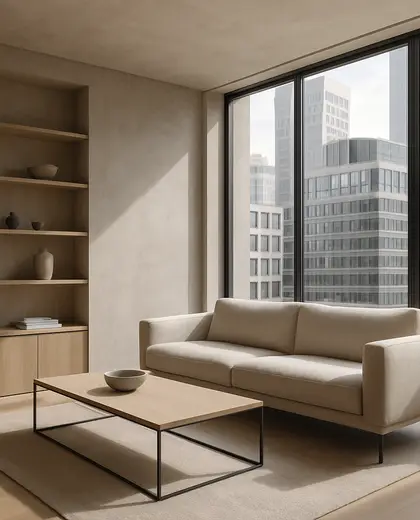
What makes a room composition feel cohesive?
Consistent materials, a limited color palette, and repeated details across surfaces and furnishings help the room read as one composition.
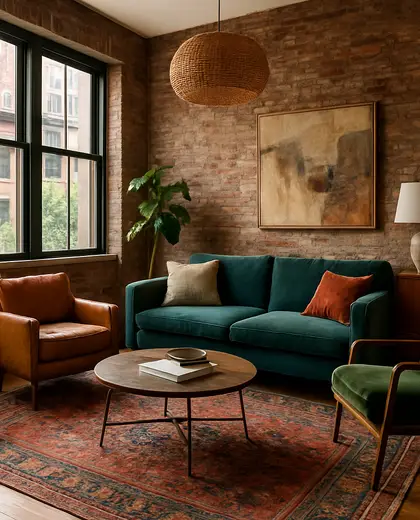
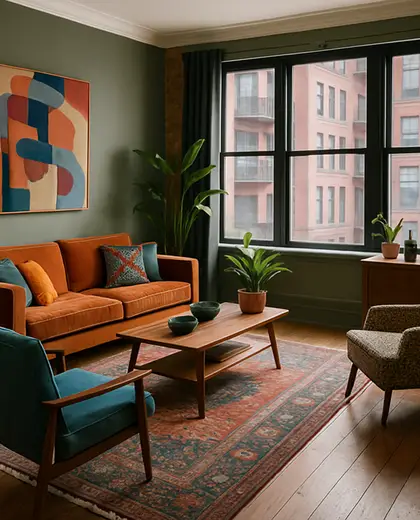
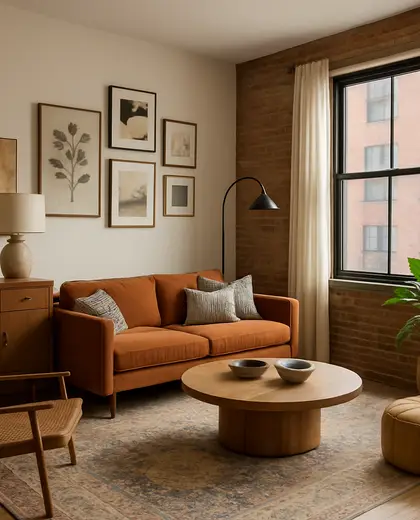
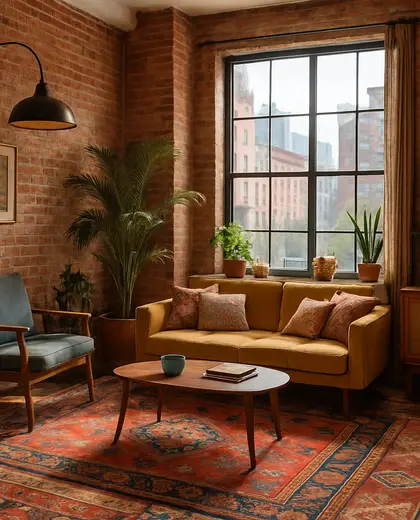
Can a room composition include mixed styles?
Yes, but the mix works best when one material family, color temperature, or proportion system stays consistent across the space.
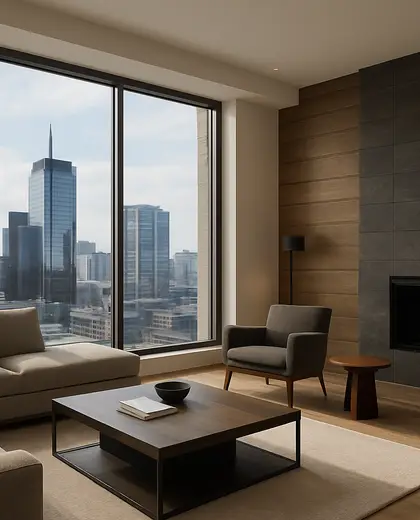
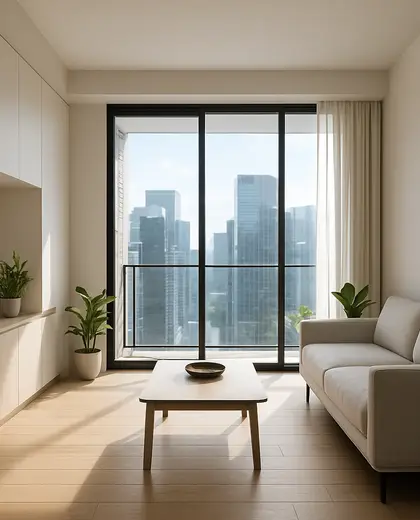
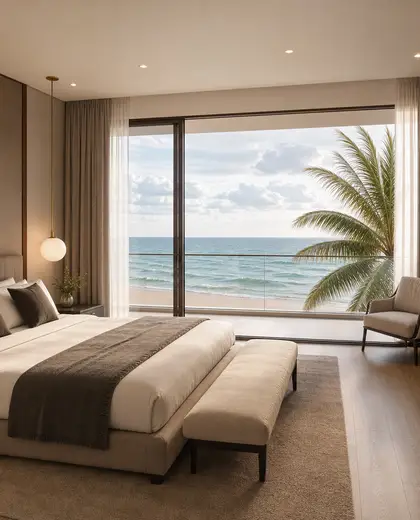
Do I need a large room for this composition?
No. Smaller rooms can use the same approach, often with lighter colors, fewer materials, and built-ins that reduce visual clutter.
— The style
What defines it
Common materials include plaster, timber, stone, ceramic, glass, and upholstery, chosen for durability and tactile quality.
Neutral or muted bases are typical, such as white, beige, grey, sand, and warm wood tones, sometimes punctuated by darker contrasts.
This composition works well with built-in storage, soft furnishings, layered lighting, and simple architectural details that define zones.
— Professionals
Who has already built it
- john allegrettiarchitects · 6 projectsView profile →
- pfuner designinterior designers · 11 projectsView profile →
- Karavaan Homefurniture sellers · High Point · 4 projectsView profile →
- jacob galleslandscape designers · 6 projectsView profile →
— Questions
Frequently asked questions
What makes a room composition feel cohesive?
Consistent materials, a limited color palette, and repeated details across surfaces and furnishings help the room read as one composition.
Can a room composition include mixed styles?
Yes, but the mix works best when one material family, color temperature, or proportion system stays consistent across the space.
Do I need a large room for this composition?
No. Smaller rooms can use the same approach, often with lighter colors, fewer materials, and built-ins that reduce visual clutter.