— Ideas & inspiration
Sustainable vertical garden design
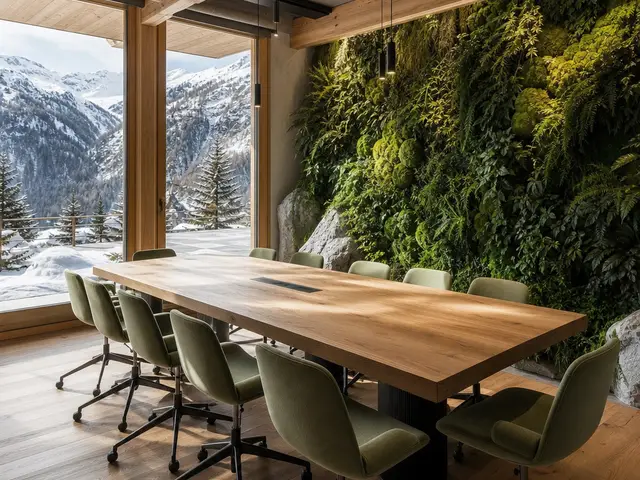
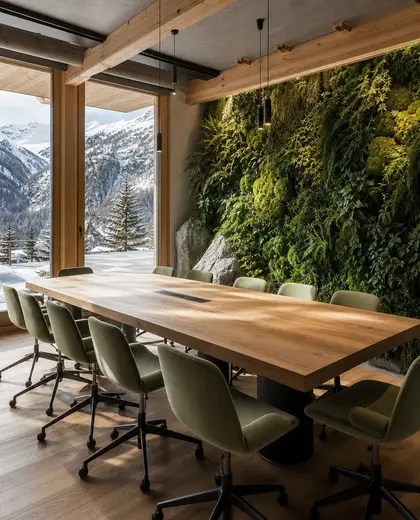
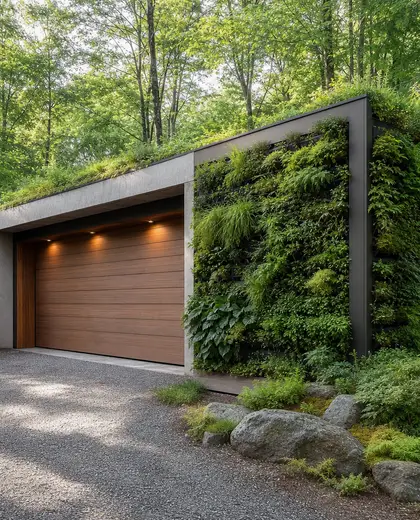
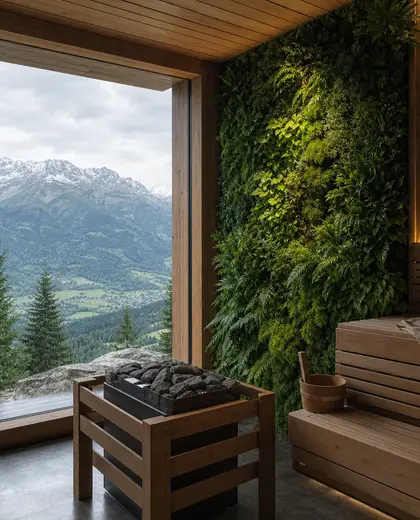
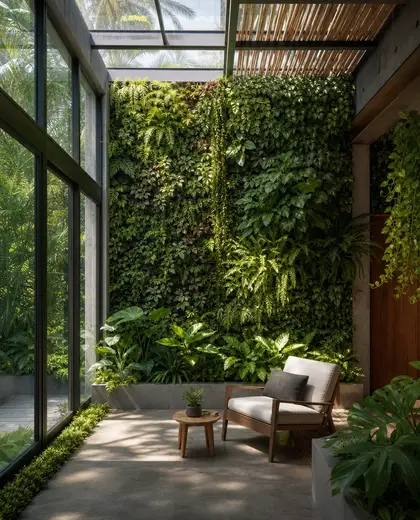
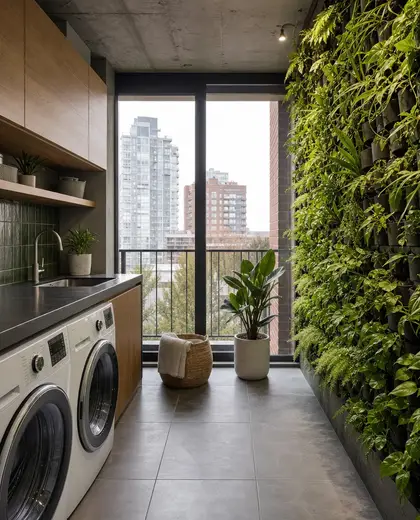
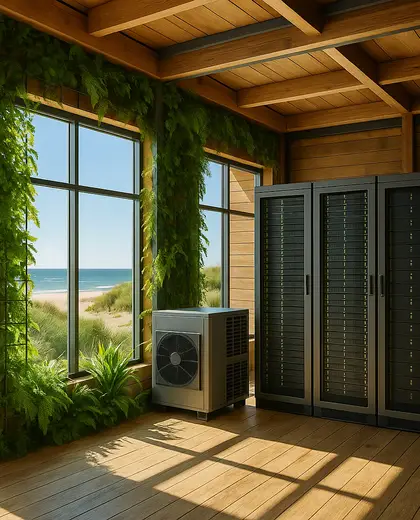
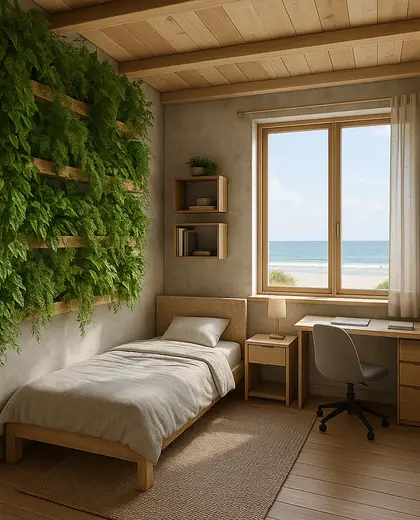
A sustainable vertical garden pairs living planting systems with low-impact construction details such as reclaimed timber frames, recycled metal supports, modular planters, and efficient drip irrigation. The look is usually layered and textural, with dense foliage, natural finishes, and a restrained palette of greens, browns, stone, and matte metal. It is defined by plant structure, drainage, access for maintenance, and materials that reduce water use and environmental impact.
- vertical garden
- sustainable
— References
References to explore
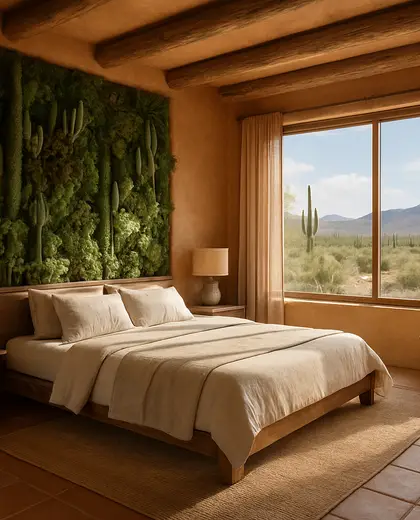
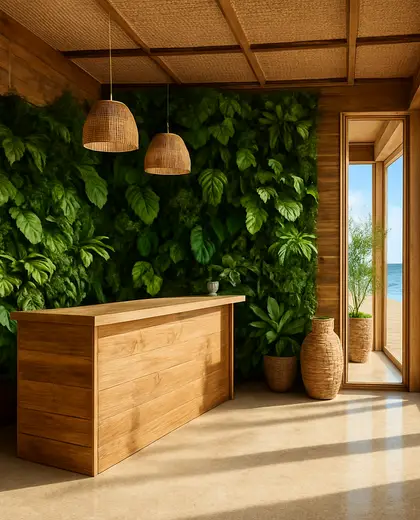
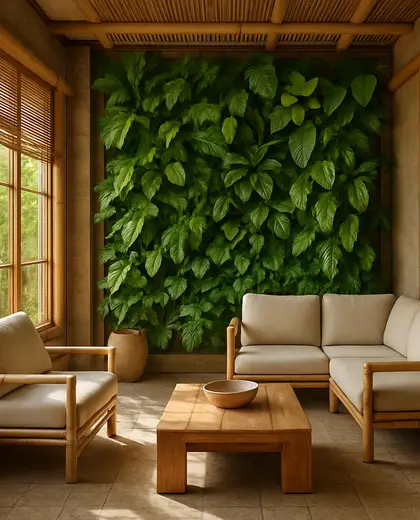
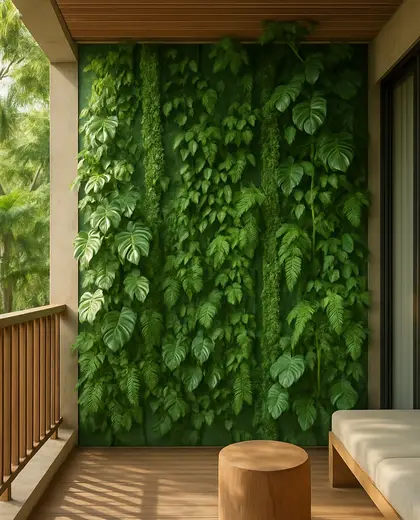
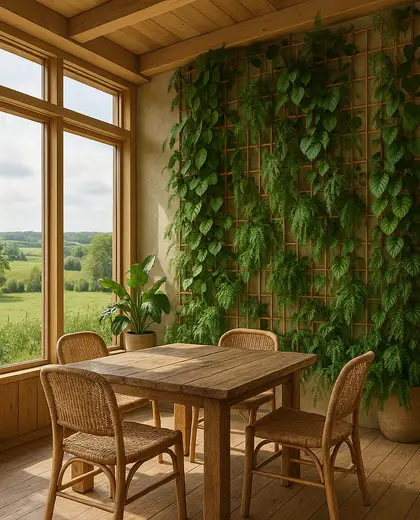
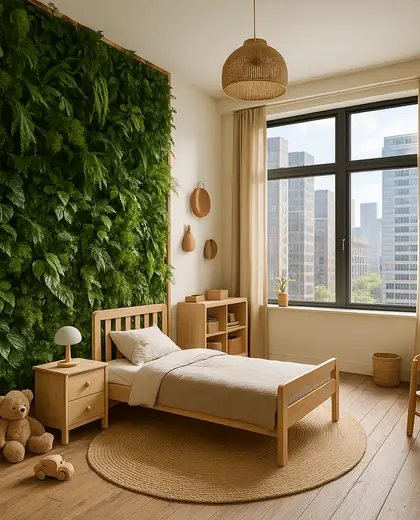
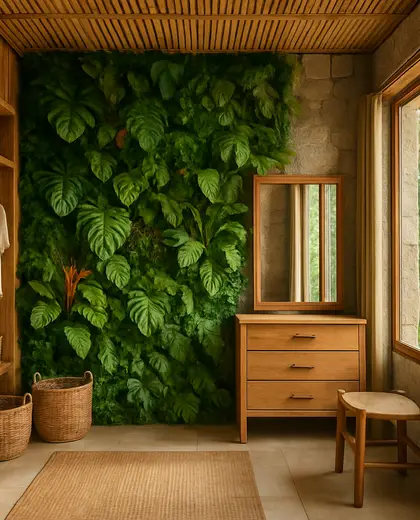
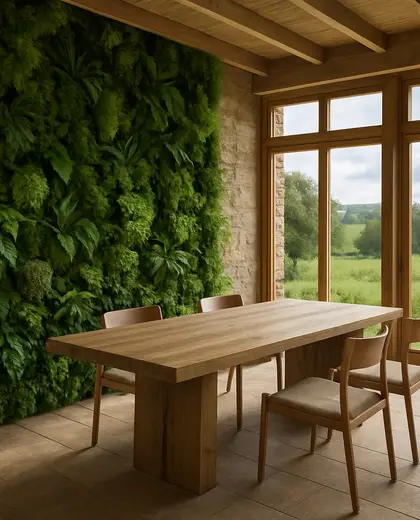
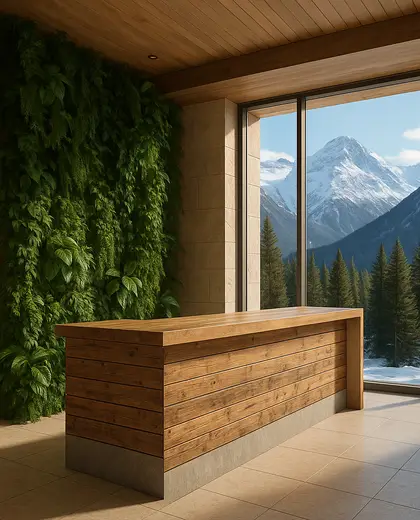
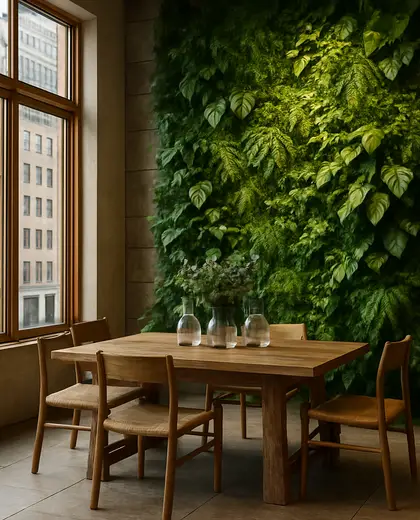
What makes a vertical garden sustainable?
It usually uses durable low-impact materials, efficient irrigation, suitable native or drought-tolerant plants, and a design that minimizes waste and replacement.
— The style
What defines it
Recycled metal frames, FSC-certified or reclaimed wood, lightweight planter modules, geotextile layers, and water-efficient irrigation parts.
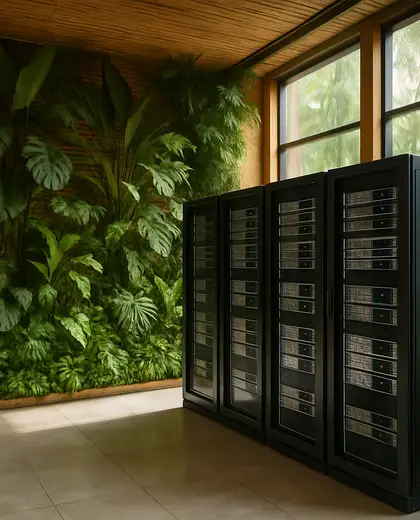
Green foliage, earthy browns, soft stone tones, and muted metal finishes, often kept calm so the planting remains the focus.
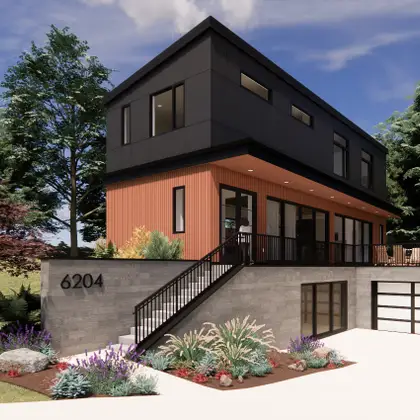
Exterior facades, courtyards, patios, balconies, and indoor atriums where vertical planting can improve privacy, shade, and microclimate.
— Professionals
Who has already built it

- Karavaan Homefurniture sellers · High Point · 4 projectsView profile →
— Explore
Keep exploring
— ARTICLES
Related reading
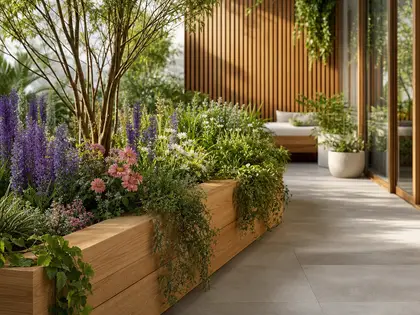
flower bed renovation on a real-world budget: what it costs and where to spend
A practical budget guide for renovating a flower bed in the U.S., with realistic cost ranges, smart places to splurge or save, and hidden expenses to plan for.
Read article →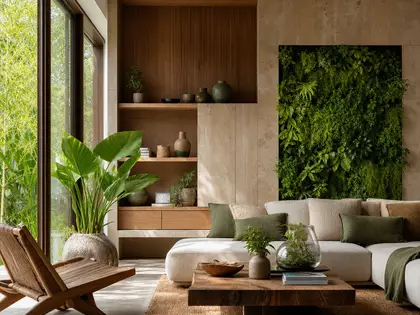
Edging on a budget: what a realistic landscape renovation actually costs
A practical budget guide to landscape edging renovation in the U.S., including material costs, labor trade-offs, hidden expenses, and where to spend or save for a clean, durable result.
Read article →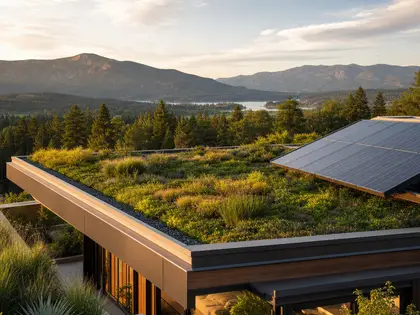
Roof Trends Shaping the Home Above You
A practical look at the roof trends defining today’s homes, from durable materials and darker color palettes to cleaner lines, smart performance, and low-lift updates that do not require a full reroof.
Read article →— Questions
Frequently asked questions
What makes a vertical garden sustainable?
It usually uses durable low-impact materials, efficient irrigation, suitable native or drought-tolerant plants, and a design that minimizes waste and replacement.
Can a sustainable vertical garden work indoors?
Yes, if the space has enough light or supplemental grow lighting, proper waterproofing, drainage control, and a maintenance plan for watering and pruning.
What should I consider before installing one?
Check wall load capacity, sun exposure, irrigation access, drainage, and how much ongoing care the planting mix will need in your climate.