— Ideas & inspiration
Vertical Garden
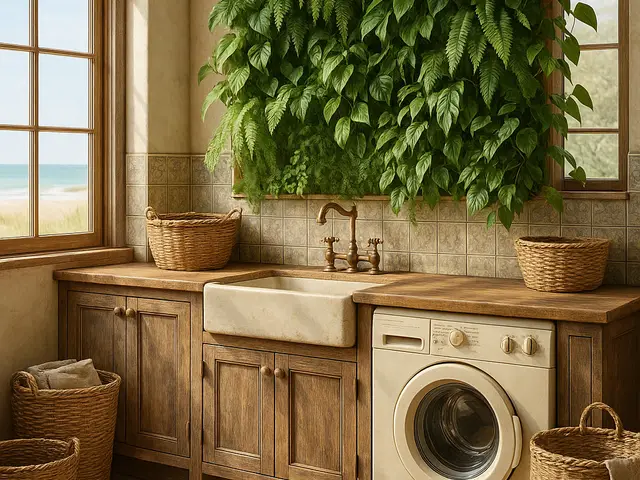
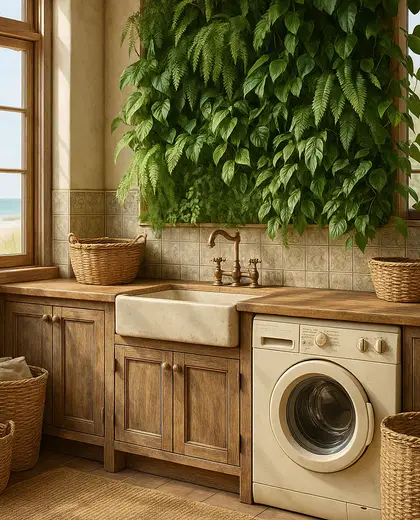
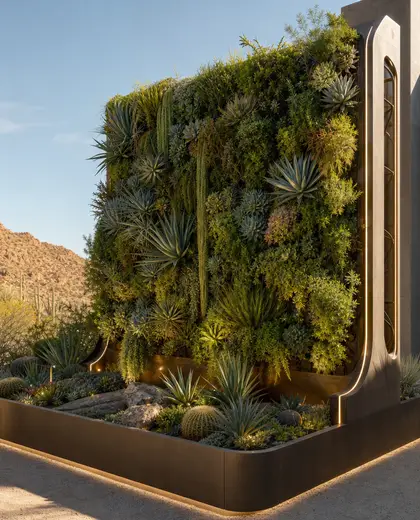
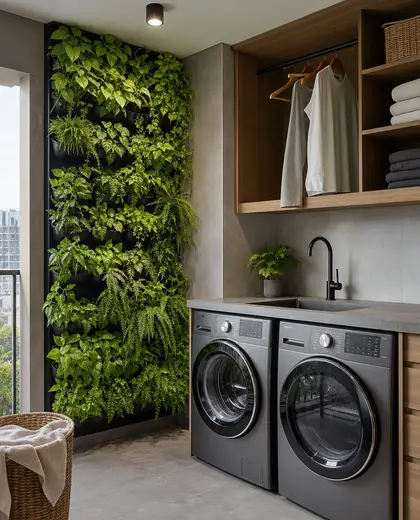
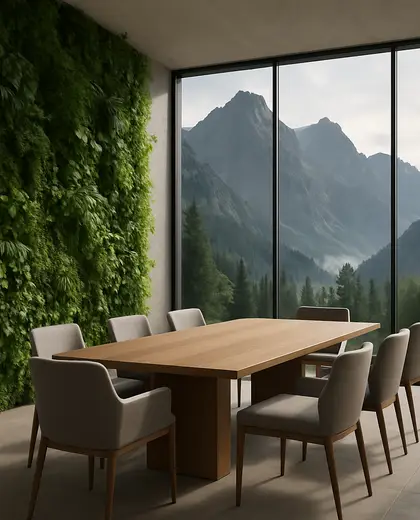
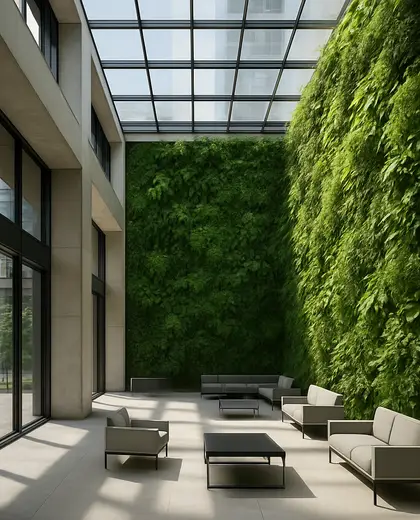
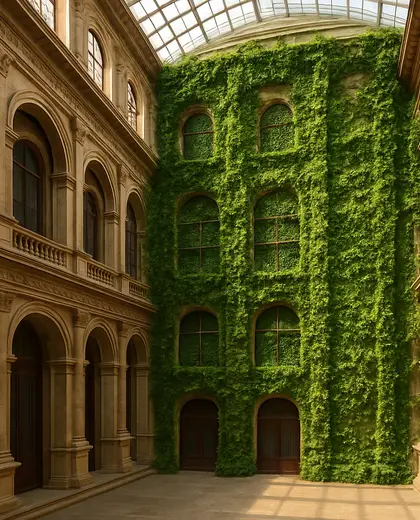
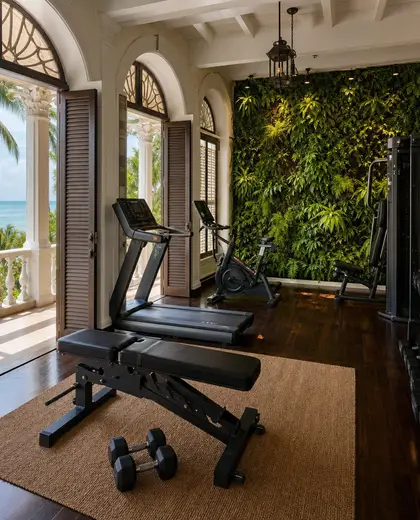
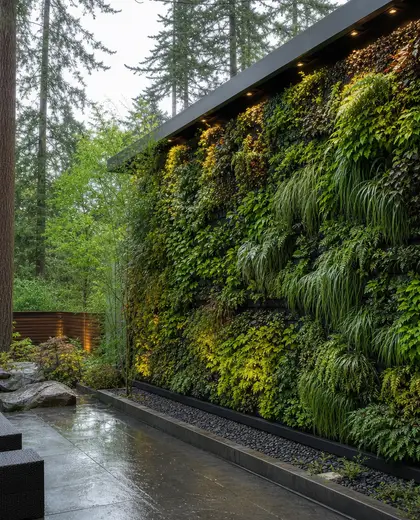
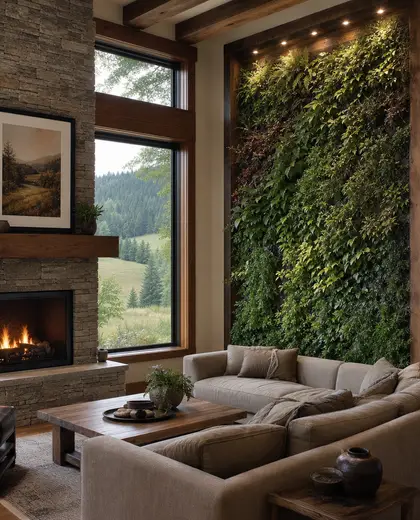
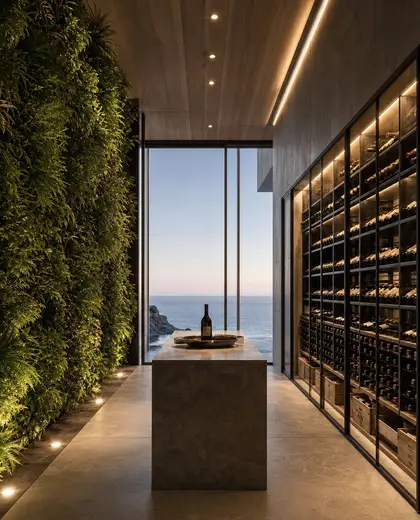
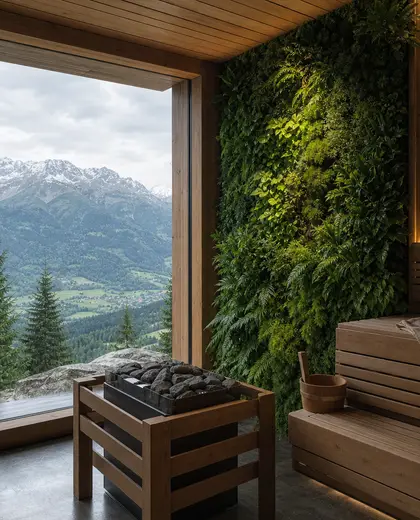
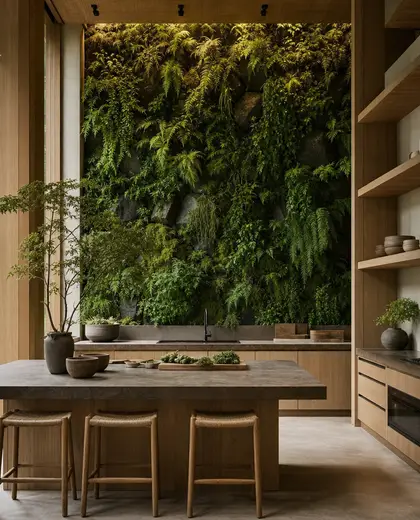
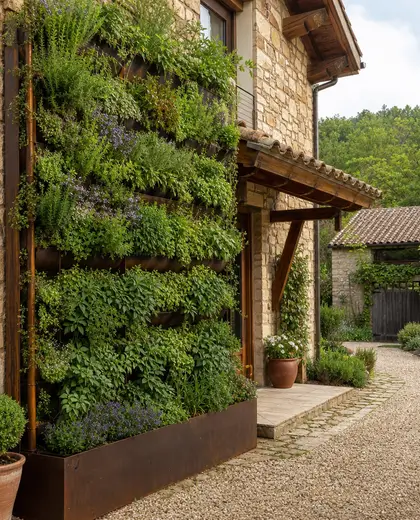
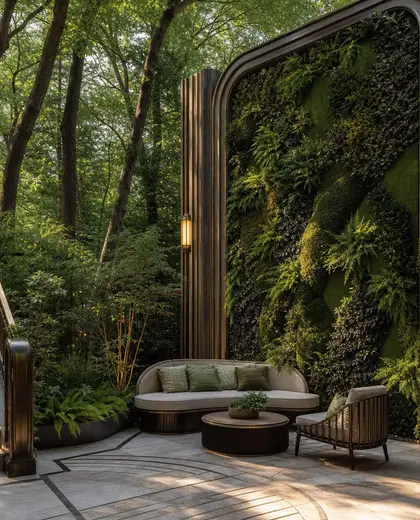
A vertical garden is a plant-covered wall or freestanding panel built with a waterproof backing, planting modules, and integrated irrigation. It typically uses metal or treated timber frames, felt pockets, modular planters, or trellis systems, with dense greenery chosen to suit the light conditions. The composition is defined by layered vegetation, visible support structure, and moisture management details.
- vertical garden
— References
References to explore
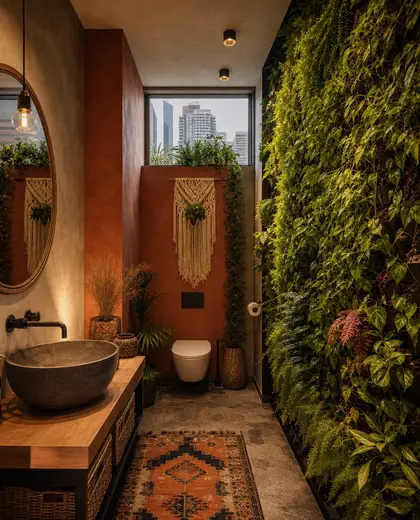
Can a vertical garden work indoors as well as outdoors?
Yes, but indoor versions need reliable light, controlled watering, and drainage protection. Outdoor versions need weather-resistant materials and a planting mix suited to sun, shade, and wind exposure.
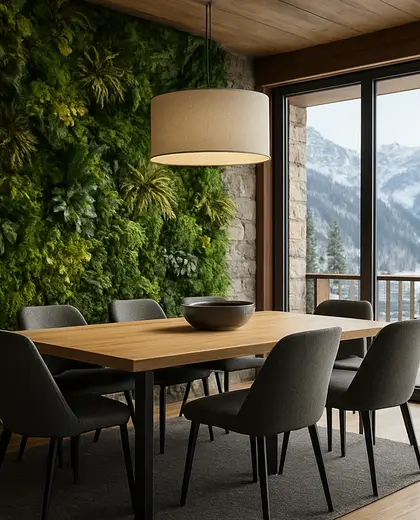

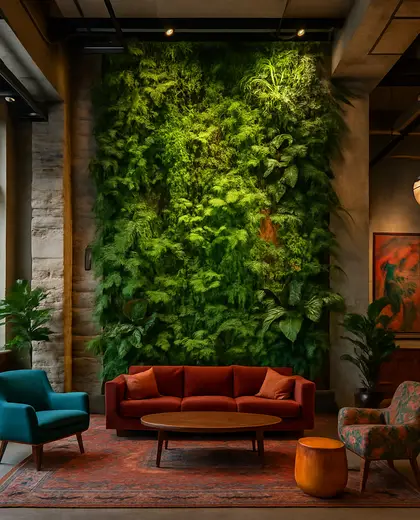
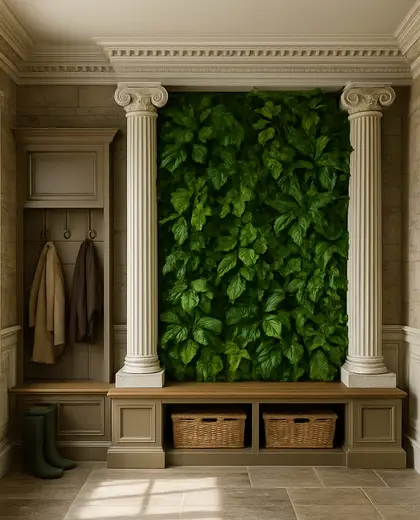
Does a vertical garden need irrigation?
In most cases, yes. A drip or recirculating irrigation system helps keep plants evenly watered and reduces maintenance compared with hand watering.
What should I consider before adding one to my home?
Check wall load, waterproofing, drainage, access for maintenance, and how much light the location receives. Plant choice should match the climate and the amount of sun or shade the wall gets.

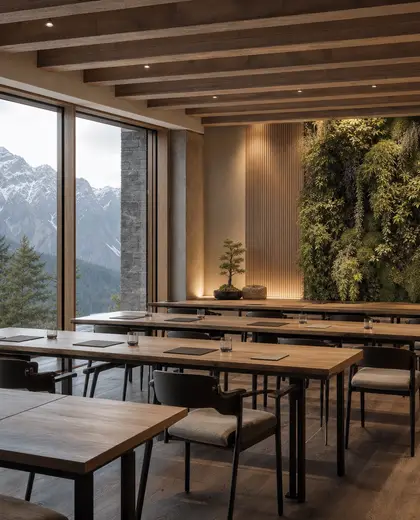
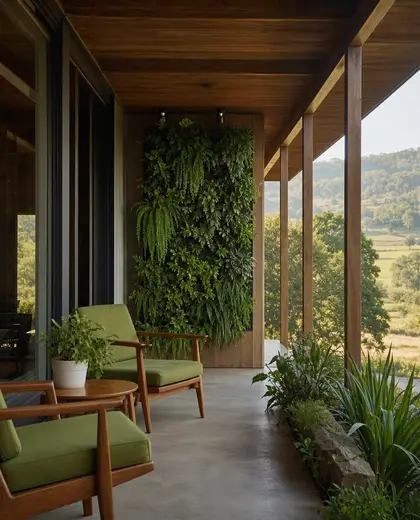
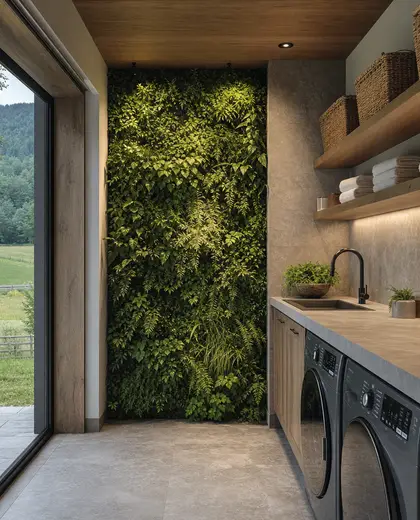
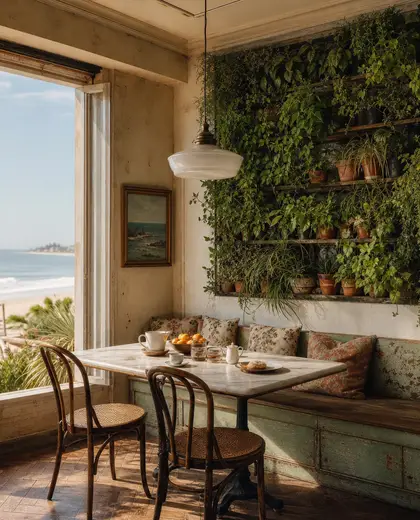
— The style
What defines it
Waterproof membrane, metal or timber frame, planting pockets or modular trays, irrigation lines, and drainage layers.
Mostly greens and neutrals, often softened by natural wood, dark metal, stone, or matte black hardware.
Works well with concrete, stone, glass, and wood surfaces, especially on courtyards, balconies, patios, and entry walls.
— Professionals
Who has already built it
- roland a arriaga architecarchitects · 8 projectsView profile →
- pfuner designinterior designers · 11 projectsView profile →
- Karavaan Homefurniture sellers · High Point · 4 projectsView profile →
- jacob galleslandscape designers · 6 projectsView profile →
— Questions
Frequently asked questions
Can a vertical garden work indoors as well as outdoors?
Yes, but indoor versions need reliable light, controlled watering, and drainage protection. Outdoor versions need weather-resistant materials and a planting mix suited to sun, shade, and wind exposure.
Does a vertical garden need irrigation?
In most cases, yes. A drip or recirculating irrigation system helps keep plants evenly watered and reduces maintenance compared with hand watering.
What should I consider before adding one to my home?
Check wall load, waterproofing, drainage, access for maintenance, and how much light the location receives. Plant choice should match the climate and the amount of sun or shade the wall gets.