— Ideas & inspiration
Theater in the desert
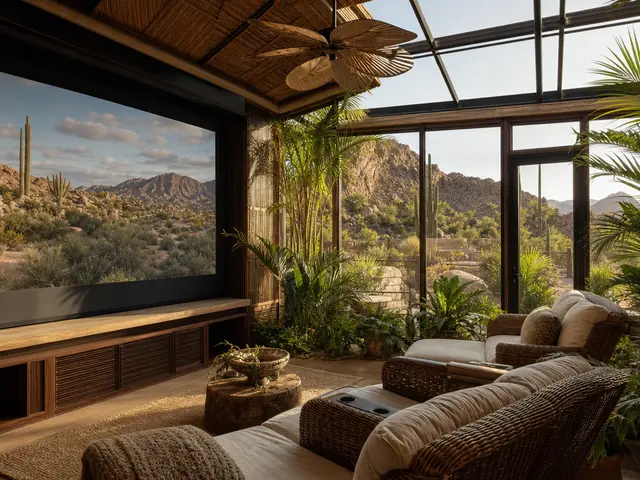
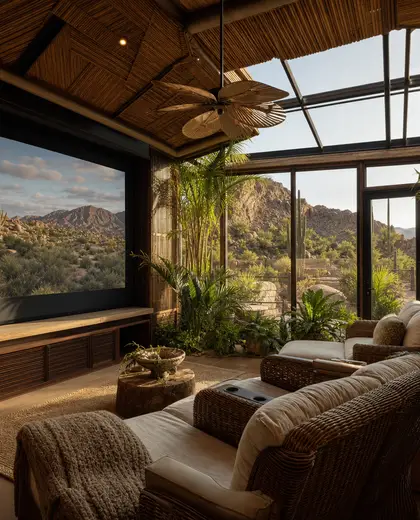
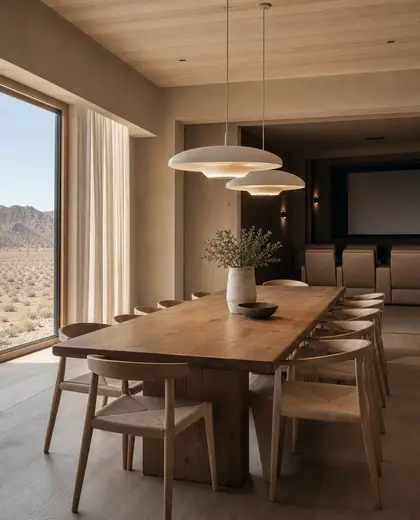
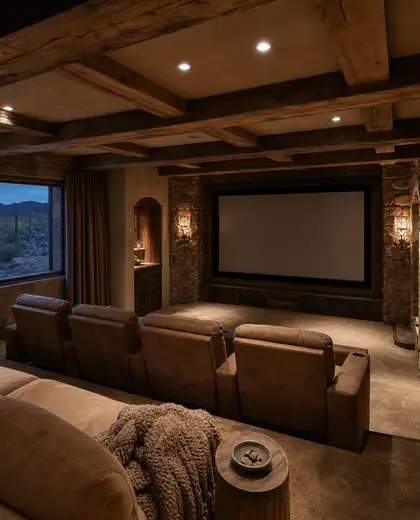
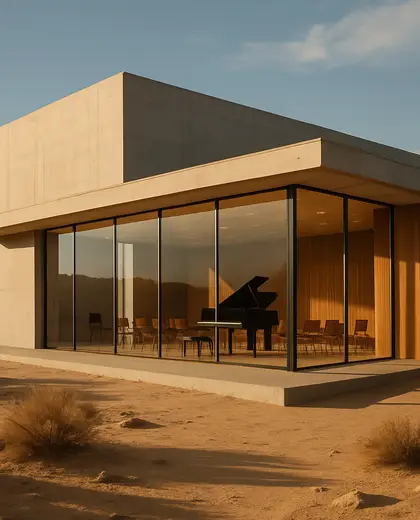
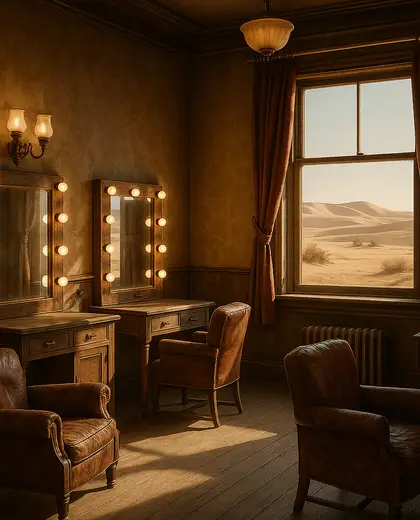
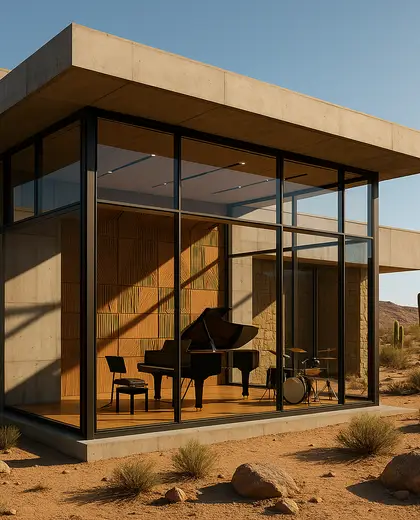
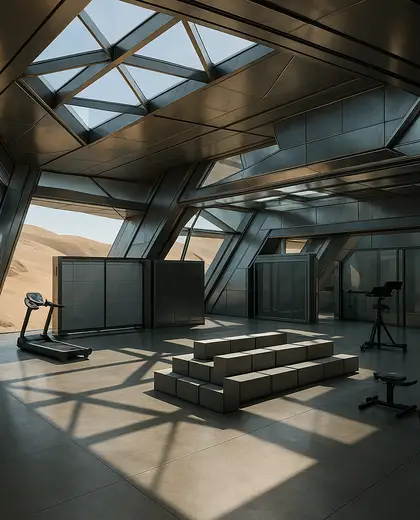
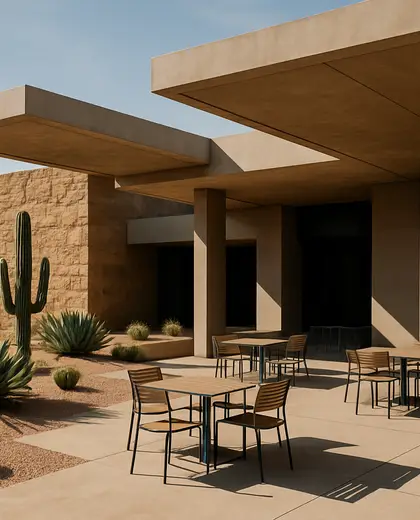
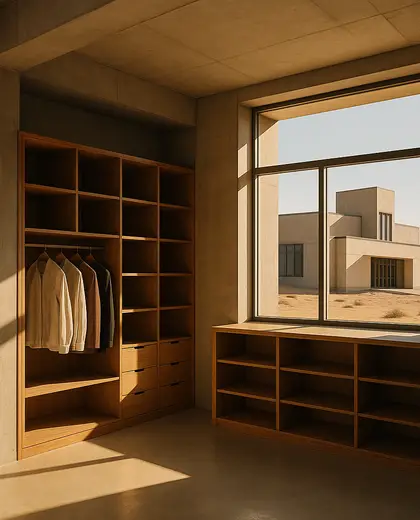
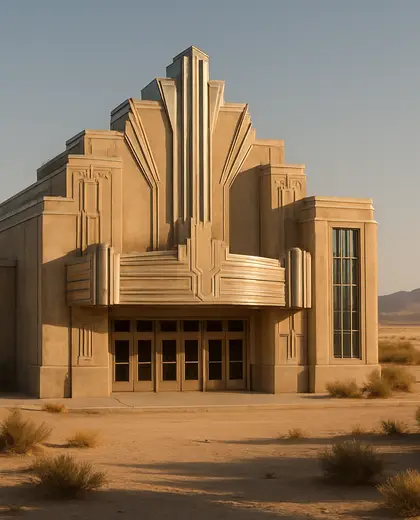
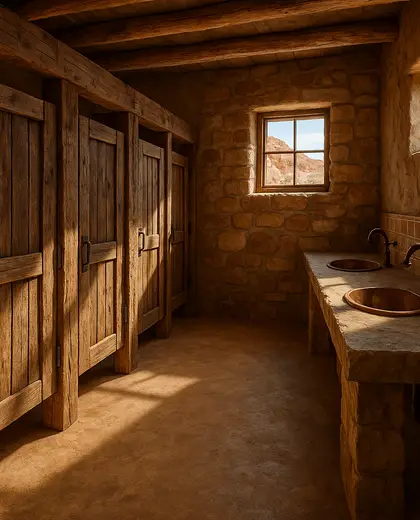
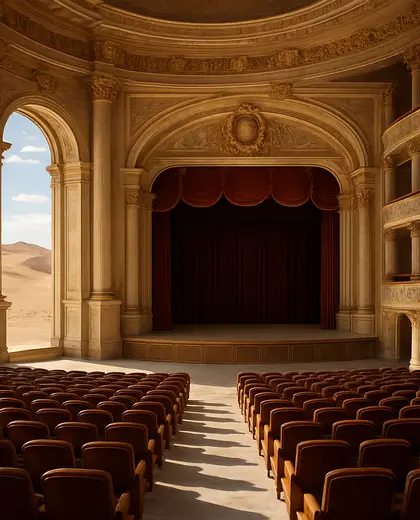
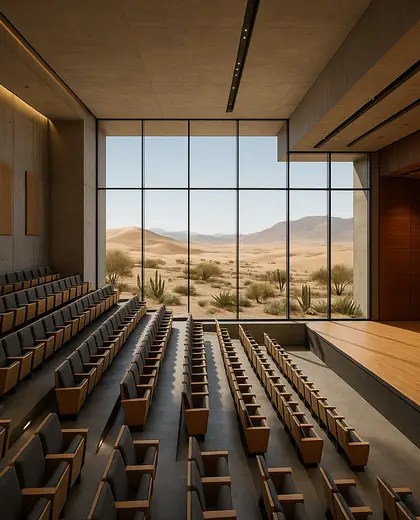
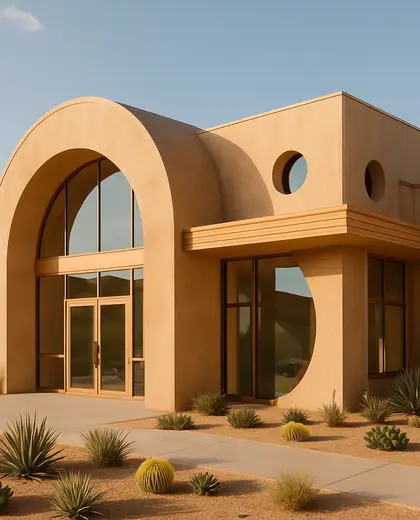
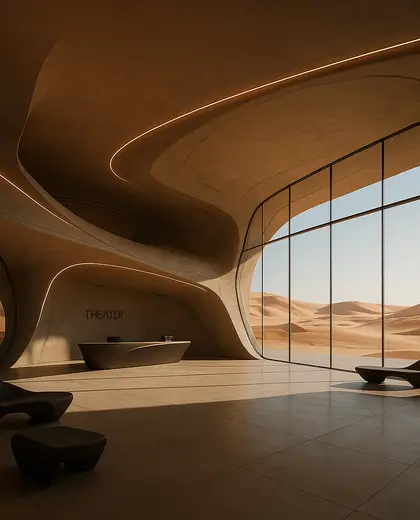
This composition pairs the drama of theater with the restraint of desert architecture. It usually features sun-baked stone, textured plaster, weathered wood, and deep shaded openings, set against a palette of sand, clay, ochre, charcoal, and muted bronze. Strong geometries, courtyards, layered thresholds, and stage-like light and shadow give it its defining character.
- theater
- desert
— References
References to explore
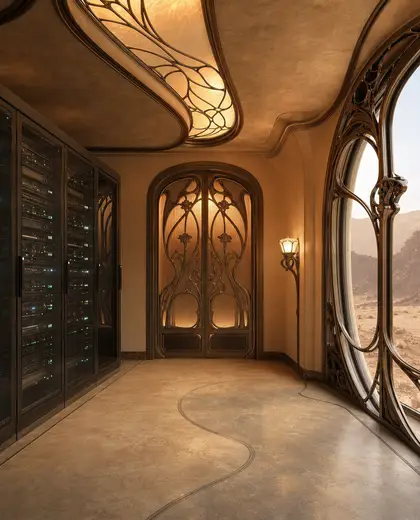
How does a theater-desert interior feel in a home?
It feels quiet but dramatic, with strong contrasts between bright open areas and deep shaded rooms. The mood is warm, sculptural, and grounded rather than ornate.
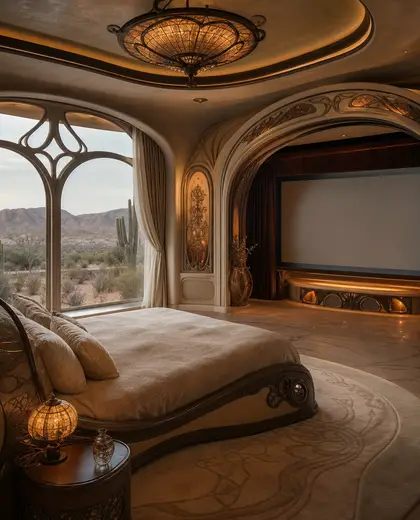
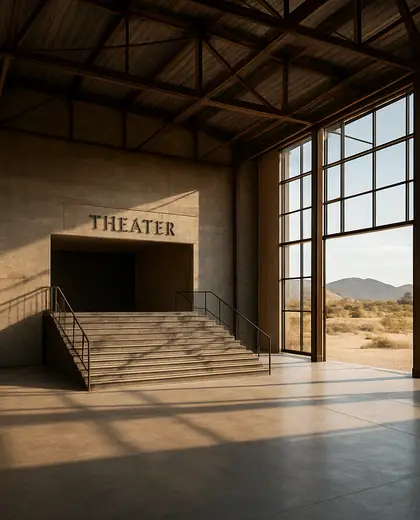
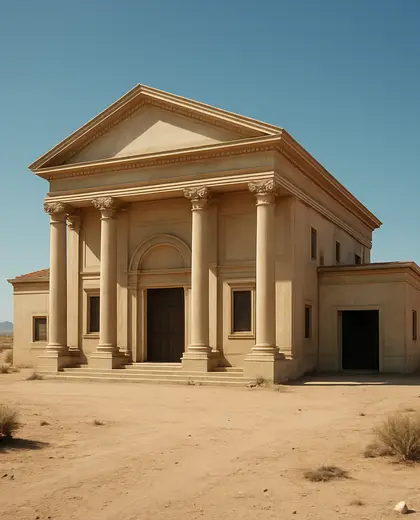
What materials work best for this look?
Natural and mineral materials work best, especially plaster, stone, wood, and matte metals. Finishes should read tactile and sun-worn rather than glossy.
Does this style work outside the desert?
Yes, if you adapt it to the local climate and light. The key is the atmosphere: layered shade, earthy tones, and simple forms, not a literal desert setting.
— The style
What defines it
Textured plaster, stone, timber, bronze-toned metal, and sometimes rammed earth or concrete.
Sand, beige, clay, ochre, umber, charcoal, and warm dusk tones with low saturation.
Dramatic volumes, framed views, courtyard planning, and theatrical lighting or shadow play.
— Professionals
Who has already built it
- fathoms designarchitects · Wheaton · 6 projectsView profile →
- Karavaan Homefurniture sellers · High Point · 4 projectsView profile →
- jacob galleslandscape designers · 6 projectsView profile →
- pfuner designinterior designers · 11 projectsView profile →
— Explore
Keep exploring
— Questions
Frequently asked questions
How does a theater-desert interior feel in a home?
It feels quiet but dramatic, with strong contrasts between bright open areas and deep shaded rooms. The mood is warm, sculptural, and grounded rather than ornate.
What materials work best for this look?
Natural and mineral materials work best, especially plaster, stone, wood, and matte metals. Finishes should read tactile and sun-worn rather than glossy.
Does this style work outside the desert?
Yes, if you adapt it to the local climate and light. The key is the atmosphere: layered shade, earthy tones, and simple forms, not a literal desert setting.