— Ideas & inspiration
The stage of the city
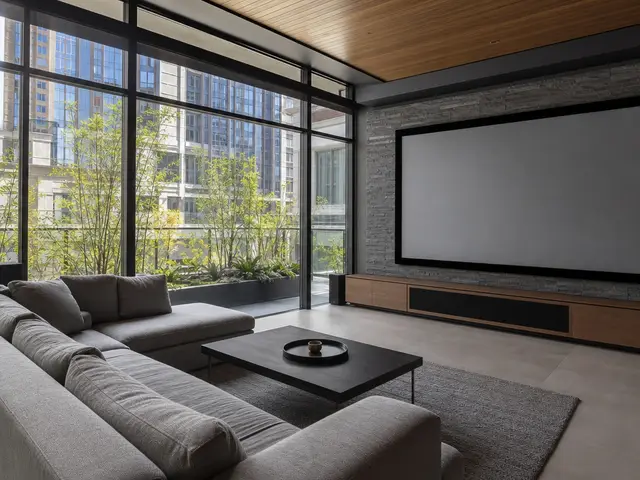
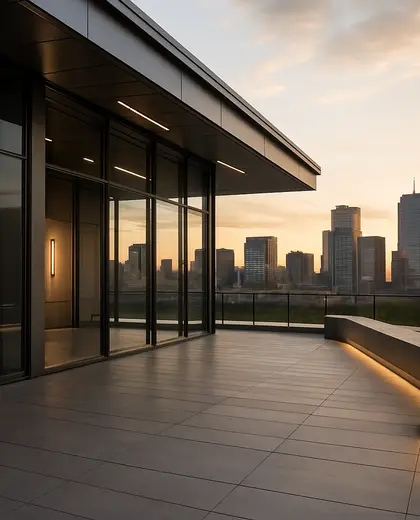
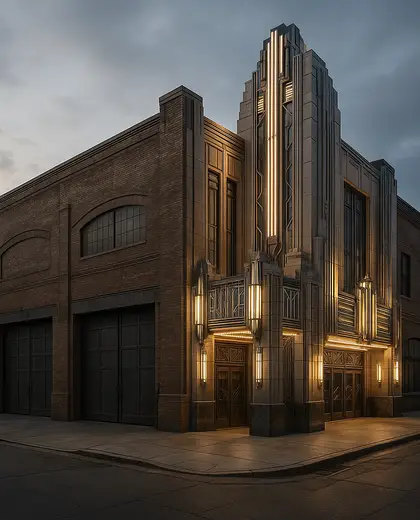
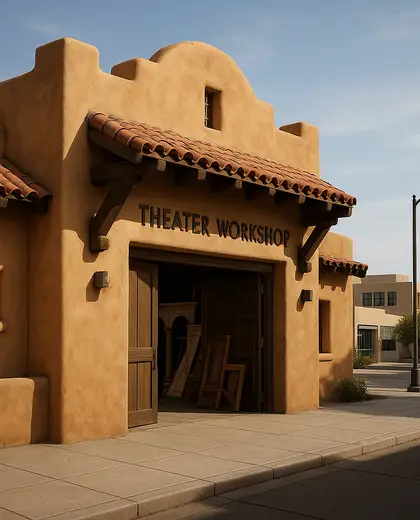
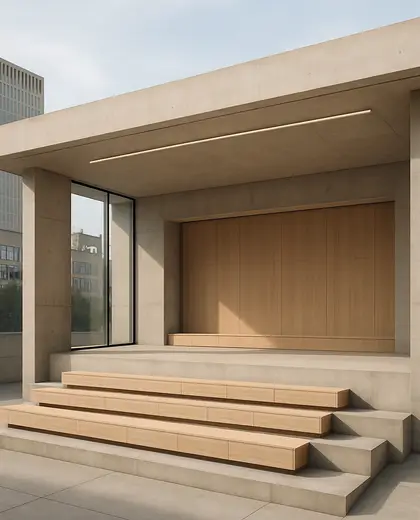
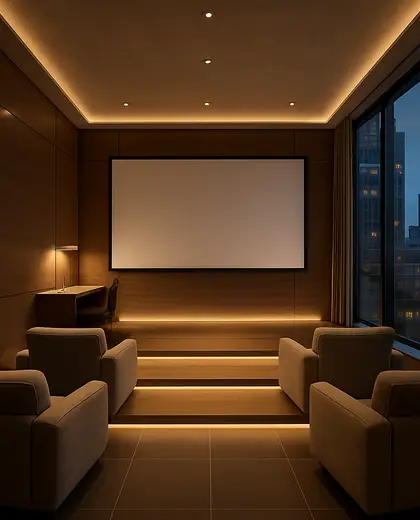
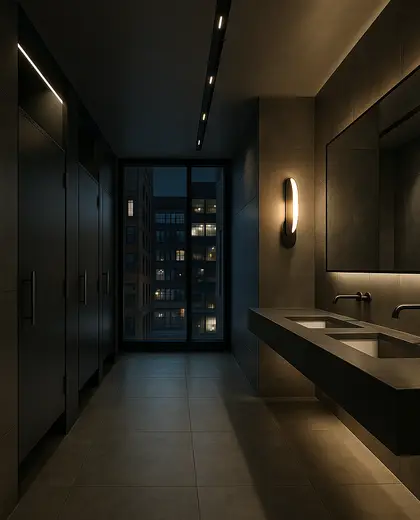
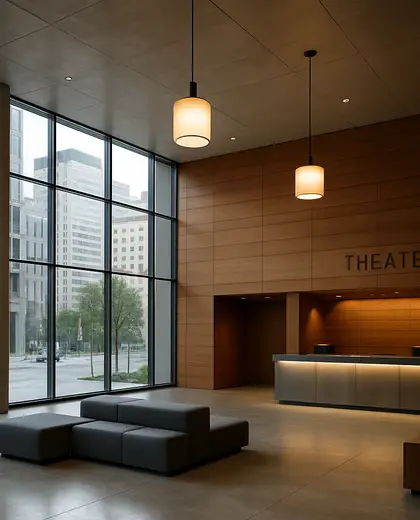
Theater-inspired urban architecture uses bold massing, framed views, and layered circulation to create a sense of performance in the streetscape. Expect durable materials like concrete, brick, steel, and glass, often paired with deep shadows, dramatic openings, and stepped or terraced forms. The result is an architectural language that feels public, expressive, and rooted in dense city life.
- theater
- urban
— References
References to explore
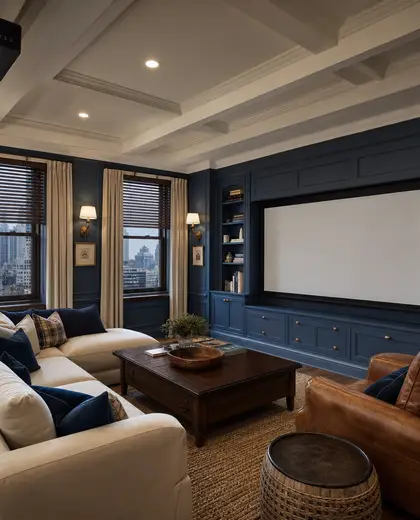
What makes a theater-urban home or building feel different from a regular city property?
It usually uses stronger composition: deeper entrances, framed openings, stepped volumes, and spaces that feel like stages or viewing points rather than simple corridors and facades.
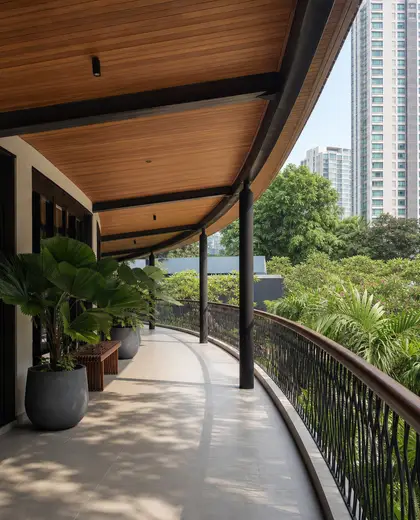
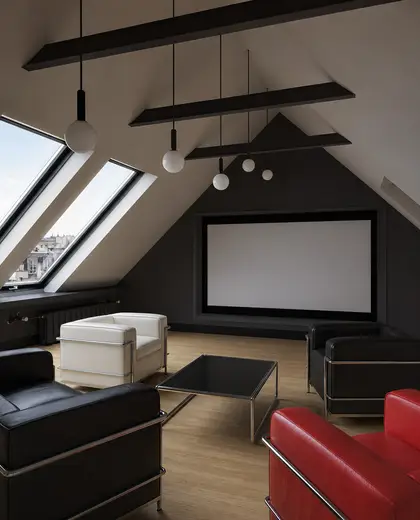
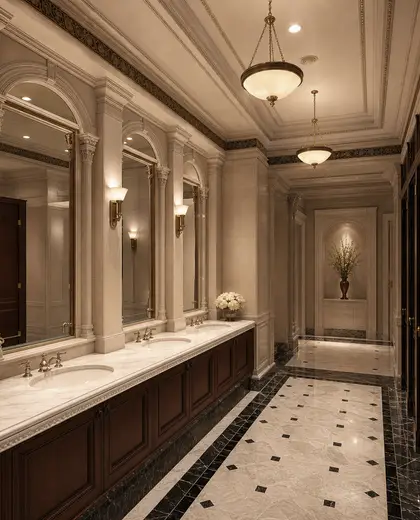
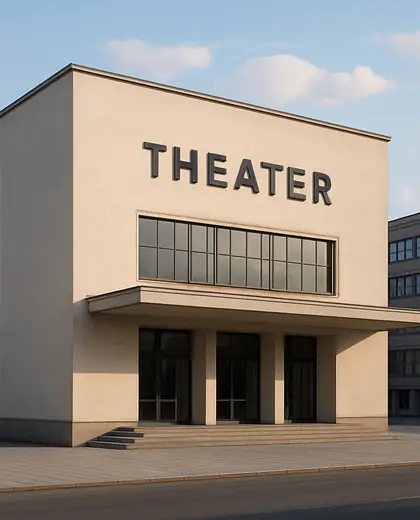
Is this style only for public buildings?
No. It can work in homes, mixed-use buildings, and courtyards, especially when the design emphasizes gathering, overlooking, and a clear relationship to the street.
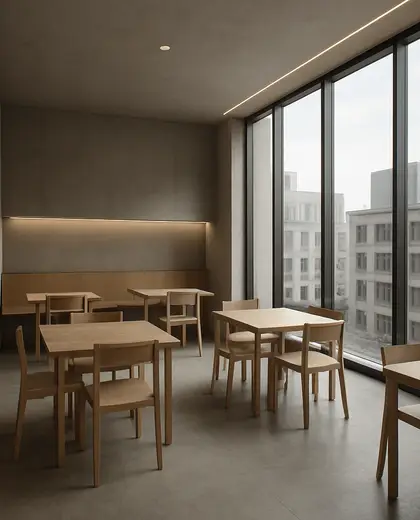
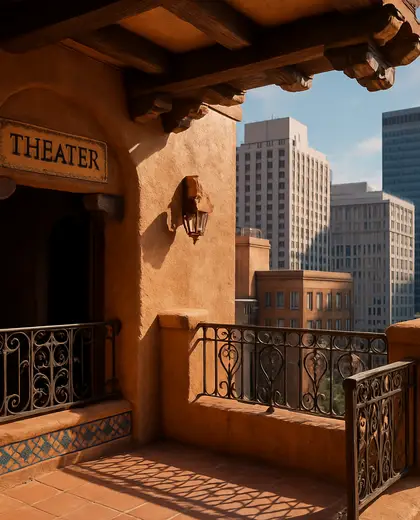
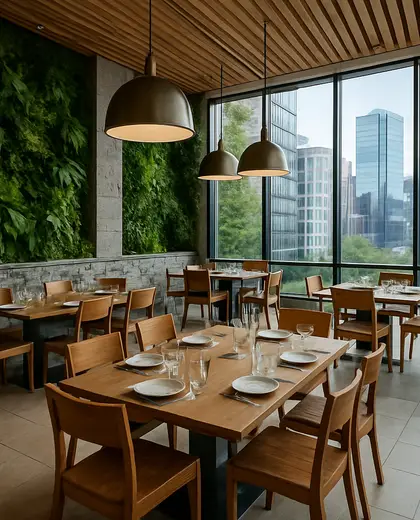
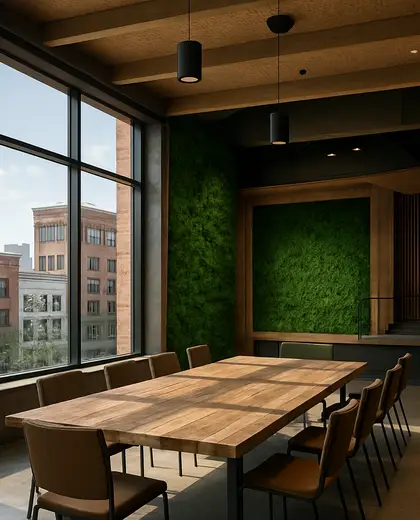
What should I choose if I want this look to feel livable, not overly dramatic?
Balance the strong exterior with warmer interior finishes, softer lighting, and practical outdoor edges like benches, planters, and shaded terraces.
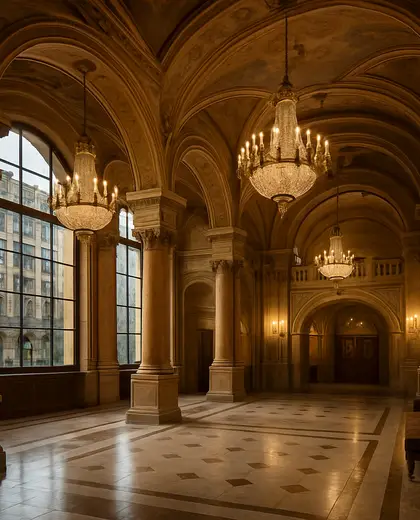

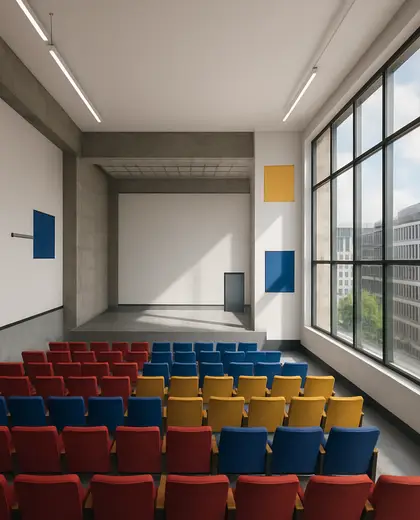
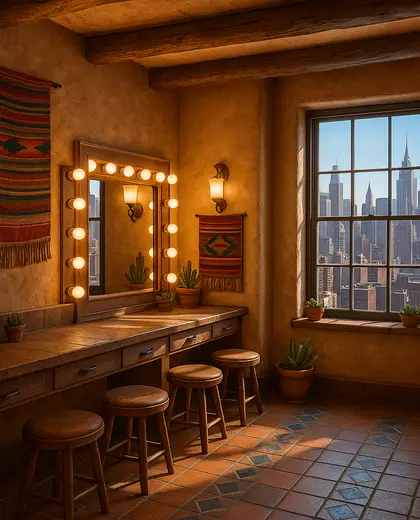

— The style
What defines it
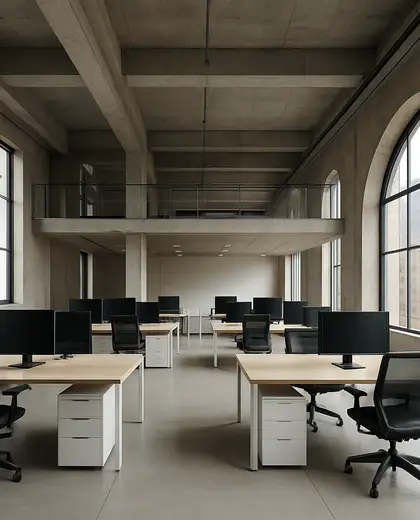
Concrete, brick, steel, glass, and sometimes precast panels or dark metal accents for a strong civic presence.
Muted grays, charcoal, brick red, blackened metal, and warm interior lighting against a restrained urban shell.
Urban frontage, plazas, terraces, amphitheater-like seating, and circulation that turns movement into a visual event.
— Professionals
Who has already built it
- robert srotearchitects · 8 projectsView profile →
- pfuner designinterior designers · 11 projectsView profile →
- Karavaan Homefurniture sellers · High Point · 4 projectsView profile →
- jacob galleslandscape designers · 6 projectsView profile →
— Explore
Keep exploring
— Questions
Frequently asked questions
What makes a theater-urban home or building feel different from a regular city property?
It usually uses stronger composition: deeper entrances, framed openings, stepped volumes, and spaces that feel like stages or viewing points rather than simple corridors and facades.
Is this style only for public buildings?
No. It can work in homes, mixed-use buildings, and courtyards, especially when the design emphasizes gathering, overlooking, and a clear relationship to the street.
What should I choose if I want this look to feel livable, not overly dramatic?
Balance the strong exterior with warmer interior finishes, softer lighting, and practical outdoor edges like benches, planters, and shaded terraces.