— Ideas & inspiration
Theater composition
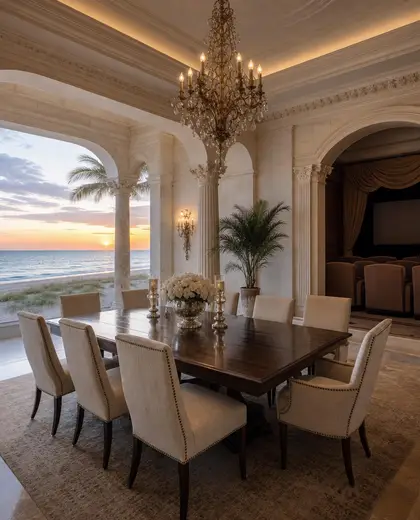
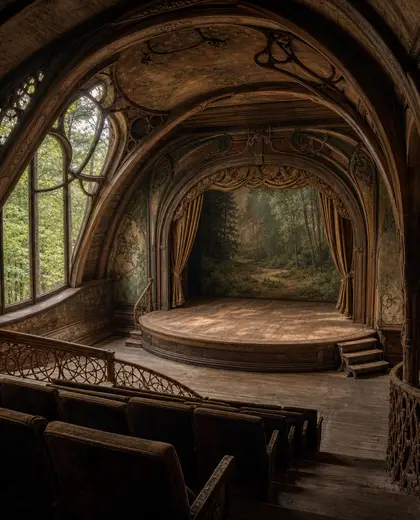
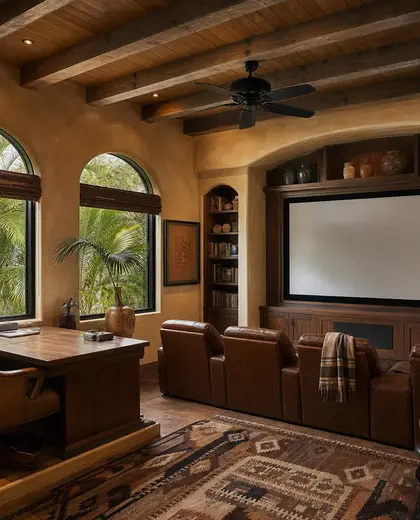
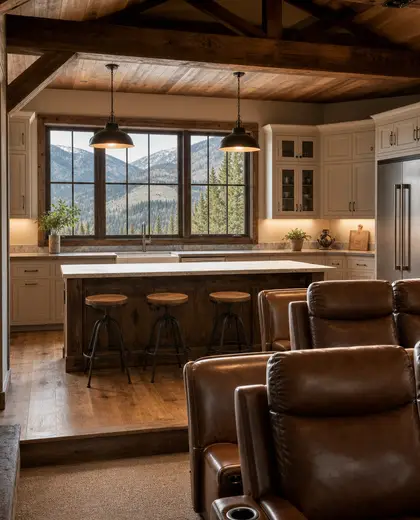
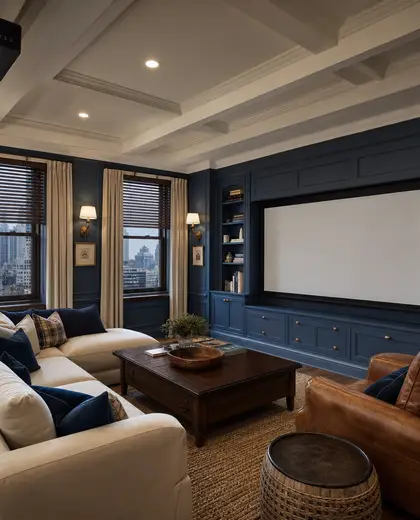
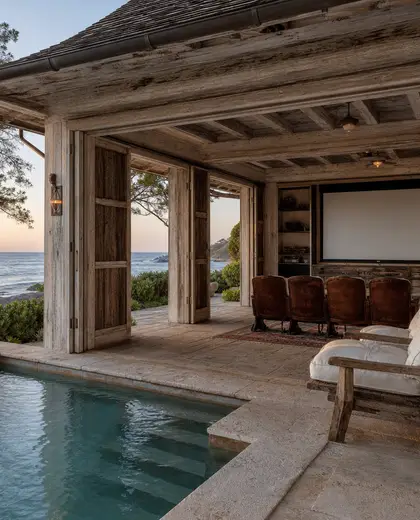
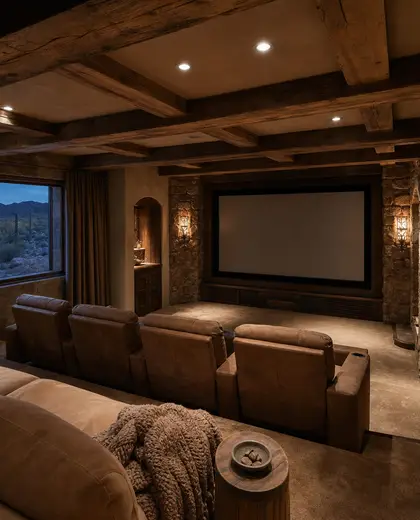
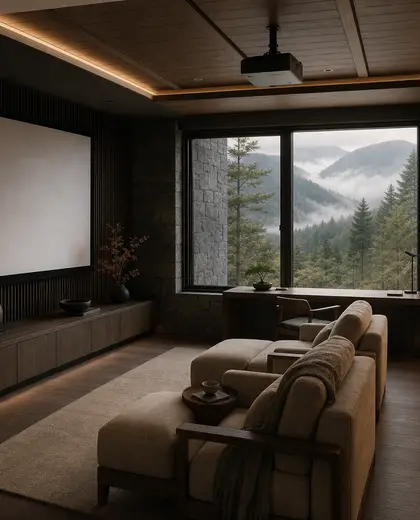
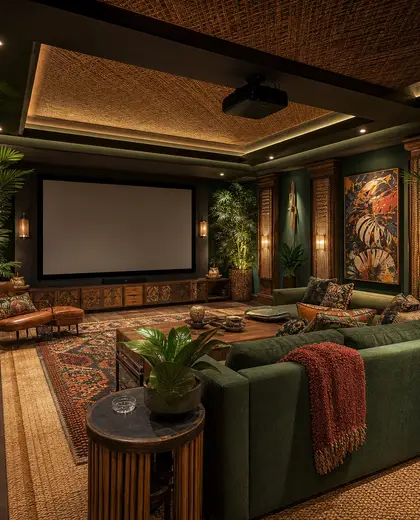
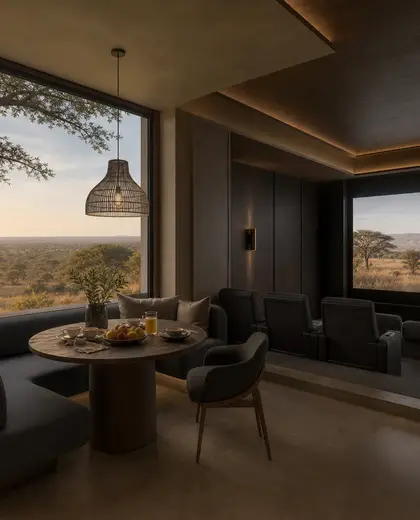
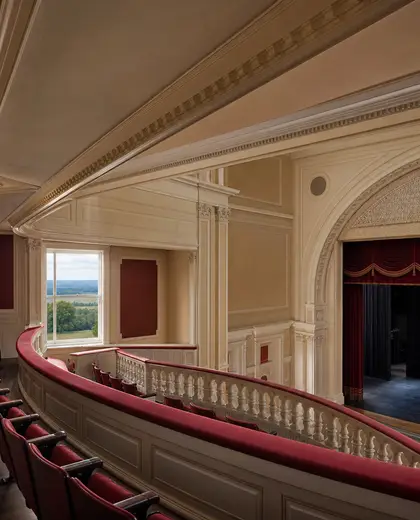
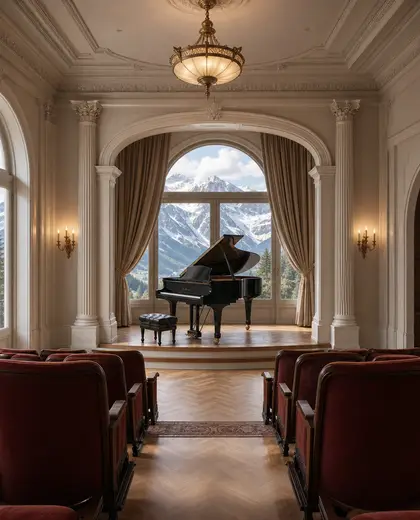
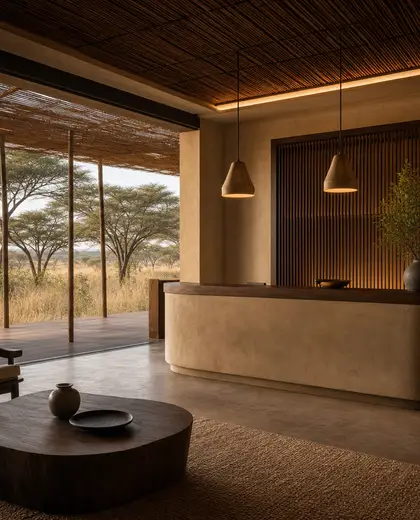
Theater composition is defined by deep, light-absorbing finishes, controlled lighting, and a focused front wall built for a screen or stage. It often uses acoustic wall panels, heavy drapery, dark wood or matte painted surfaces, and upholstered seating to reduce glare and improve sound. The palette is usually charcoal, black, deep brown, and muted burgundy or navy, with small metal or indirect-light accents.
- theater

— References
References to explore

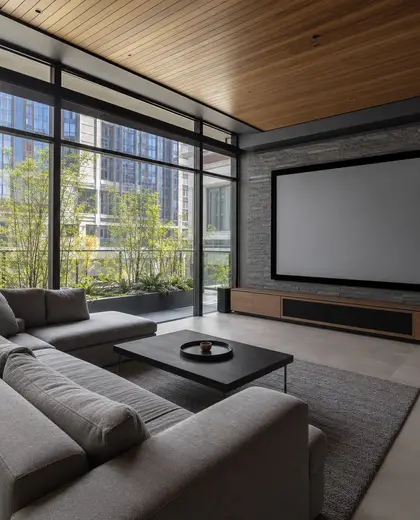
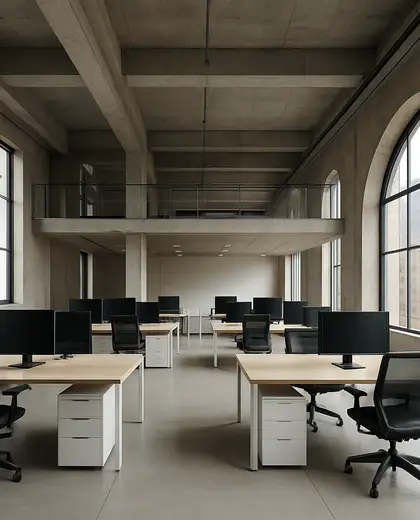
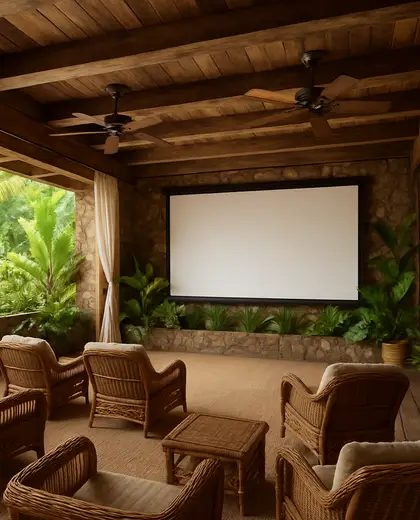
Does a theater composition have to be very dark?
Usually yes, because darker surfaces reduce reflections and help the screen or stage stand out. You can still use warm accent lighting and a few lighter details if the room needs balance.
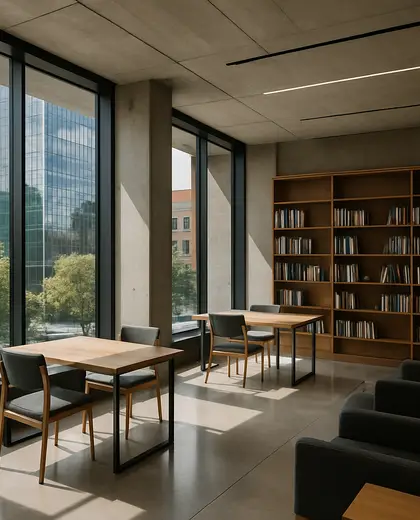
What materials work best for a theater room wall finish?
Acoustic panels, matte paint, wood slats with backing, and fabric-wrapped surfaces are all common. The choice depends on whether the room needs more sound control, a softer look, or a more architectural finish.
Can this composition work in a multipurpose family room?
Yes, but it works best when the media wall, seating, and lighting are carefully planned. A lighter version can still feel like a theater without making the whole room feel closed in.


— The style
What defines it
Acoustic fabric panels, velvet or woven drapery, matte paint, dark-stained wood, carpeting, and upholstered seating are common.
Mostly dark and low-contrast: black, charcoal, deep brown, navy, and burgundy, sometimes softened with warm neutrals.
Best paired with soundproofing, concealed lighting, built-in storage, recessed screens, and lounge or bar areas.
— Professionals
Who has already built it
- Karavaan Homefurniture sellers · High Point · 4 projectsView profile →
- todd verwers architectsarchitects · San Diego · 6 projectsView profile →
- jacob galleslandscape designers · 6 projectsView profile →
- pfuner designinterior designers · 11 projectsView profile →
— Questions
Frequently asked questions
Does a theater composition have to be very dark?
Usually yes, because darker surfaces reduce reflections and help the screen or stage stand out. You can still use warm accent lighting and a few lighter details if the room needs balance.
What materials work best for a theater room wall finish?
Acoustic panels, matte paint, wood slats with backing, and fabric-wrapped surfaces are all common. The choice depends on whether the room needs more sound control, a softer look, or a more architectural finish.
Can this composition work in a multipurpose family room?
Yes, but it works best when the media wall, seating, and lighting are carefully planned. A lighter version can still feel like a theater without making the whole room feel closed in.