— Ideas & inspiration
Urban raised garden bed ideas for compact outdoor spaces
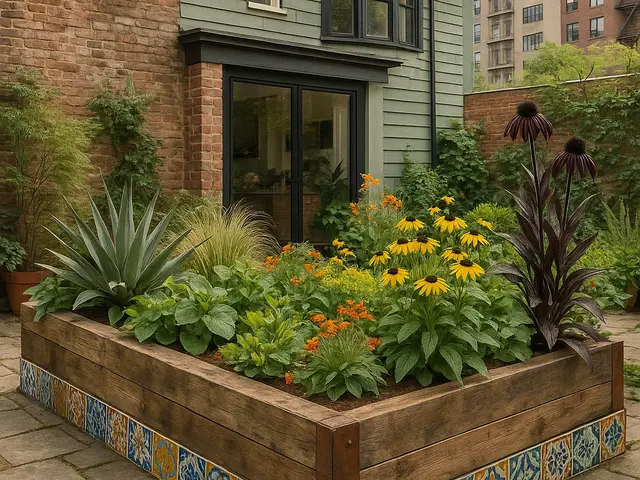
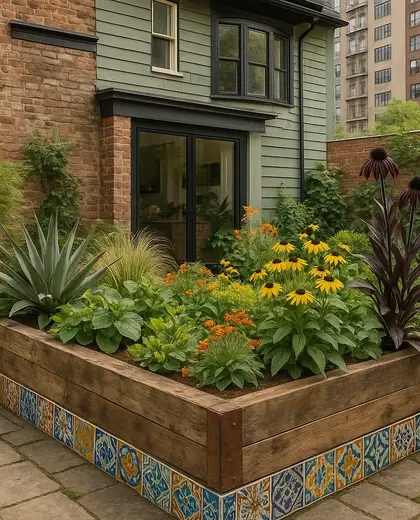
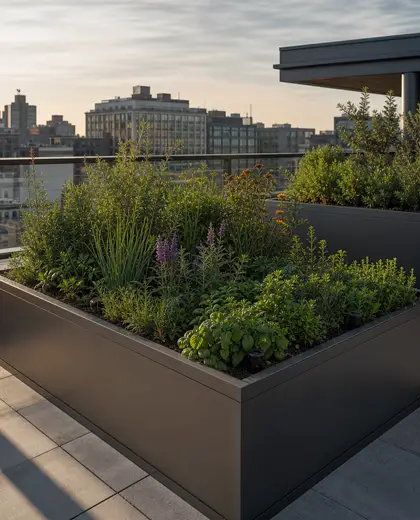
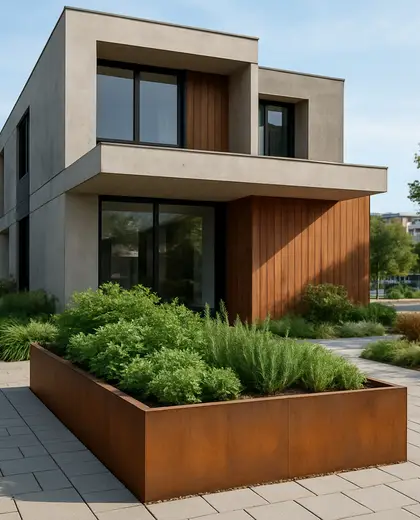
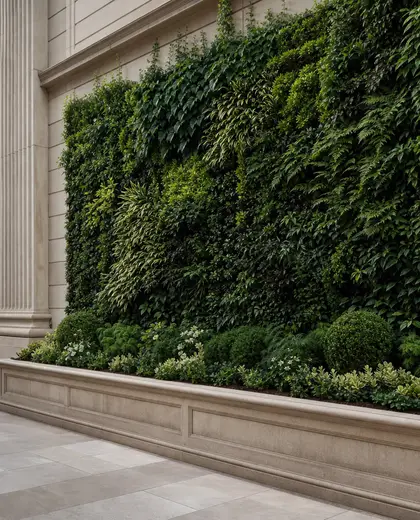
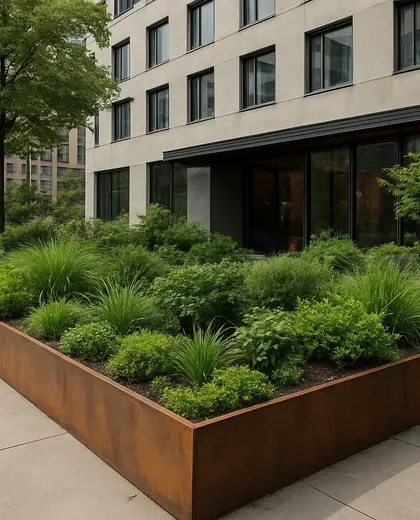
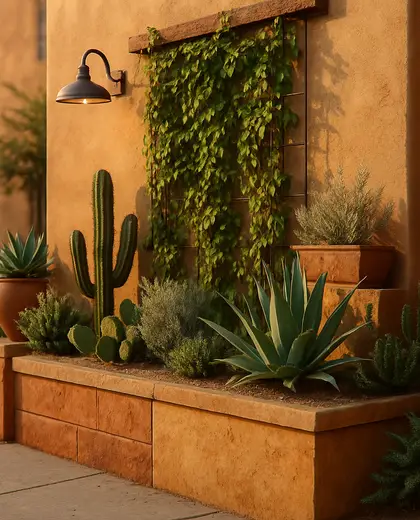
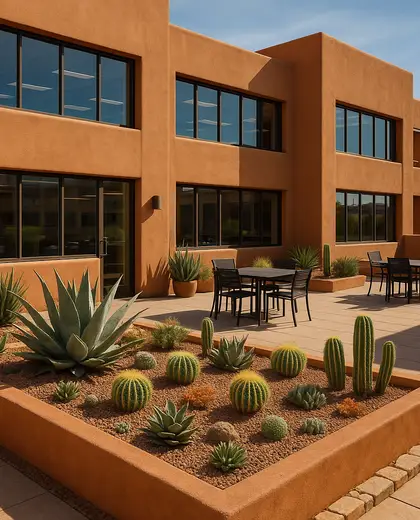
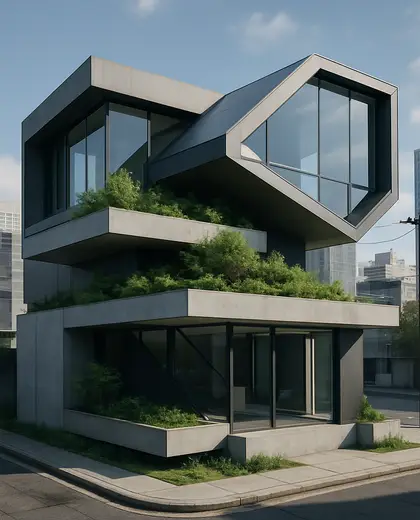
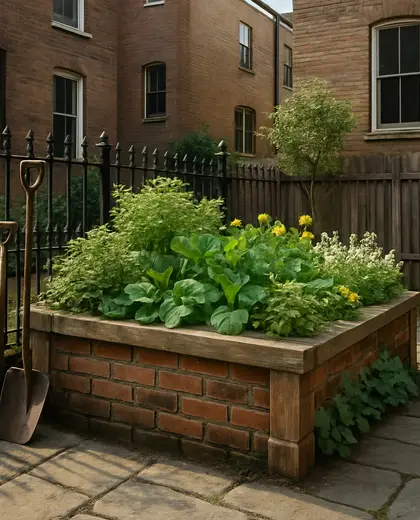
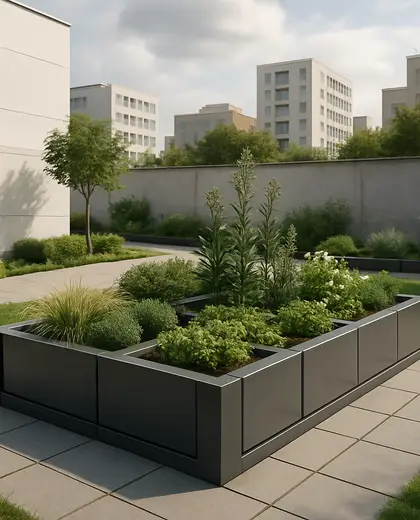
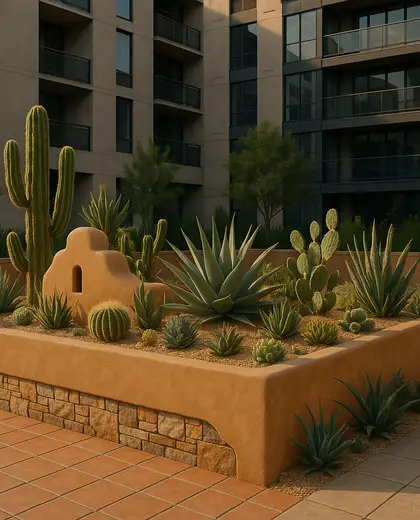
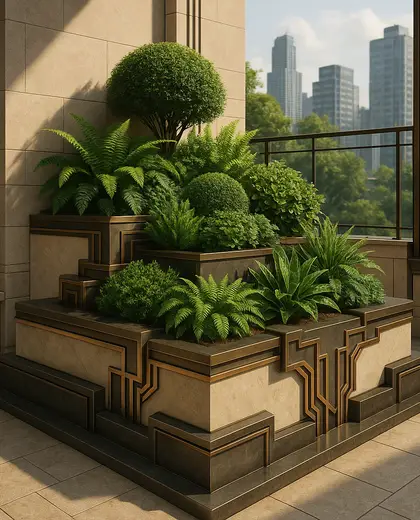
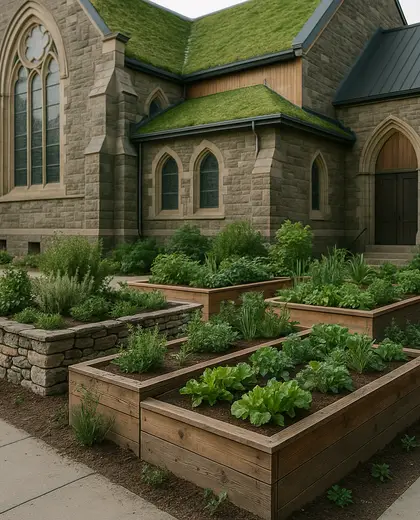
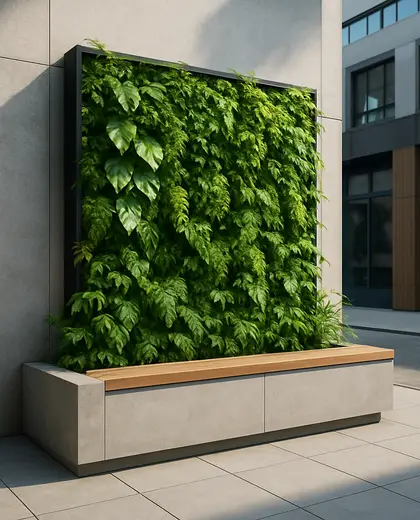
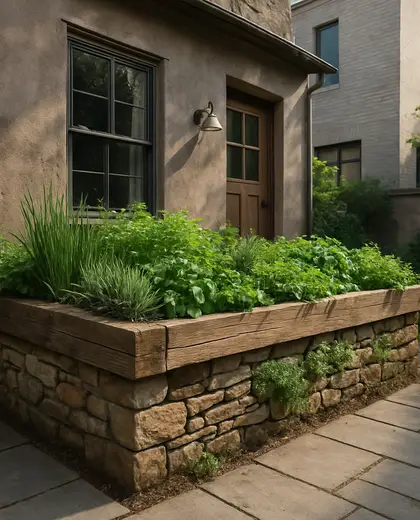
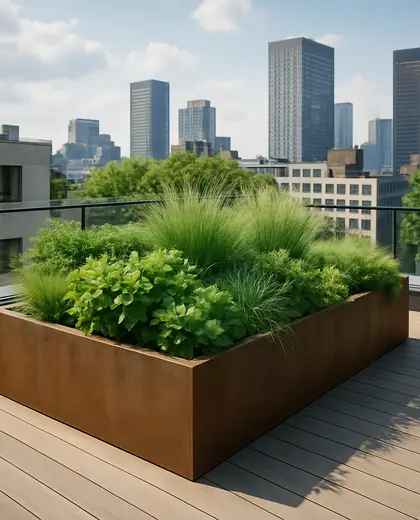
An urban raised garden bed is typically built from weather-resistant timber, steel, concrete, or brick, with clean rectilinear lines suited to tight city plots. It often uses a restrained palette of natural wood, galvanized metal, gray masonry, and deep green planting to make the bed feel integrated into patios, rooftops, and courtyards. The defining elements are contained soil depth, crisp edges, and a layout that maximizes growing space without overpowering the surroundings.
- raised garden bed
- urban
— References
References to explore
How deep should an urban raised garden bed be?
Depth depends on what you want to grow, but most beds need enough soil volume for roots, drainage, and access. Shallow herbs and flowers need less depth than vegetables or small shrubs.
What materials work best in a city garden?
Weather-resistant wood, steel, concrete, and brick are common because they hold up well outdoors and suit modern urban settings. The best option depends on your climate, maintenance preferences, and the look of the surrounding space.
Can a raised garden bed work on a rooftop or small patio?
Yes, as long as the structure can support the weight of the bed, soil, and water. Lightweight construction and careful placement are important in compact urban spaces.
— The style
What defines it
Common choices include cedar, hardwood, corten or galvanized steel, concrete block, and brick for durability in exposed urban settings.
Neutral and industrial tones work best: warm wood, silver metal, charcoal, concrete gray, and the green of herbs and foliage.
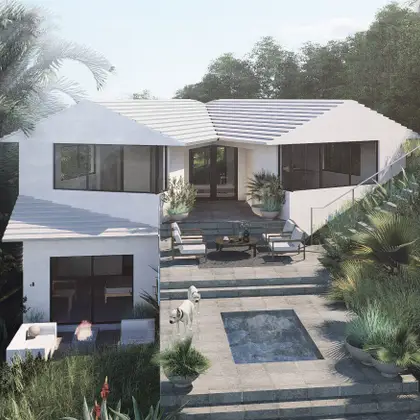
Works well with paving, perimeter seating, planters, trellises, gravel strips, and compact outdoor kitchens or courtyard landscaping.
— Professionals
Who has already built it


- Karavaan Homefurniture sellers · High Point · 4 projectsView profile →
— Explore
Keep exploring
— Questions
Frequently asked questions
How deep should an urban raised garden bed be?
Depth depends on what you want to grow, but most beds need enough soil volume for roots, drainage, and access. Shallow herbs and flowers need less depth than vegetables or small shrubs.
What materials work best in a city garden?
Weather-resistant wood, steel, concrete, and brick are common because they hold up well outdoors and suit modern urban settings. The best option depends on your climate, maintenance preferences, and the look of the surrounding space.
Can a raised garden bed work on a rooftop or small patio?
Yes, as long as the structure can support the weight of the bed, soil, and water. Lightweight construction and careful placement are important in compact urban spaces.