— Ideas & inspiration
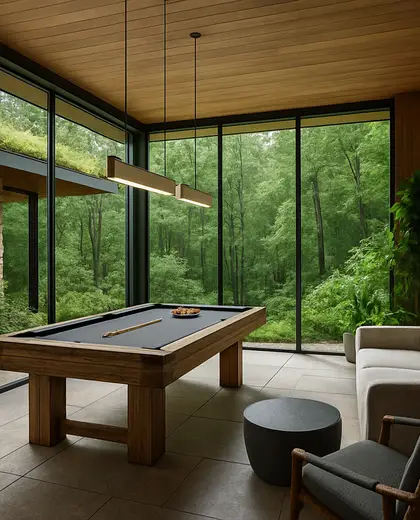
A home tucked into the forest
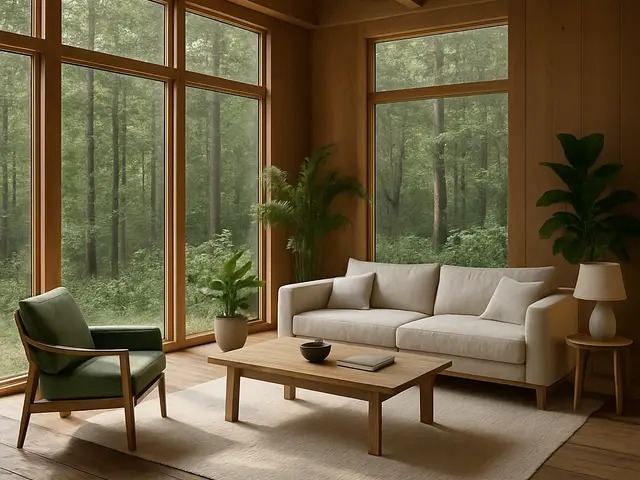
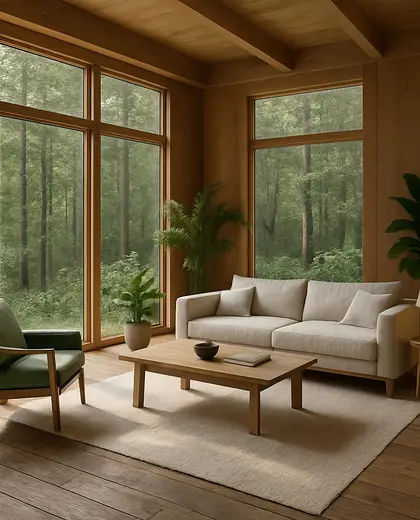
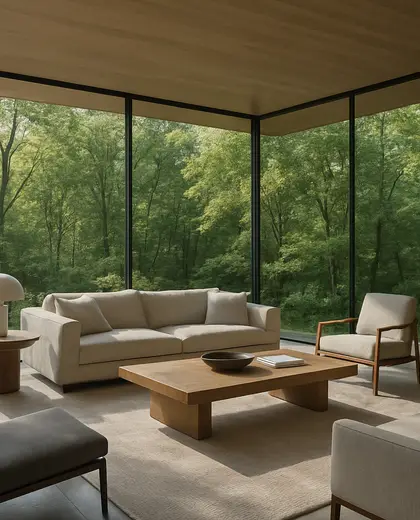
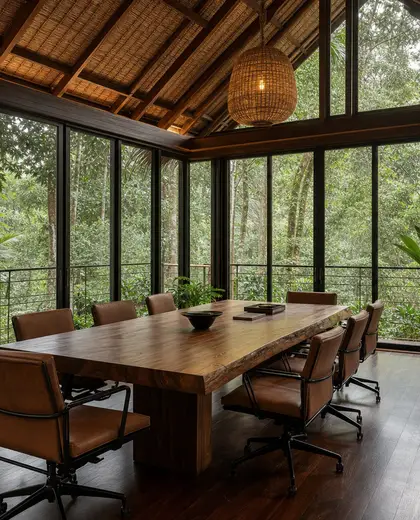
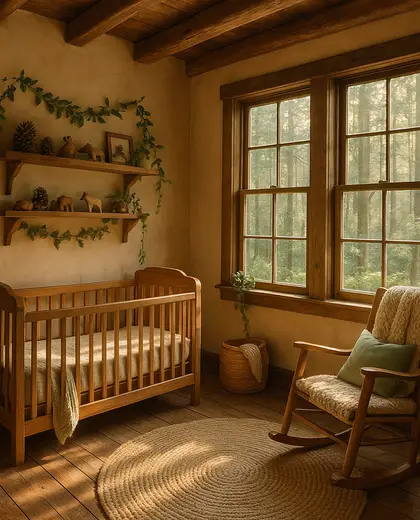
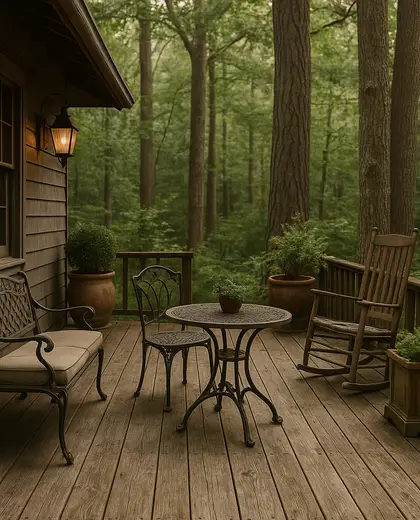
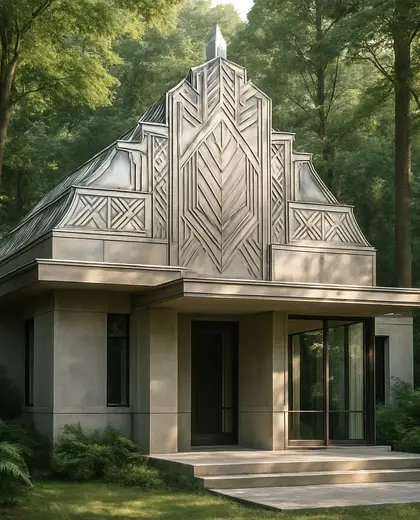
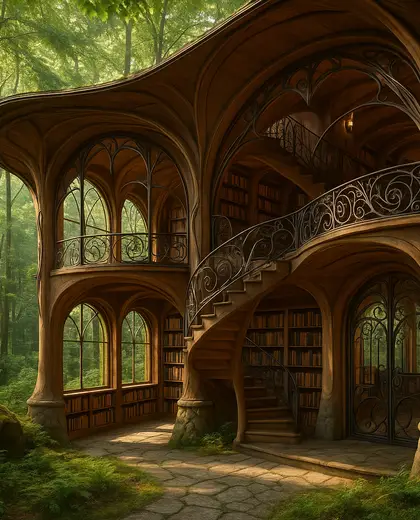
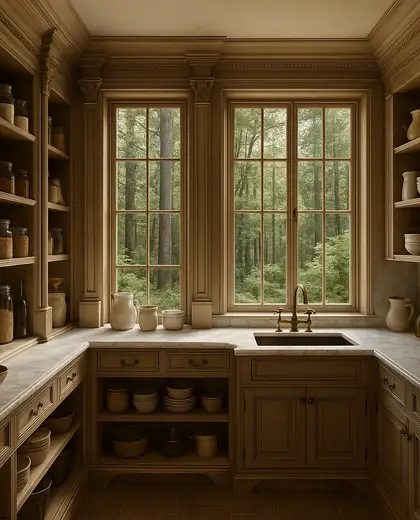
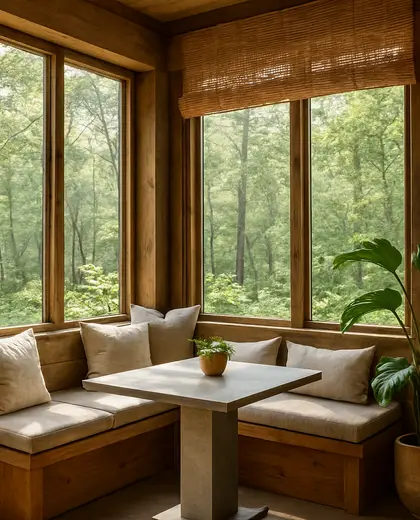
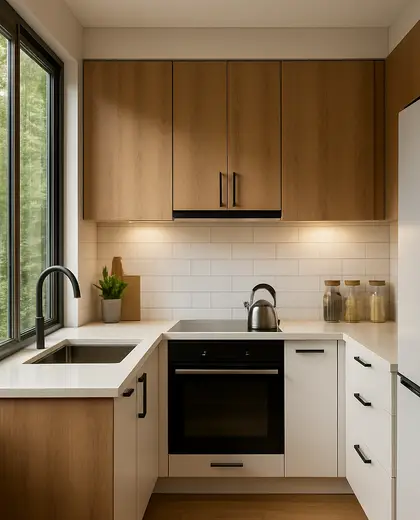
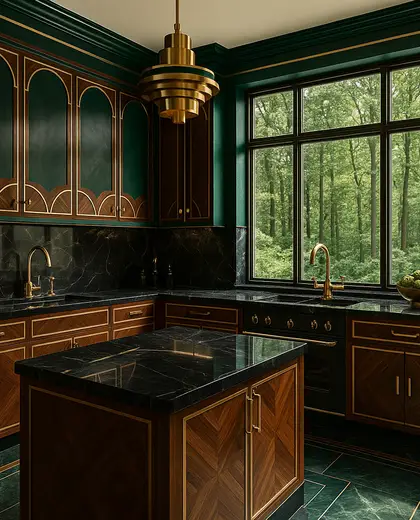
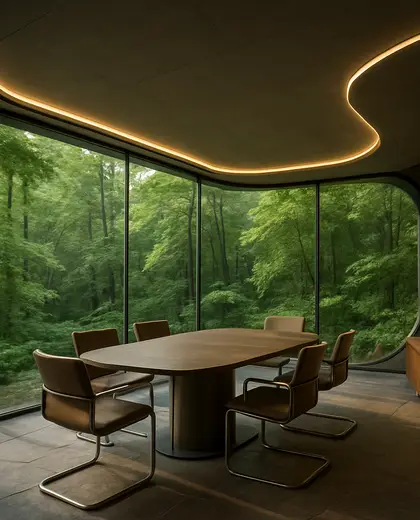
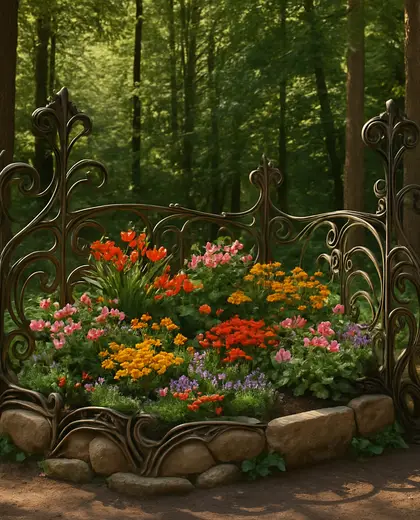
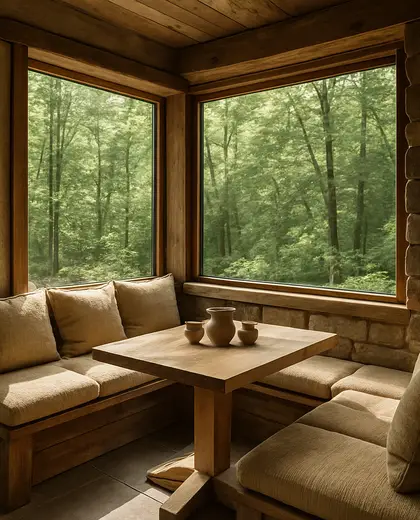
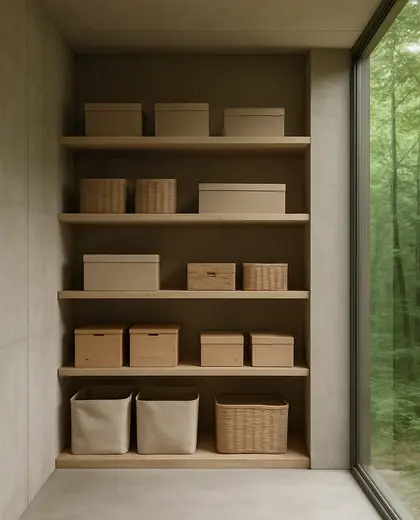
This composition pairs a domestic interior with a woodland setting, usually through large glazing, timber structures, and strong indoor-outdoor continuity. The palette leans toward natural wood, stone, mossy greens, and muted browns, with forms that feel sheltered, quiet, and close to the ground. The defining elements are framed views, shaded terraces, and materials that age naturally among the trees.
- home
- forest
— References
References to explore
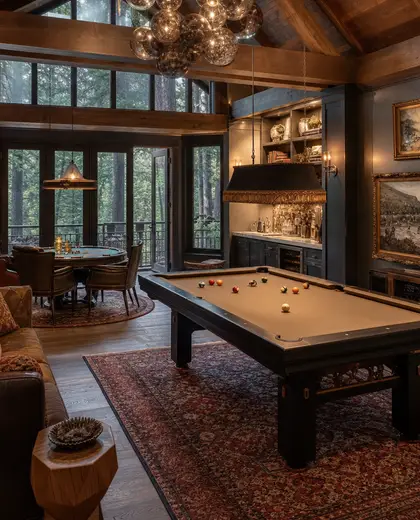
How does a forest home stay private without blocking the view?
It usually uses screened glazing, set-back openings, and carefully placed terraces so the house feels open to the trees while still limiting direct sightlines from outside.
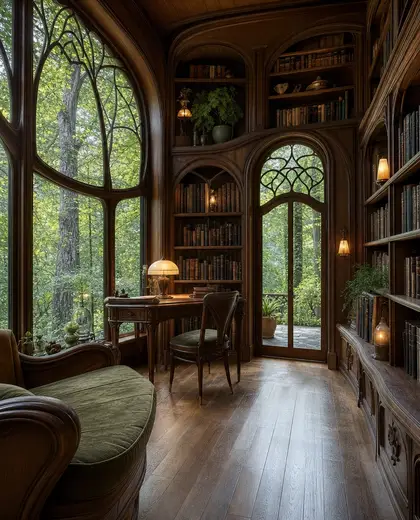
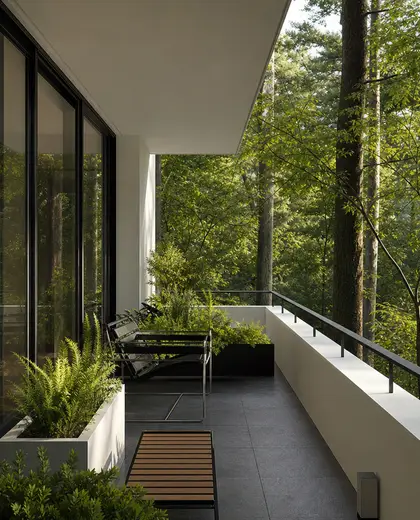
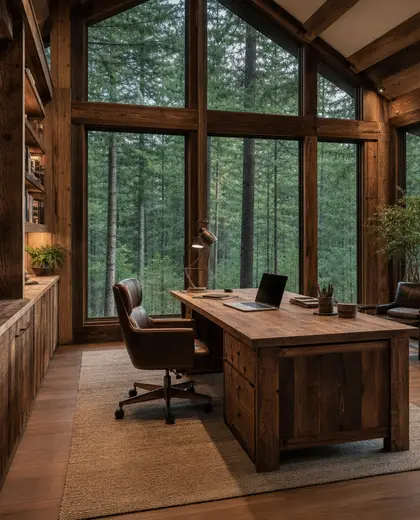
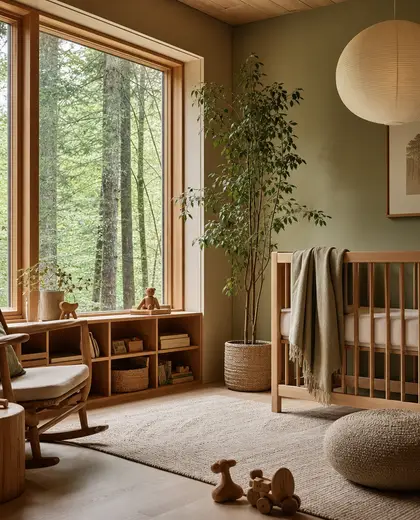
What materials work best in a forest setting?
Timber, stone, and weather-resistant glass are common because they blend with the surroundings and handle moisture and seasonal changes well.
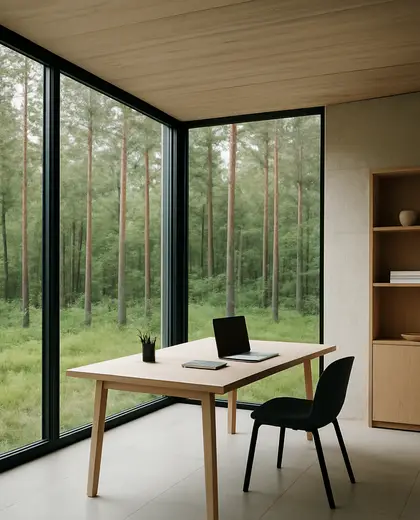
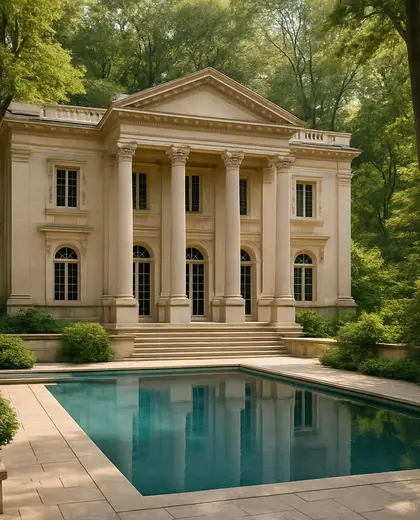
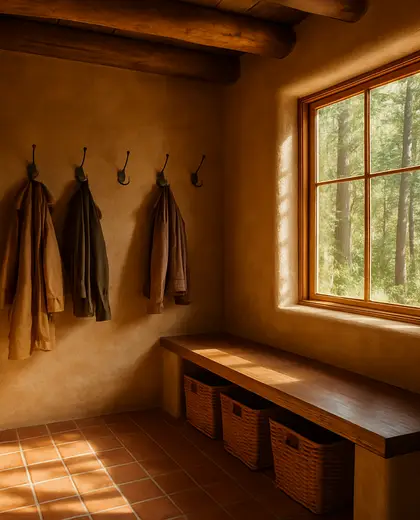
Can this style work on a small site?
Yes. Compact floor plans, vertical layouts, and narrow glazed openings can make a small home feel connected to the forest without spreading too far across the site.
— The style
What defines it
Timber, stone, glass, and matte metal are the most common choices, often left with a natural finish.
Warm neutrals, forest greens, bark browns, charcoal, and softened off-whites create a calm, earthy feel.
It combines the comfort and privacy of a home with the texture, shade, and views of a forest landscape.
— Professionals
Who has already built it
- Karavaan Homefurniture sellers · High Point · 4 projectsView profile →
- todd verwers architectsarchitects · San Diego · 6 projectsView profile →
- jacob galleslandscape designers · 6 projectsView profile →
- pfuner designinterior designers · 11 projectsView profile →
— Explore
Keep exploring
— Questions
Frequently asked questions
How does a forest home stay private without blocking the view?
It usually uses screened glazing, set-back openings, and carefully placed terraces so the house feels open to the trees while still limiting direct sightlines from outside.
What materials work best in a forest setting?
Timber, stone, and weather-resistant glass are common because they blend with the surroundings and handle moisture and seasonal changes well.
Can this style work on a small site?
Yes. Compact floor plans, vertical layouts, and narrow glazed openings can make a small home feel connected to the forest without spreading too far across the site.