— Ideas & inspiration
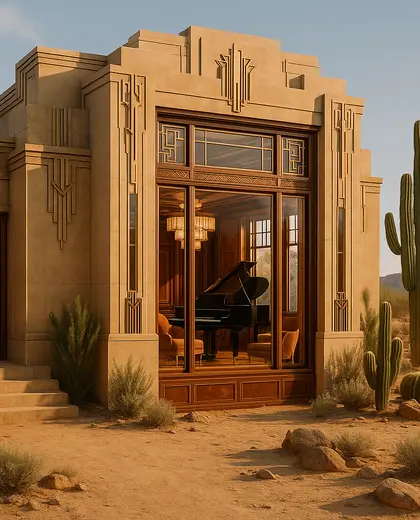
A house shaped by the desert
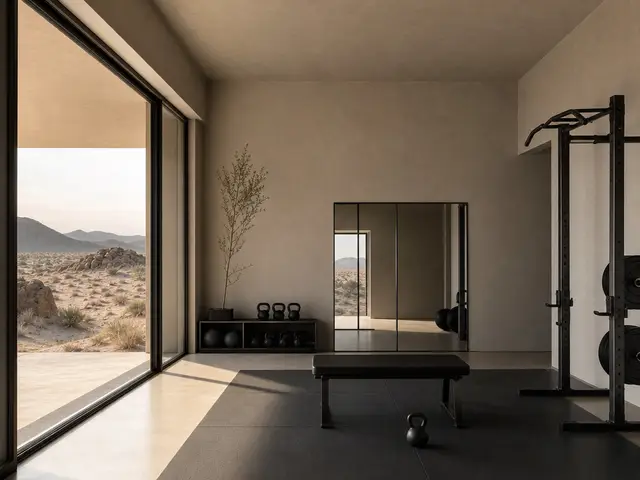
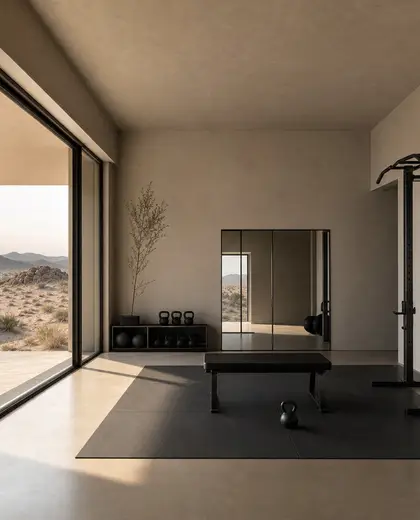
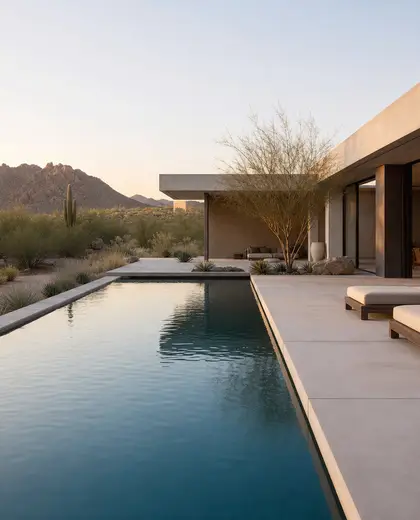
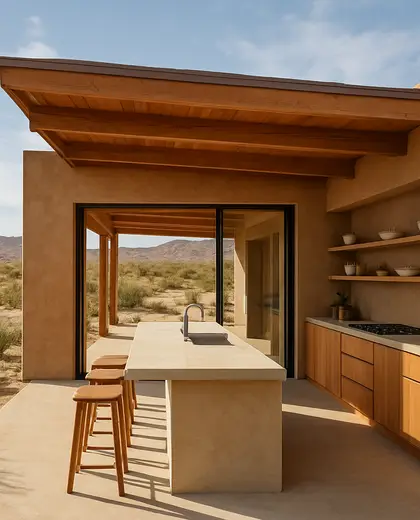
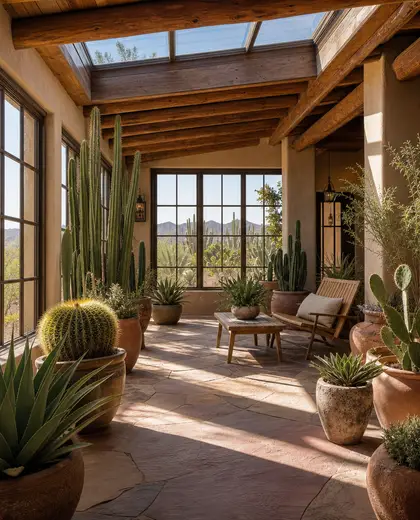
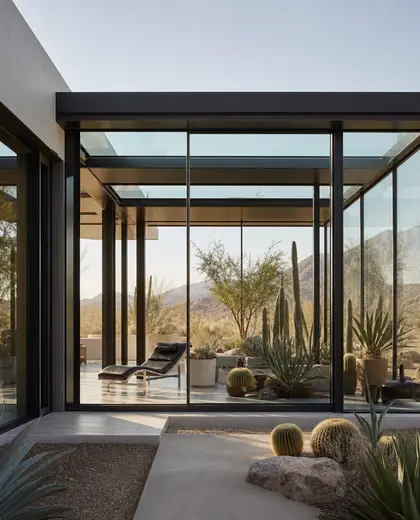
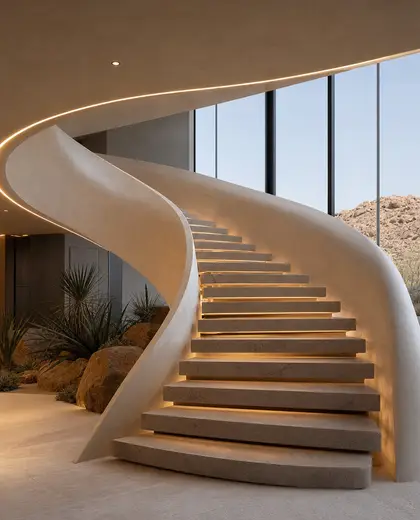
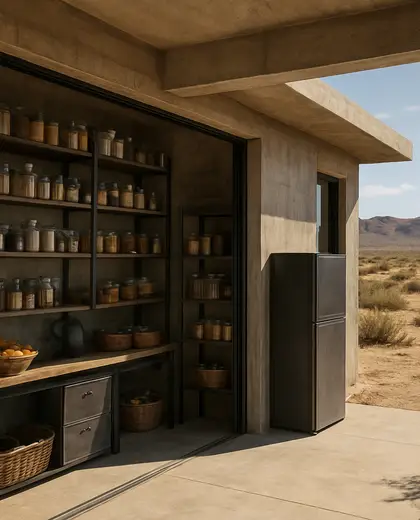
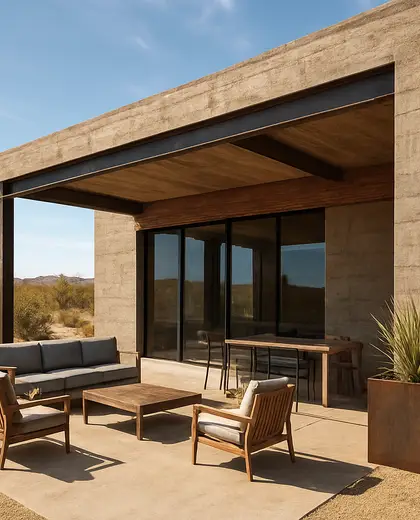
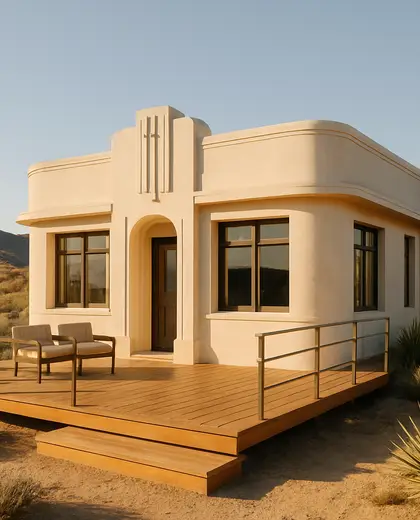
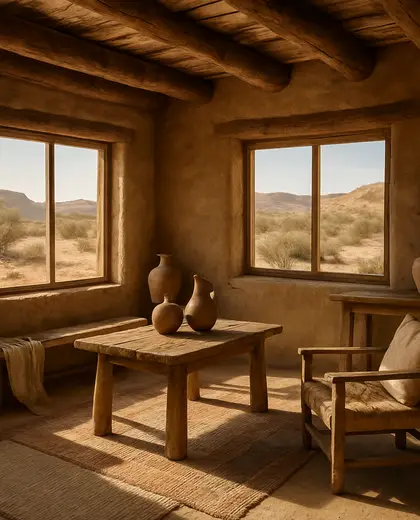
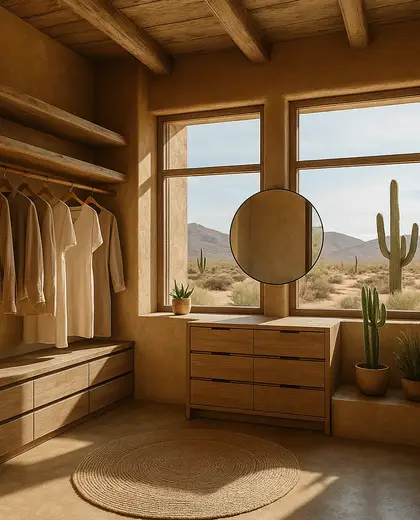
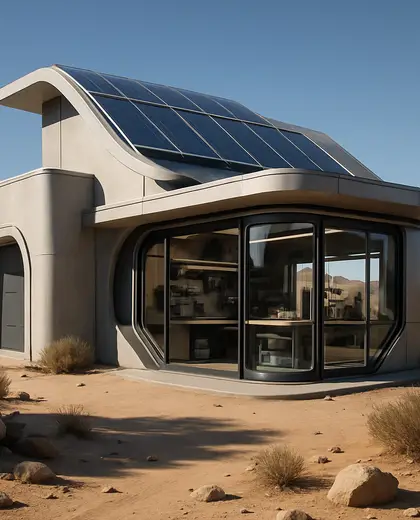
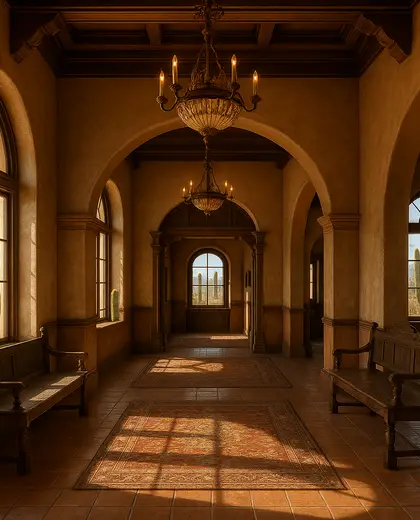
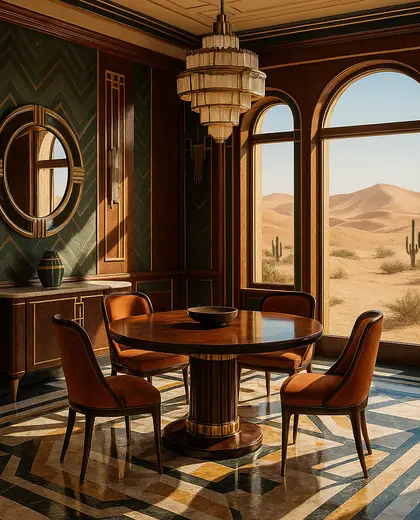
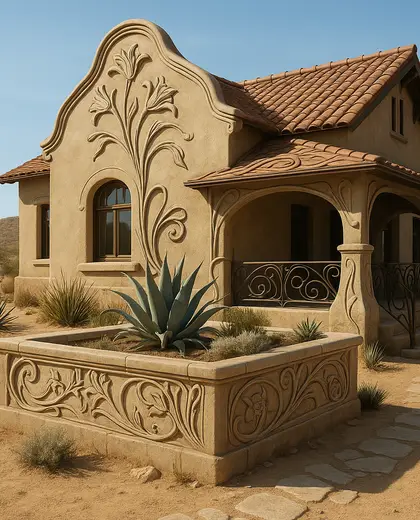
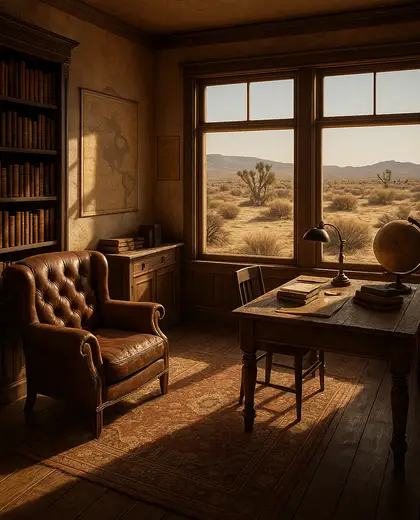
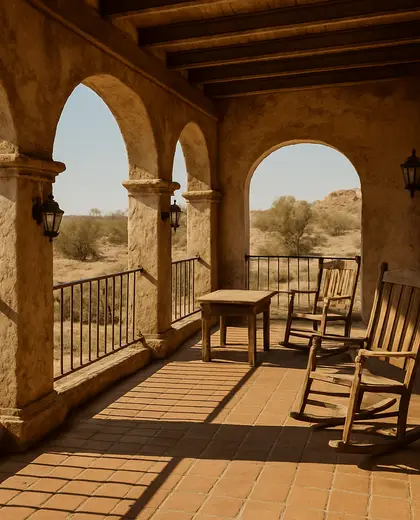
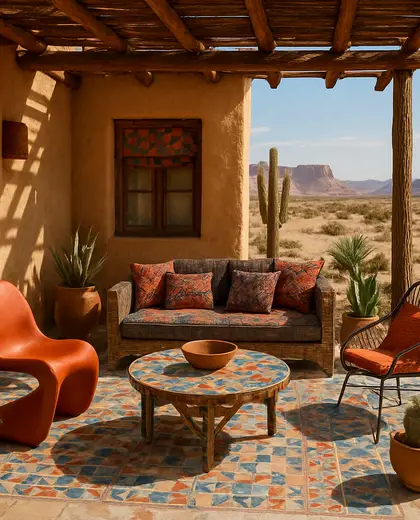
This composition is defined by low, grounded volumes, thick walls, and shaded openings that respond to heat and glare. Materials are usually mineral and tactile, such as stucco, stone, rammed earth, or weathered timber, with a restrained palette that blends into sand, rock, and sky. Deep overhangs, courtyards, and screened transitions help the house stay cool and connected to the landscape.
- house
- desert
— References
References to explore
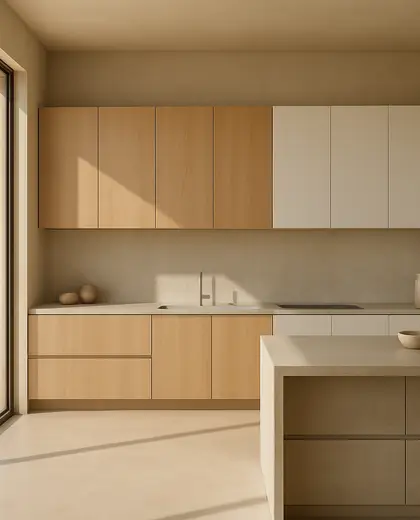
How do you make a house work in a desert climate?
Use compact forms, shaded glazing, thermal mass, and controlled openings to reduce heat gain and improve comfort.
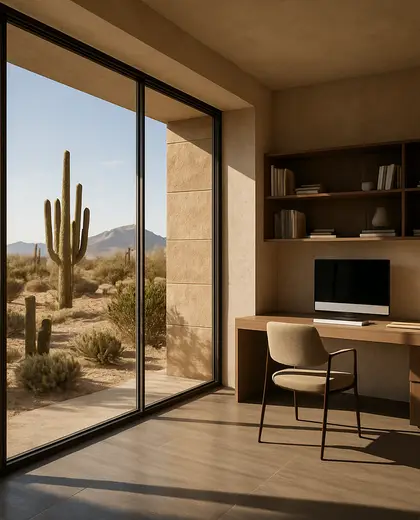
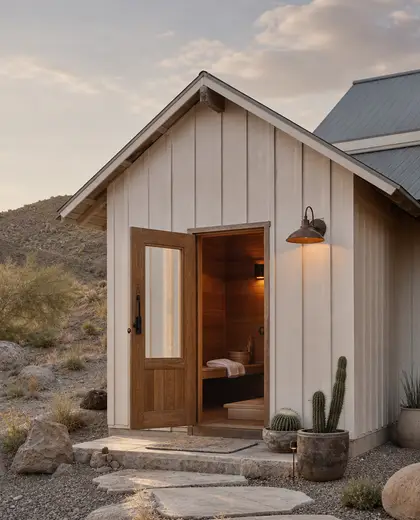
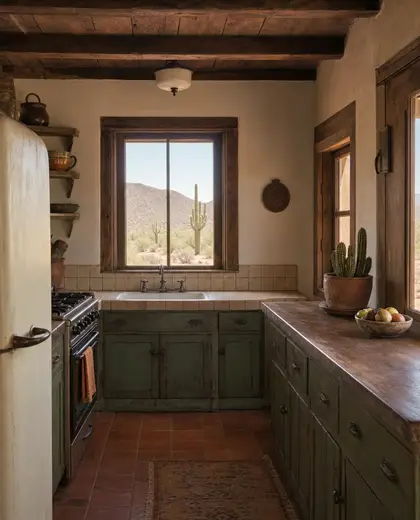
What exterior finish suits a desert house?
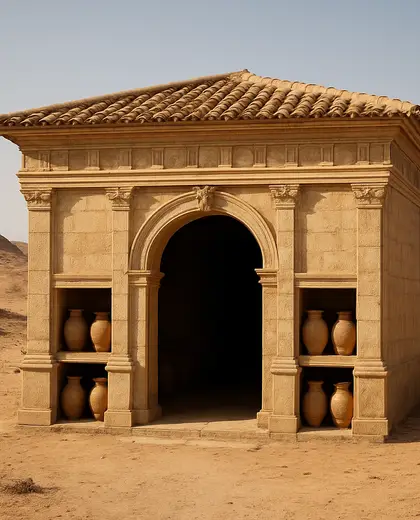
Mineral finishes like stucco, plaster, stone, or rammed earth usually fit well because they age naturally and handle harsh sun better than glossy surfaces.
Should a desert house feel closed off?
Not necessarily; many desert houses use courtyards, screened patios, and deep recesses to create privacy and shade while still opening to views.
— The style
What defines it
Stucco, stone, rammed earth, concrete, and timber are common, chosen for durability and thermal mass.
Earth tones, pale neutrals, sun-faded beige, clay, and muted charcoal echo sand, rock, and shadow.
Courtyards, pergolas, shaded terraces, and protected apertures are often combined with the house form.
— Professionals
Who has already built it
- Karavaan Homefurniture sellers · High Point · 4 projectsView profile →
- todd verwers architectsarchitects · San Diego · 6 projectsView profile →
- jacob galleslandscape designers · 6 projectsView profile →
- pfuner designinterior designers · 11 projectsView profile →
— Explore
Keep exploring
— Questions
Frequently asked questions
How do you make a house work in a desert climate?
Use compact forms, shaded glazing, thermal mass, and controlled openings to reduce heat gain and improve comfort.
What exterior finish suits a desert house?
Mineral finishes like stucco, plaster, stone, or rammed earth usually fit well because they age naturally and handle harsh sun better than glossy surfaces.
Should a desert house feel closed off?
Not necessarily; many desert houses use courtyards, screened patios, and deep recesses to create privacy and shade while still opening to views.