— Ideas & inspiration
Industrial forms in a desert setting
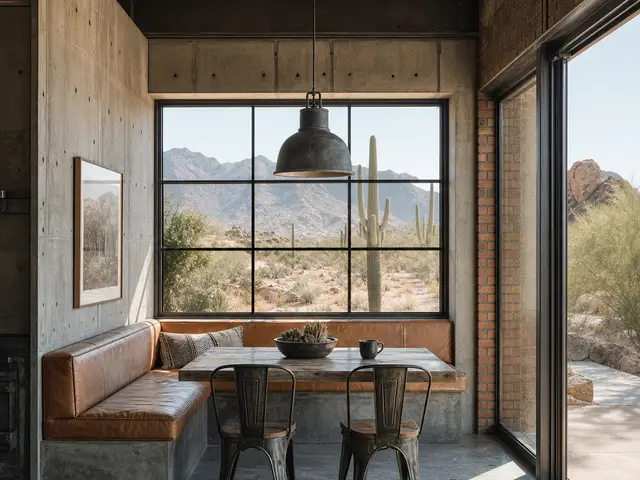
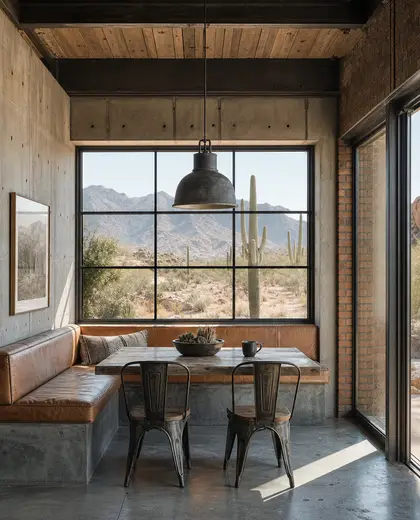
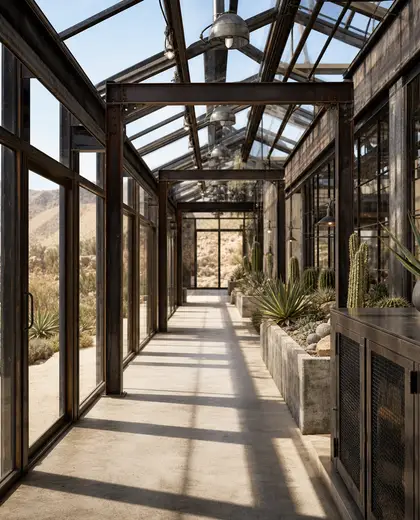
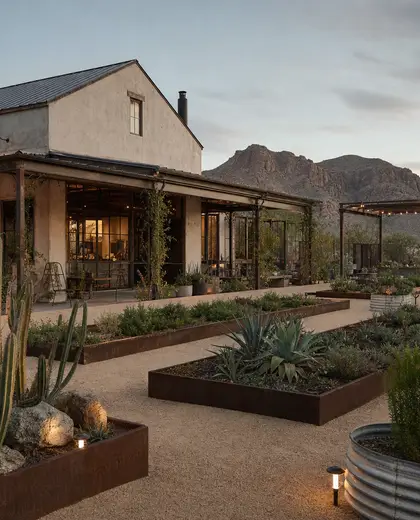
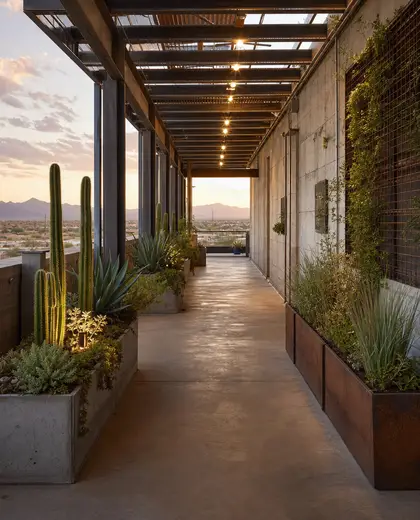
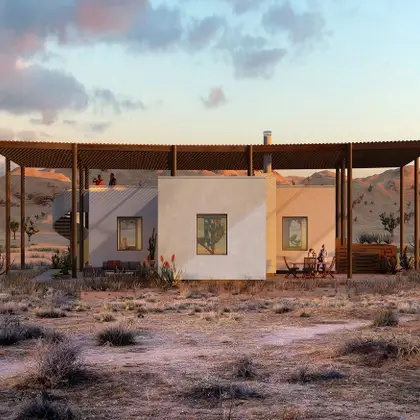
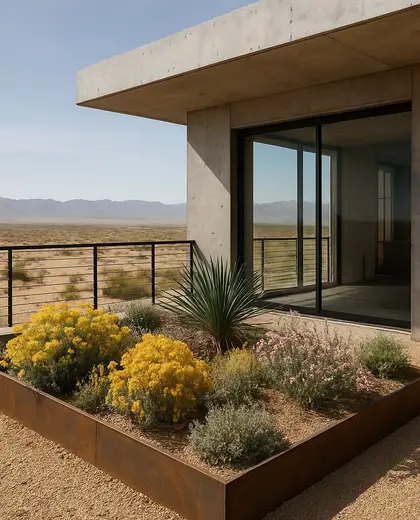
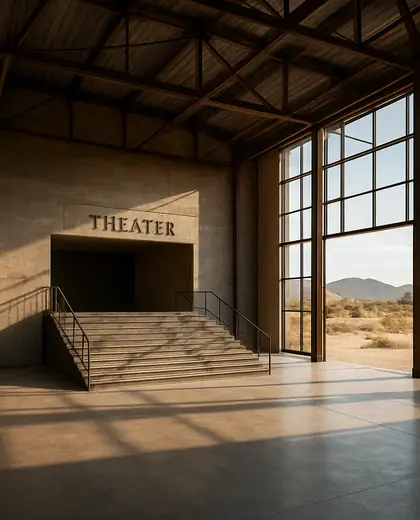
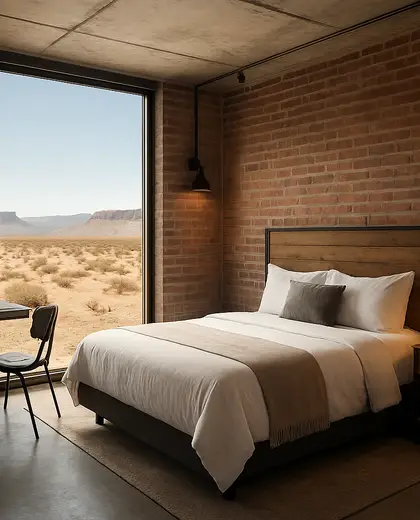
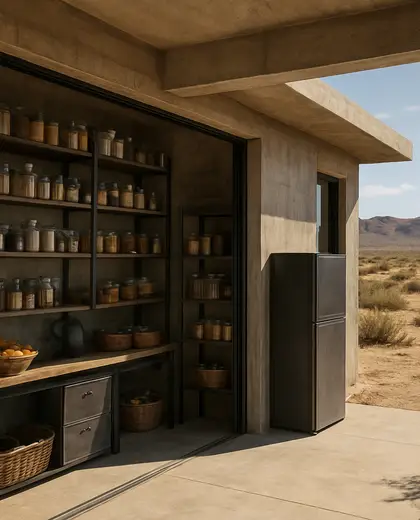
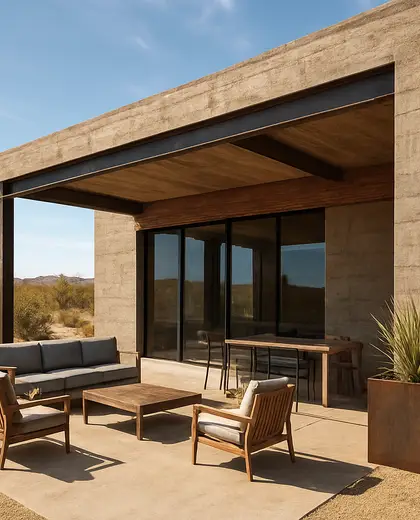
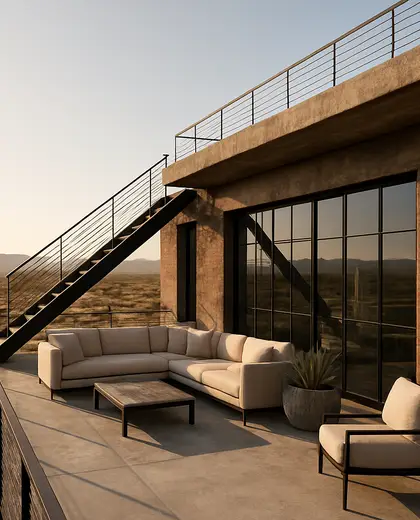
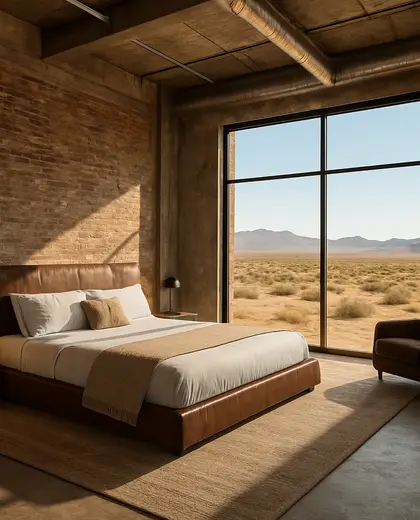
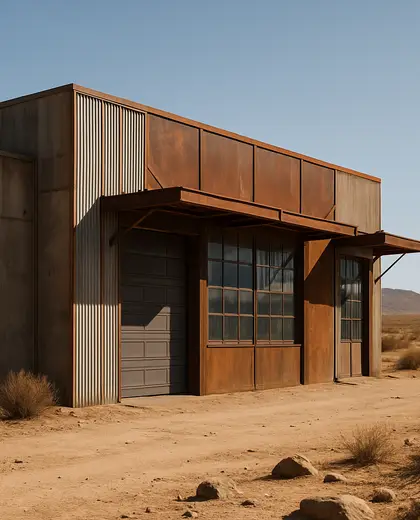
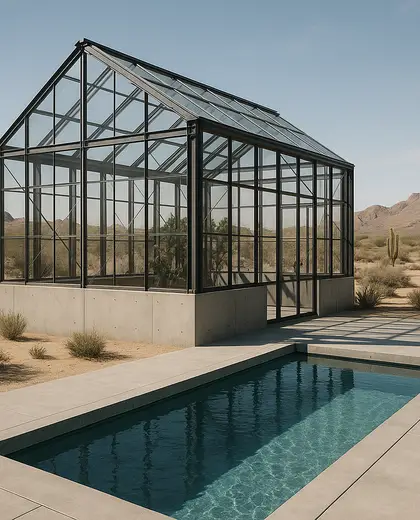
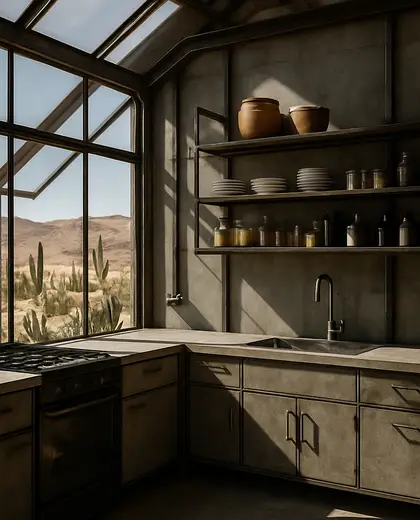
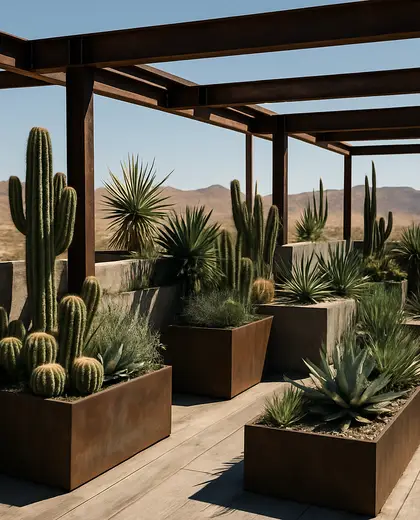
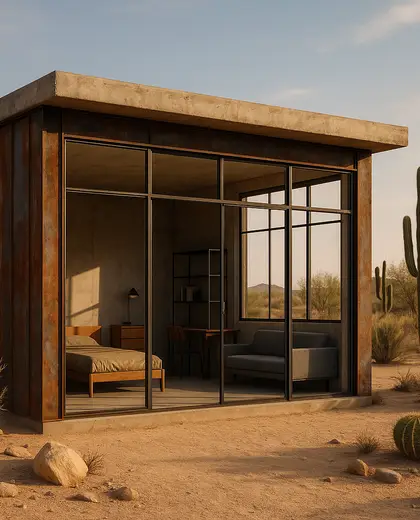
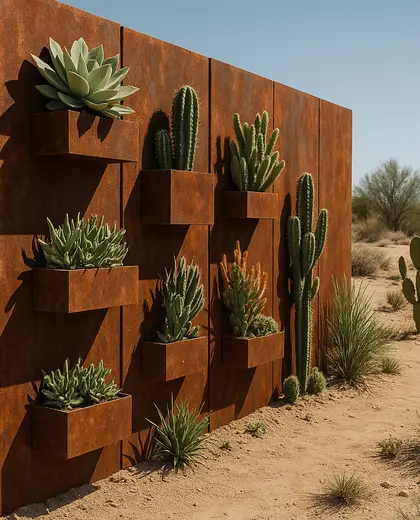
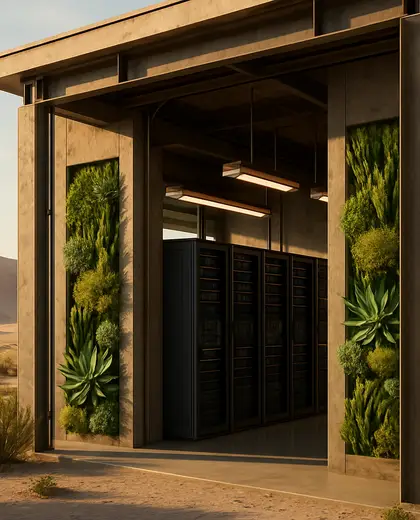
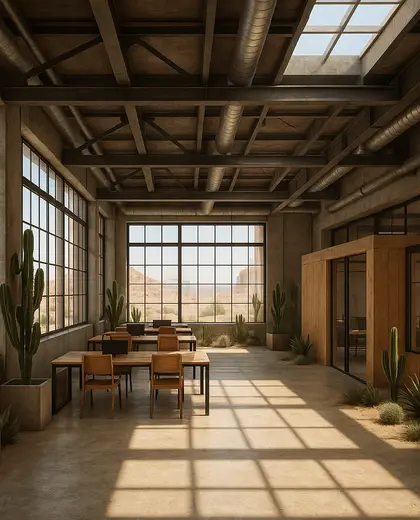
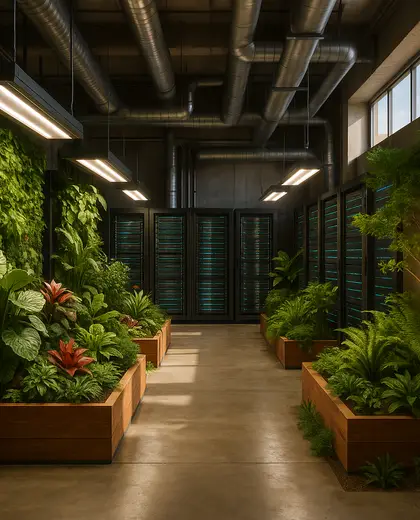
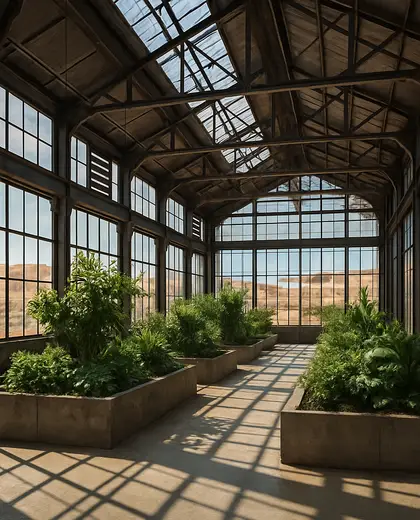
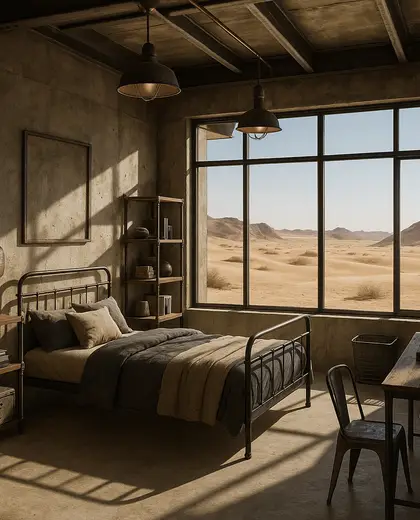
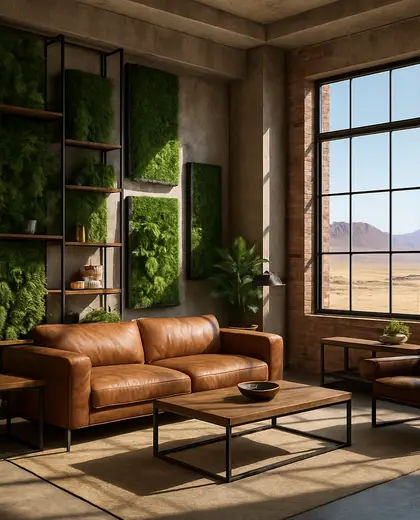
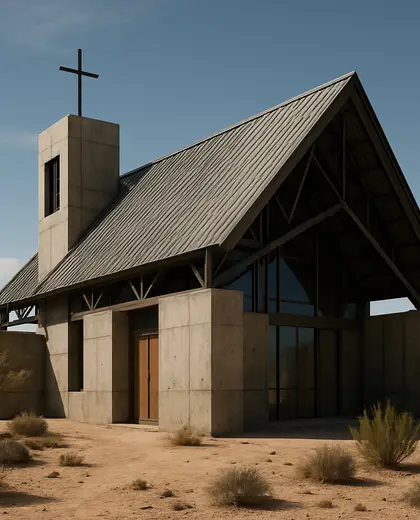
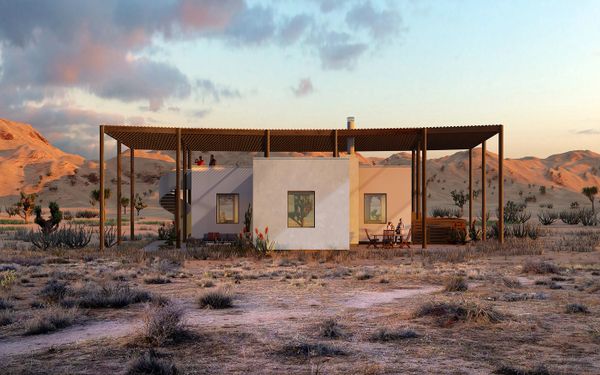
This composition pairs rugged industrial architecture with the restraint of desert landscapes. It typically uses exposed concrete, weathered steel, corrugated metal, and large shaded openings, balanced by sandy neutrals, sun-bleached tones, and strong thermal mass. The result feels stripped back, durable, and responsive to heat, light, and open horizons.
- industrial
- desert
— References
References to explore

What makes an industrial desert home feel authentic?
It usually relies on honest materials, simple massing, and climate-aware features like shade, thick walls, and protected outdoor spaces rather than decorative themes.
Will this style work in a hot climate?
Yes, if it is designed with passive cooling in mind. Courtyards, recessed glazing, overhangs, cross-ventilation, and thermal mass help it perform well.
Can it feel warm, not stark?
Yes. Warmth often comes from natural wood, textured plaster, woven details, and a restrained palette of earth tones that soften the harder industrial elements.
— The style
What defines it
Exposed concrete, steel, blackened metal, corrugated panels, stone, and timber accents are common.
Sand, clay, ochre, taupe, charcoal, rust, and sun-faded neutrals define the look.
Industrial structure is combined with desert-inspired forms, deep overhangs, shaded courtyards, and heat-conscious detailing.
— Professionals
Who has already built it


- Karavaan Homefurniture sellers · High Point · 4 projectsView profile →
— ARTICLES
Related reading
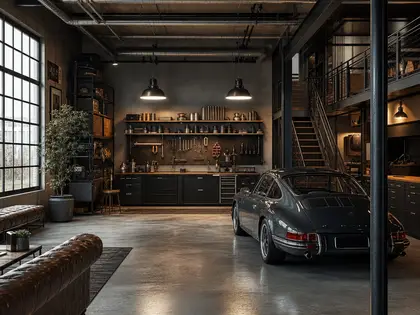
5 Practical Ways to Make Your garage Work Harder
Smart, homeowner-friendly garage ideas that improve storage, durability, and everyday use without overcomplicating the project.
Read article →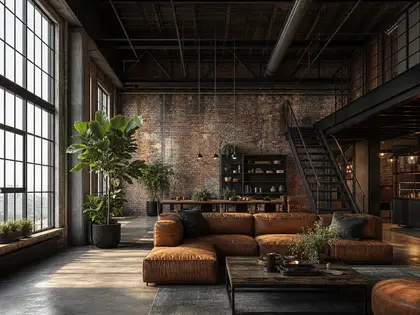
warehouse trends to watch in 2026
A practical look at the newest warehouse design trends, from durable materials and softer color palettes to flexible layouts, smarter lighting, and easy updates that do not require a full rebuild.
Read article →— Questions
Frequently asked questions
What makes an industrial desert home feel authentic?
It usually relies on honest materials, simple massing, and climate-aware features like shade, thick walls, and protected outdoor spaces rather than decorative themes.
Will this style work in a hot climate?
Yes, if it is designed with passive cooling in mind. Courtyards, recessed glazing, overhangs, cross-ventilation, and thermal mass help it perform well.
Can it feel warm, not stark?
Yes. Warmth often comes from natural wood, textured plaster, woven details, and a restrained palette of earth tones that soften the harder industrial elements.