— Ideas & inspiration
Industrial edges in an urban frame
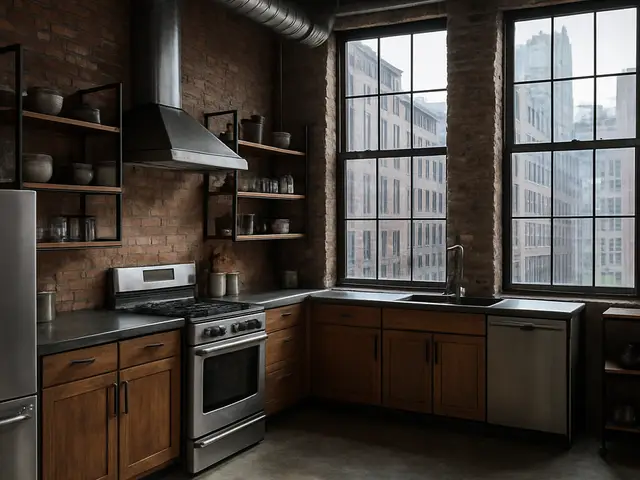
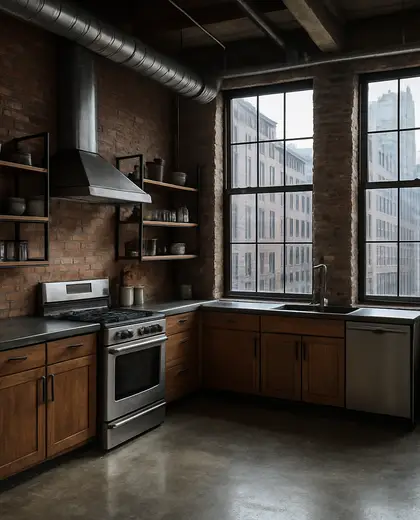
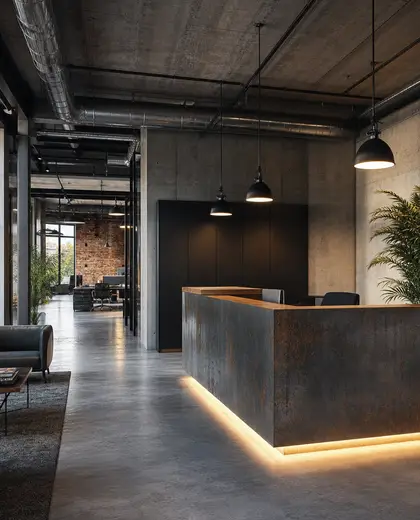
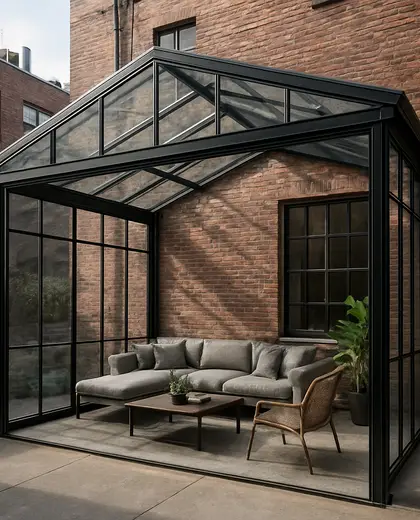
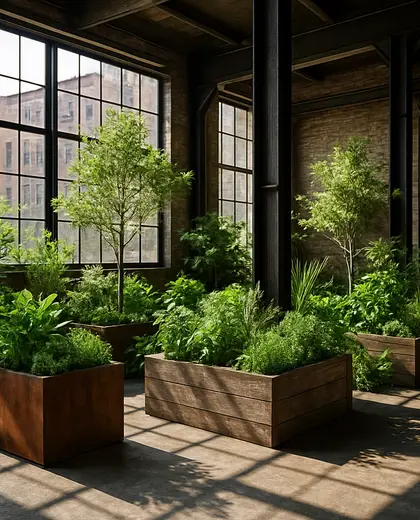
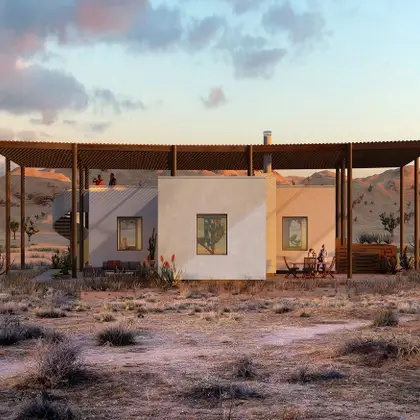
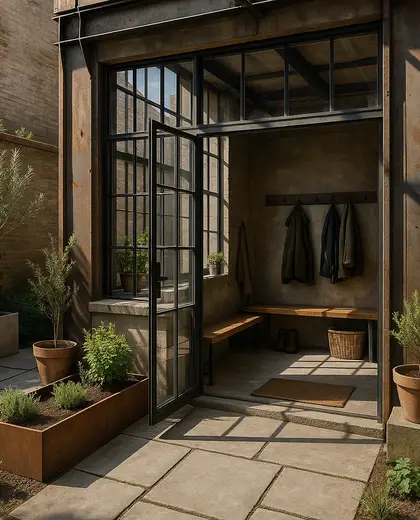
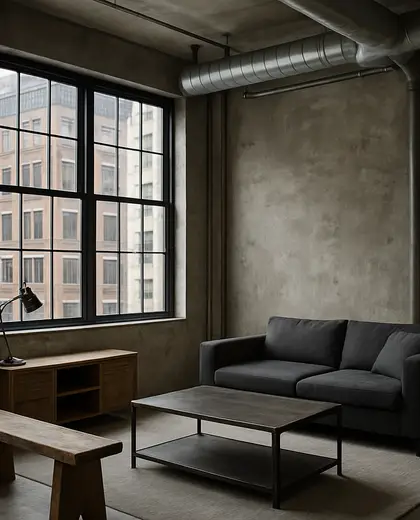
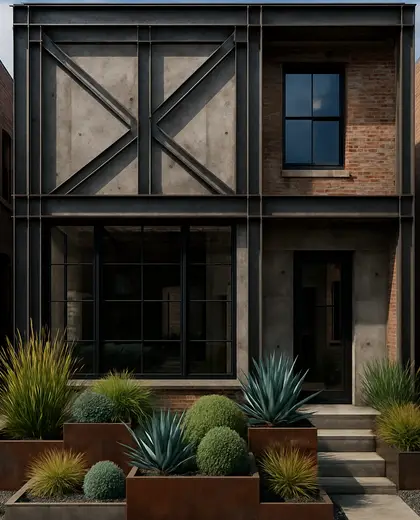
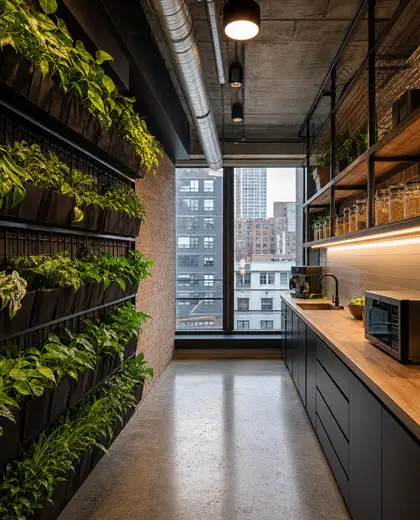
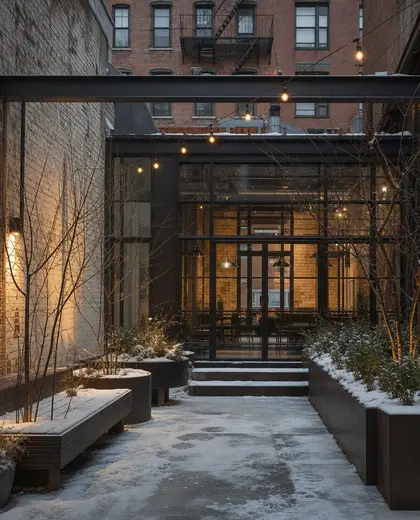
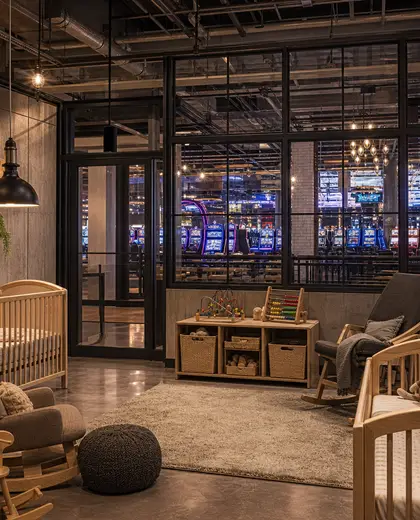
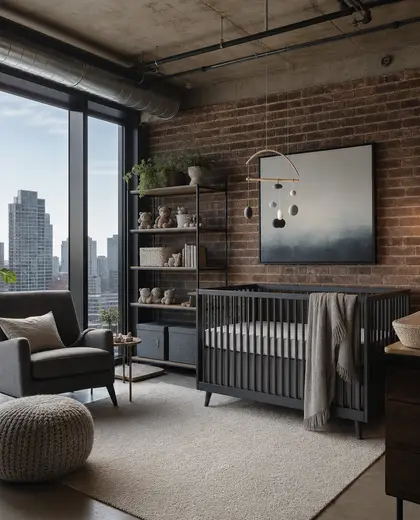
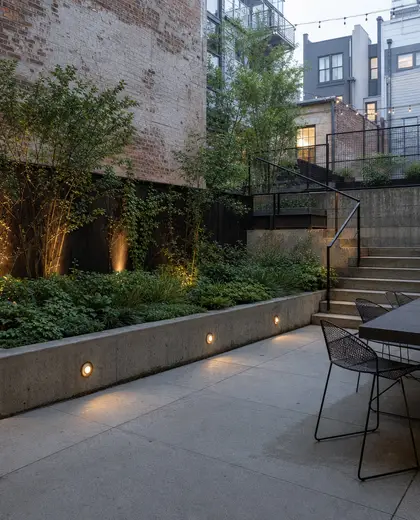
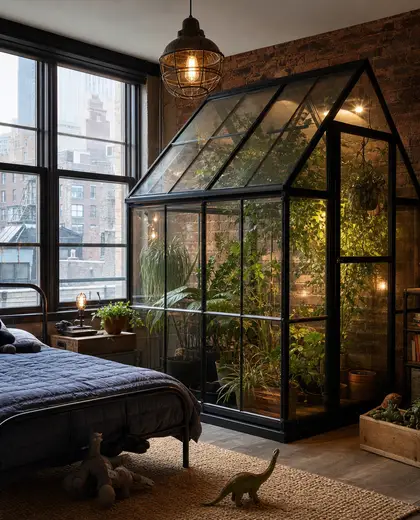
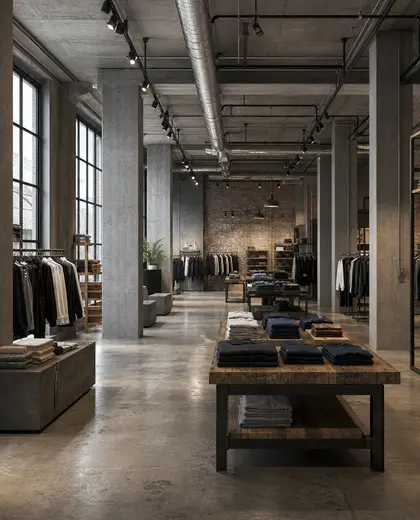
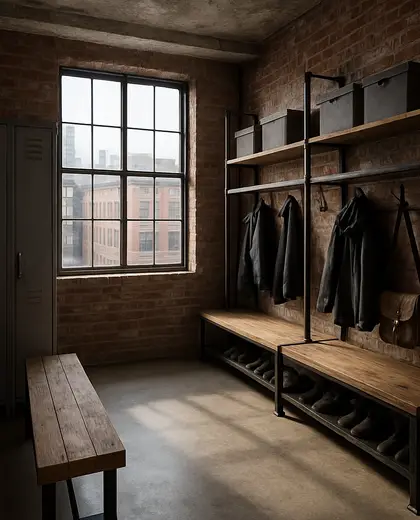
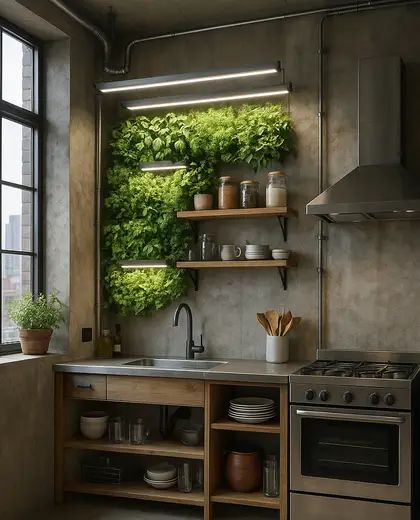
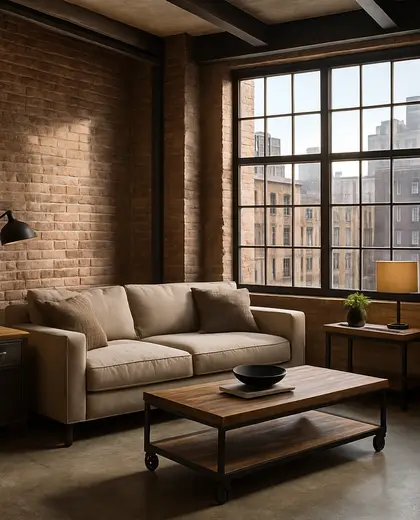
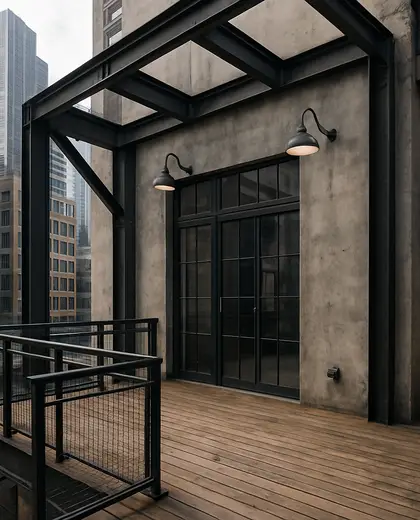
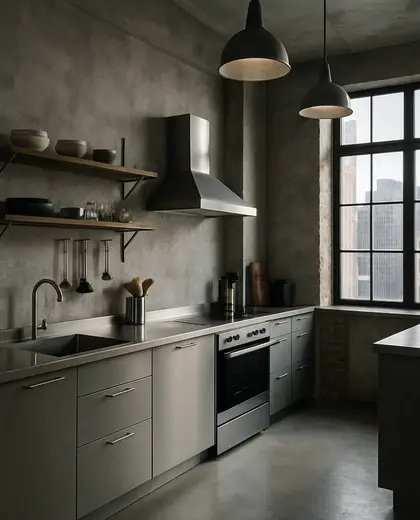
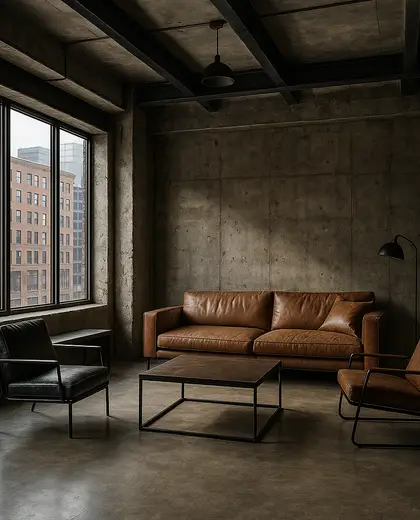
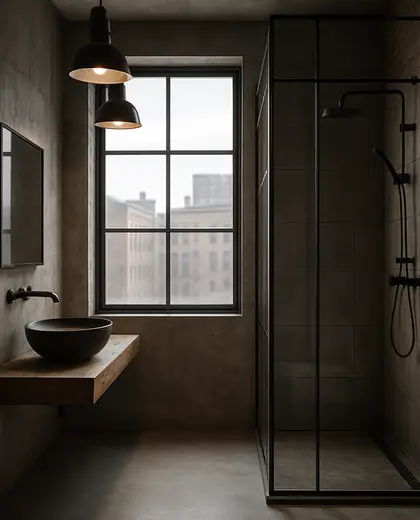
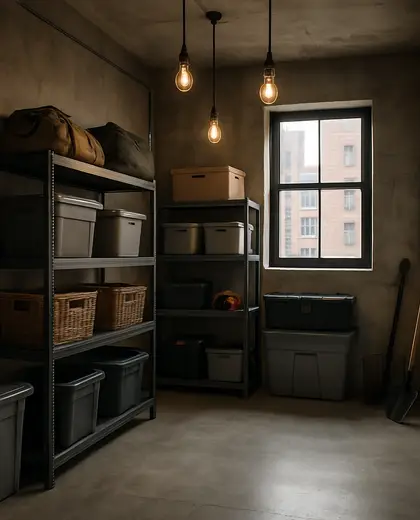
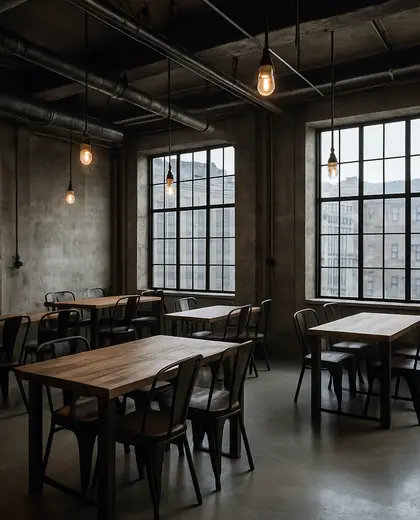
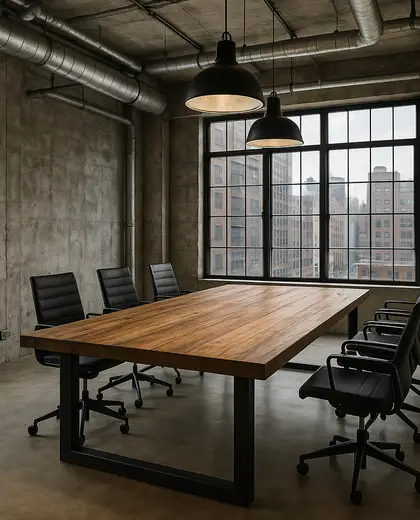
This composition is defined by exposed materials, structural honesty, and a city-ready, utilitarian feel. Think concrete, blackened steel, weathered wood, brick, and glass, kept in a mostly neutral palette with charcoal, gray, brown, and muted metal tones. The look usually emphasizes open layouts, visible systems, and hard-wearing surfaces.
- industrial
- urban
— References
References to explore

Is industrial urban style always dark and cold?
No. It often uses darker neutrals, but warmth can come from wood, leather, textiles, and softer lighting.
Does this style require exposed brick or concrete?
Not necessarily. Those materials are classic, but you can achieve the feel with textured finishes, metal details, and a restrained palette.
What kind of home suits this composition best?
It fits lofts, apartments, and renovated homes especially well, but it can also work in newer spaces if the detailing stays simple and material-driven.
— The style
What defines it
Concrete, steel, brick, reclaimed wood, and glass are the core surfaces, often left raw or lightly finished.
Charcoal, graphite, warm gray, rust, black, and tobacco brown form the base, sometimes lifted by off-white or muted green.
Works well with loft layouts, large windows, vintage pieces, minimalist furnishings, and urban-inspired lighting.
— Professionals
Who has already built it
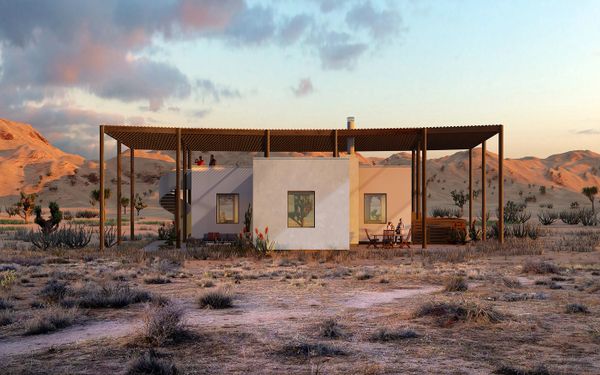



- Karavaan Homefurniture sellers · High Point · 4 projectsView profile →
— ARTICLES
Related reading
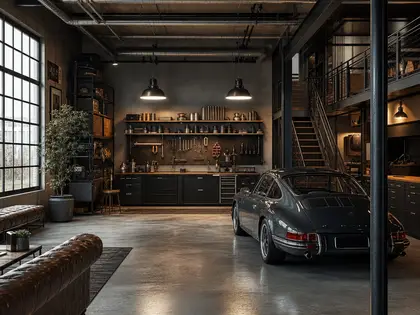
5 Practical Ways to Make Your garage Work Harder
Smart, homeowner-friendly garage ideas that improve storage, durability, and everyday use without overcomplicating the project.
Read article →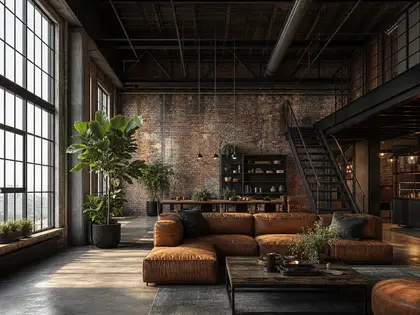
warehouse trends to watch in 2026
A practical look at the newest warehouse design trends, from durable materials and softer color palettes to flexible layouts, smarter lighting, and easy updates that do not require a full rebuild.
Read article →— Questions
Frequently asked questions
Is industrial urban style always dark and cold?
No. It often uses darker neutrals, but warmth can come from wood, leather, textiles, and softer lighting.
Does this style require exposed brick or concrete?
Not necessarily. Those materials are classic, but you can achieve the feel with textured finishes, metal details, and a restrained palette.
What kind of home suits this composition best?
It fits lofts, apartments, and renovated homes especially well, but it can also work in newer spaces if the detailing stays simple and material-driven.