— Ideas & inspiration
Renaissance forms shaped by mountain landscapes
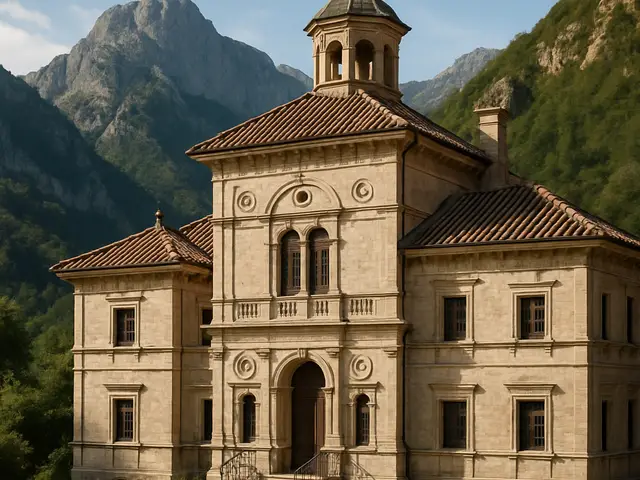
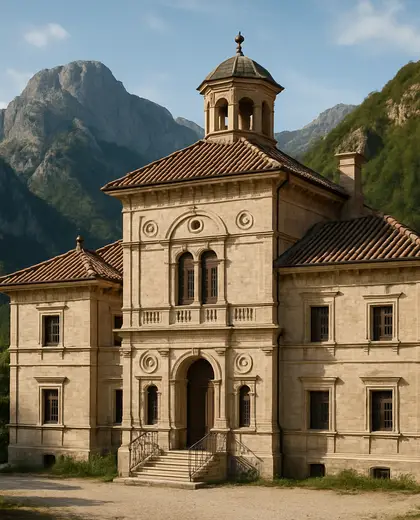
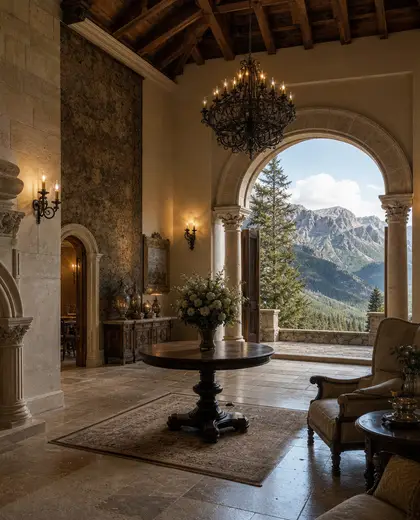
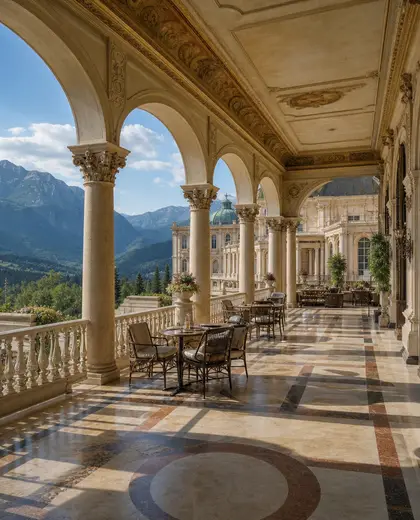
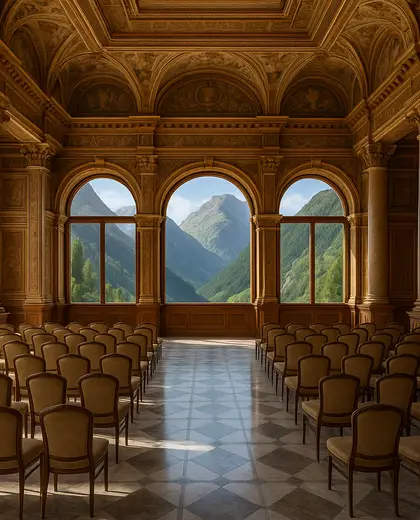
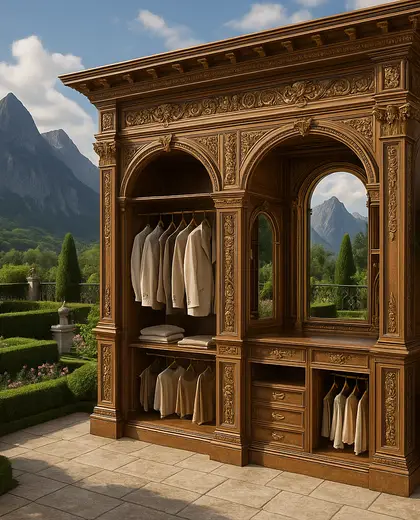
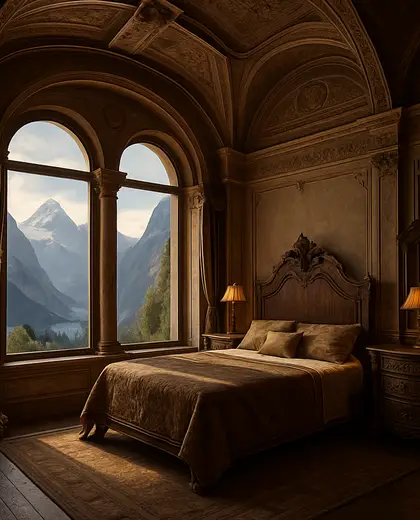
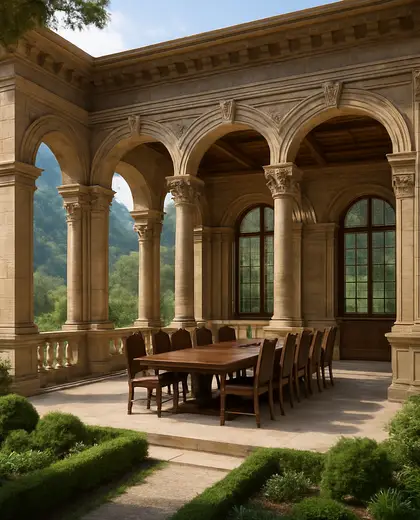
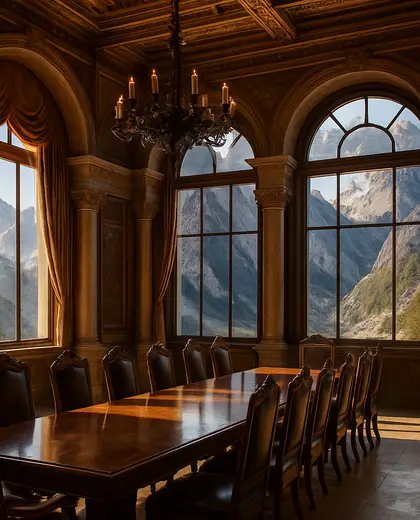
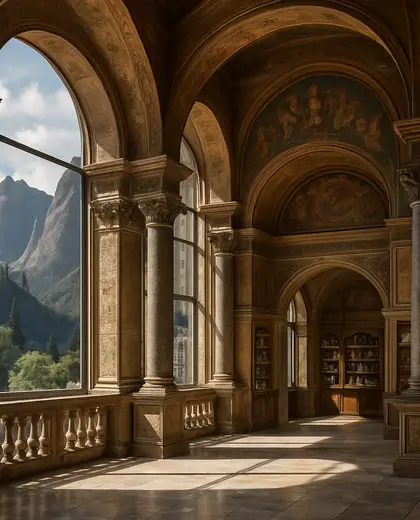
This composition pairs Renaissance symmetry and proportion with the rugged massing of mountain architecture. Expect stone façades, arched openings, colonnades, steep roofs, and heavy timber details set in muted earth tones, slate, and weathered mineral finishes. The result feels formal and classical, but grounded in the texture and solidity of a highland setting.
- renaissance
- mountain
— References
References to explore
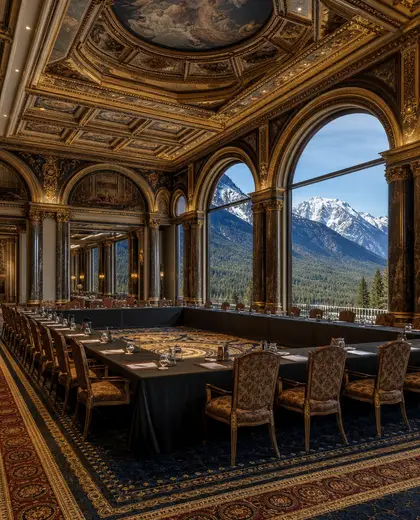
What makes this different from a standard classical interior or exterior?
The Renaissance side brings order, arches, and ornament, while the mountain side adds heavier materials, steeper rooflines, and a more rugged profile.
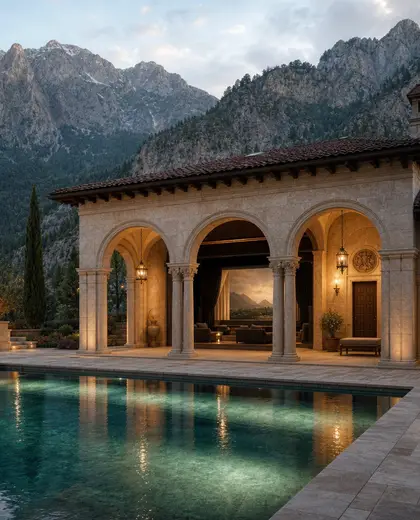
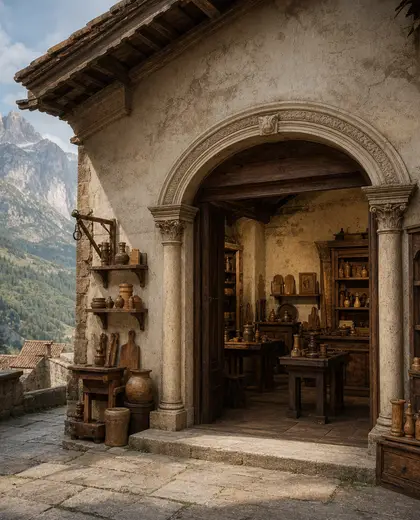
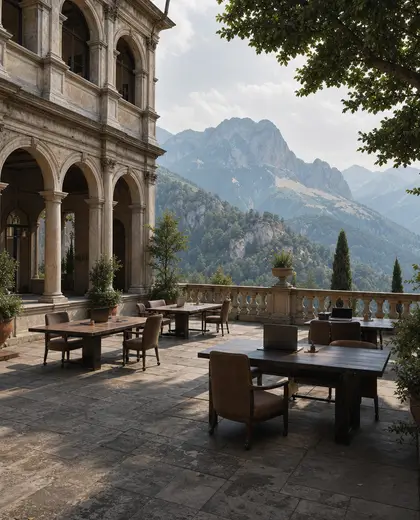
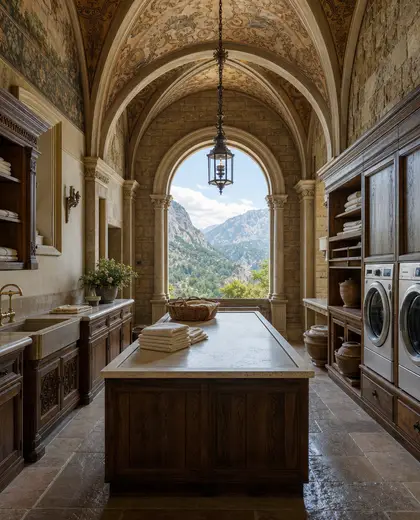
Is this composition better for a house in the mountains?
Yes, it suits alpine or hillside settings well because the massing and materials feel grounded and weather-resistant, but it can also work as a stylistic reference in other locations.
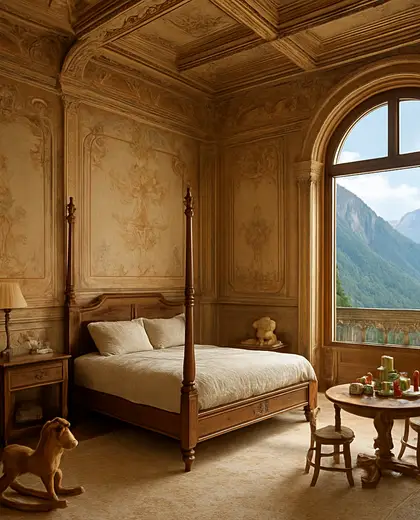
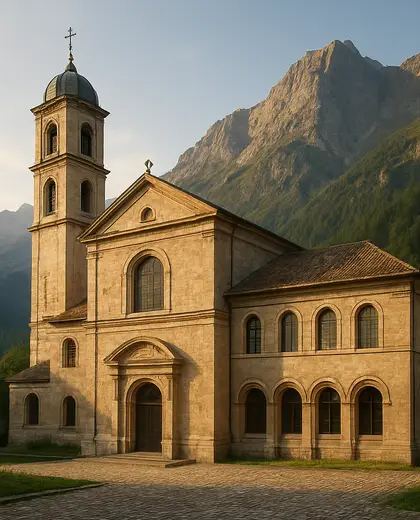
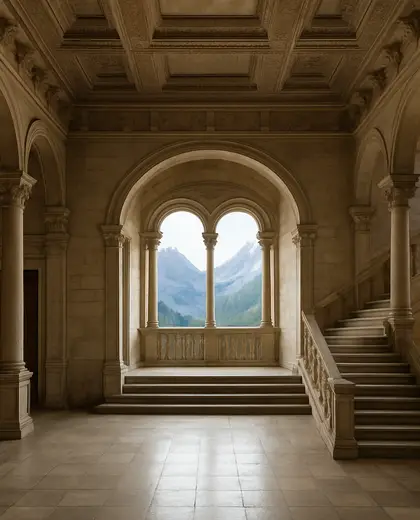
What details should I look for to keep it authentic?
Use balanced proportions, stone or plaster walls, arched windows or loggias, exposed timber, and a restrained palette rather than bright decorative colors.
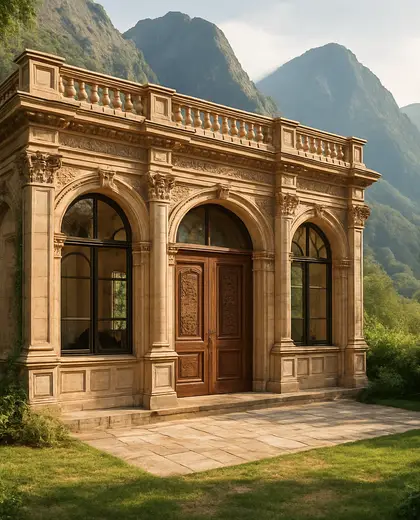
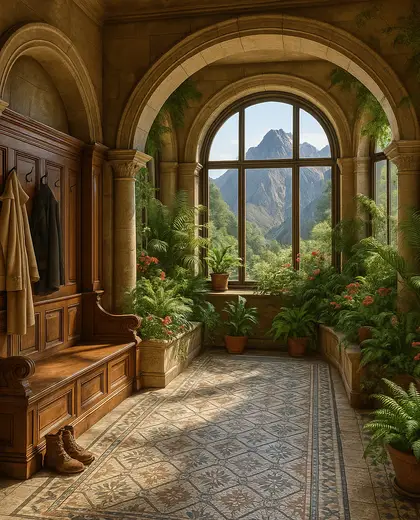
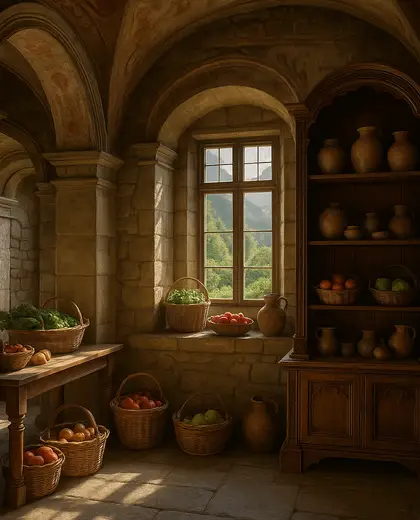
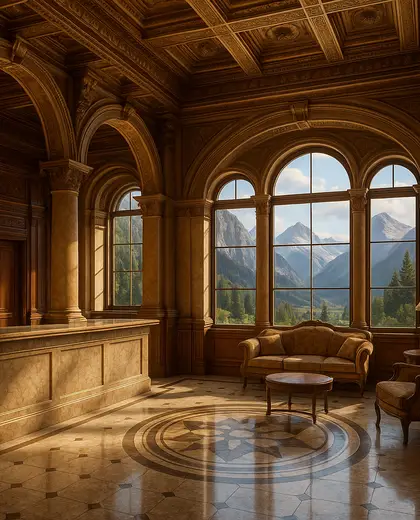
— The style
What defines it
Stone, stucco, timber, slate, wrought iron, and carved masonry are the core materials.
Warm neutrals, limestone beige, muted terracotta, charcoal, deep green, and slate gray define the look.
It combines Renaissance symmetry, arches, and classical detailing with mountain forms, steep pitches, and robust construction.
— Professionals
Who has already built it
- dederick bakerarchitects · San Diego · 7 projectsView profile →
- Karavaan Homefurniture sellers · High Point · 4 projectsView profile →
- jacob galleslandscape designers · 6 projectsView profile →
- pfuner designinterior designers · 11 projectsView profile →
— Explore
Keep exploring
— Questions
Frequently asked questions
What makes this different from a standard classical interior or exterior?
The Renaissance side brings order, arches, and ornament, while the mountain side adds heavier materials, steeper rooflines, and a more rugged profile.
Is this composition better for a house in the mountains?
Yes, it suits alpine or hillside settings well because the massing and materials feel grounded and weather-resistant, but it can also work as a stylistic reference in other locations.
What details should I look for to keep it authentic?
Use balanced proportions, stone or plaster walls, arched windows or loggias, exposed timber, and a restrained palette rather than bright decorative colors.