— Ideas & inspiration
Renaissance
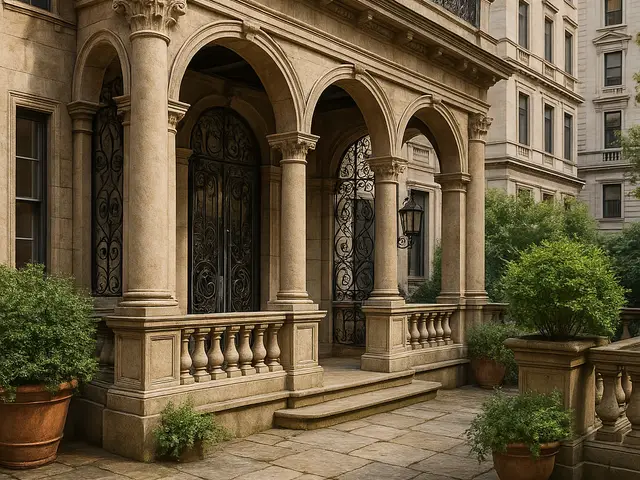
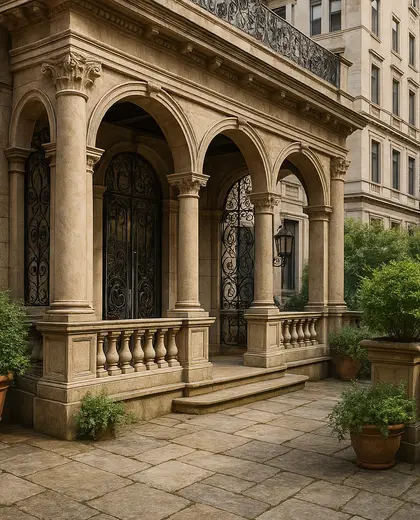
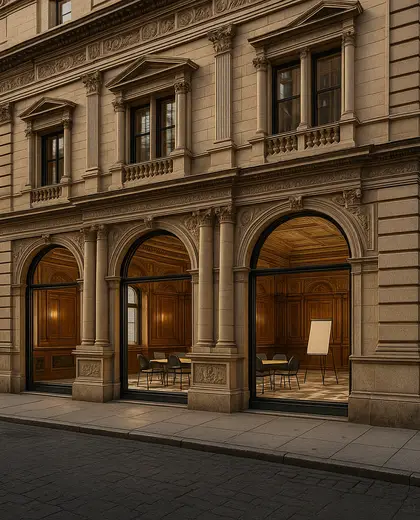
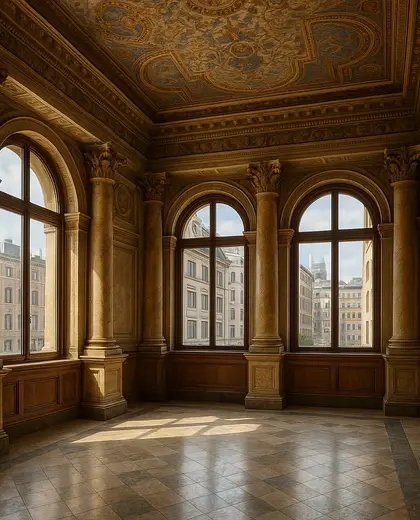
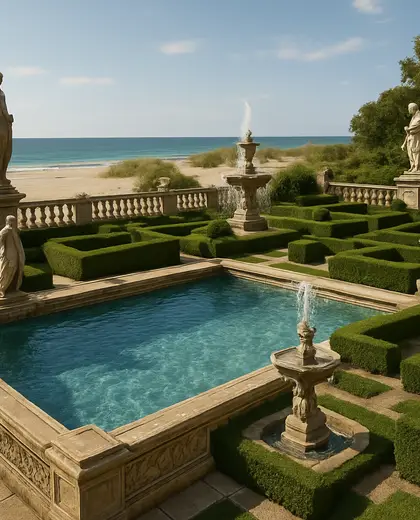
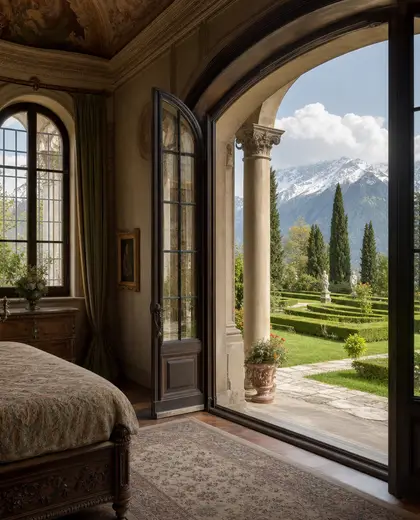
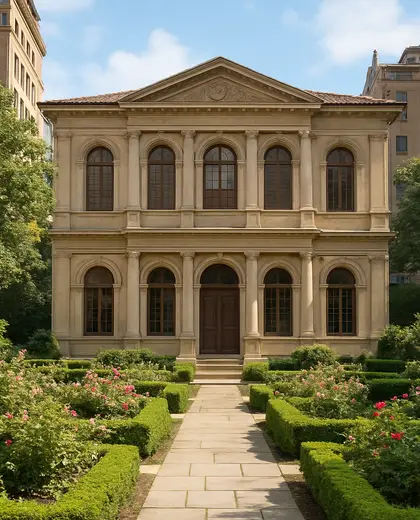
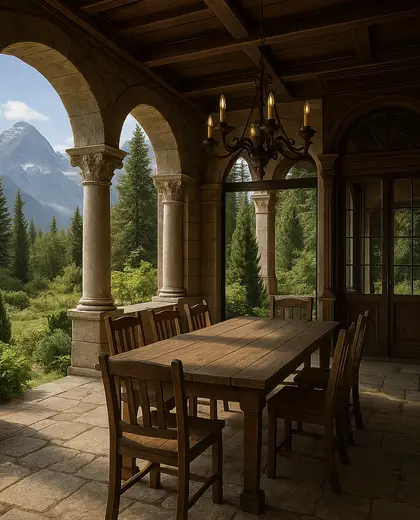
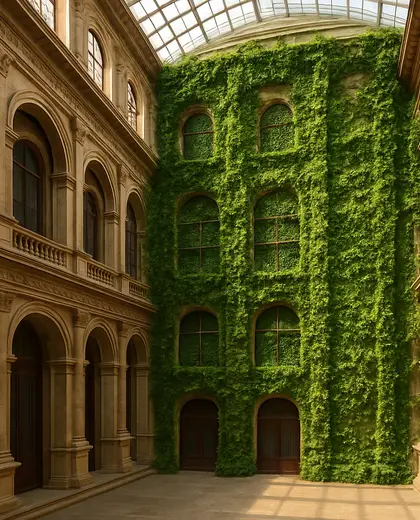
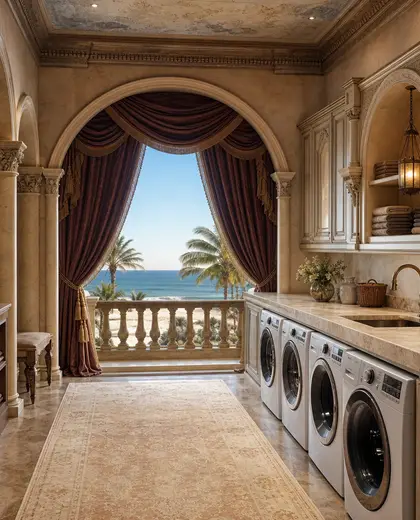
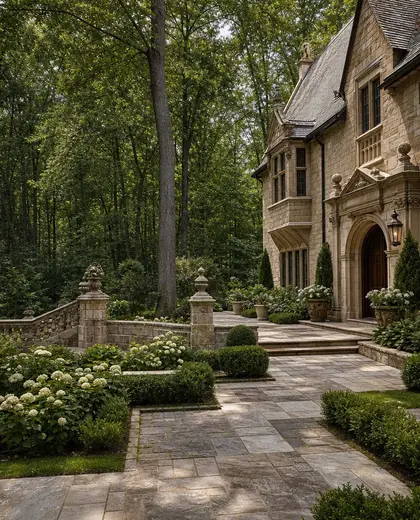
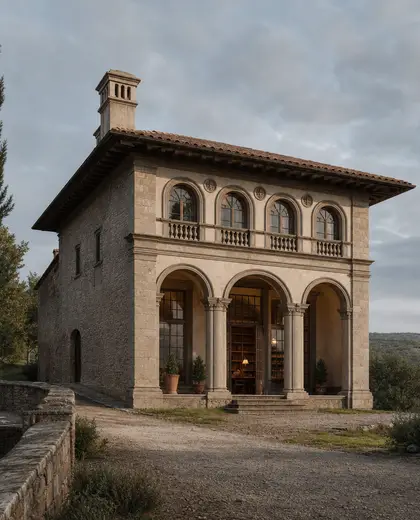
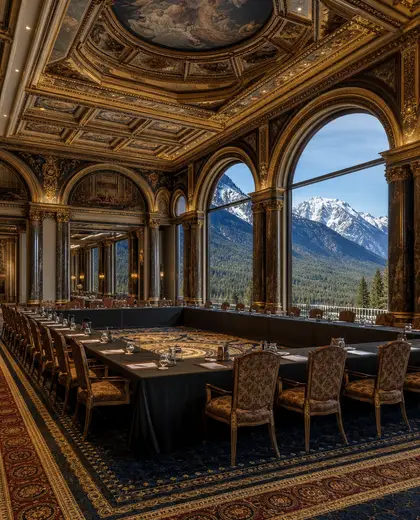
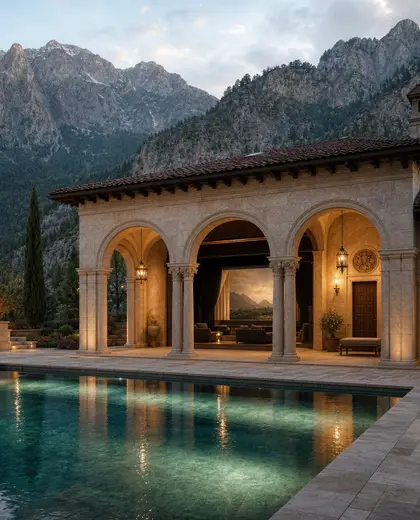
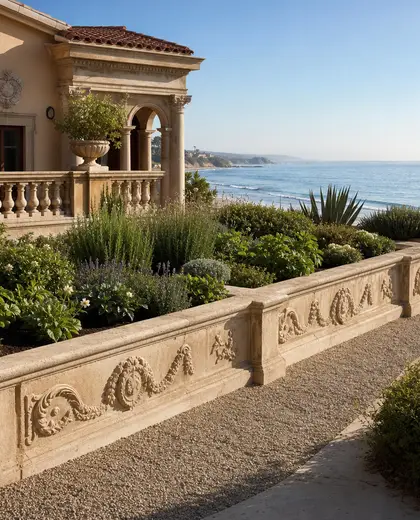
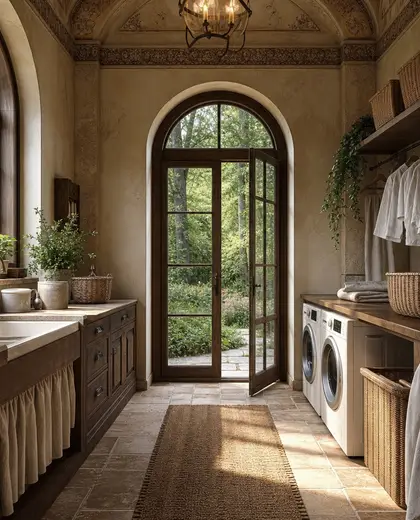
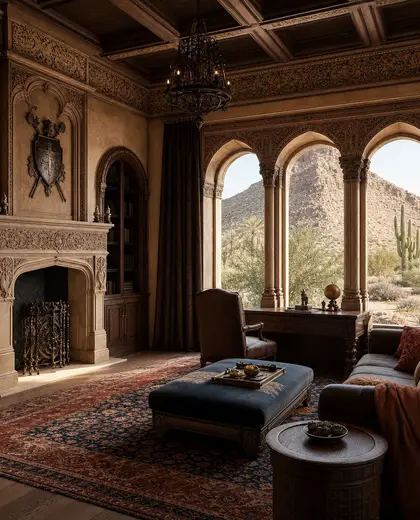
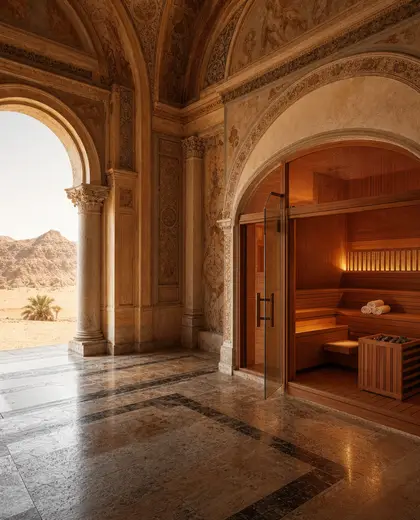
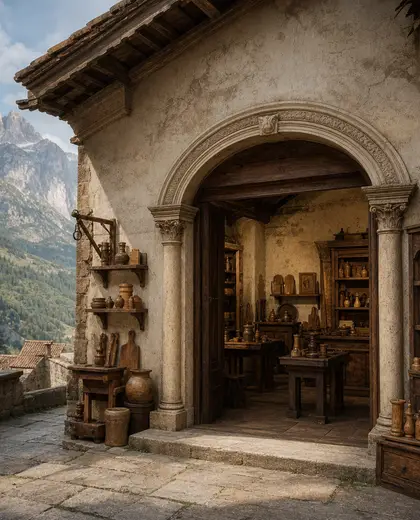
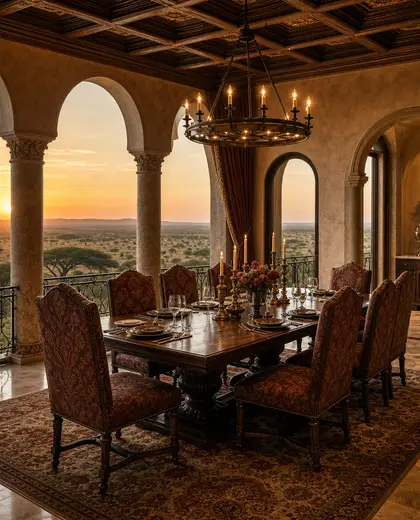
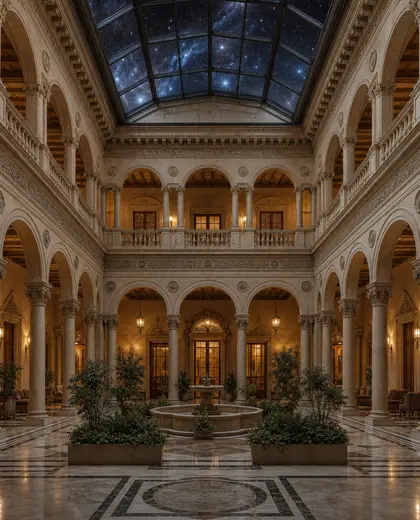
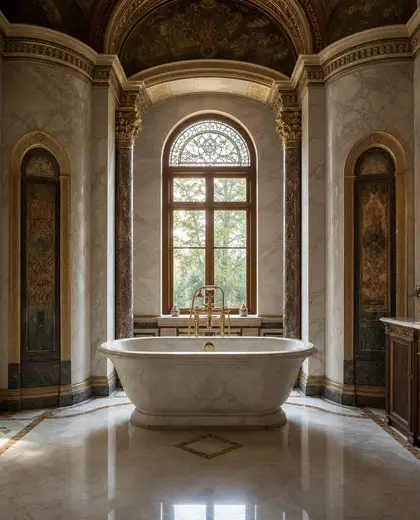
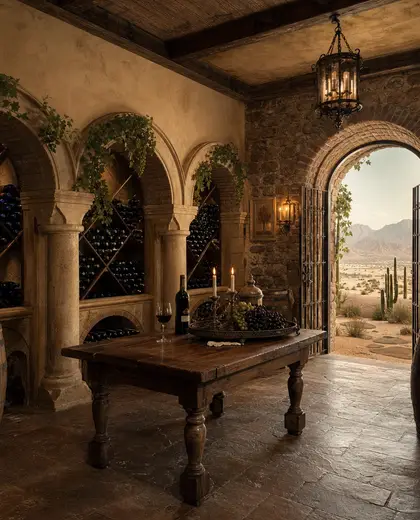
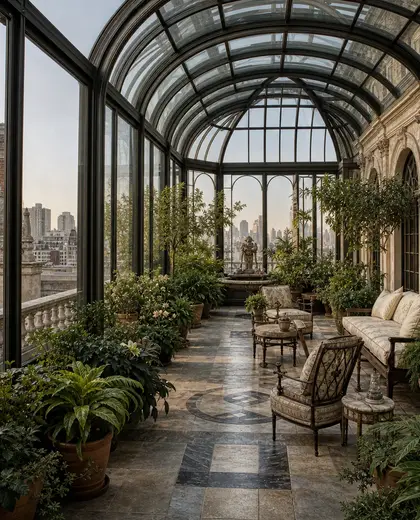
Renaissance composition is defined by symmetry, classical proportions, and richly detailed surfaces. It often uses carved stone, plaster, marble, dark wood, and decorative metalwork, with a palette of ivory, warm neutrals, deep reds, green, gold, and aged finishes. The look combines arches, pilasters, cornices, coffered ceilings, patterned floors, and ornamental detailing.
- renaissance
— References
References to explore
Is Renaissance style suitable for a modern home?
Yes, if you use it selectively. A modern home can borrow the proportions, arches, mouldings, and material richness without recreating a full historical interior.
What finishes are most typical in this composition?
Stone and marble surfaces, painted plaster walls, dark stained wood, and metal details with a matte or aged look are the most characteristic.

Does Renaissance composition work in small rooms?
It can, but the detailing should be restrained. Use a few classical elements, lighter tones, and avoid overly heavy ornament so the room does not feel crowded.
— The style
What defines it
Marble, limestone, carved wood, plaster, bronze, and polished stone are common, often finished with visible grain or patina.
Ivory, cream, ochre, terracotta, deep red, olive, forest green, and muted gold create the typical Renaissance tone.
Works well with arches, columns, wall panels, fresco-like decoration, coffered ceilings, and formal furniture.
— Professionals
Who has already built it
- robert srotearchitects · 8 projectsView profile →
- pfuner designinterior designers · 11 projectsView profile →
- Karavaan Homefurniture sellers · High Point · 4 projectsView profile →
- jacob galleslandscape designers · 6 projectsView profile →
— Questions
Frequently asked questions
Is Renaissance style suitable for a modern home?
Yes, if you use it selectively. A modern home can borrow the proportions, arches, mouldings, and material richness without recreating a full historical interior.
What finishes are most typical in this composition?
Stone and marble surfaces, painted plaster walls, dark stained wood, and metal details with a matte or aged look are the most characteristic.
Does Renaissance composition work in small rooms?
It can, but the detailing should be restrained. Use a few classical elements, lighter tones, and avoid overly heavy ornament so the room does not feel crowded.