— Ideas & inspiration
Renaissance details in a modern urban setting
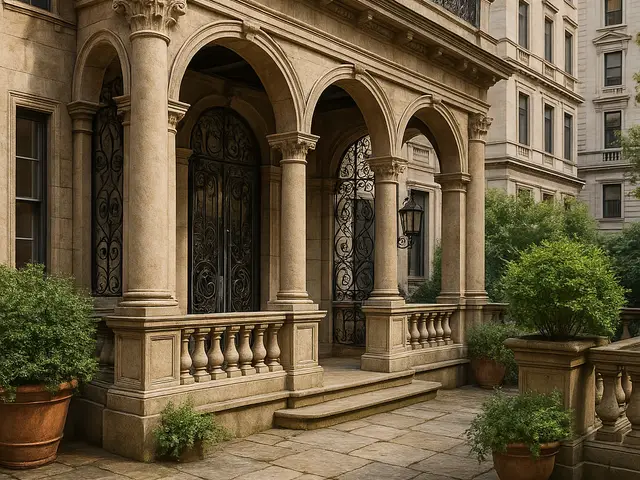
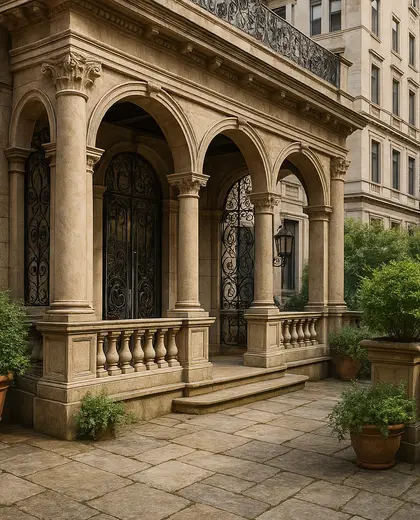
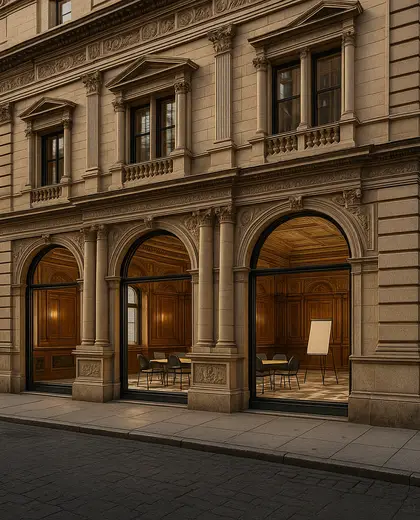
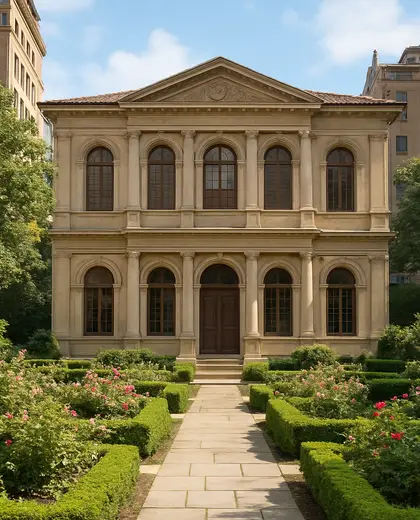
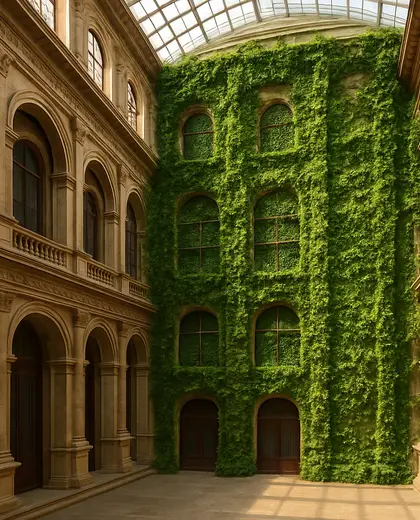
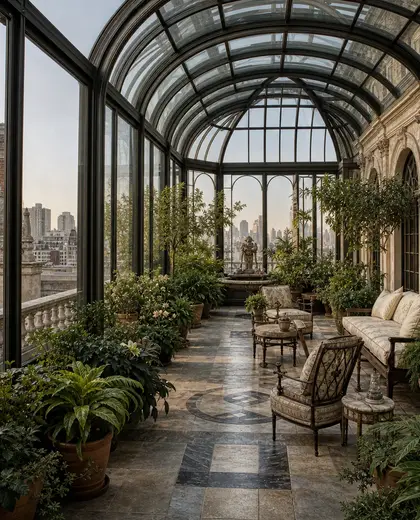
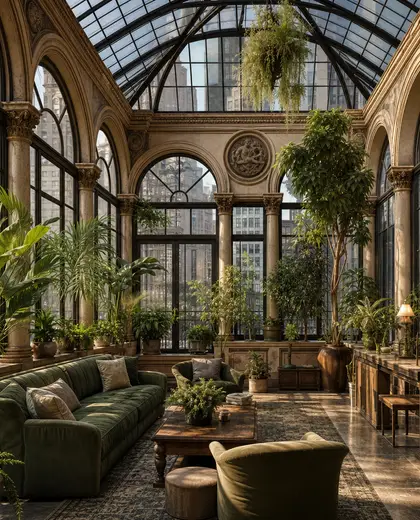
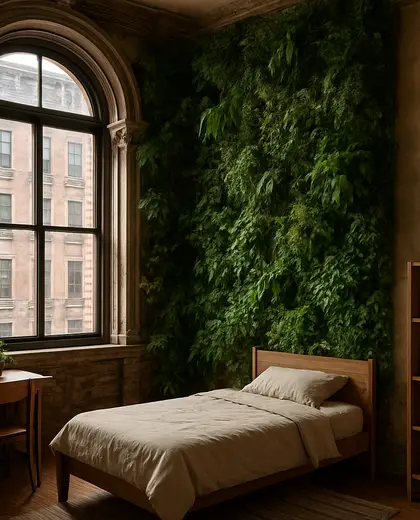
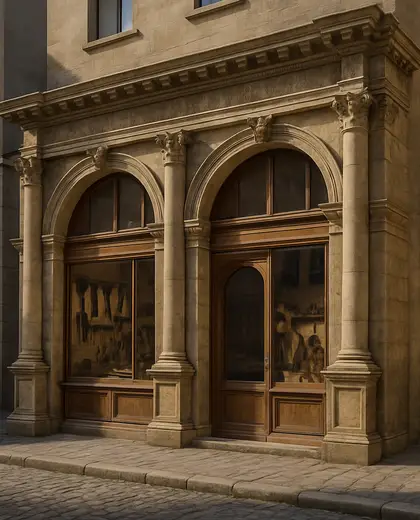
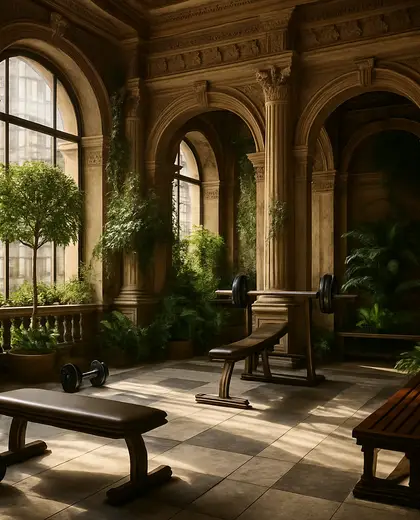
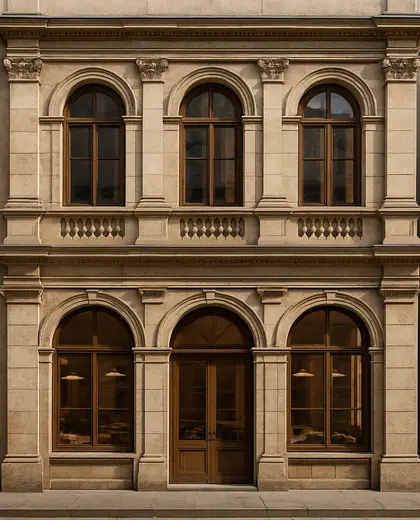
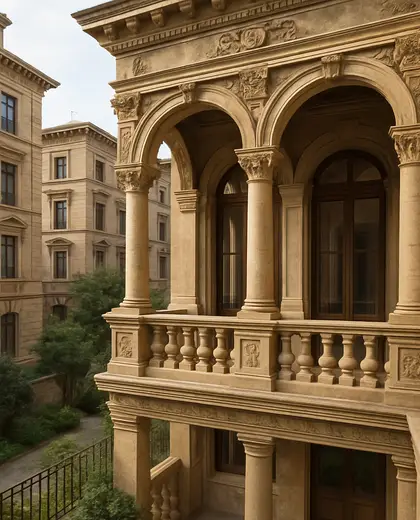
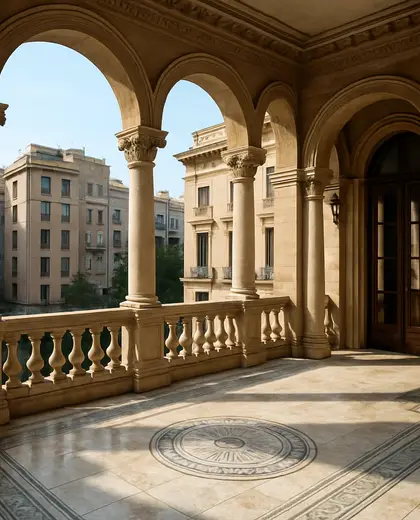
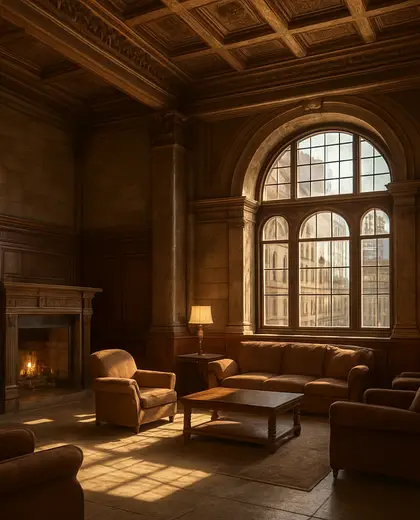
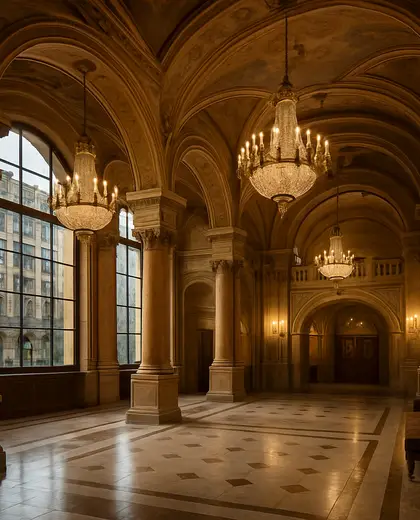
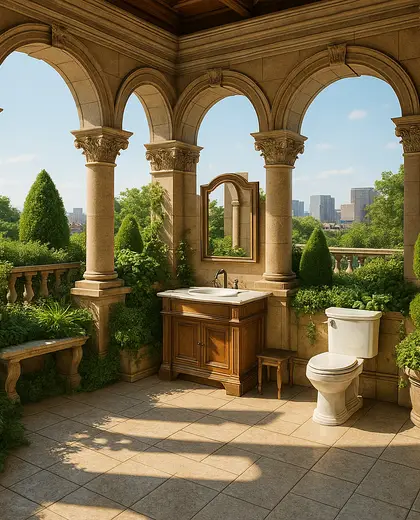
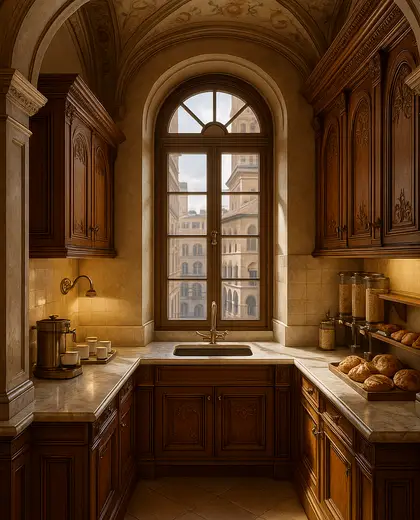
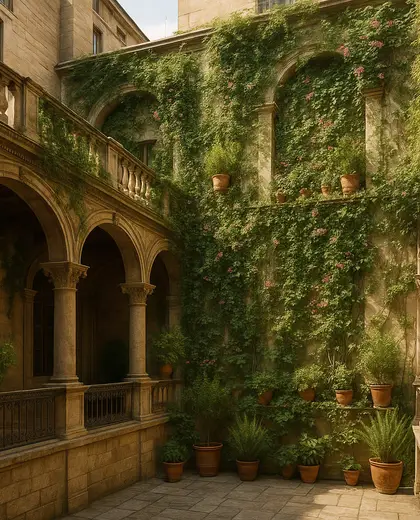
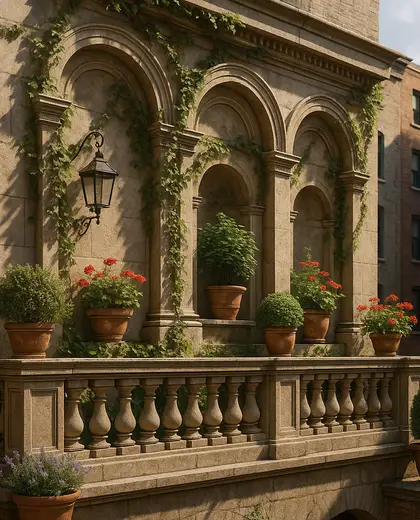
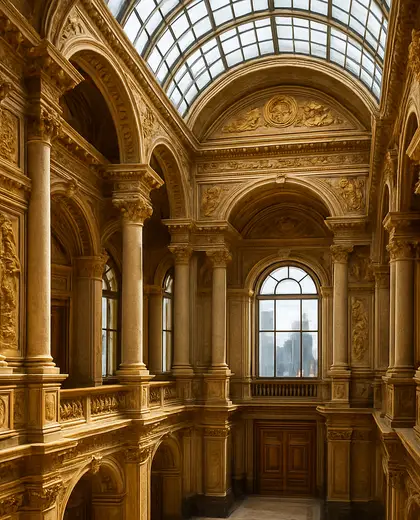
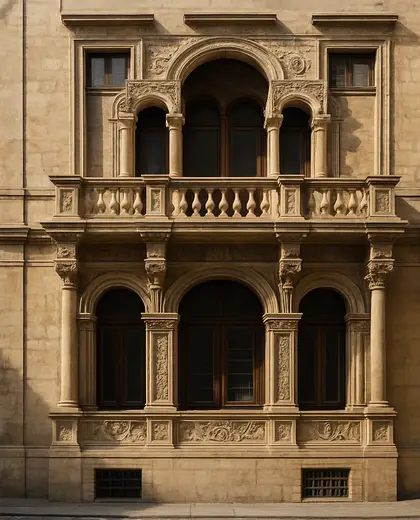
This composition pairs Renaissance proportions with the density and edge of city life. Expect carved stone or stucco facades, arched openings, pilasters, cornices, and symmetrical layouts, set against glass, steel, and tighter urban footprints. The palette leans toward warm limestone, cream, terracotta, charcoal, and muted bronze.
- renaissance
- urban
— References
References to explore
Will this style work on a narrow city lot?
Yes. The Renaissance language can be compressed into a narrower facade by using vertical symmetry, arched openings, and layered detailing without needing a large footprint.
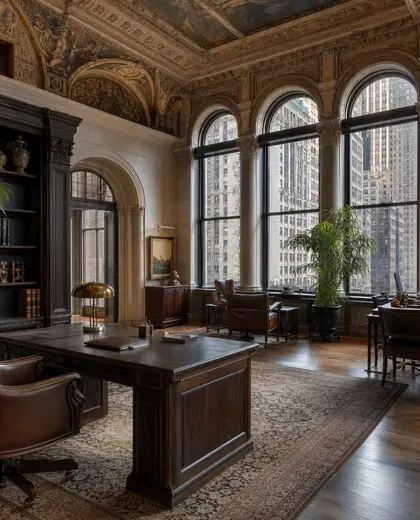
Does it feel old-fashioned inside?
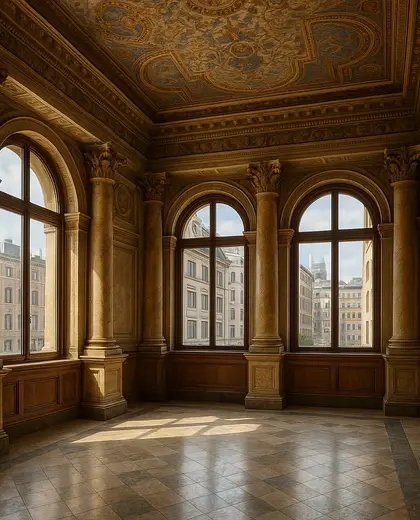
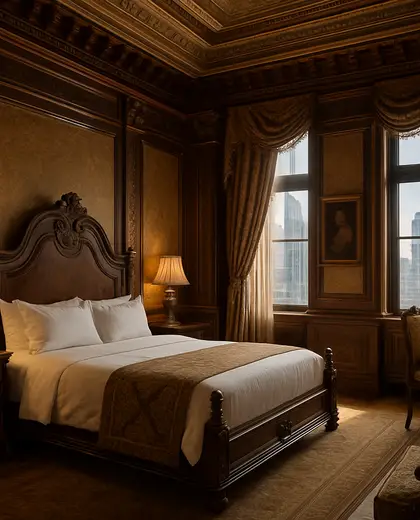
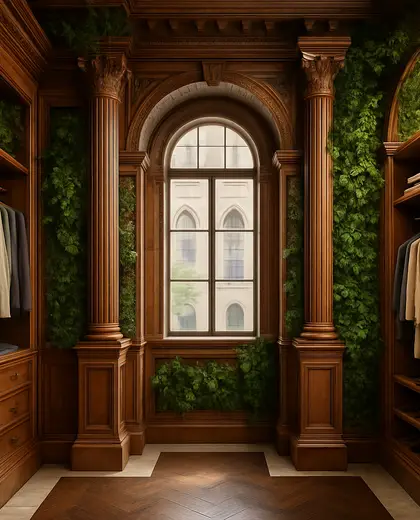
Not necessarily. The exterior can reference Renaissance forms while interiors stay clean and urban with simpler millwork, open plans, and contemporary finishes.
What exterior details make it read as Renaissance urban?
Look for balanced window placement, stone or stucco cladding, arched entryways, pronounced cornices, pilasters, and restrained metal detailing that suits a city streetscape.
— The style
What defines it
Stone, stucco, marble accents, terracotta, wrought iron, glass, and metal trims.
Cream, warm beige, limestone, terracotta, charcoal, deep green, and bronze tones.
Classical symmetry, arched windows, heavy cornices, and urban materials like glass storefronts and steel framing.
— Professionals
Who has already built it
- john allegrettiarchitects · 6 projectsView profile →
- pfuner designinterior designers · 11 projectsView profile →
- Karavaan Homefurniture sellers · High Point · 4 projectsView profile →
- jacob galleslandscape designers · 6 projectsView profile →
— Explore
Keep exploring
— Questions
Frequently asked questions
Will this style work on a narrow city lot?
Yes. The Renaissance language can be compressed into a narrower facade by using vertical symmetry, arched openings, and layered detailing without needing a large footprint.
Does it feel old-fashioned inside?
Not necessarily. The exterior can reference Renaissance forms while interiors stay clean and urban with simpler millwork, open plans, and contemporary finishes.
What exterior details make it read as Renaissance urban?
Look for balanced window placement, stone or stucco cladding, arched entryways, pronounced cornices, pilasters, and restrained metal detailing that suits a city streetscape.