— Ideas & inspiration
Renaissance grace meets coastal ease
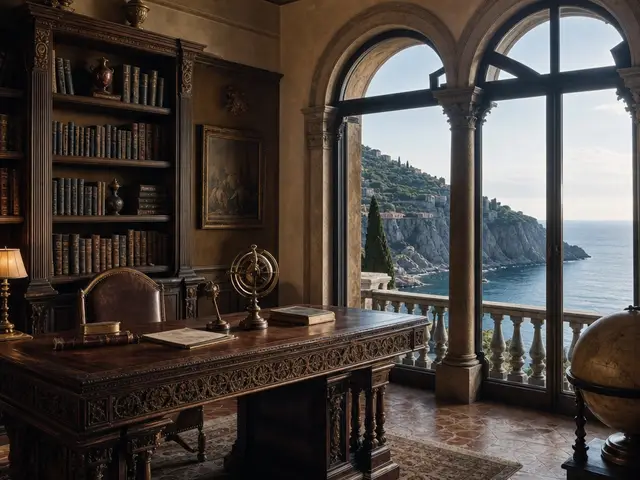
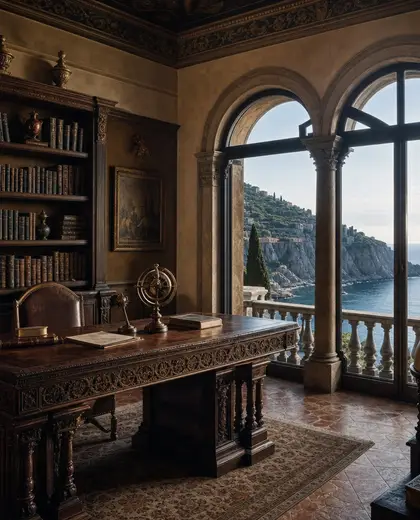
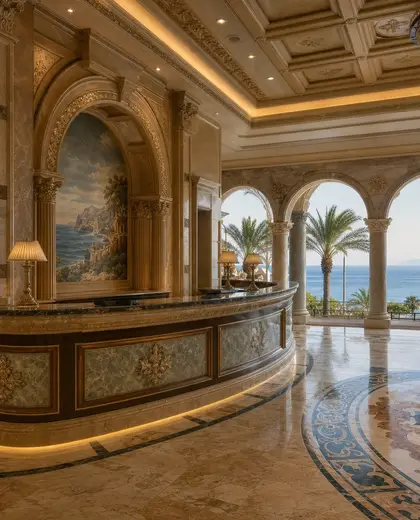
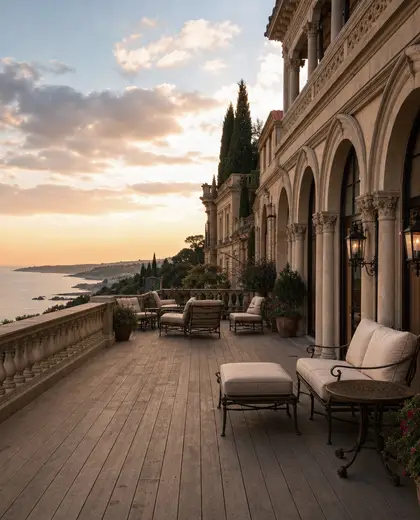
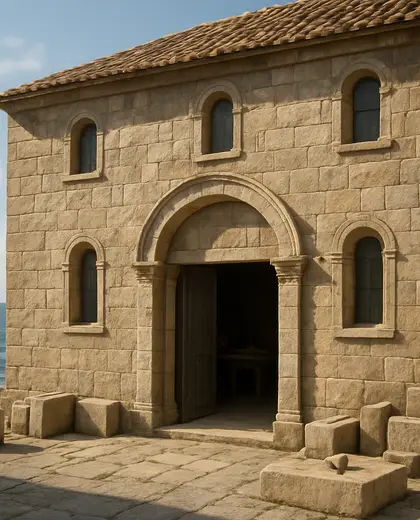
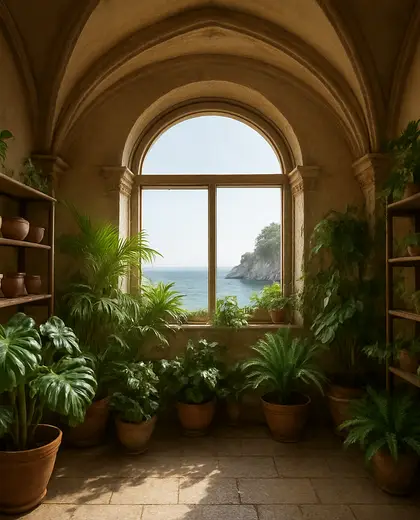
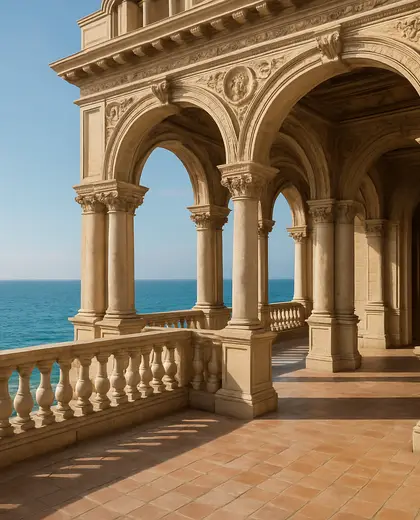
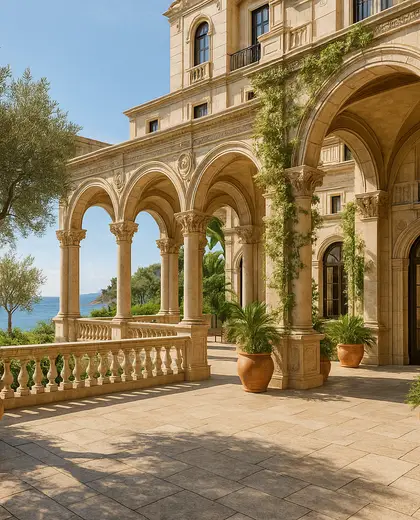
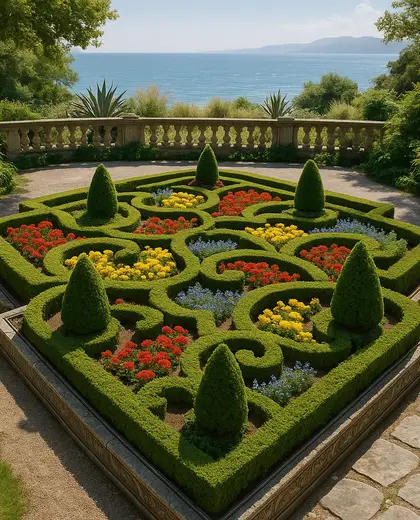
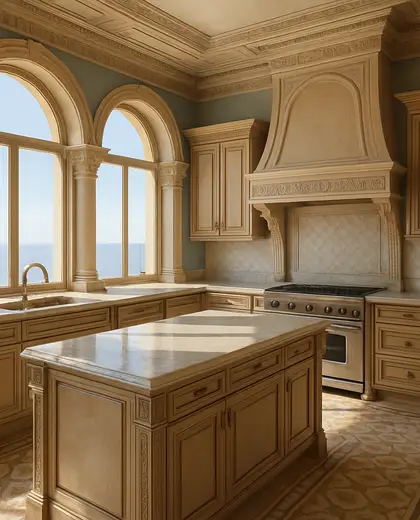
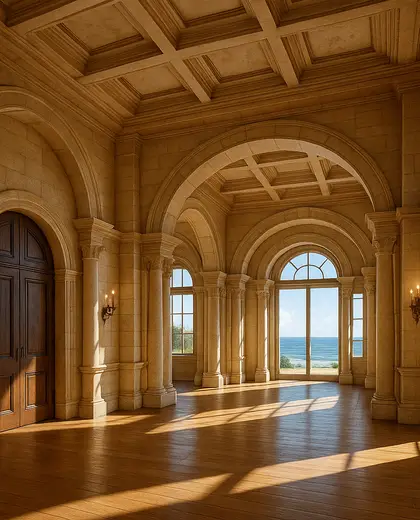
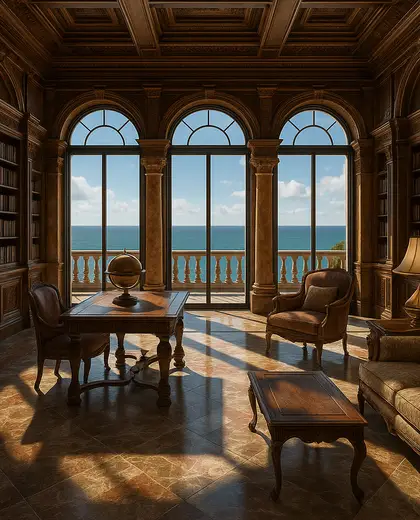
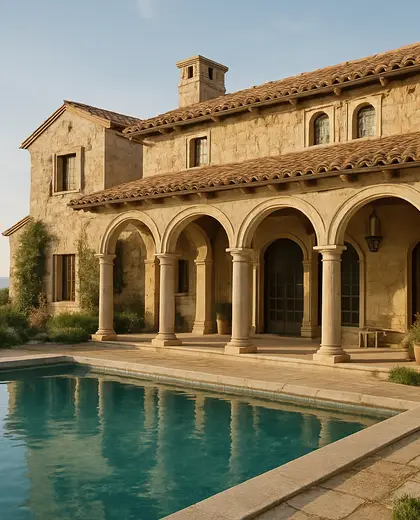
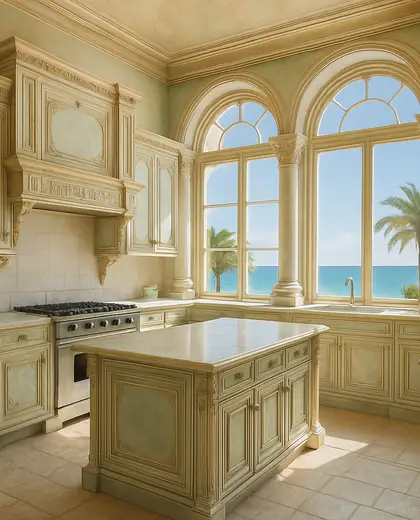
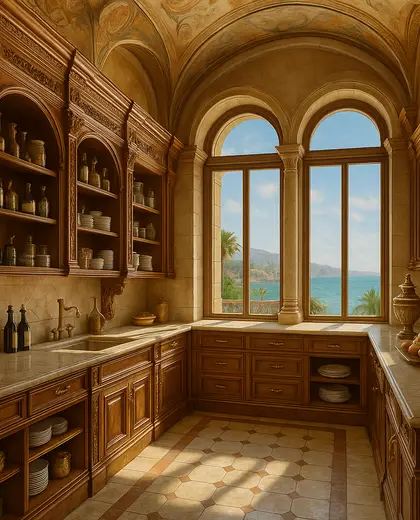
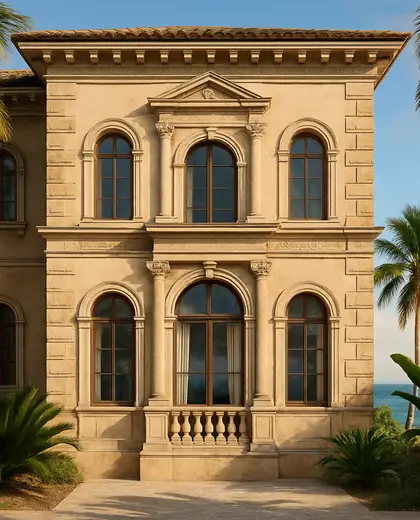
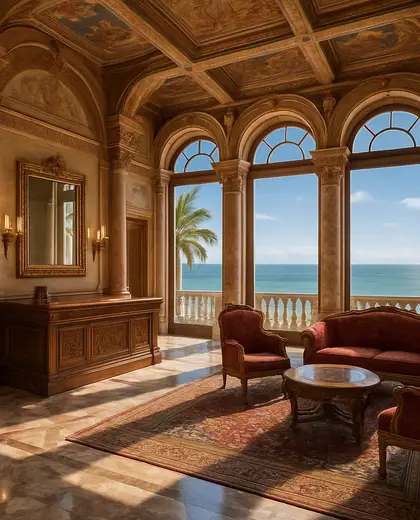
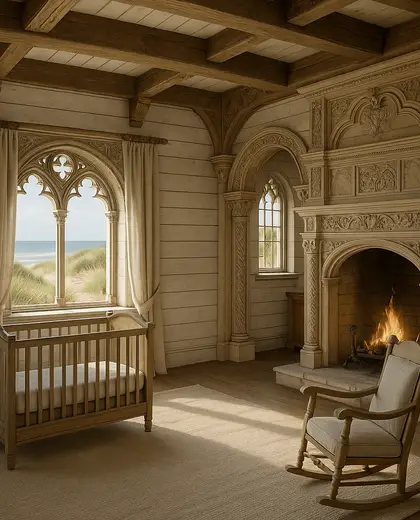
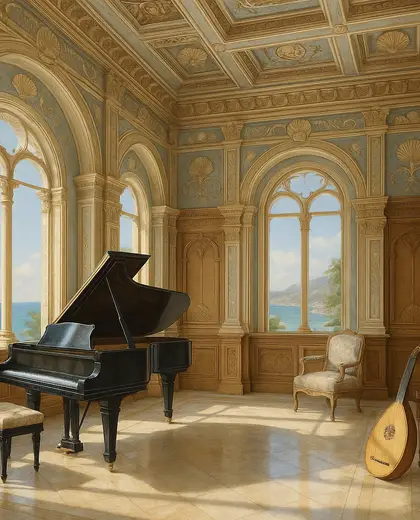
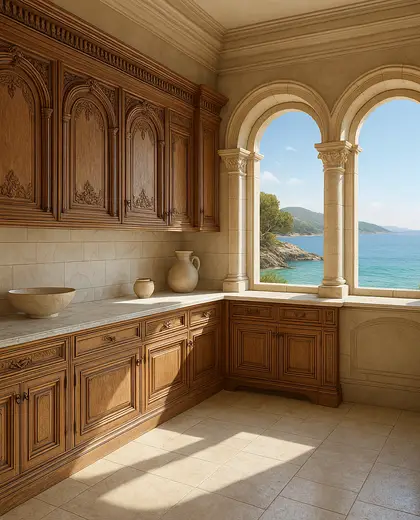
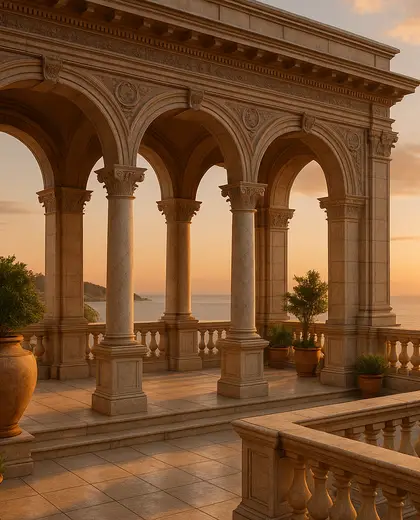
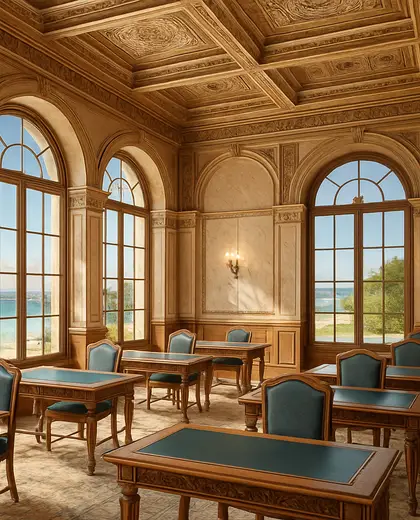
This composition pairs classical Renaissance detailing with light coastal finishes. Think arched openings, pilasters, carved stone or plaster, set against limewashed walls, pale timber, linen textiles, and sea-worn accents. The result is formal in shape but relaxed in color and texture.
- renaissance
- coastal
— References
References to explore
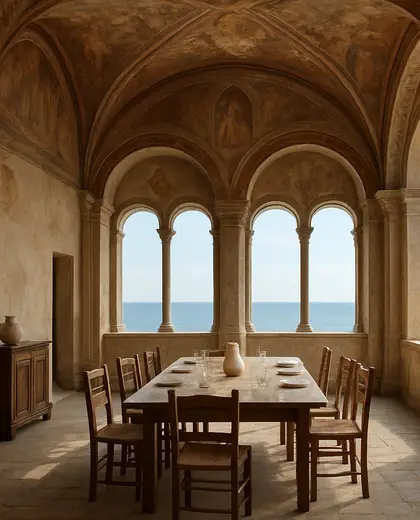
How do I keep this style from feeling too ornate or too beachy?
Balance the classical forms with simple finishes and keep coastal references understated. Use one or two ornate focal points, then soften them with light colors and natural textures.

What architectural elements define the look most clearly?
Arches, symmetry, moldings, pilasters, and proportioned openings are the strongest Renaissance cues. Coastal character comes through in airy room planning, pale surfaces, and weathered materials.
What kind of furniture fits this composition?
Choose pieces with elegant silhouettes and relaxed upholstery: curved sofas, wood-framed chairs, and tables in stone or light timber. Avoid overly glossy surfaces and heavy dark finishes.

— The style
What defines it
Plaster, stone, painted wood, linen, aged brass, and occasional marble or terracotta.
Soft whites, sand, oyster, pale blue, driftwood beige, and muted gold accents.
Works well with arched doorways, coffered ceilings, curved furniture, woven textures, and restrained nautical details.
— Professionals
Who has already built it
- Karavaan Homefurniture sellers · High Point · 4 projectsView profile →
- todd verwers architectsarchitects · San Diego · 6 projectsView profile →
- jacob galleslandscape designers · 6 projectsView profile →
- pfuner designinterior designers · 11 projectsView profile →
— Explore
Keep exploring
— Questions
Frequently asked questions
How do I keep this style from feeling too ornate or too beachy?
Balance the classical forms with simple finishes and keep coastal references understated. Use one or two ornate focal points, then soften them with light colors and natural textures.
What architectural elements define the look most clearly?
Arches, symmetry, moldings, pilasters, and proportioned openings are the strongest Renaissance cues. Coastal character comes through in airy room planning, pale surfaces, and weathered materials.
What kind of furniture fits this composition?
Choose pieces with elegant silhouettes and relaxed upholstery: curved sofas, wood-framed chairs, and tables in stone or light timber. Avoid overly glossy surfaces and heavy dark finishes.