— Ideas & inspiration
Urban terrace living with a softer edge
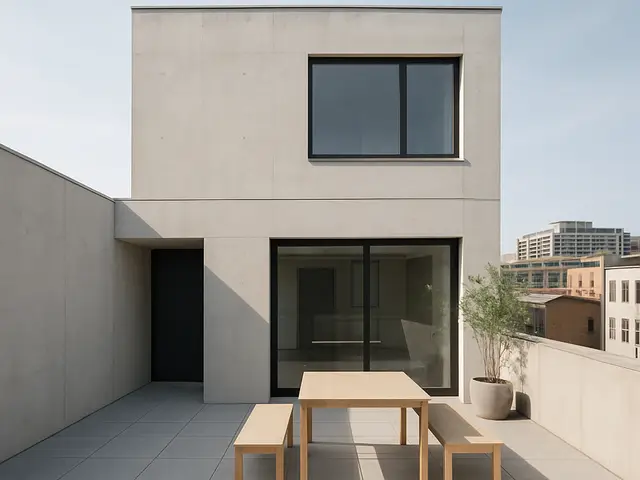
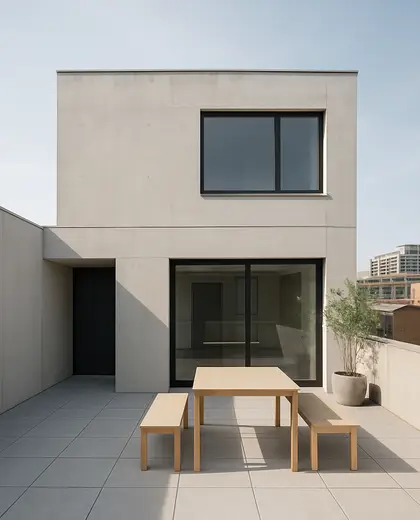
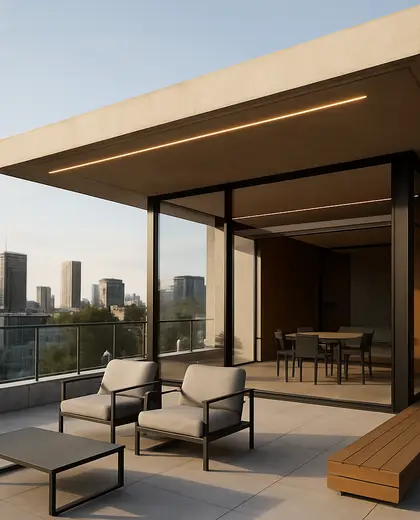
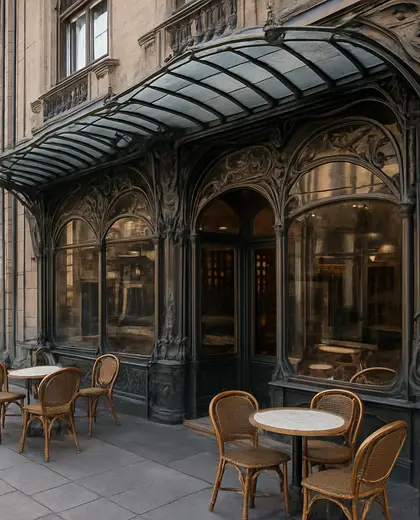
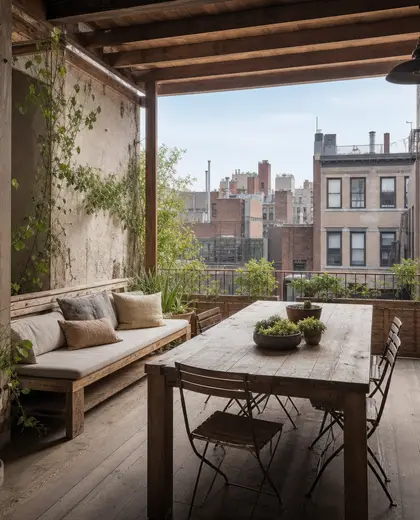
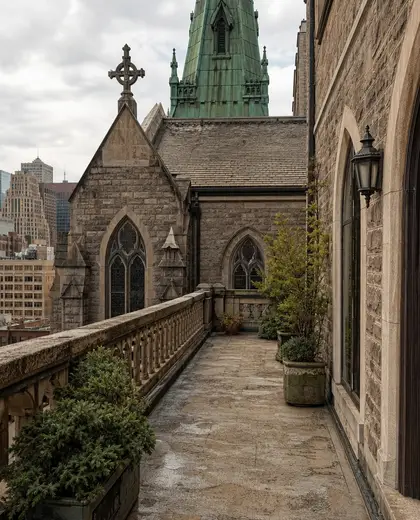
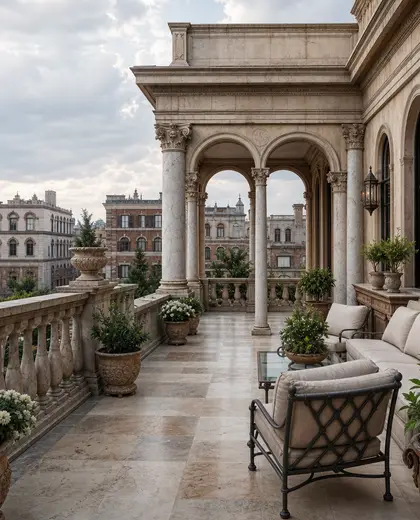
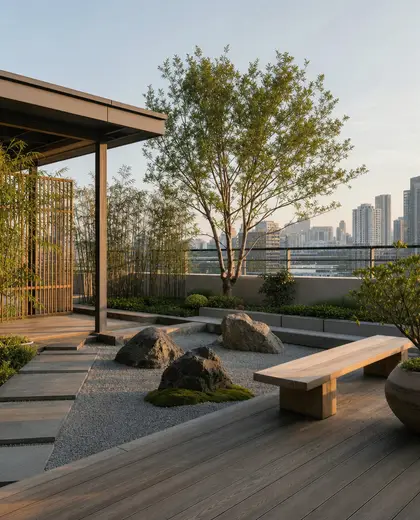
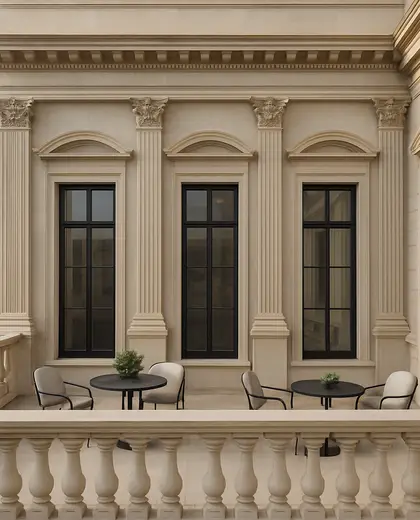
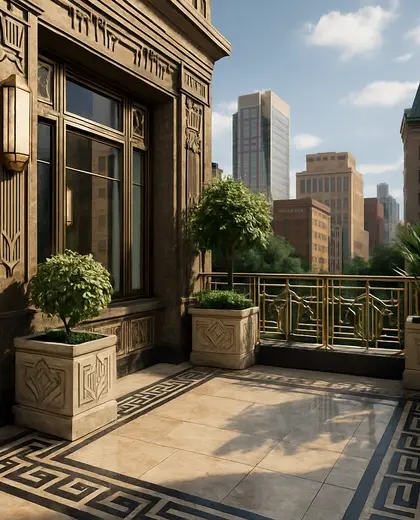
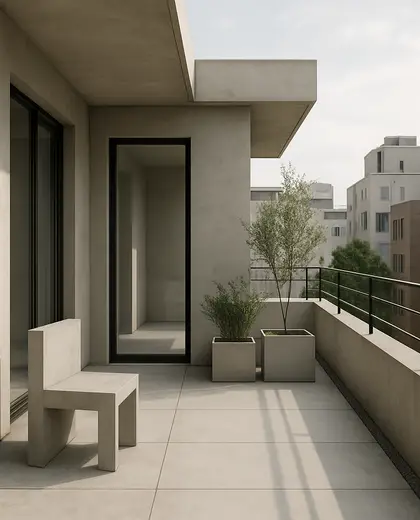
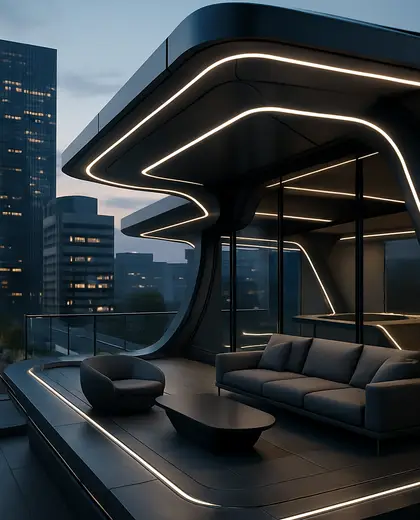
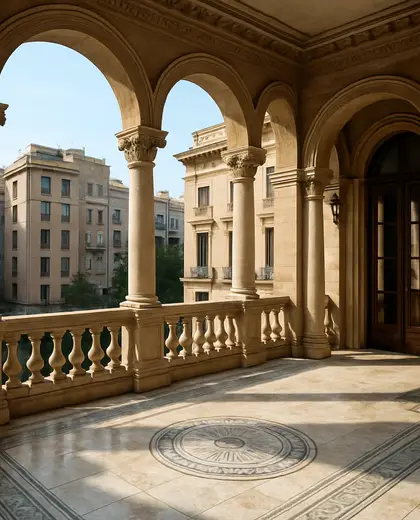
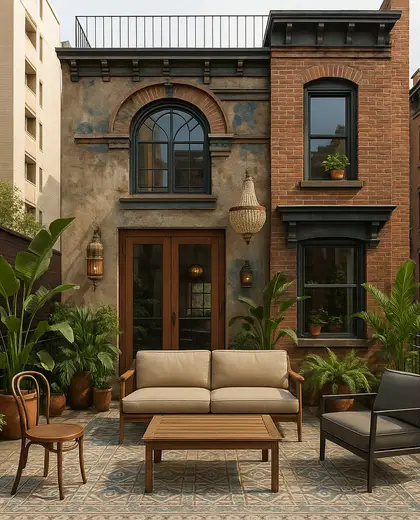
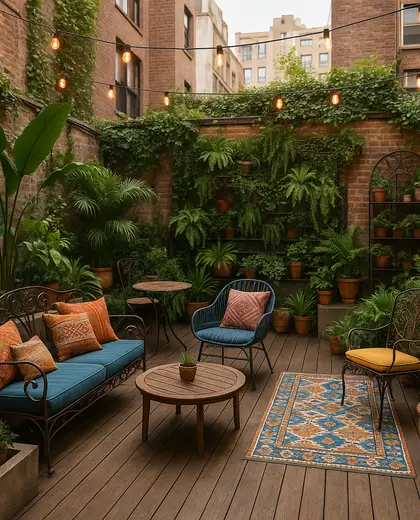
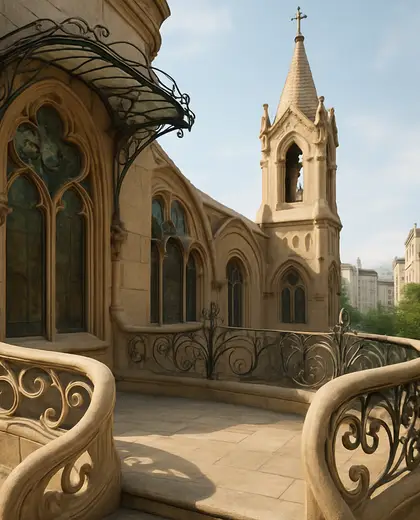
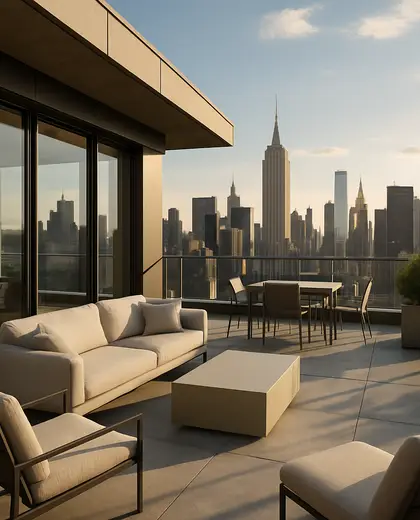
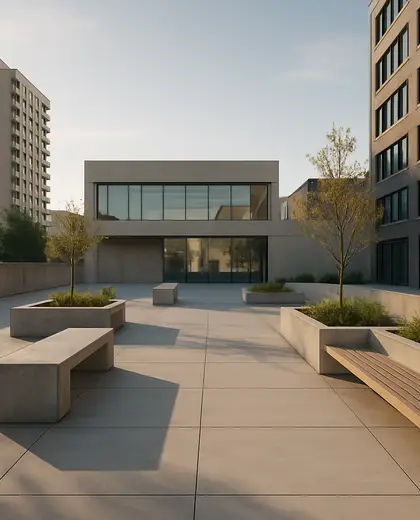
This composition pairs a terrace setting with urban architecture, using durable materials like concrete, steel, brick, and large-glazed openings. The palette is usually restrained and city-aware: greys, black, warm neutrals, and weathered natural tones. Strong lines, open edges, planters, and outdoor seating define the space.
- terrace
- urban
— References
References to explore
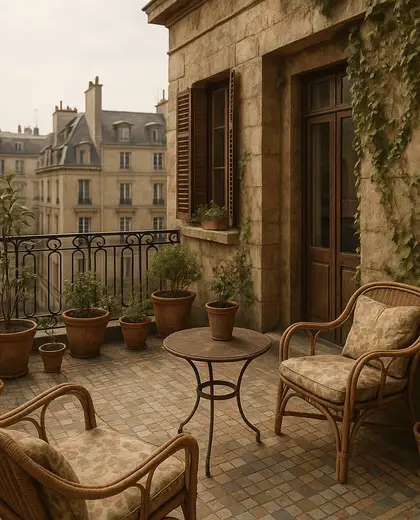
How do I make a terrace feel urban without making it cold?
Use simple forms and durable finishes, then soften them with timber, planting, textiles, and warm lighting. The balance of hard and soft surfaces is what keeps the space livable.
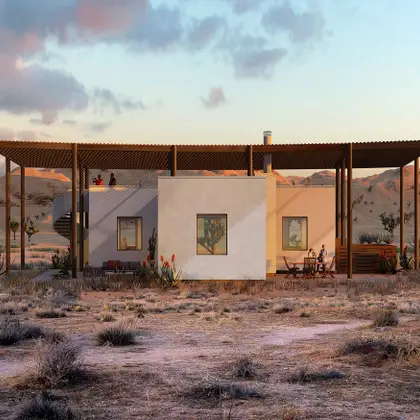
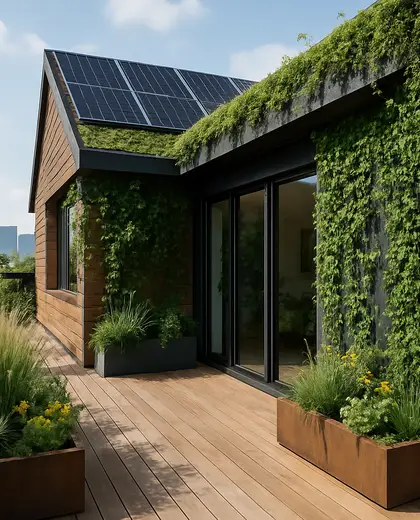
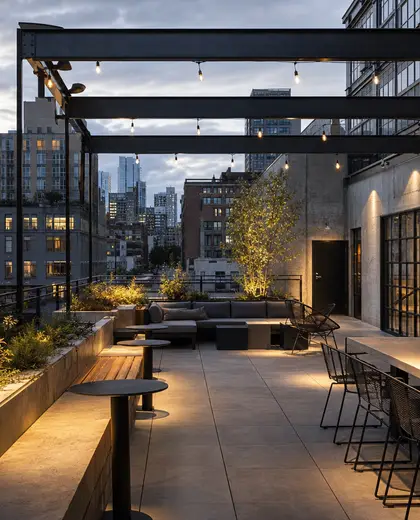
What materials work best for an urban terrace?
Materials that handle weather and look clean over time work well, such as porcelain pavers, treated timber, powder-coated metal, brick, and concrete. If the terrace is exposed, choose finishes made for outdoor use.
Can an urban terrace work in a small space?
Yes. Compact seating, vertical planting, built-in storage, and a limited material palette can make a small terrace feel cohesive and larger. Keeping circulation clear is usually more important than adding more elements.
— The style
What defines it
Concrete, metal railings, brick, timber decking, stone pavers, and glass are common choices.
Muted greys, charcoal, black, off-white, and earthy browns keep the look grounded and urban.
It combines outdoor living with the structure of the city, often through rooftops, balconies, courtyards, and compact terraces.
— Professionals
Who has already built it
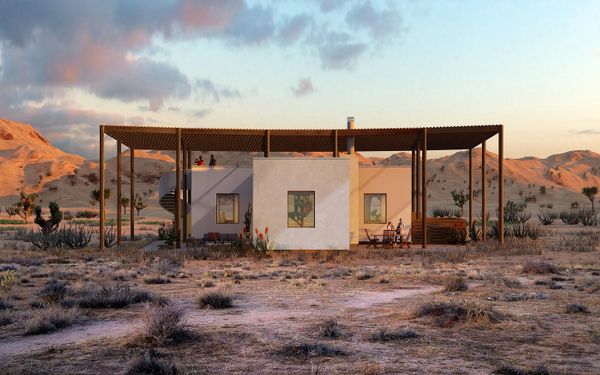

- Karavaan Homefurniture sellers · High Point · 4 projectsView profile →
— Explore
Keep exploring
— Questions
Frequently asked questions
How do I make a terrace feel urban without making it cold?
Use simple forms and durable finishes, then soften them with timber, planting, textiles, and warm lighting. The balance of hard and soft surfaces is what keeps the space livable.
What materials work best for an urban terrace?
Materials that handle weather and look clean over time work well, such as porcelain pavers, treated timber, powder-coated metal, brick, and concrete. If the terrace is exposed, choose finishes made for outdoor use.
Can an urban terrace work in a small space?
Yes. Compact seating, vertical planting, built-in storage, and a limited material palette can make a small terrace feel cohesive and larger. Keeping circulation clear is usually more important than adding more elements.