— Ideas & inspiration
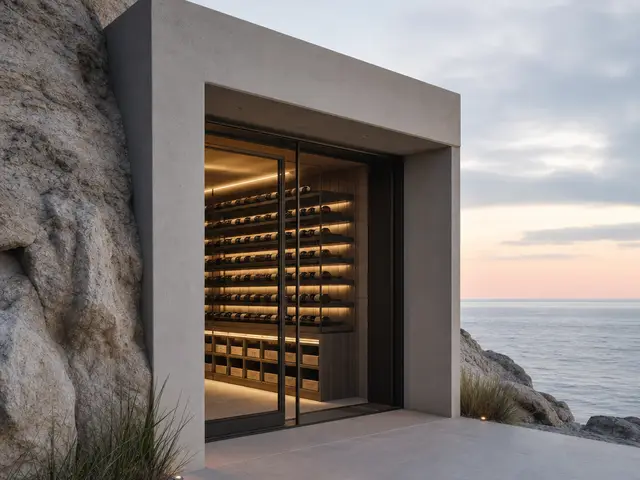
Coastal facades with weathered materials and open light
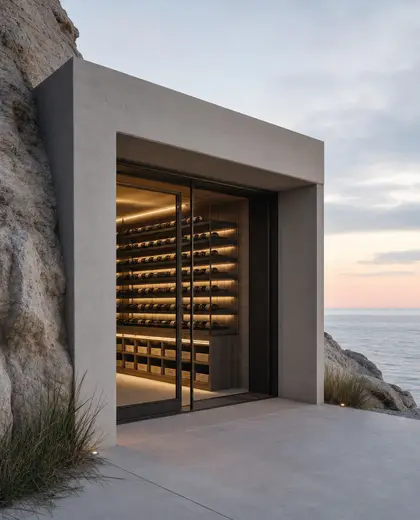
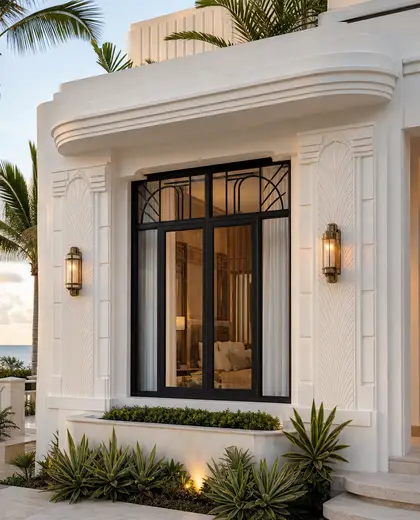
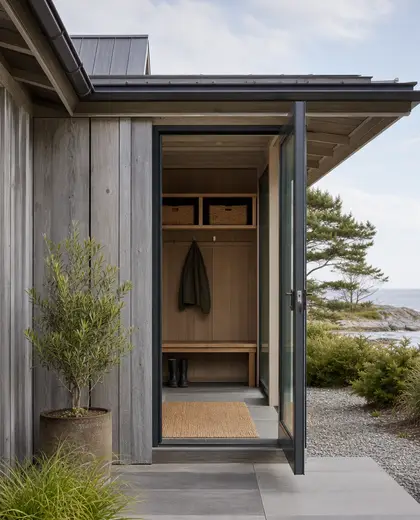
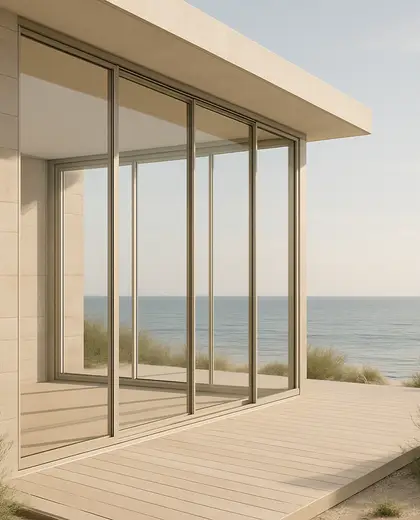
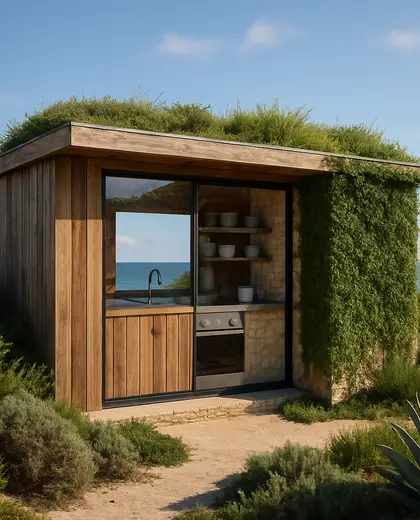
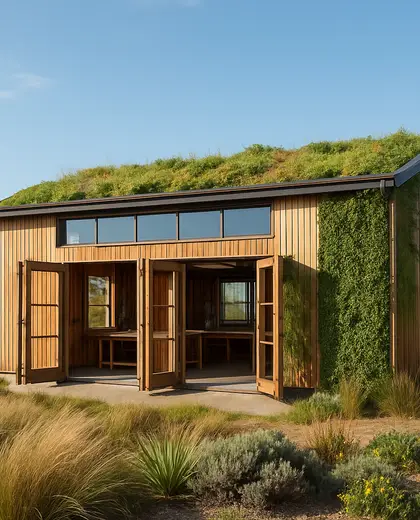
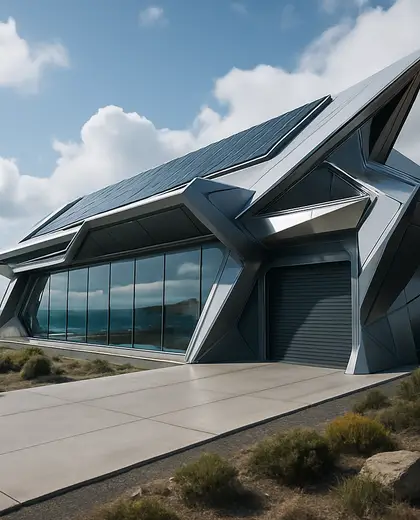
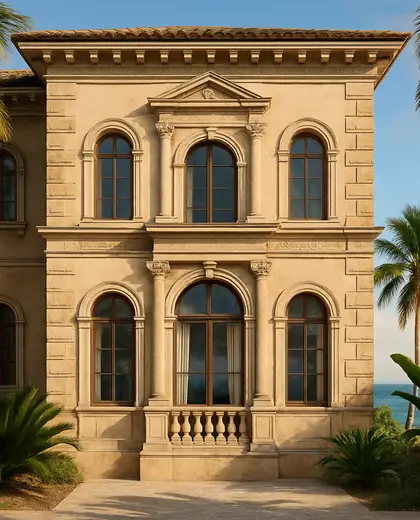
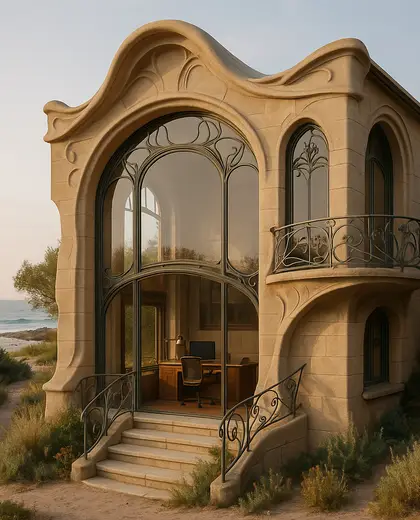
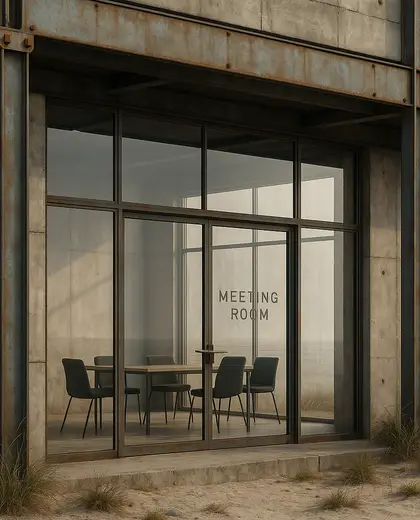
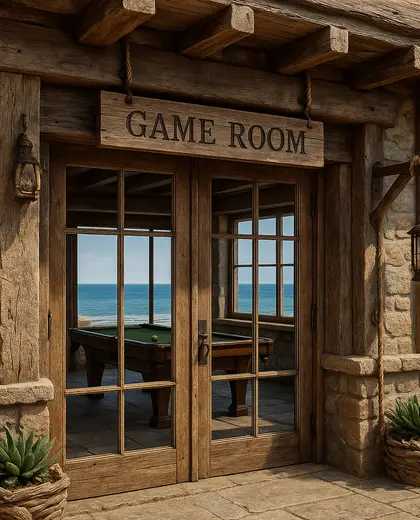
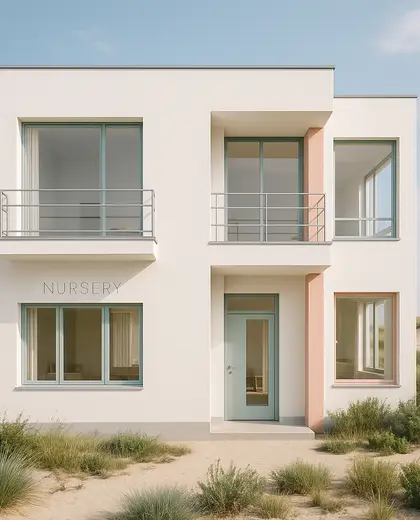
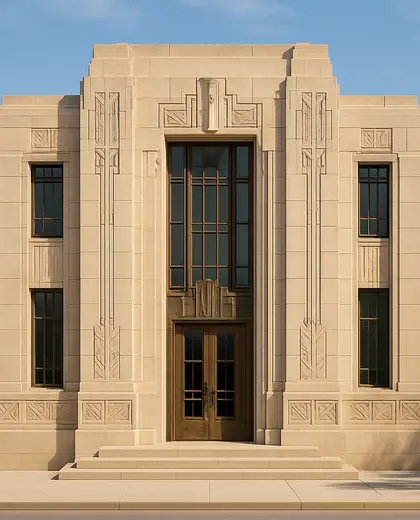
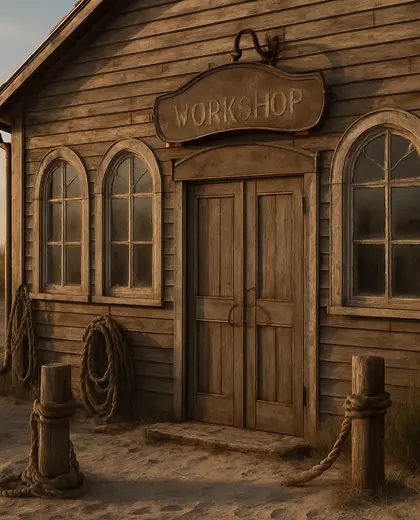
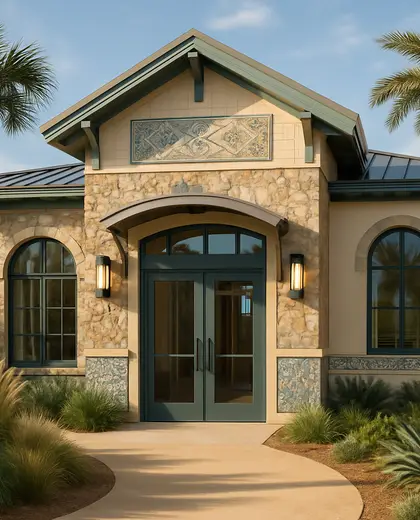
This composition is defined by facades shaped for salt air, bright light, and wind exposure. Common choices include weathered timber, fiber cement, stucco, stone, and corrosion-resistant metal, with deep overhangs, shaded openings, and simple volumes. The look is often crisp and airy, but it also needs durable details and finishes that can handle a marine climate.
- facade
- coastal
— References
References to explore
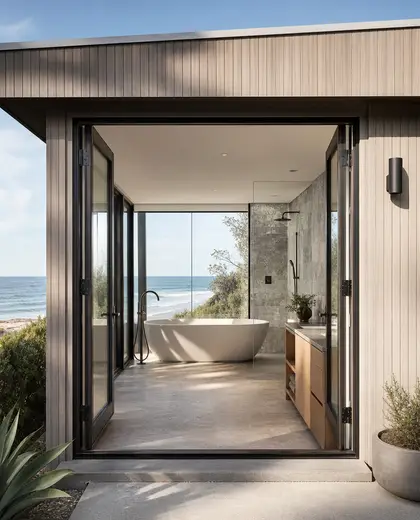
What makes a facade feel coastal?
Light colors, simple massing, shaded openings, and materials that look natural or weathered usually create the coastal feel.
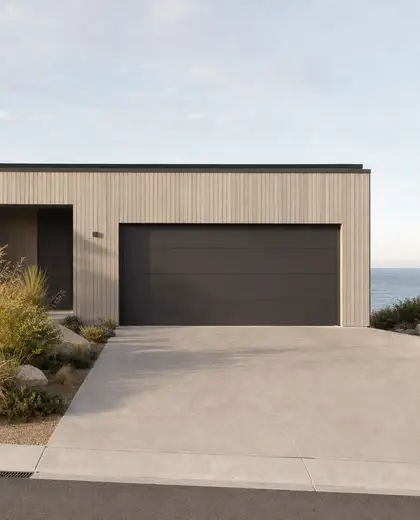
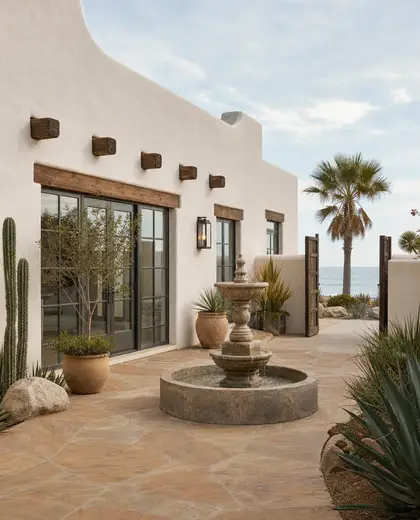
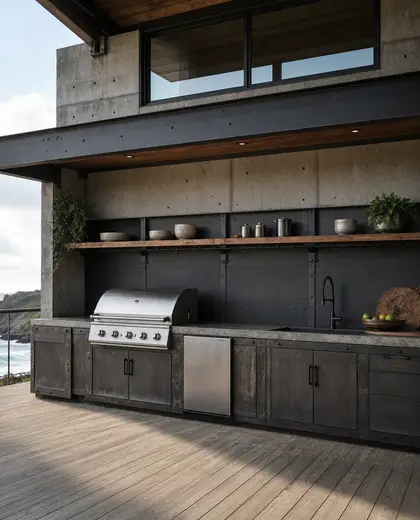
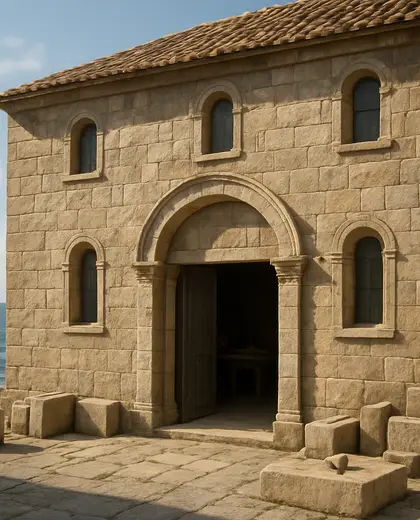
Which materials hold up best near the sea?
Materials that resist salt and moisture, such as fiber cement, treated timber, stone, stucco, and marine-grade metals, are usually preferred.
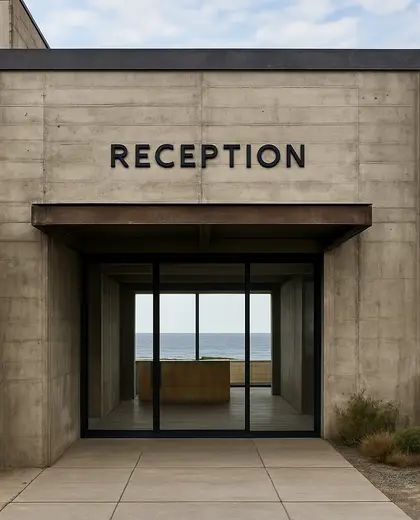
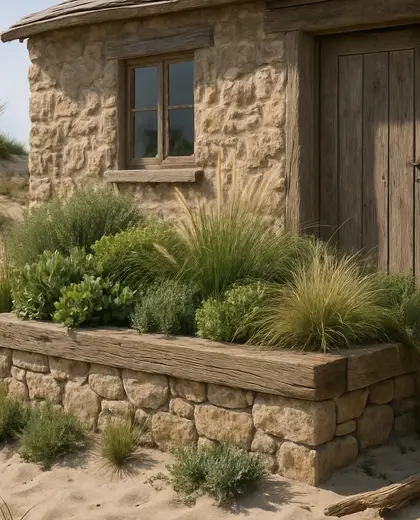
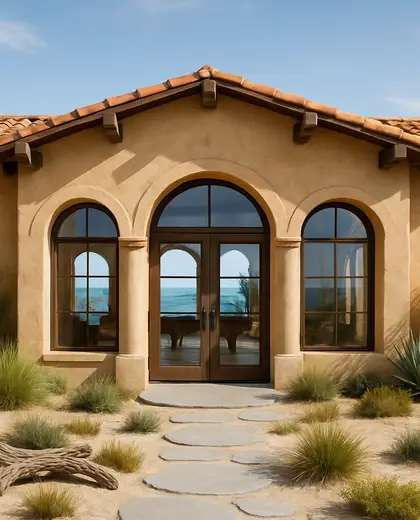
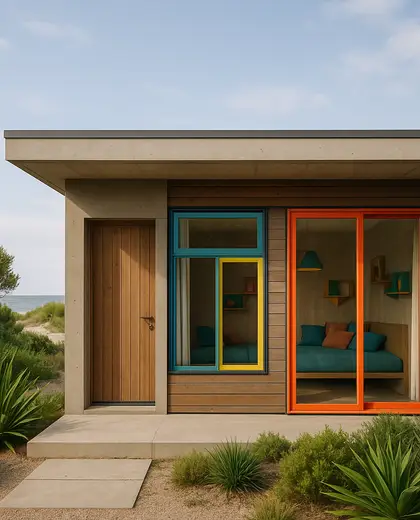
Can a coastal facade look modern?
Yes. Clean lines, minimal detailing, and large openings can make a coastal facade feel modern while still using durable, climate-ready materials.
— The style
What defines it
Weather-resistant timber, stucco, stone, fiber cement, aluminum, and stainless or powder-coated metal are common.
Soft whites, sand, driftwood gray, pale blue, and muted natural tones keep the facade calm and light.
Works well with large glazing, shaded balconies, louvered screens, terrace edges, and rooflines tuned to wind and sun.
— Professionals
Who has already built it
- Karavaan Homefurniture sellers · High Point · 4 projectsView profile →
- todd verwers architectsarchitects · San Diego · 6 projectsView profile →
- jacob galleslandscape designers · 6 projectsView profile →
- pfuner designinterior designers · 11 projectsView profile →
— Explore
Keep exploring
— Questions
Frequently asked questions
What makes a facade feel coastal?
Light colors, simple massing, shaded openings, and materials that look natural or weathered usually create the coastal feel.
Which materials hold up best near the sea?
Materials that resist salt and moisture, such as fiber cement, treated timber, stone, stucco, and marine-grade metals, are usually preferred.
Can a coastal facade look modern?
Yes. Clean lines, minimal detailing, and large openings can make a coastal facade feel modern while still using durable, climate-ready materials.