— Ideas & inspiration
Facade composition
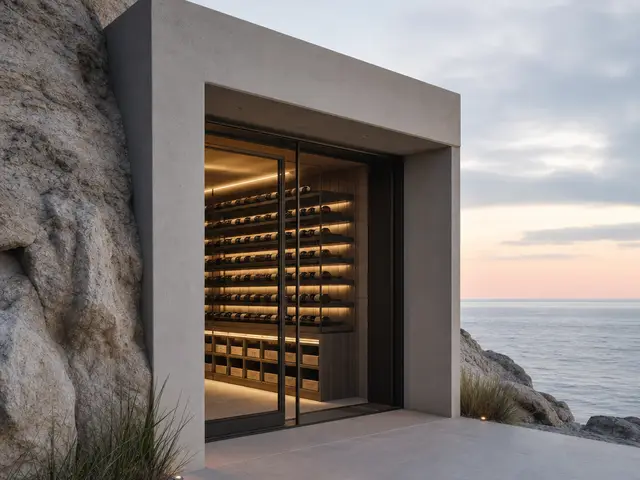
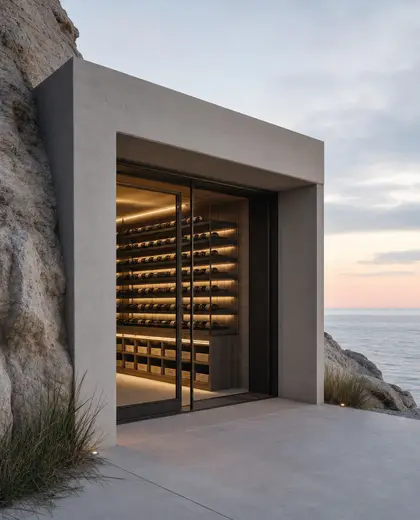
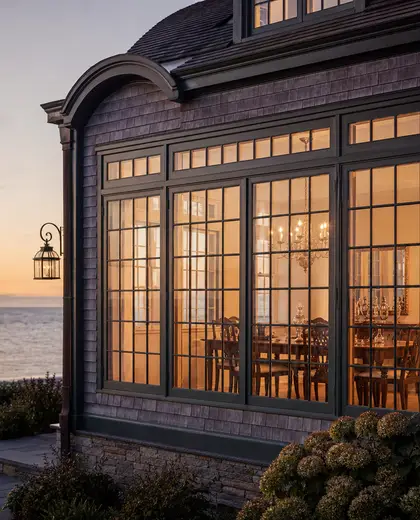
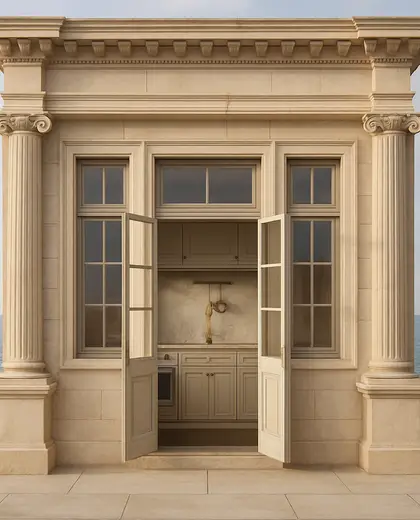
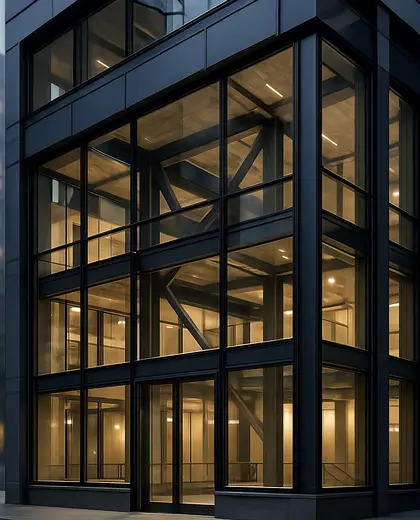
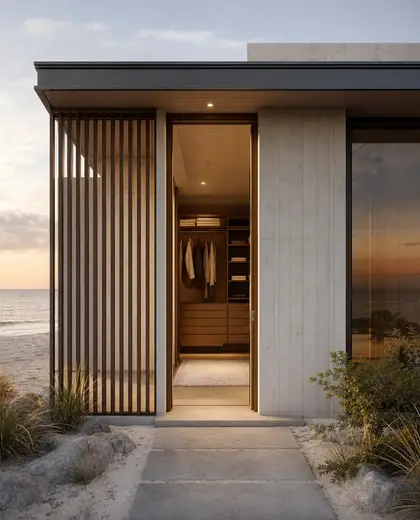
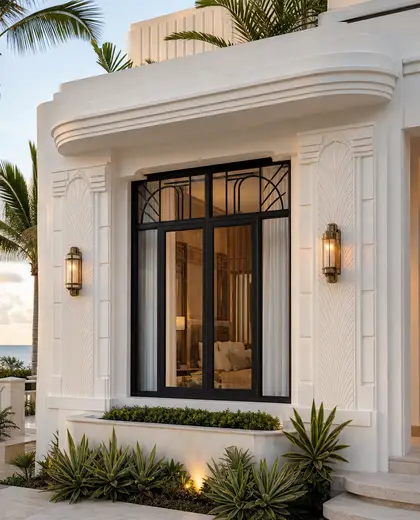
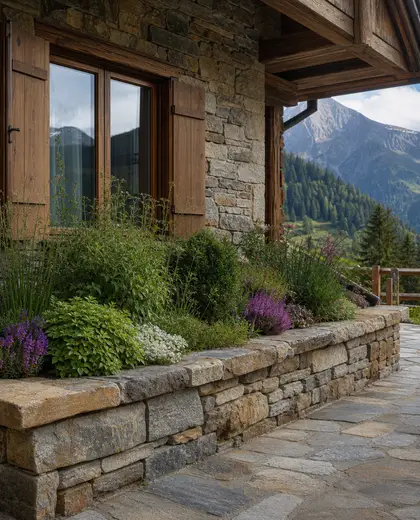
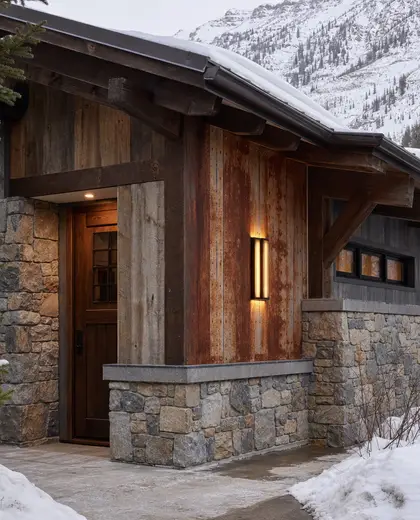
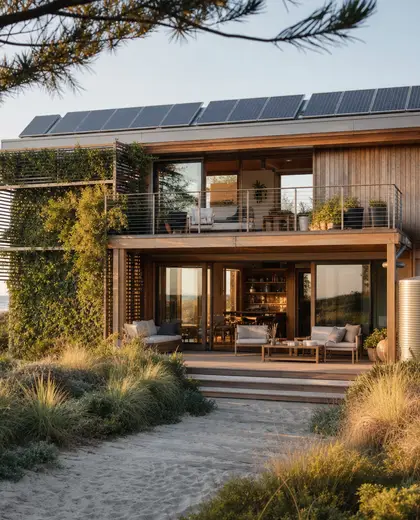
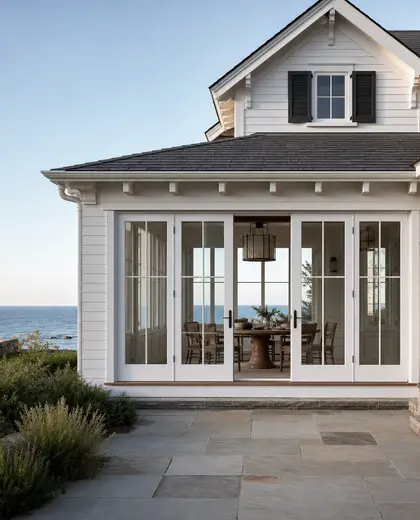
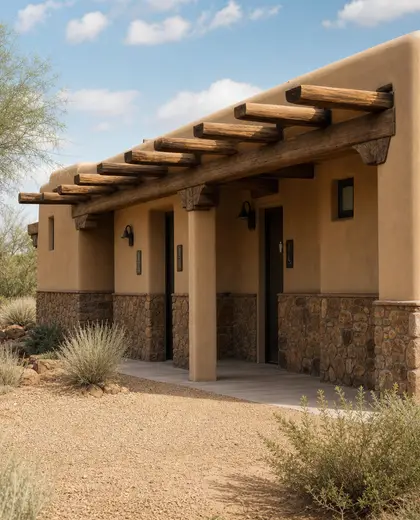
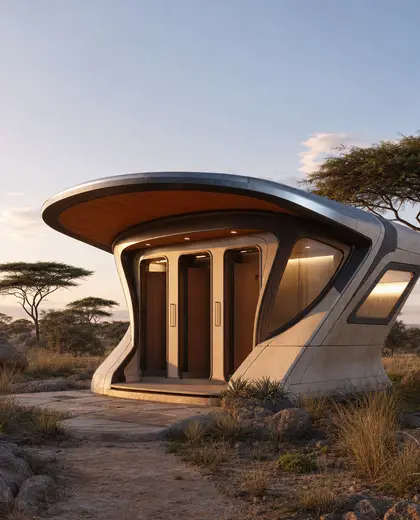
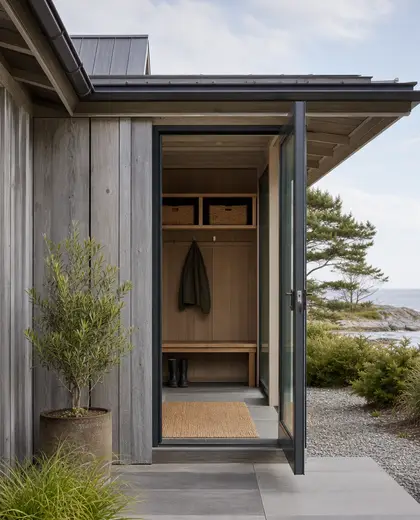
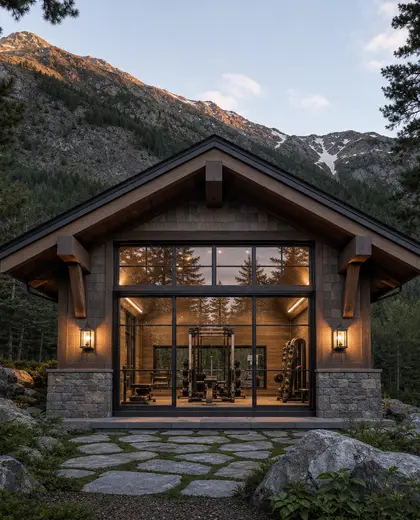
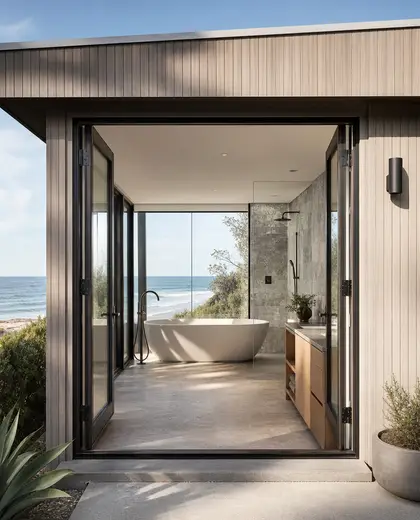
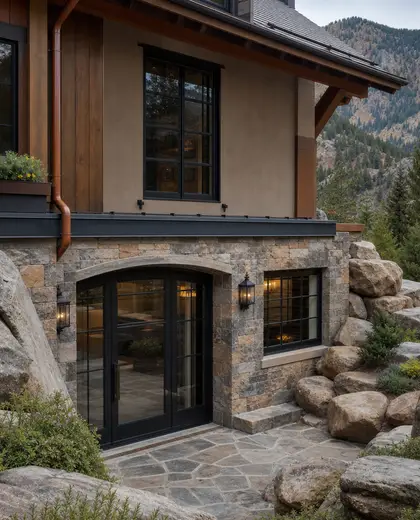
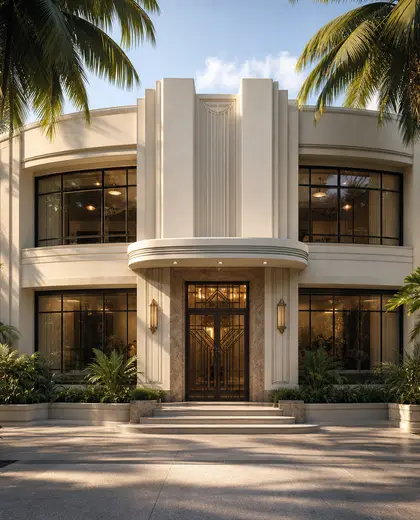
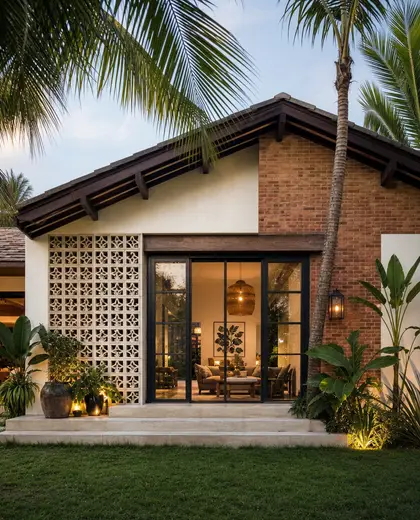
Facade composition is defined by the outer skin of a building: cladding, openings, trim, and the way these elements are arranged across the front and sides. It often uses brick, stone, stucco, wood, metal panels, or glass, with proportions that balance solid surfaces and voids. The look is shaped by window rhythm, cornices, shading devices, balconies, and the detailing around entrances.
- facade
— References
References to explore
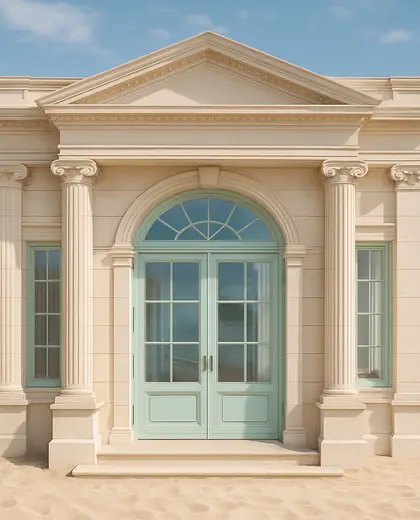
What makes a facade composition look balanced?
A balanced facade usually has a clear rhythm of openings, consistent proportions, and materials that are repeated in a controlled way across the elevation.
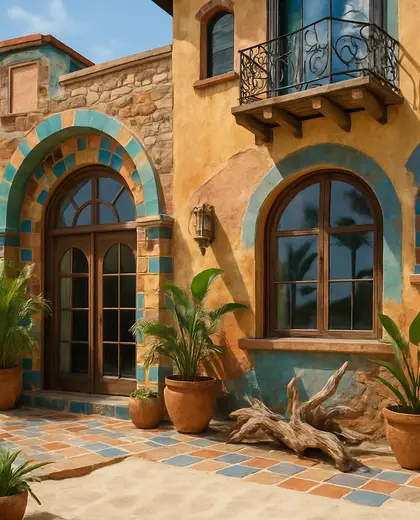


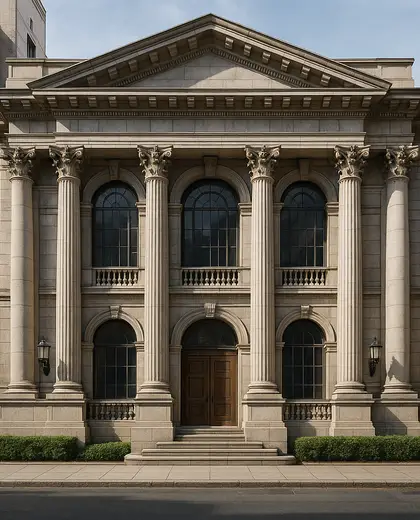
Can a facade use more than one material?
Yes. Most facades combine two or three materials, such as brick with metal trim or stucco with timber accents, to add depth and contrast.
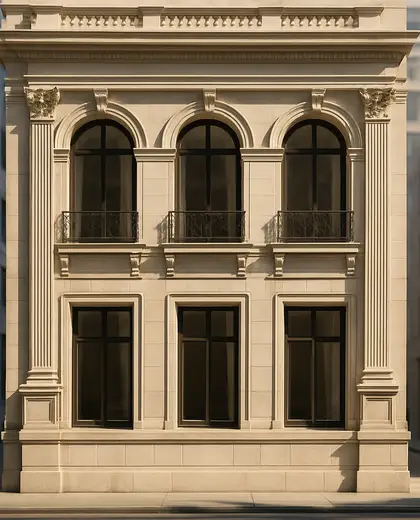
Does the facade composition affect maintenance?
Yes. Material choice and detailing affect how often the exterior needs cleaning, repainting, sealing, or joint repairs, especially in exposed climates.
— The style
What defines it
Brick, natural stone, rendered plaster, timber, fiber cement, metal cladding, and glass are the most common facade materials.
Usually works in restrained neutrals, earth tones, charcoals, whites, and muted wood tones, with accent colors used sparingly at doors or frames.
Pairs well with rooflines, window systems, entry design, landscape edges, lighting, and site walls or fencing.
— Professionals
Who has already built it
- jacob galleslandscape designers · 6 projectsView profile →
- roland a arriaga architecarchitects · 8 projectsView profile →
- pfuner designinterior designers · 11 projectsView profile →
- Karavaan Homefurniture sellers · High Point · 4 projectsView profile →
— Questions
Frequently asked questions
What makes a facade composition look balanced?
A balanced facade usually has a clear rhythm of openings, consistent proportions, and materials that are repeated in a controlled way across the elevation.
Can a facade use more than one material?
Yes. Most facades combine two or three materials, such as brick with metal trim or stucco with timber accents, to add depth and contrast.
Does the facade composition affect maintenance?
Yes. Material choice and detailing affect how often the exterior needs cleaning, repainting, sealing, or joint repairs, especially in exposed climates.