— Ideas & inspiration
Urban facades with a refined street presence
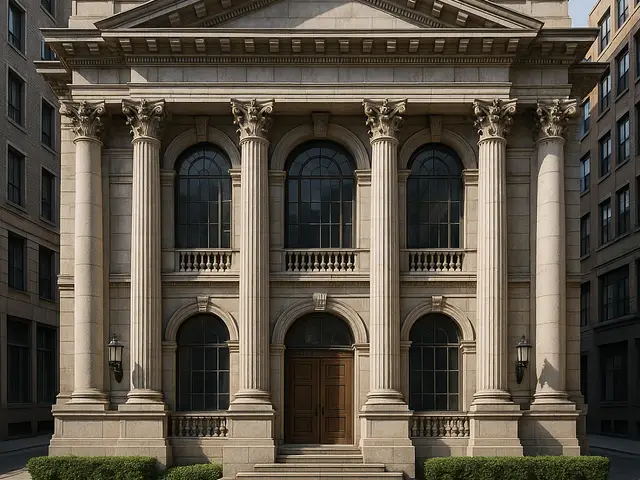
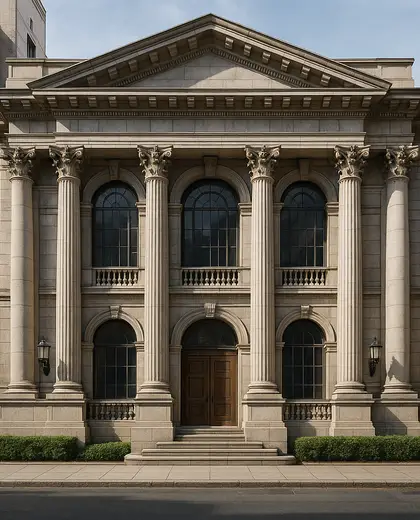
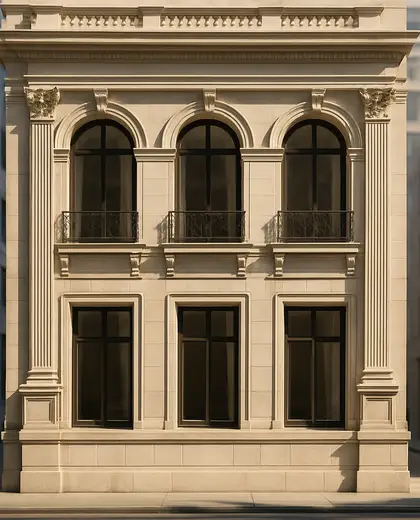
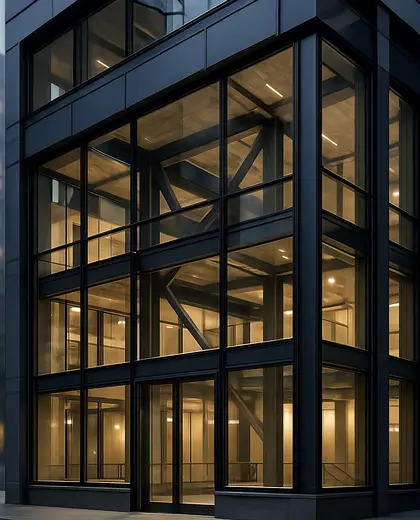
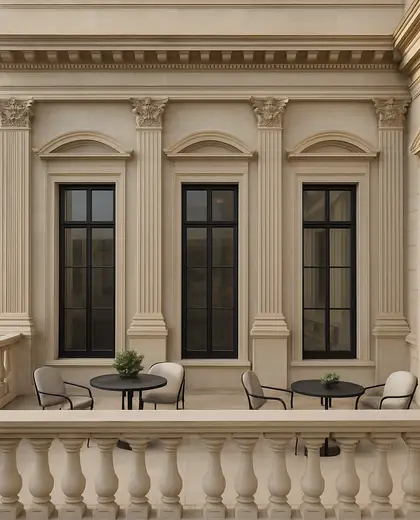
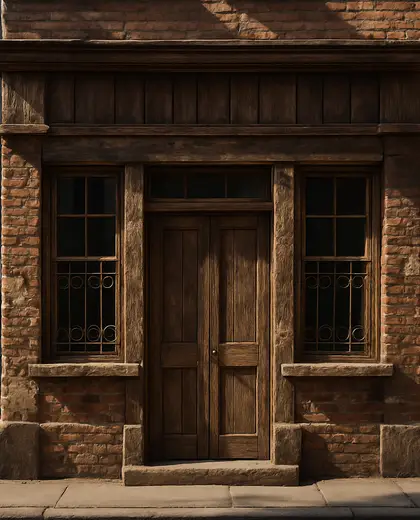
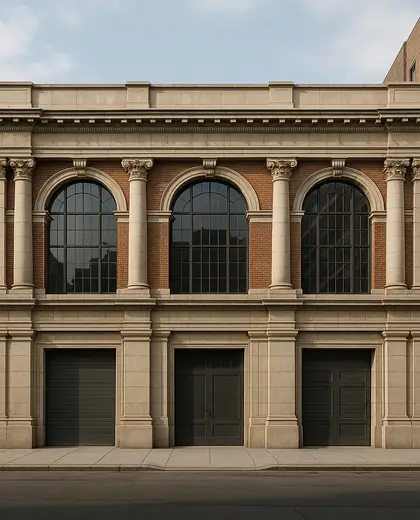
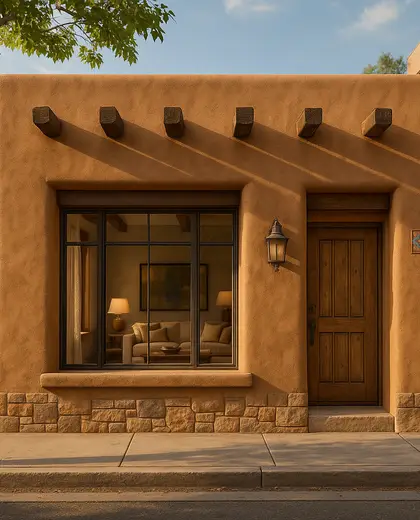
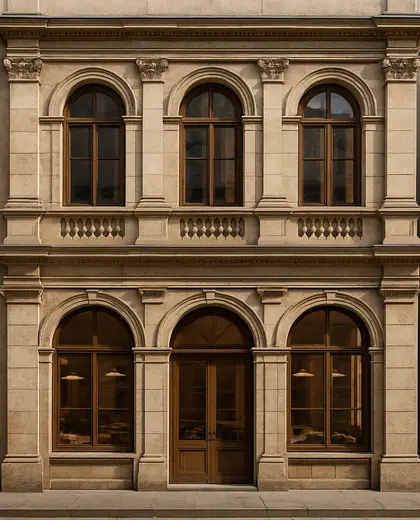
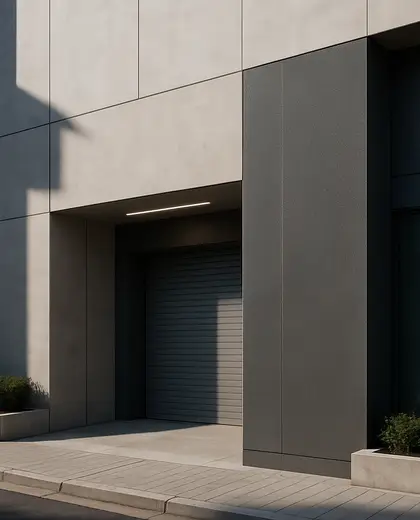
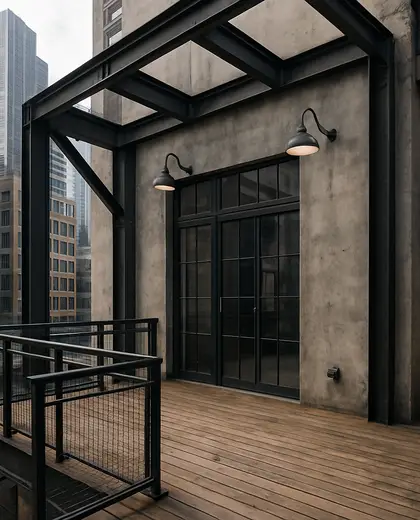
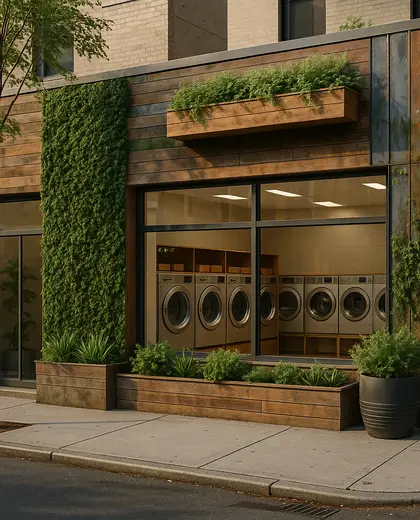
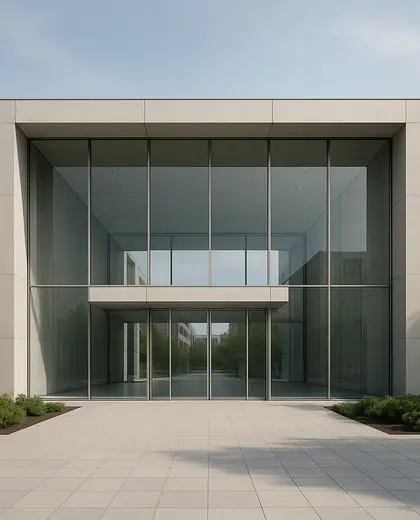
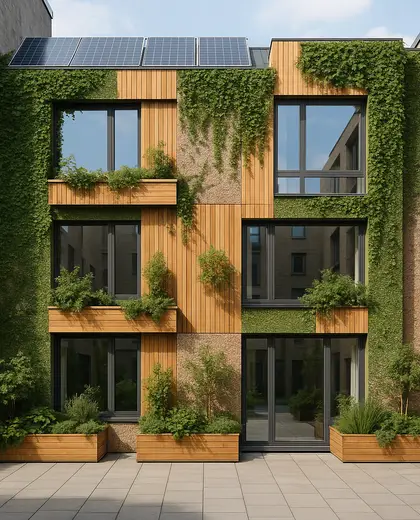
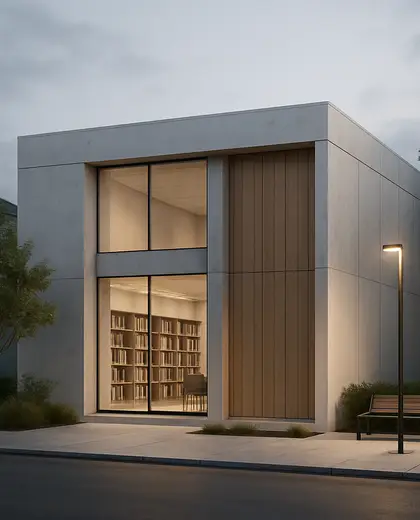
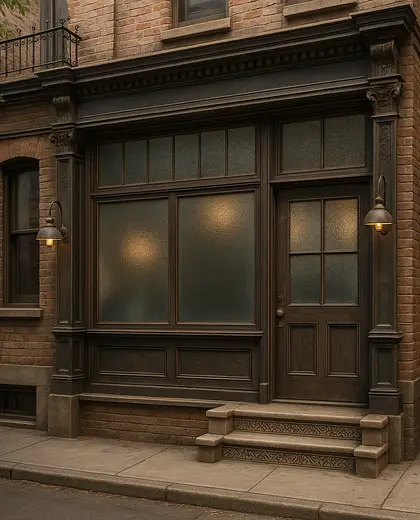
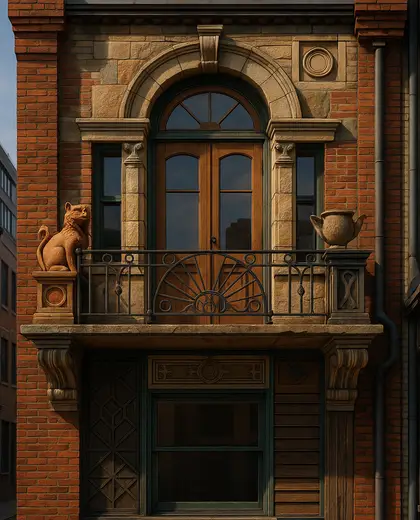
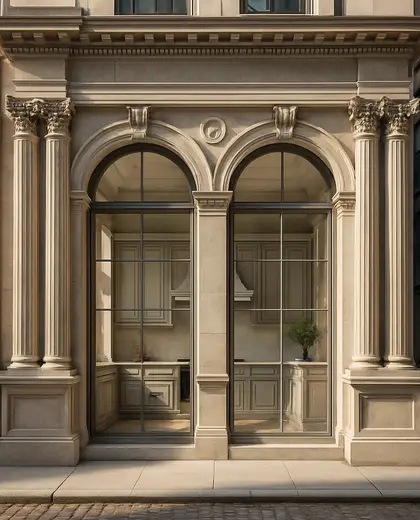
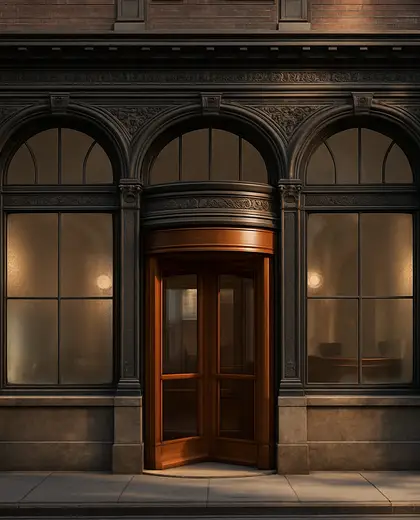
This composition is defined by a facade that responds to the city through strong lines, layered openings, and durable finishes. Common materials include brick, concrete, metal, glass, and rendered surfaces, often used in a restrained palette of gray, charcoal, warm neutrals, and occasional dark accents. The result is an exterior that feels solid, contemporary, and closely tied to its urban context.
- facade
- urban
— References
References to explore
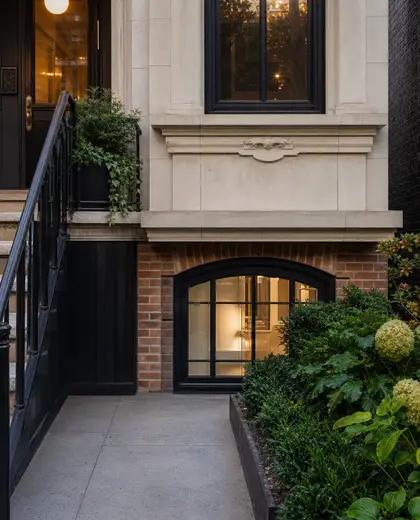
What makes a facade feel urban rather than suburban?
Urban facades usually have a stronger street edge, fewer decorative elements, and a more precise arrangement of openings, materials, and shadows.
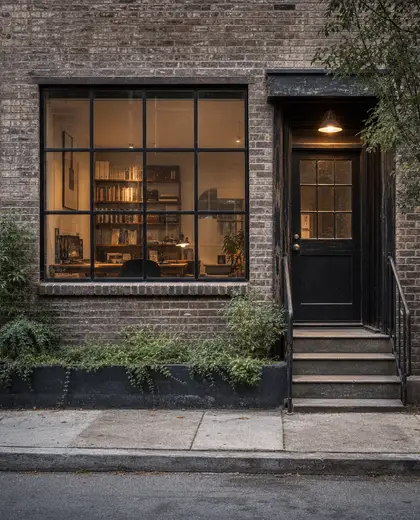
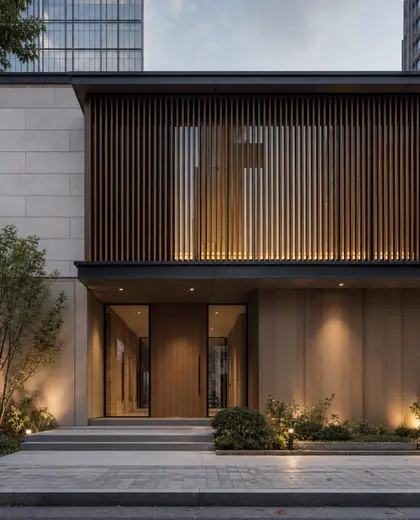
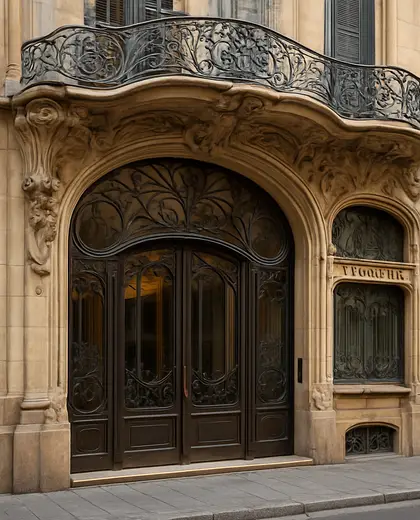
Can an urban facade still feel warm?
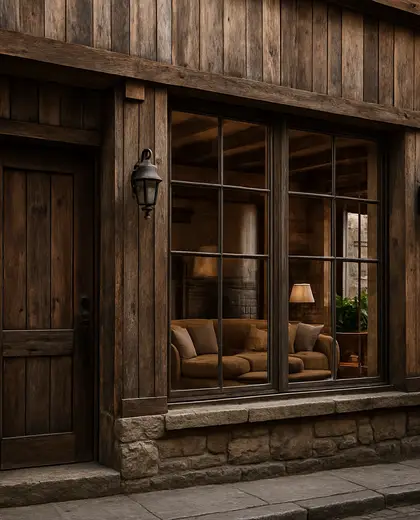
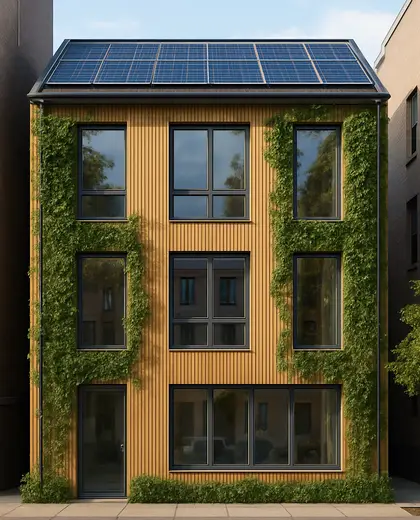
Yes. Brick, timber details, textured render, and warmer neutral tones can soften the harder materials often used in city buildings.
Is this style suitable for a home on a narrow lot?
Yes. The style often works well on narrow sites because it benefits from vertical proportions, layered screens, and a careful window rhythm.
— The style
What defines it
Brick, board-formed concrete, metal panels, glass, and mineral render are common choices for an urban facade.
Muted tones usually work best: gray, black, beige, off-white, and earthy brick reds, with limited accent colors.
This look pairs well with compact massing, recessed windows, screens, balconies, and landscape elements that soften the street edge.
— Professionals
Who has already built it
- Karavaan Homefurniture sellers · High Point · 4 projectsView profile →
- todd verwers architectsarchitects · San Diego · 6 projectsView profile →
- jacob galleslandscape designers · 6 projectsView profile →
- pfuner designinterior designers · 11 projectsView profile →
— Explore
Keep exploring
— Questions
Frequently asked questions
What makes a facade feel urban rather than suburban?
Urban facades usually have a stronger street edge, fewer decorative elements, and a more precise arrangement of openings, materials, and shadows.
Can an urban facade still feel warm?
Yes. Brick, timber details, textured render, and warmer neutral tones can soften the harder materials often used in city buildings.
Is this style suitable for a home on a narrow lot?
Yes. The style often works well on narrow sites because it benefits from vertical proportions, layered screens, and a careful window rhythm.