— Ideas & inspiration
Desert Yard Quiet
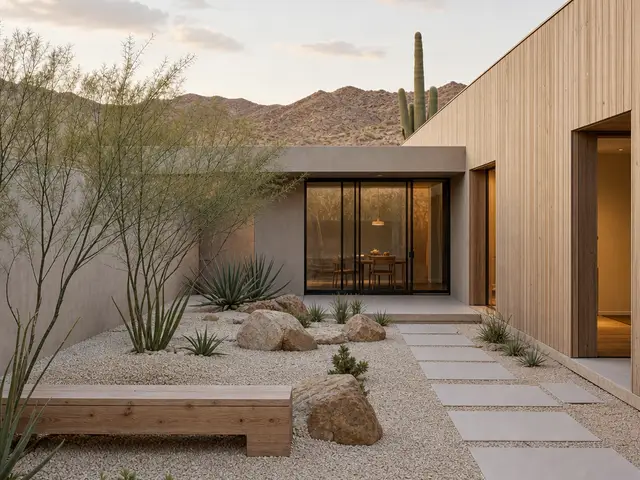
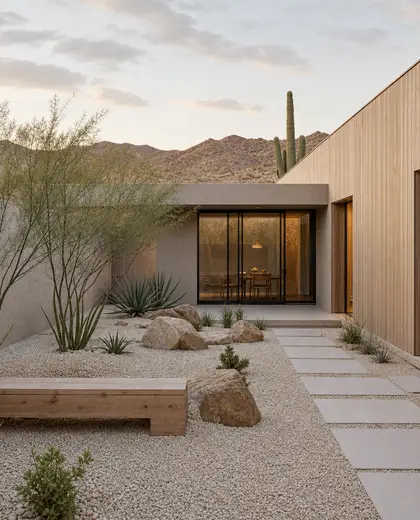
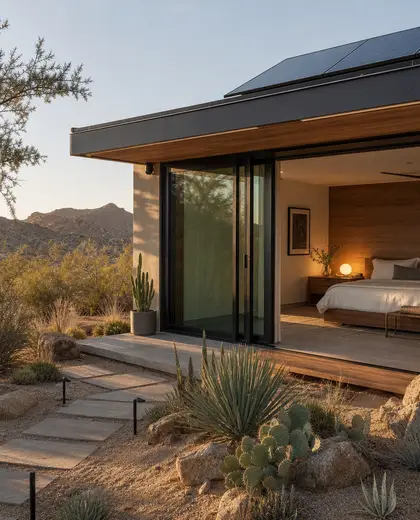
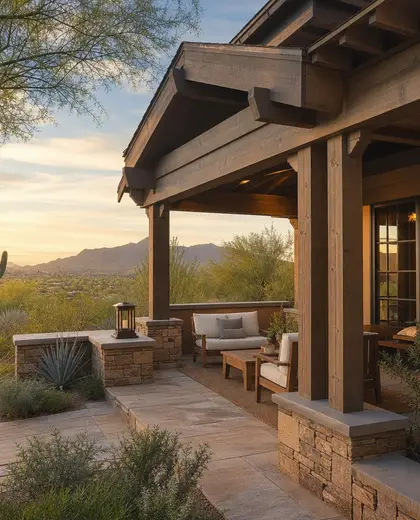
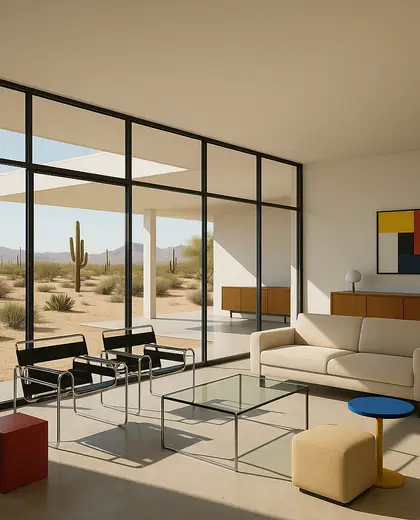
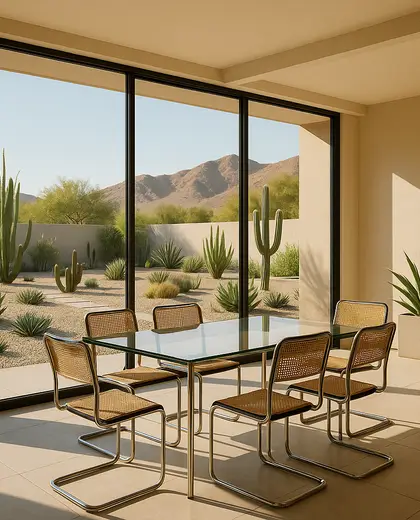
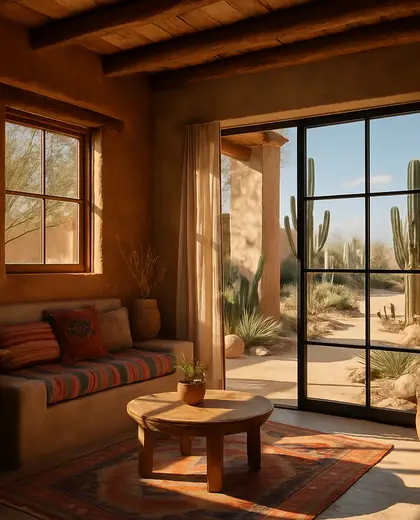
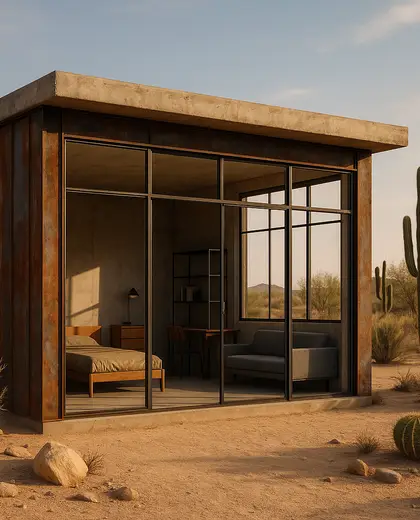
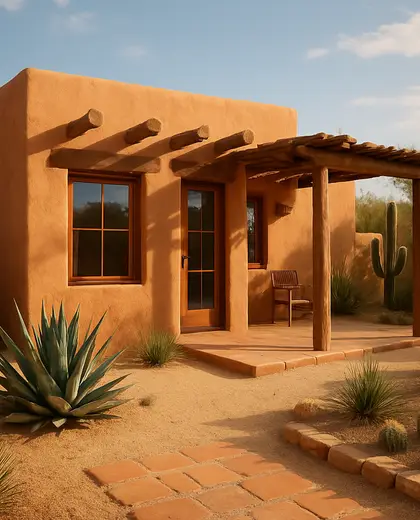
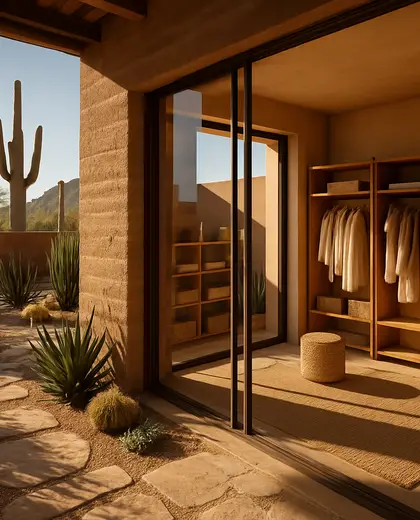
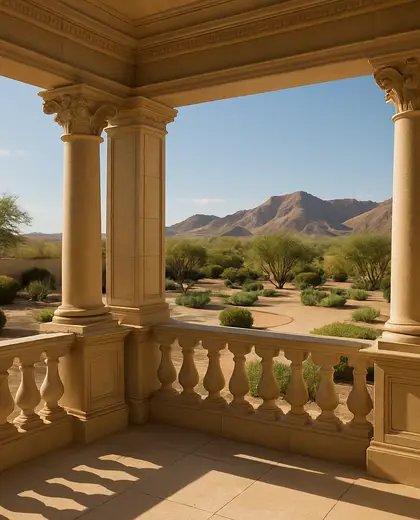
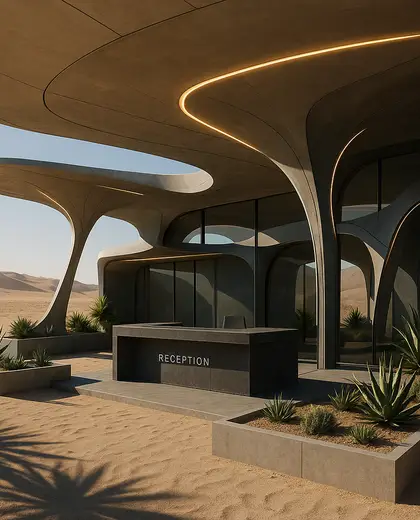
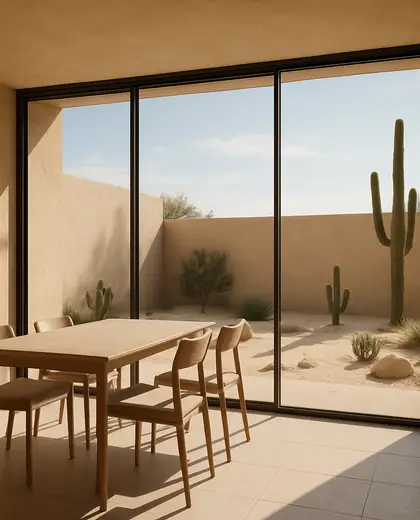
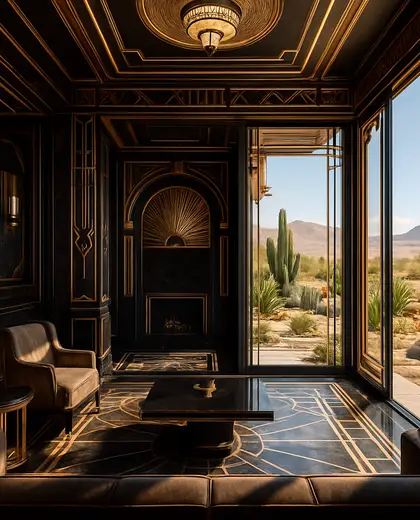
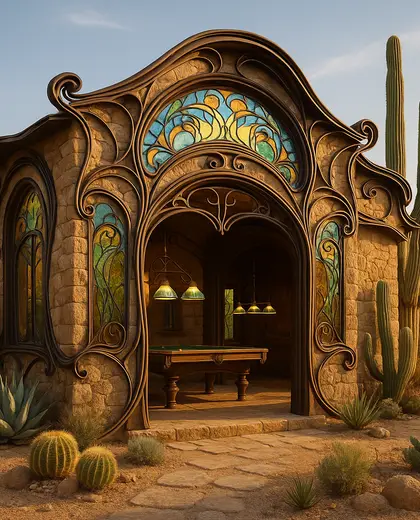
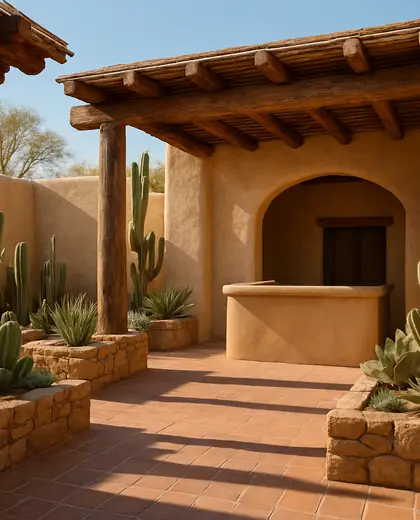
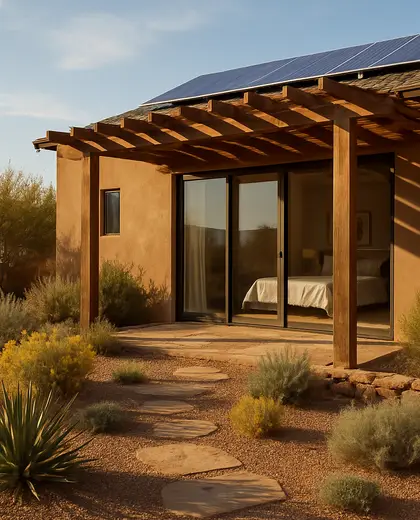
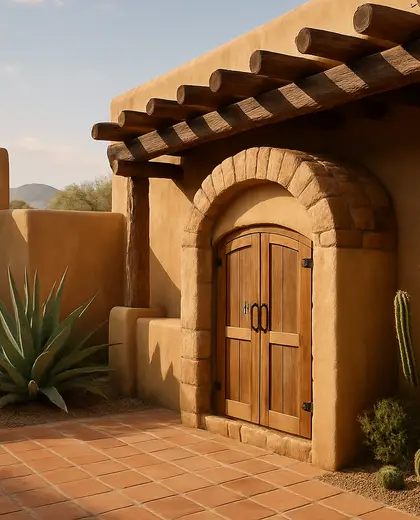
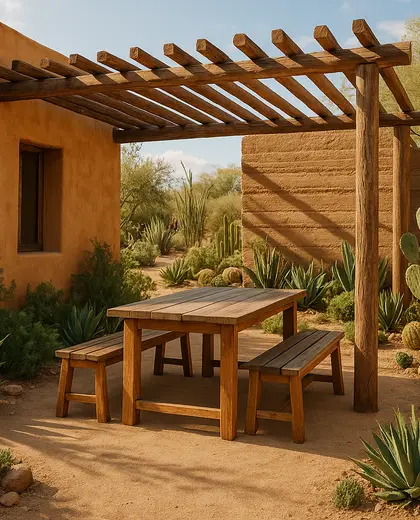
This composition is defined by sun-baked surfaces, drought-tolerant planting, and strong shade structures. It usually combines gravel, sandstone, weathered wood, adobe or stucco walls, and low-water plants such as agave, yucca, and native grasses. The yard feels open and restrained, with hard edges softened by heat-resistant texture and sparse greenery.
- yard
- desert
— References
References to explore
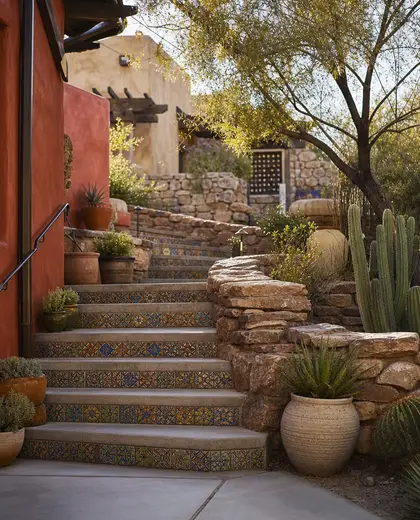
Will a desert yard work in a small home garden?
Yes. The composition scales well because it relies on texture, shade, and planting structure rather than large lawns or dense beds.
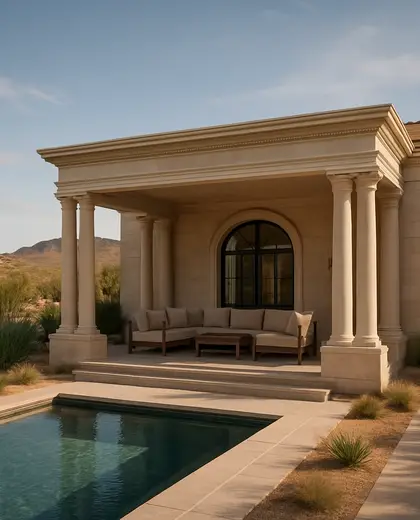
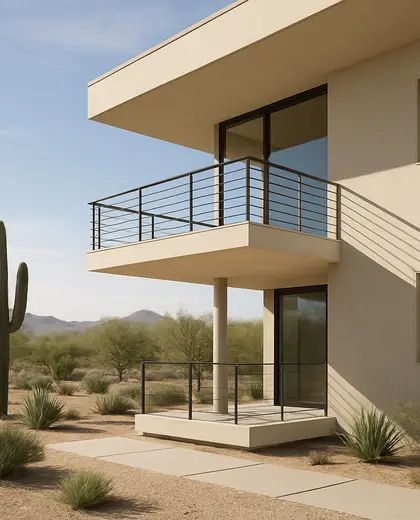
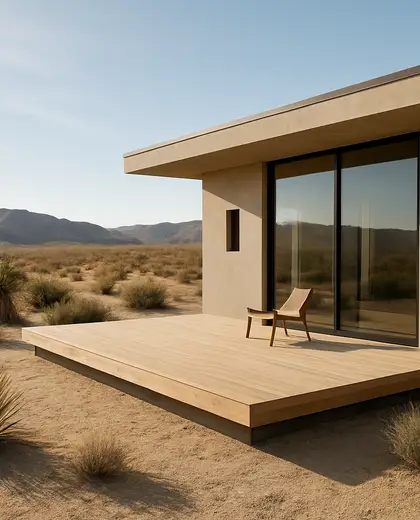
What plants usually fit this look?
Low-water, sun-tolerant plants such as agave, cactus, yucca, aloe, lavender, and native ornamental grasses are common choices.
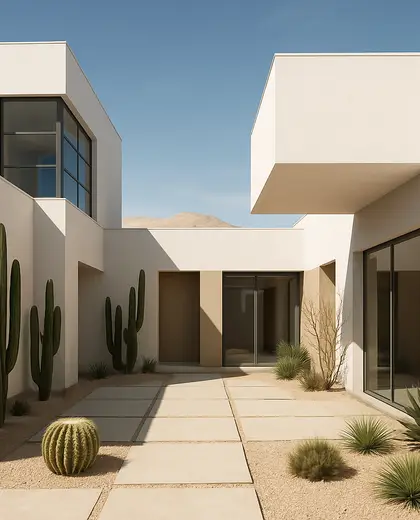
Does a desert yard feel bare or unfinished?
It can if the materials and planting are too sparse, but a layered mix of gravel, masonry, shade, and sculptural plants usually gives it a complete feel.
— The style
What defines it
Gravel, decomposed stone, sandstone, clay pavers, stucco, weathered timber, and metal shade frames are common.
Sand, terracotta, ochre, pale gray, muted green, and deep shadow tones keep the look dry and calm.
Outdoor seating, covered patios, native planting, low walls, paths, fire features, and simple drainage details.
— Professionals
Who has already built it
- Karavaan Homefurniture sellers · High Point · 4 projectsView profile →
- todd verwers architectsarchitects · San Diego · 6 projectsView profile →
- jacob galleslandscape designers · 6 projectsView profile →
- pfuner designinterior designers · 11 projectsView profile →
— Explore
Keep exploring
— Questions
Frequently asked questions
Will a desert yard work in a small home garden?
Yes. The composition scales well because it relies on texture, shade, and planting structure rather than large lawns or dense beds.
What plants usually fit this look?
Low-water, sun-tolerant plants such as agave, cactus, yucca, aloe, lavender, and native ornamental grasses are common choices.
Does a desert yard feel bare or unfinished?
It can if the materials and planting are too sparse, but a layered mix of gravel, masonry, shade, and sculptural plants usually gives it a complete feel.