— Ideas & inspiration
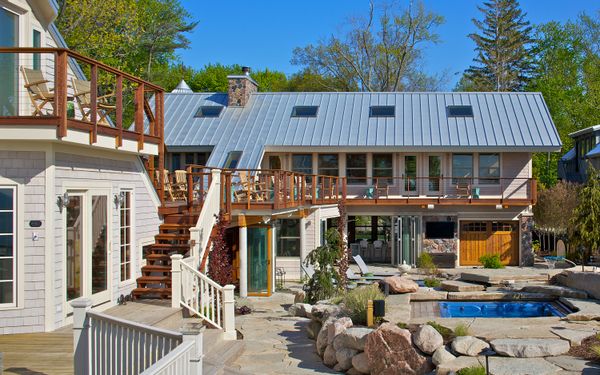
A rustic yard with natural textures
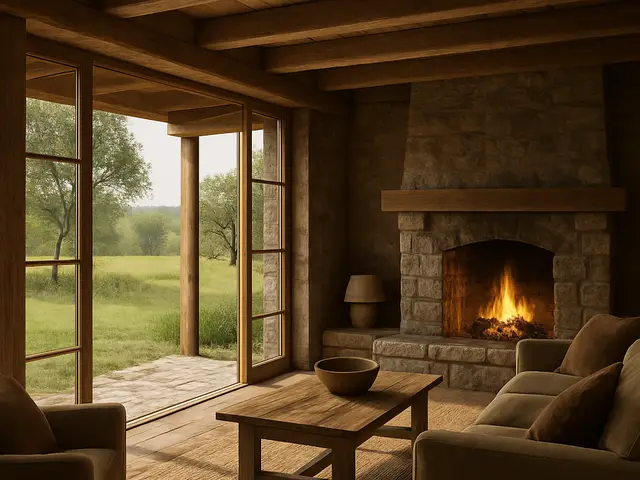
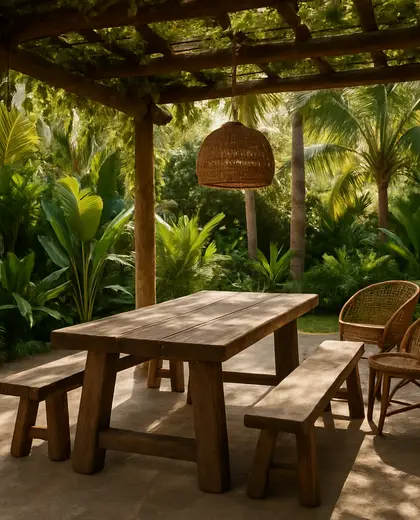
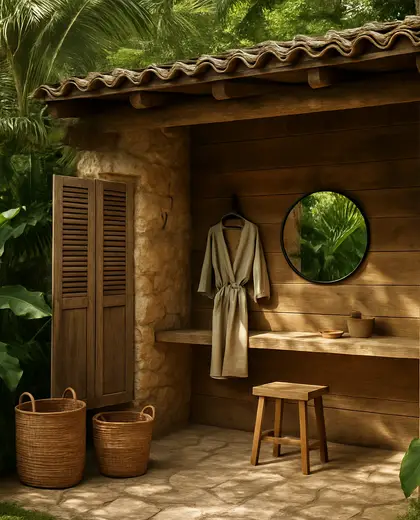
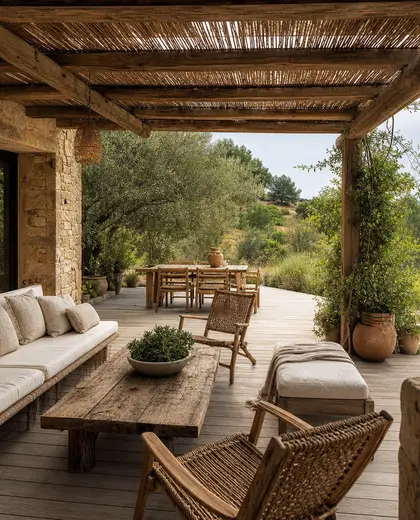
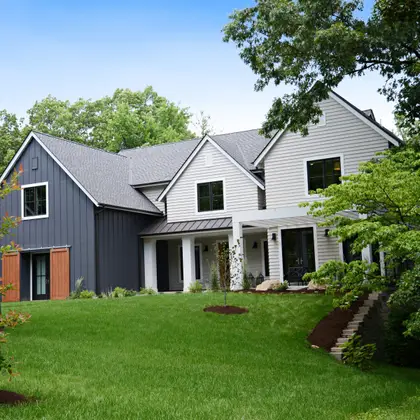
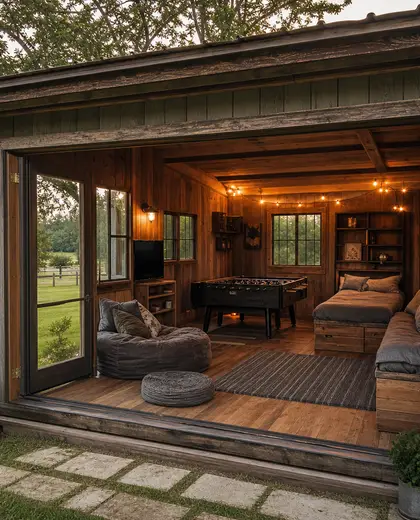
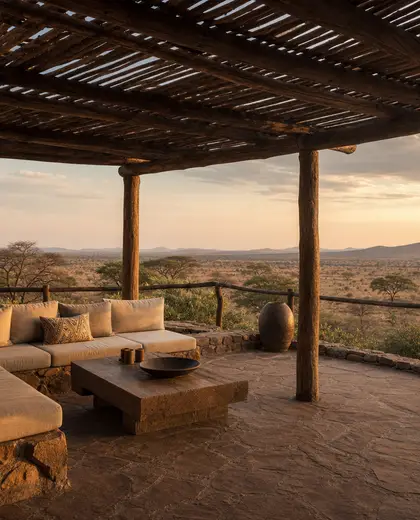
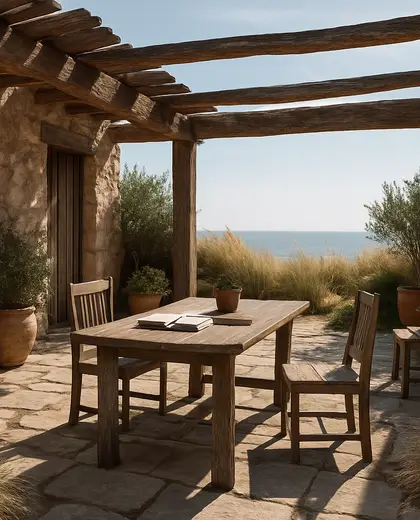
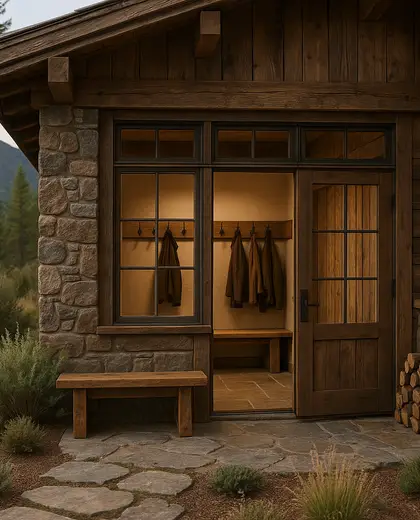
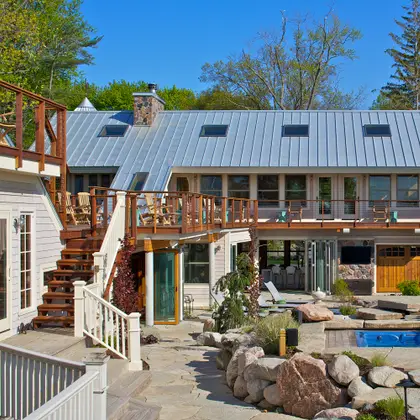
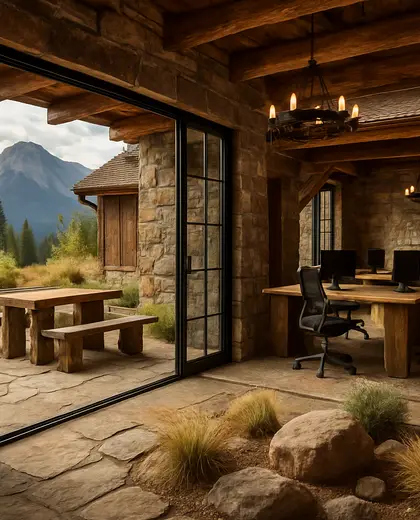
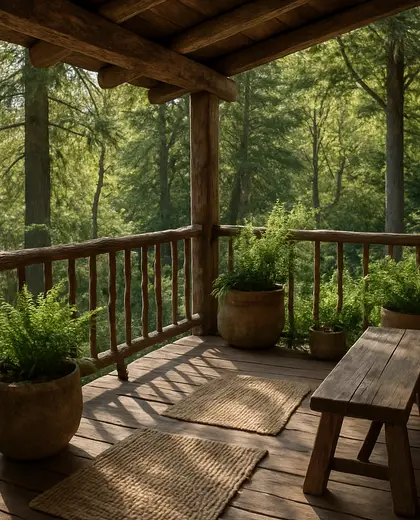
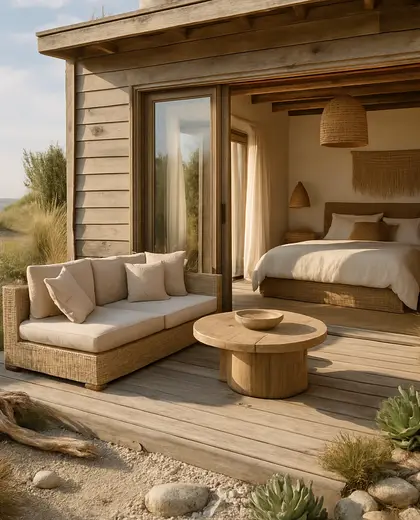
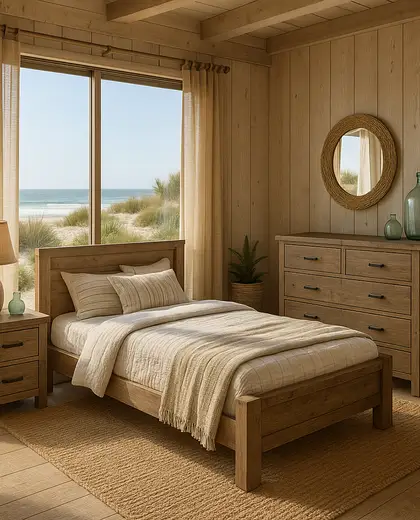
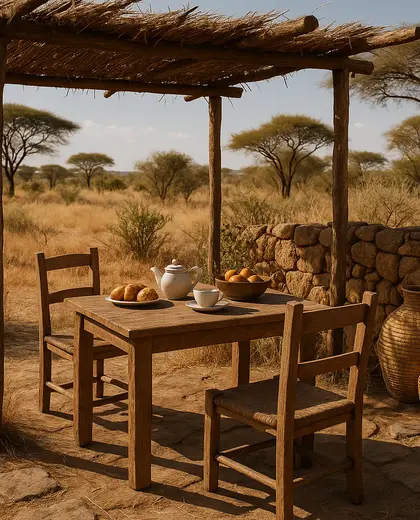
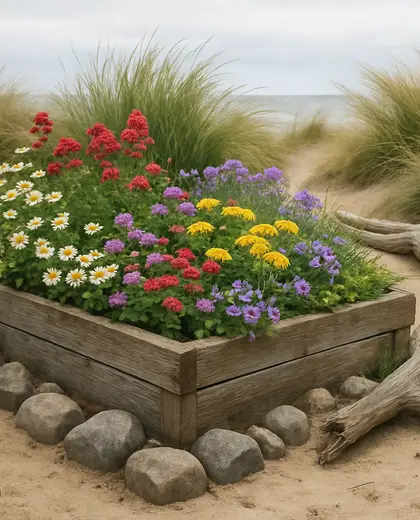
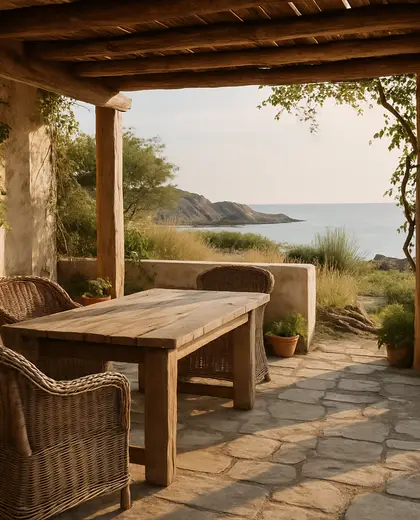
This composition is defined by weathered wood, rough stone, clay, and aged metal arranged around an open outdoor yard. The palette stays earthy and muted, with browns, taupes, greys, and soft green tones. Key elements often include gravel paths, simple planting, reclaimed details, and informal seating that feel lived-in rather than polished.
- yard
- rustic
— References
References to explore
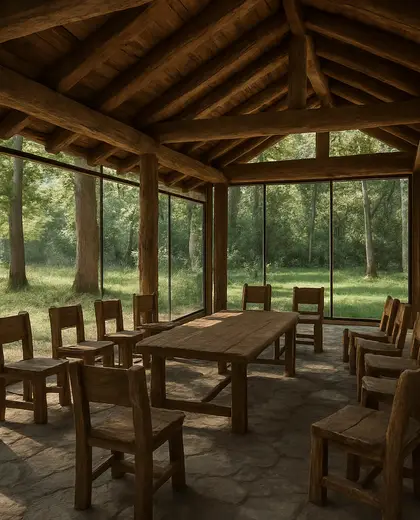
What makes a yard feel rustic instead of formal?
A rustic yard uses natural, weathered materials and looser planting rather than sharp edges, glossy finishes, and highly symmetrical layouts.
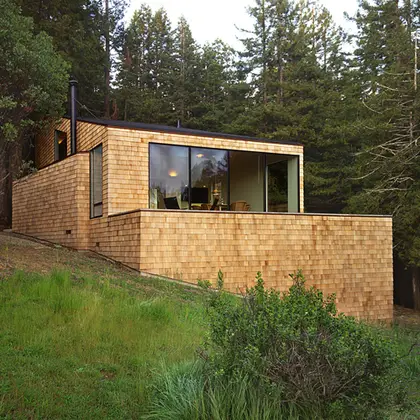
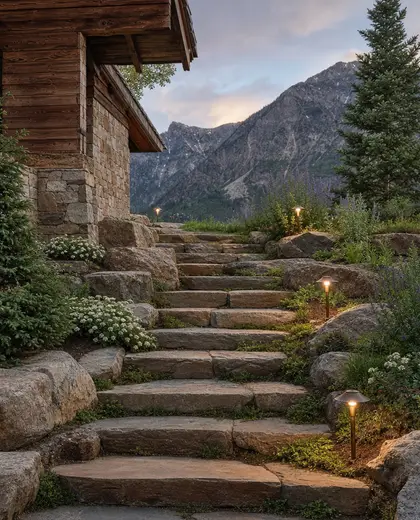
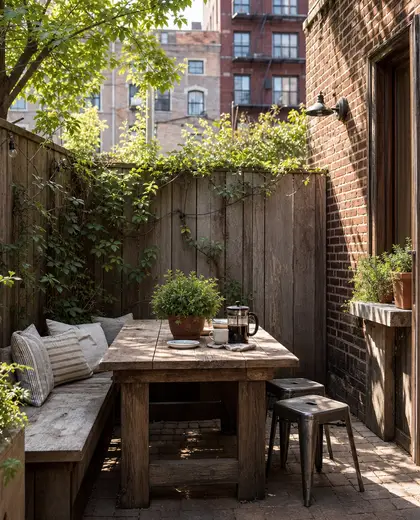

Can a rustic yard work in a small space?
Yes. The look can be scaled down with gravel, reclaimed planters, simple timber edging, and a few strong natural textures.
What plants suit a rustic yard?
Native grasses, herbs, shrubs with soft forms, climbing plants, and seasonal perennials usually fit the relaxed character well.
— The style
What defines it
Weathered wood, stone, brick, clay tile, gravel, and wrought or aged metal.
Warm browns, muted greys, dusted beige, olive green, and softened terracotta.
Open yard layouts, native planting, simple garden furniture, and reclaimed or farmhouse-inspired details.
— Professionals
Who has already built it
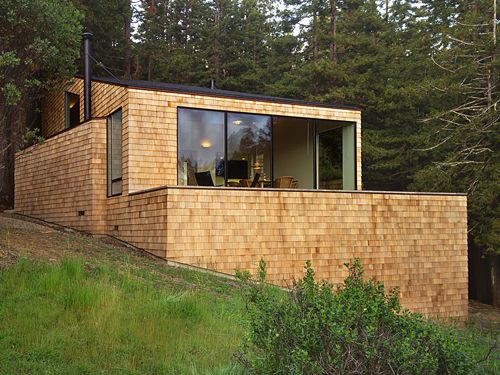

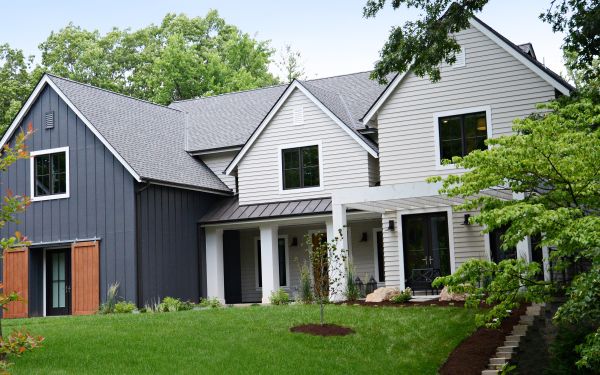


- michael matthewsarchitects · Los Angeles · 1 projectsView profile →
- interior design by emilyinterior designers · 1 projectsView profile →
- Karavaan Homefurniture sellers · High Point · 4 projectsView profile →
- jacob galleslandscape designers · 2 projectsView profile →
— Explore
Keep exploring
— Questions
Frequently asked questions
What makes a yard feel rustic instead of formal?
A rustic yard uses natural, weathered materials and looser planting rather than sharp edges, glossy finishes, and highly symmetrical layouts.
Can a rustic yard work in a small space?
Yes. The look can be scaled down with gravel, reclaimed planters, simple timber edging, and a few strong natural textures.
What plants suit a rustic yard?
Native grasses, herbs, shrubs with soft forms, climbing plants, and seasonal perennials usually fit the relaxed character well.