— Ideas & inspiration
Yard composition
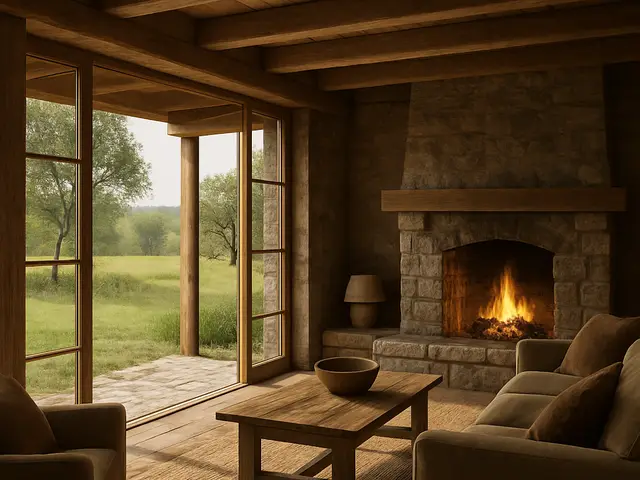
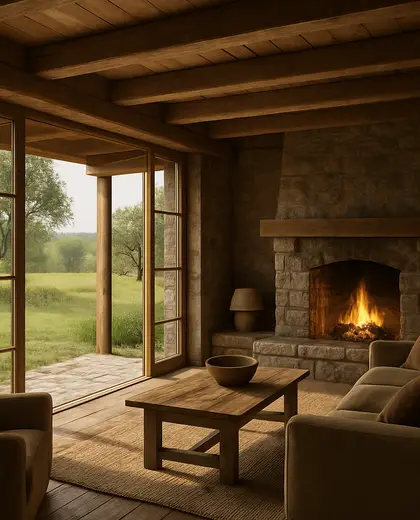
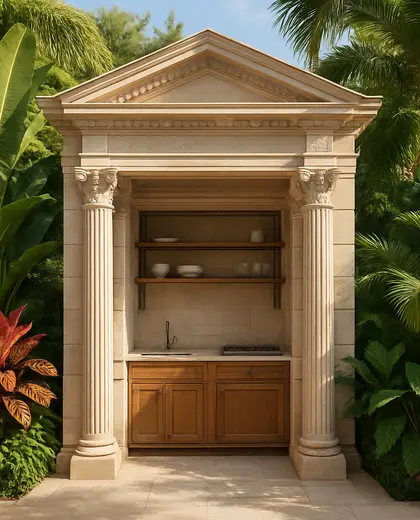
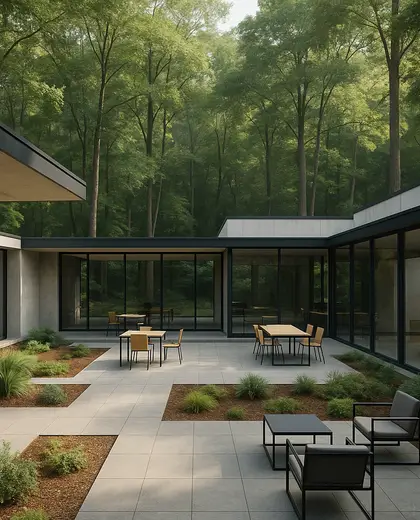
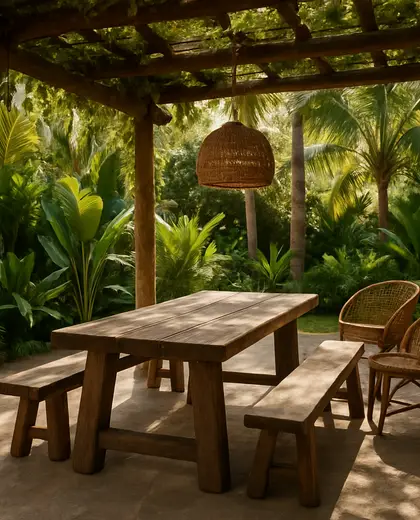
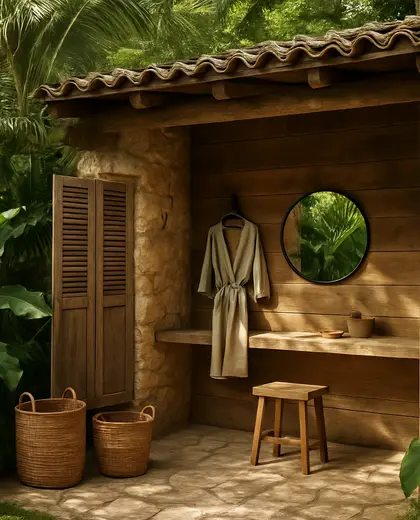
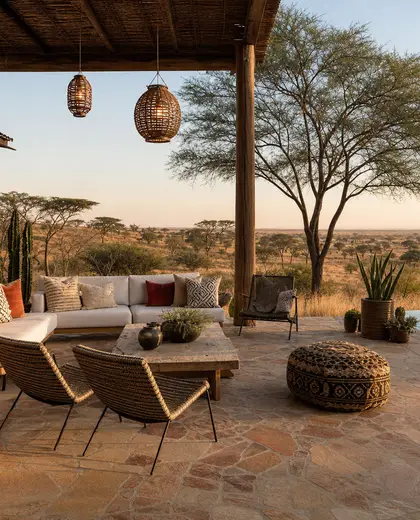
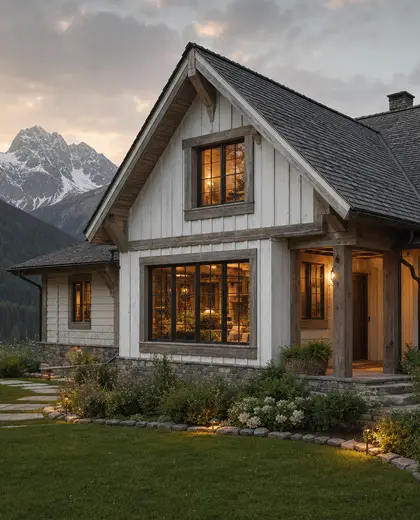
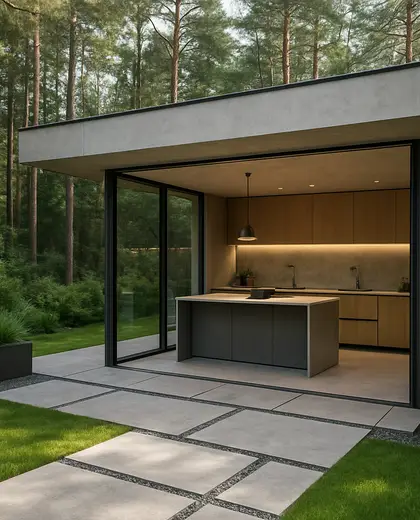
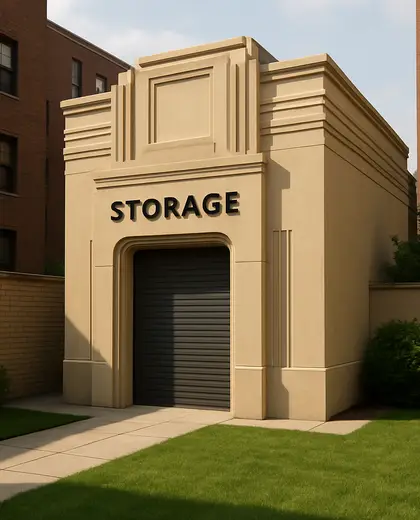
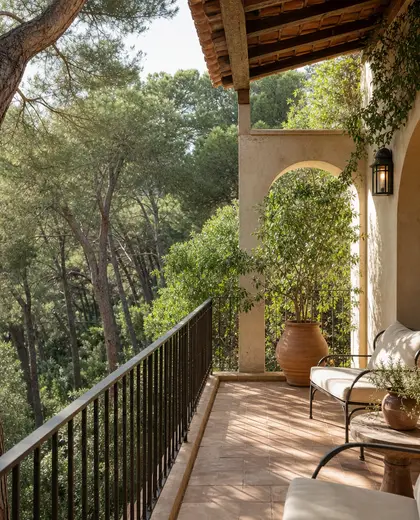
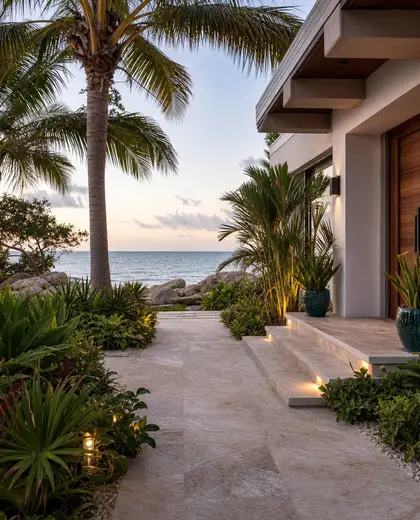
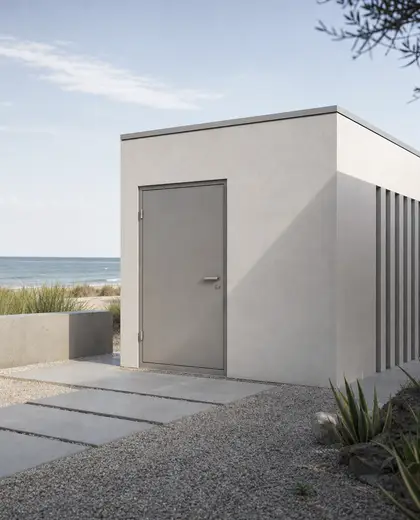
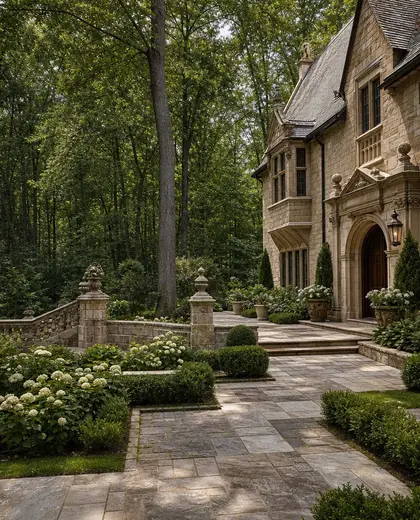
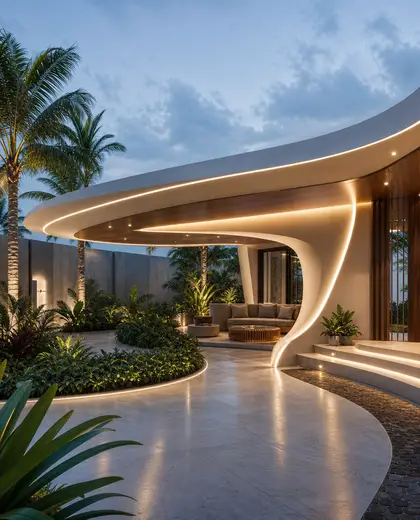
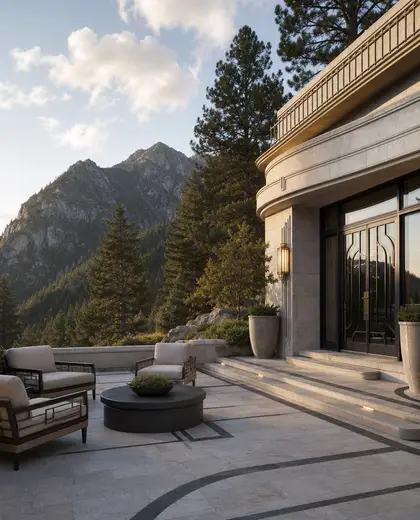
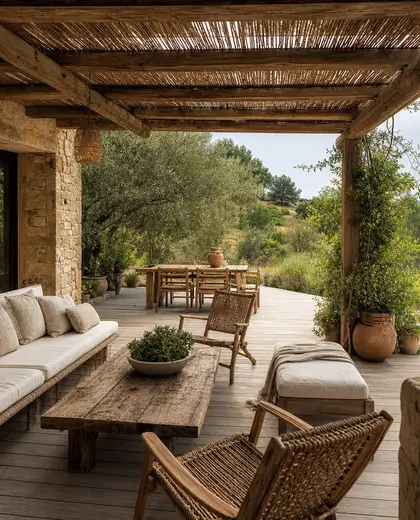
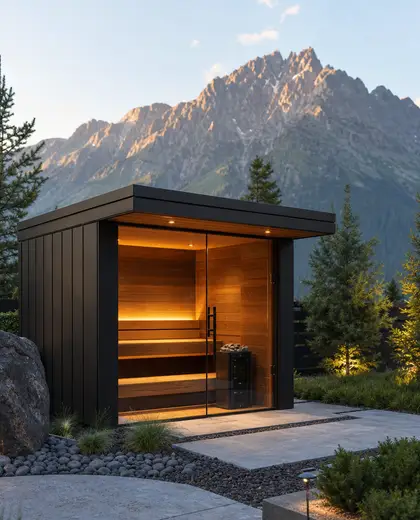
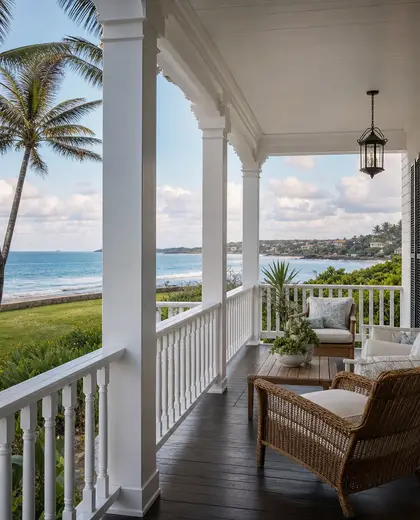
A yard composition is defined by hard-wearing outdoor surfaces, planted borders, and a clear central circulation or gathering zone. Common materials include gravel, concrete pavers, brick, timber decking, stone, and weather-resistant metal, usually in a restrained palette of grey, earthy brown, sand, and green. The layout typically balances open ground, seating, planting, and boundary elements such as walls, fences, or hedges.
- yard
— References
References to explore
What makes a yard different from a garden?
A yard usually has a stronger hardscape presence, with more paving, gravel, or decked surfaces and a clearer circulation area. A garden tends to be more planting-led, though the two often overlap.
Which materials hold up best in a yard?
Stone, concrete pavers, brick, gravel, and treated timber are common because they handle foot traffic and weather well. The best choice depends on drainage, climate, and how much maintenance you want.

Can a yard composition feel soft and planted?
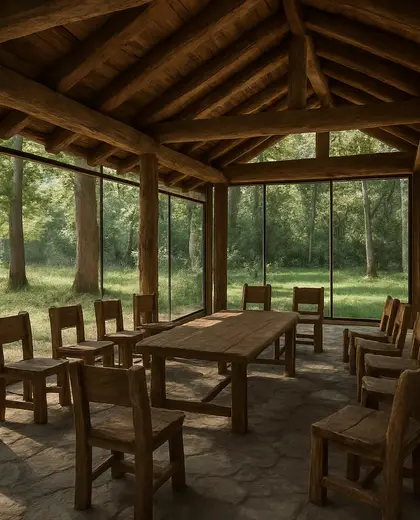
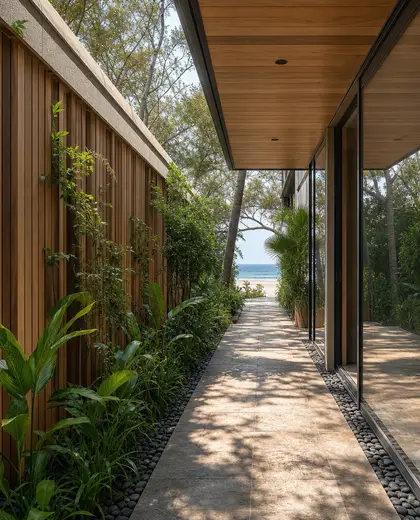
Yes. Adding borders, climbers, shrubs, and a few trees can soften a yard without losing its practical structure. Using a limited material palette helps the planting stand out.
— The style
What defines it
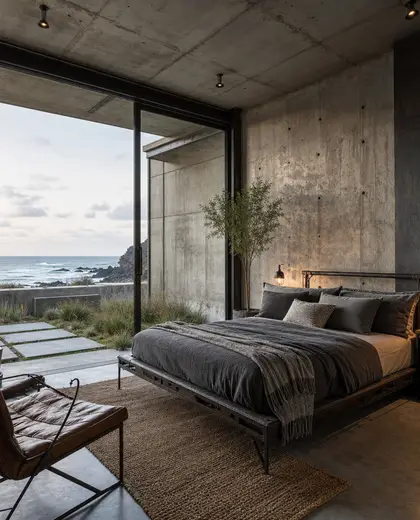
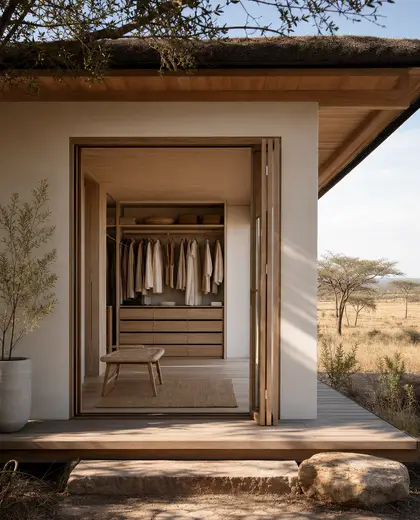
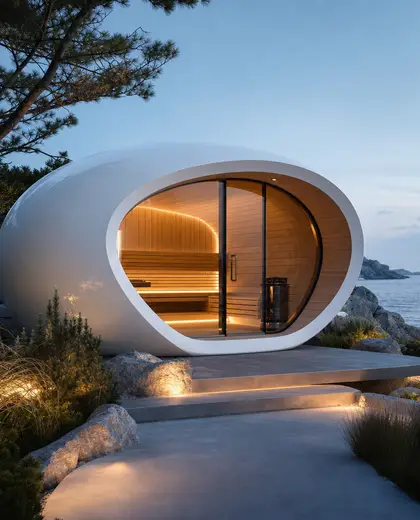
Gravel, paving, brick, timber, stone, and metal are the most common base materials.
Neutral and natural tones dominate: grey, beige, brown, muted red, and plant greens.
Works well with planting beds, outdoor seating, paths, steps, boundary walls, and simple lighting.
— Professionals
Who has already built it
- annilee b watermanarchitects · Wylie · 6 projectsView profile →
- interior design by emilyinterior designers · 8 projectsView profile →
- Karavaan Homefurniture sellers · High Point · 4 projectsView profile →
- jacob galleslandscape designers · 6 projectsView profile →
— Explore
Keep exploring
— Questions
Frequently asked questions
What makes a yard different from a garden?
A yard usually has a stronger hardscape presence, with more paving, gravel, or decked surfaces and a clearer circulation area. A garden tends to be more planting-led, though the two often overlap.
Which materials hold up best in a yard?
Stone, concrete pavers, brick, gravel, and treated timber are common because they handle foot traffic and weather well. The best choice depends on drainage, climate, and how much maintenance you want.
Can a yard composition feel soft and planted?
Yes. Adding borders, climbers, shrubs, and a few trees can soften a yard without losing its practical structure. Using a limited material palette helps the planting stand out.