— Ideas & inspiration
Rustic details for a grounded home
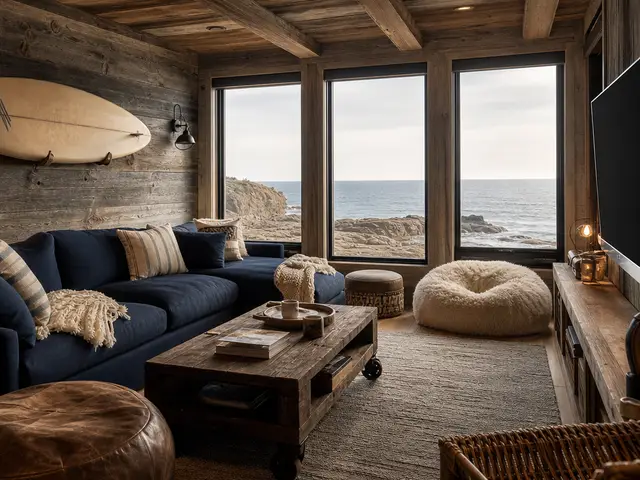
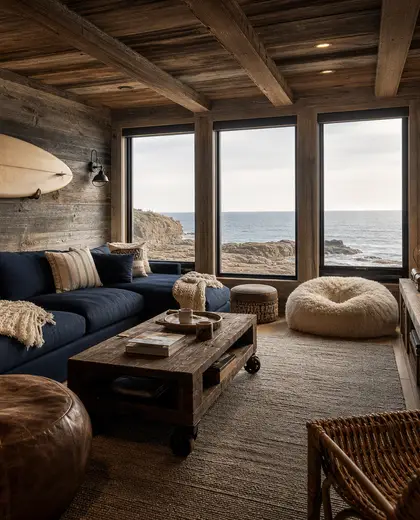
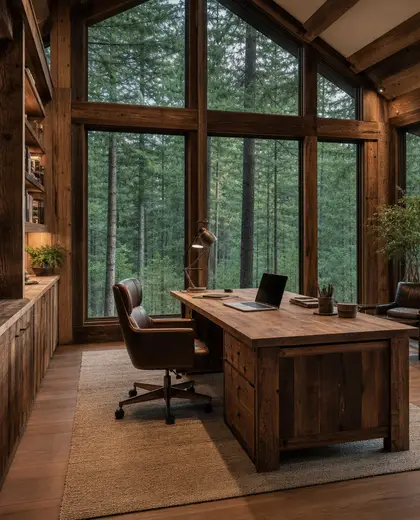
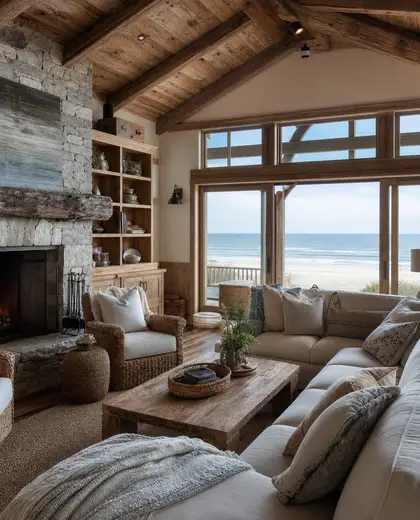
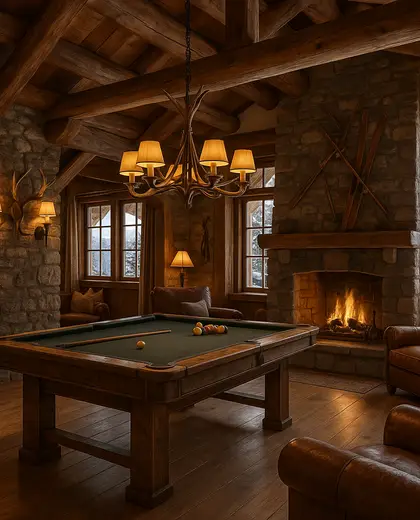
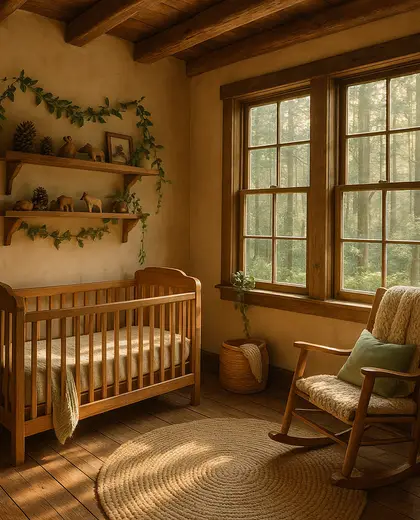
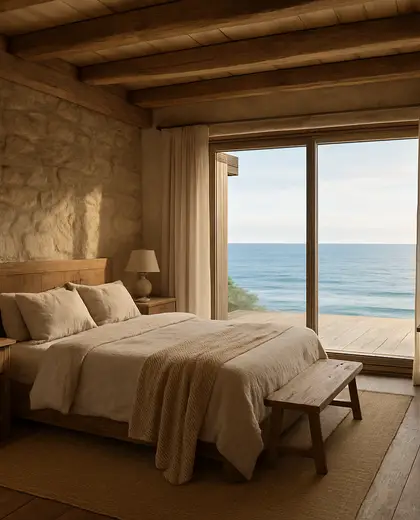
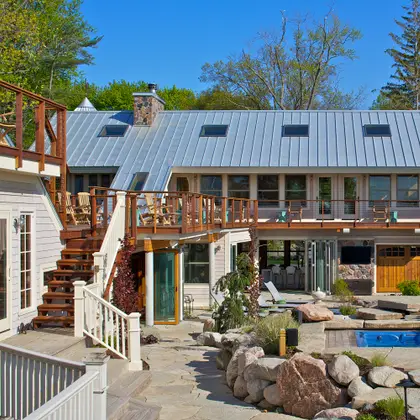
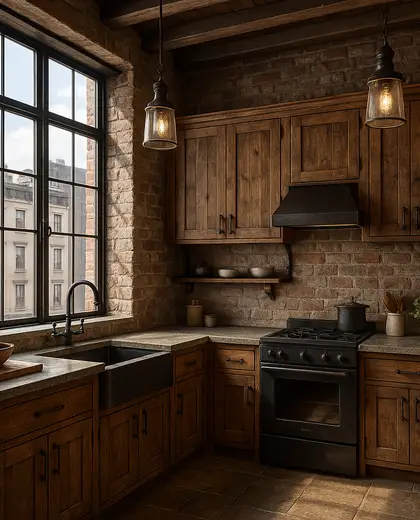
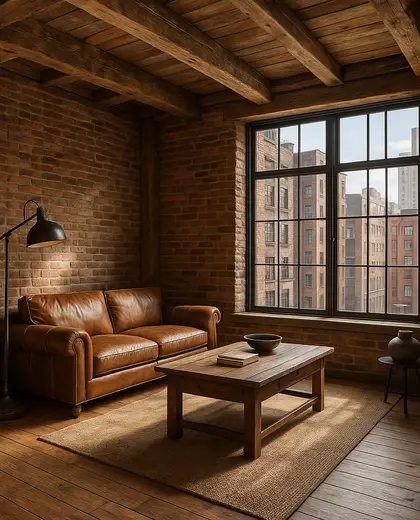
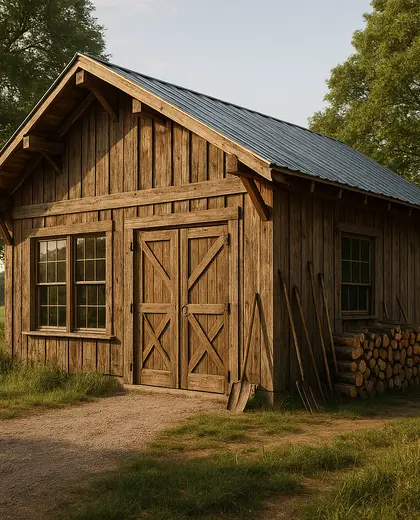
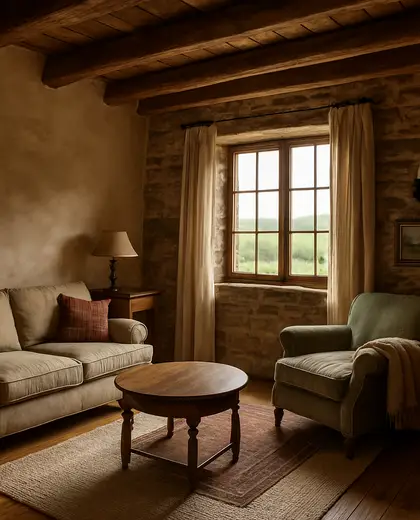
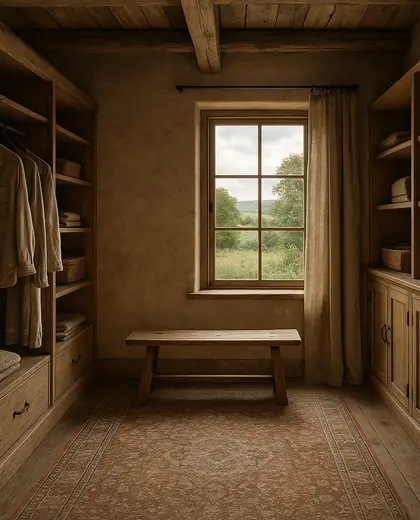
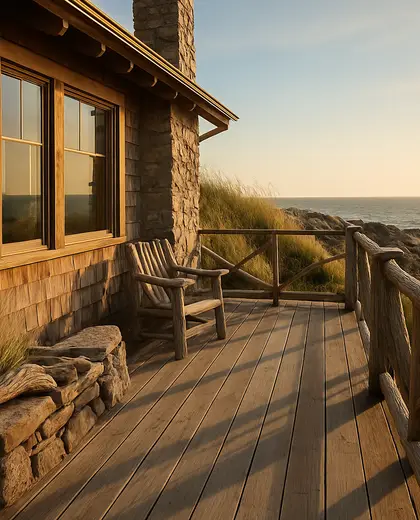
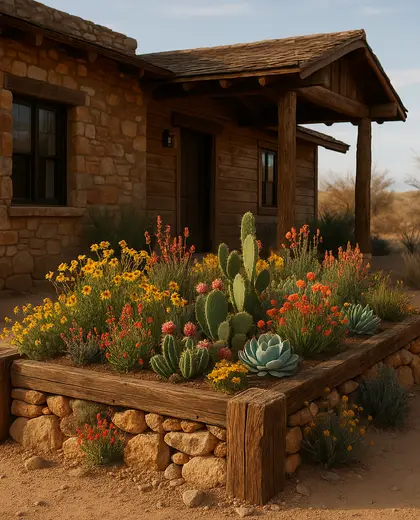
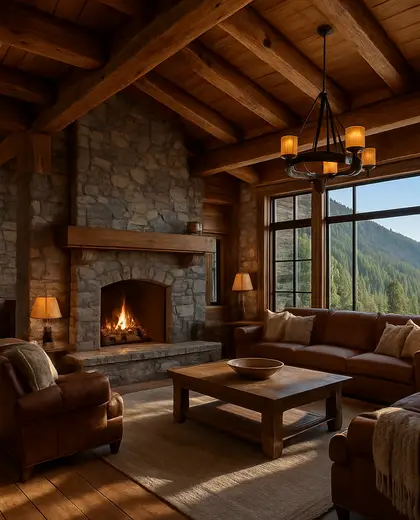
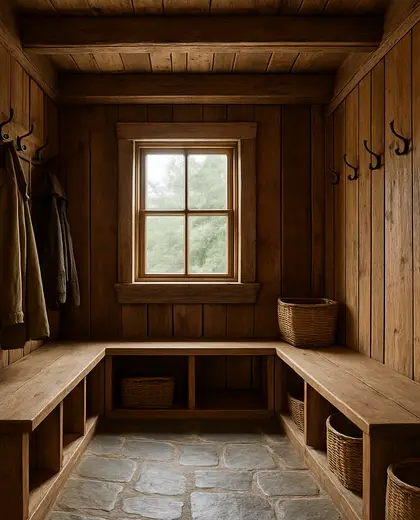
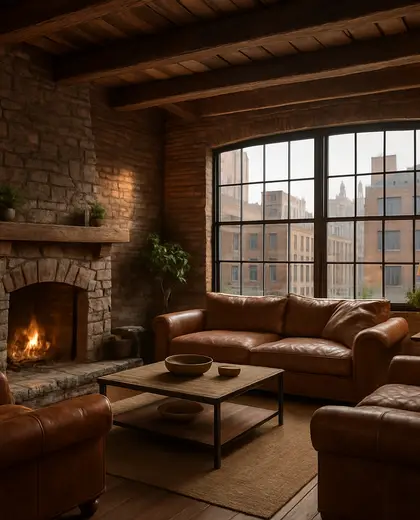
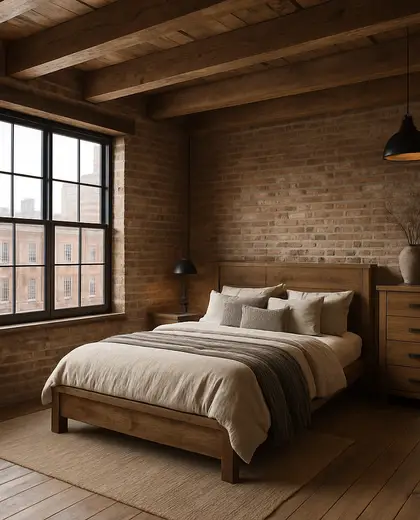
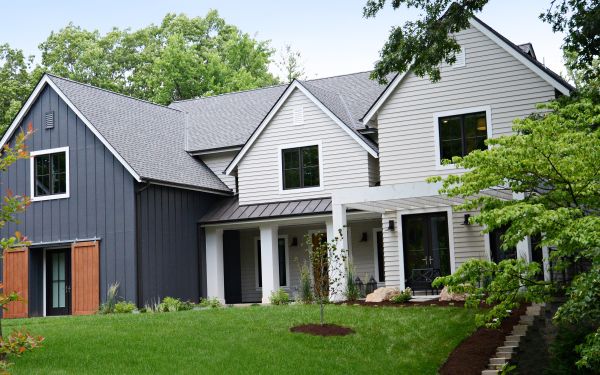
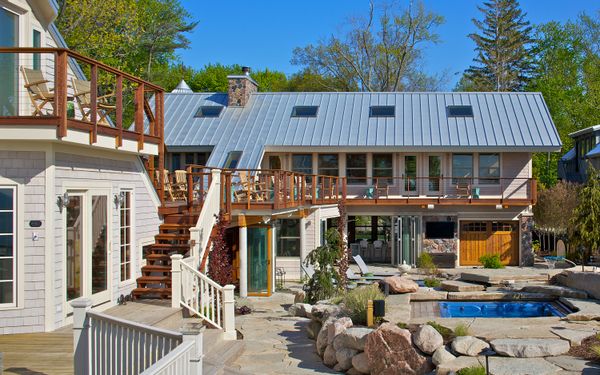
This composition pairs the comfort of a home with rustic elements such as exposed wood, stone, textured plaster, and visibly crafted surfaces. The palette usually leans warm and muted, with earth tones, natural timber, and soft neutrals. It is defined by simple forms, tactile finishes, and an unfussy, lived-in character.
- home
- rustic
— References
References to explore
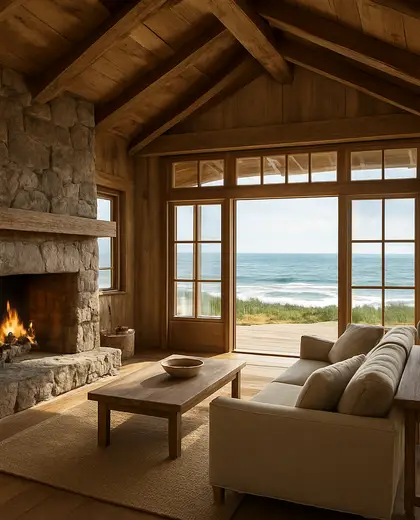
What makes a home feel rustic without looking old-fashioned?
Use natural materials, simple silhouettes, and a restrained palette, then keep the detailing clean so the space feels current rather than themed.
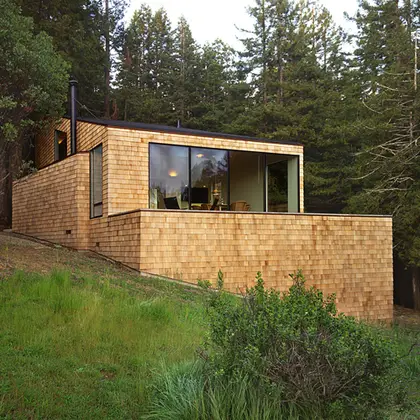
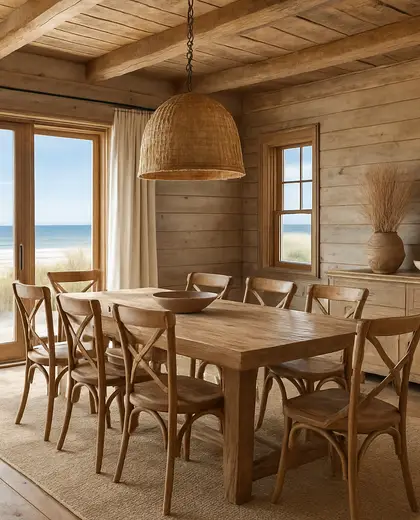
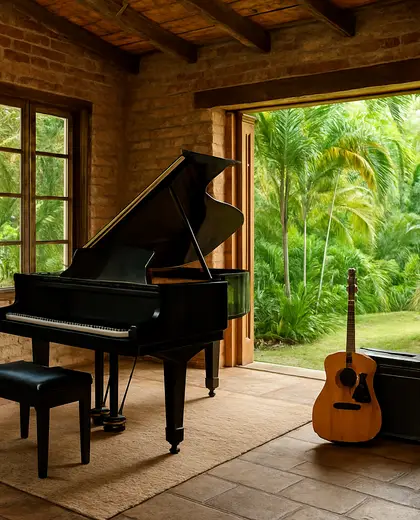
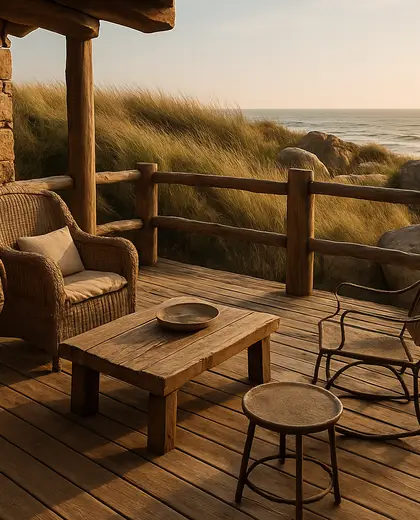
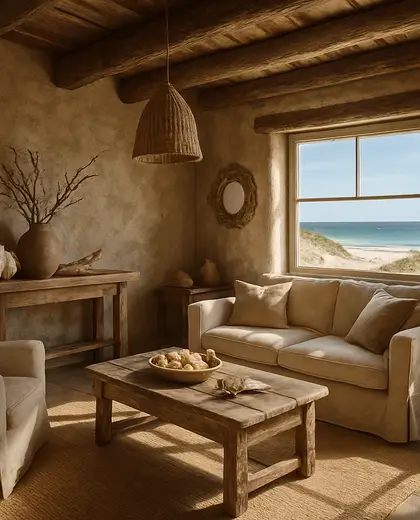
Can rustic design work in a modern house?
Yes. It often works well as a contrast, especially when warm wood, stone, or textured surfaces are balanced with simple lines and larger openings.
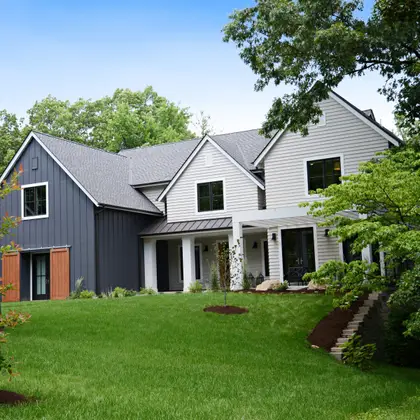
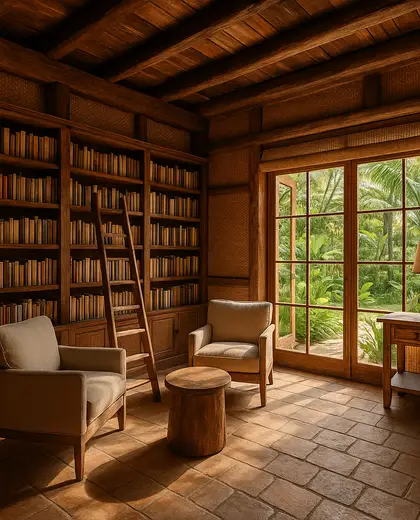
What should I avoid if I want a rustic home look?
Avoid overly polished finishes, heavy ornament, and too many dark or distressed pieces, which can make the space feel cluttered instead of grounded.
— The style
What defines it
Wood, stone, brick, clay plaster, linen, and hand-finished metal are common choices.
Warm neutrals, browns, greys, ochre, and softened whites create an earthy, calm look.
Often paired with farmhouse, cottage, cabin-inspired, or contemporary interiors for a softer rustic feel.
— Professionals
Who has already built it
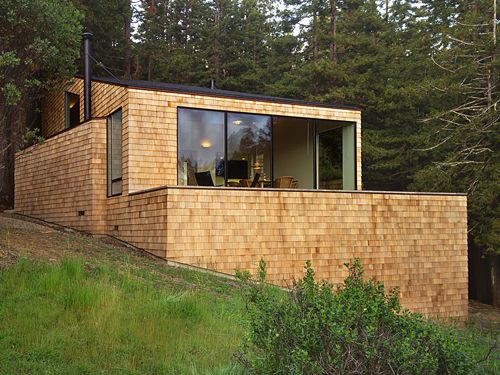



- annilee b watermanarchitects · Wylie · 1 projectsView profile →
- interior design by emilyinterior designers · 1 projectsView profile →
- Karavaan Homefurniture sellers · High Point · 4 projectsView profile →
- jacob galleslandscape designers · 2 projectsView profile →
— Explore
Keep exploring
— Questions
Frequently asked questions
What makes a home feel rustic without looking old-fashioned?
Use natural materials, simple silhouettes, and a restrained palette, then keep the detailing clean so the space feels current rather than themed.
Can rustic design work in a modern house?
Yes. It often works well as a contrast, especially when warm wood, stone, or textured surfaces are balanced with simple lines and larger openings.
What should I avoid if I want a rustic home look?
Avoid overly polished finishes, heavy ornament, and too many dark or distressed pieces, which can make the space feel cluttered instead of grounded.