— Ideas & inspiration
Rustic house warmth with simple, lived-in character
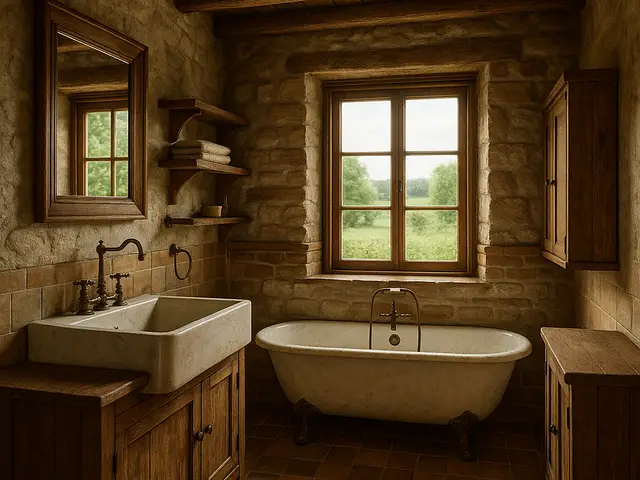
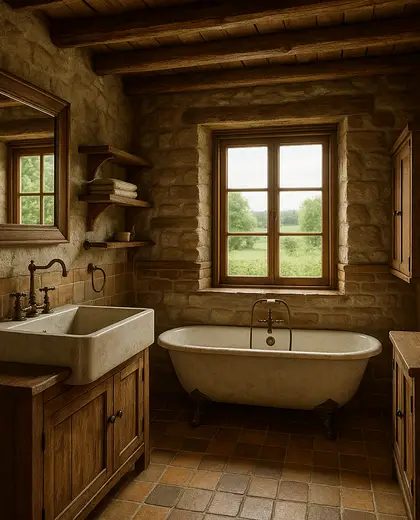
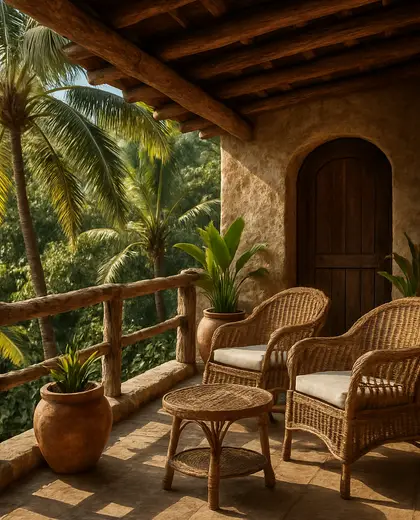
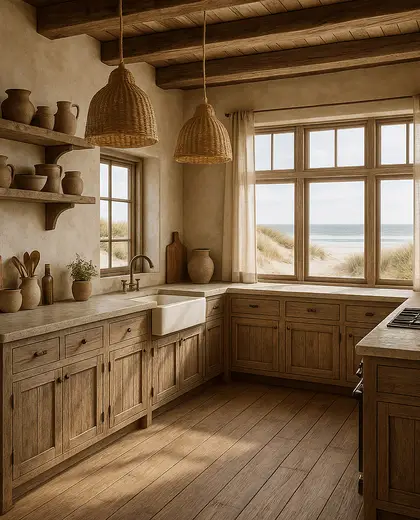
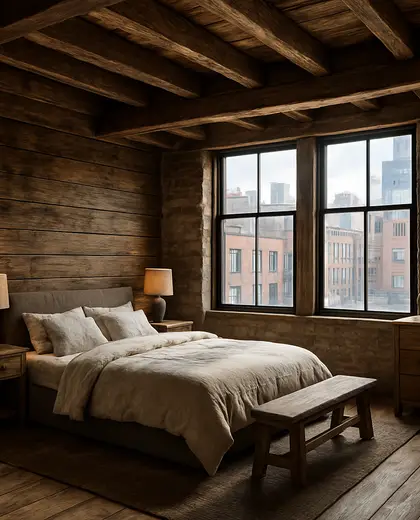
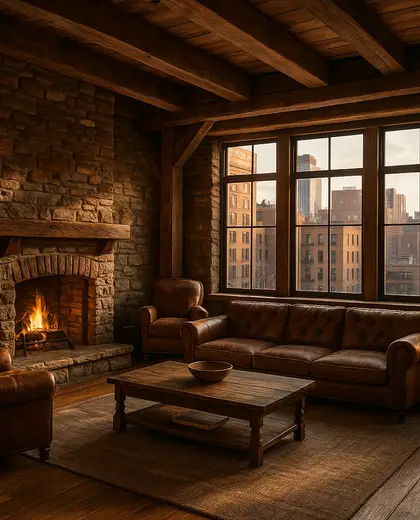
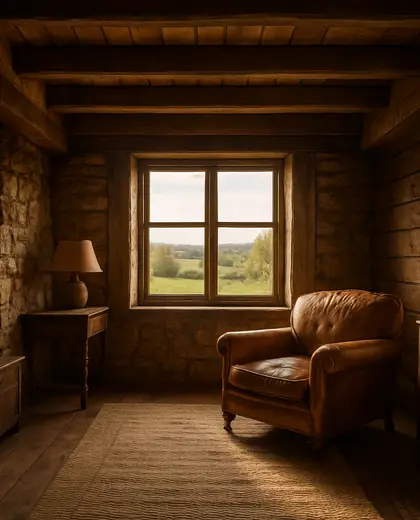
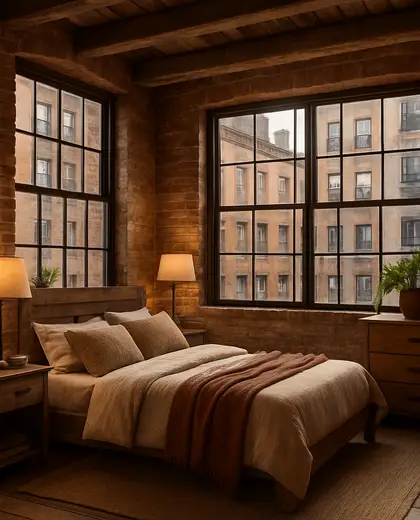
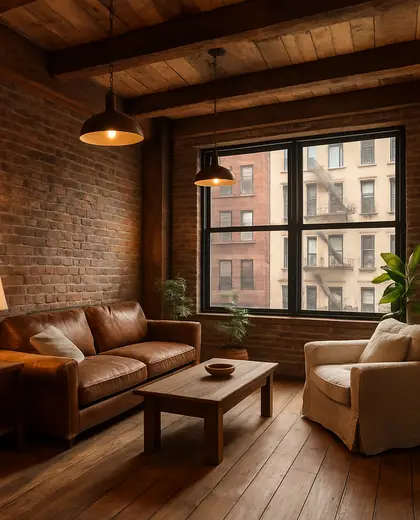
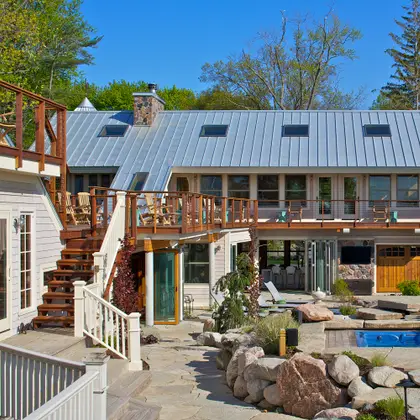
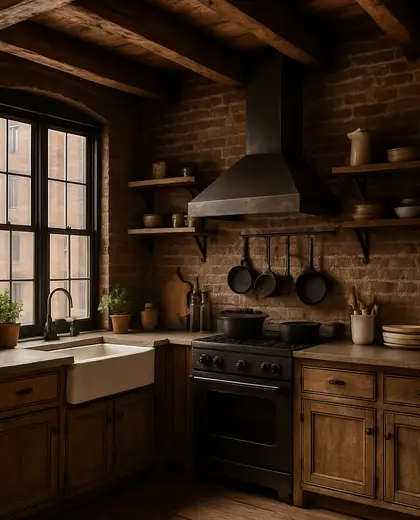
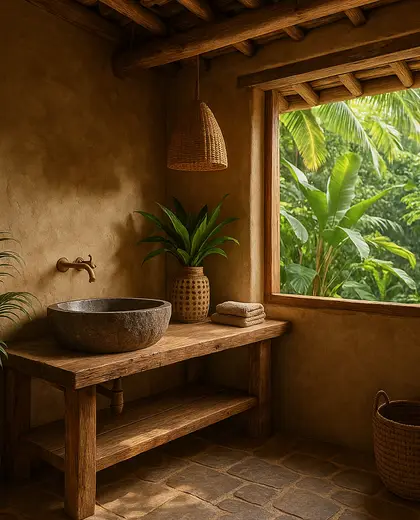
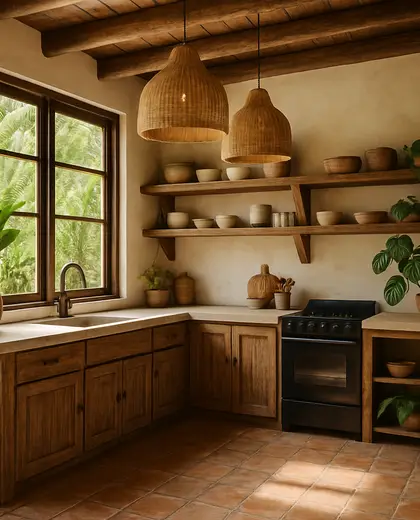
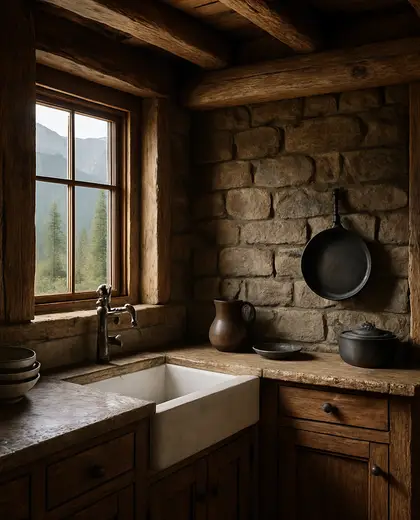
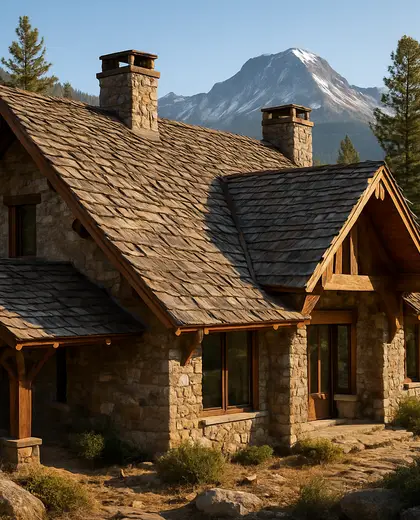
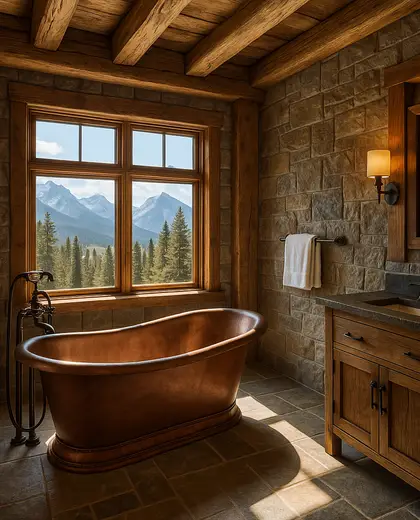
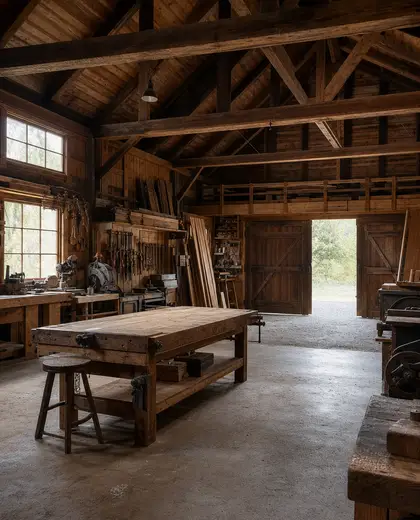
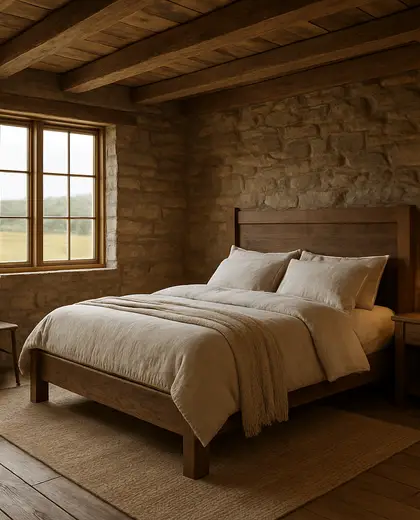
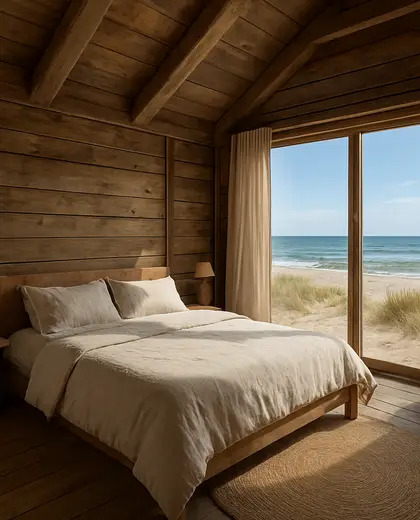
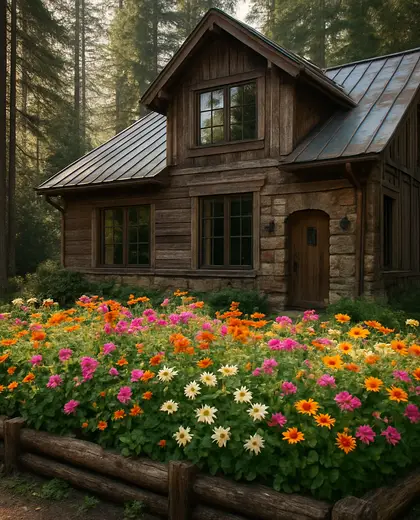
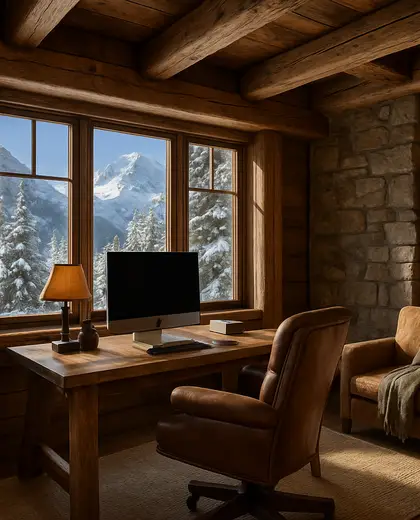
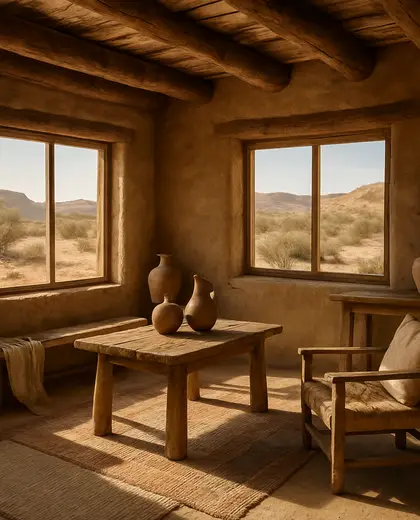
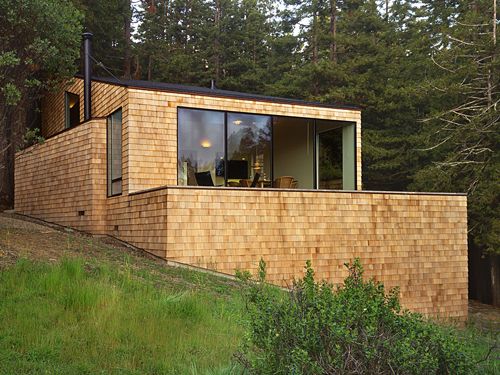
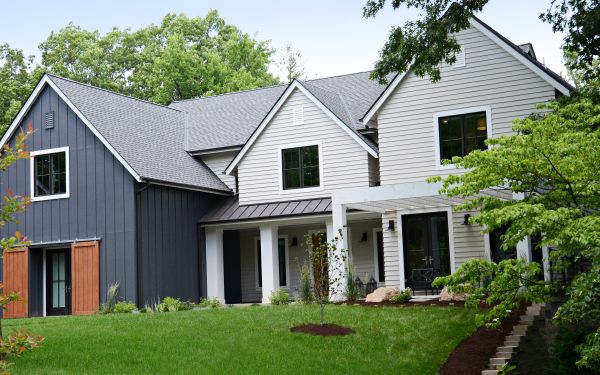
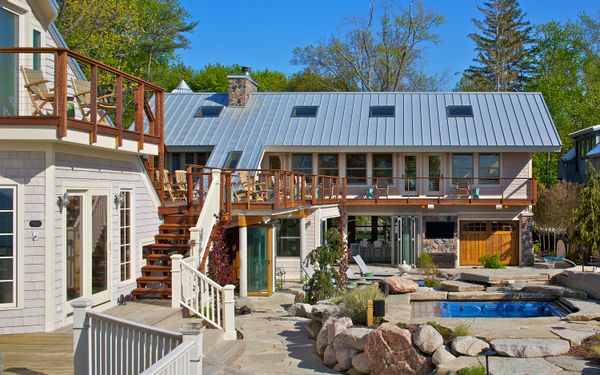
A rustic house is defined by natural materials, visible texture, and an unfussy, grounded form. Think timber, stone, clay, and rough-sawn finishes in warm earth tones, with sturdy details that feel handmade or weathered by time. The composition usually pairs a simple house massing with porches, exposed beams, and a relaxed indoor-outdoor relationship.
- house
- rustic
— References
References to explore
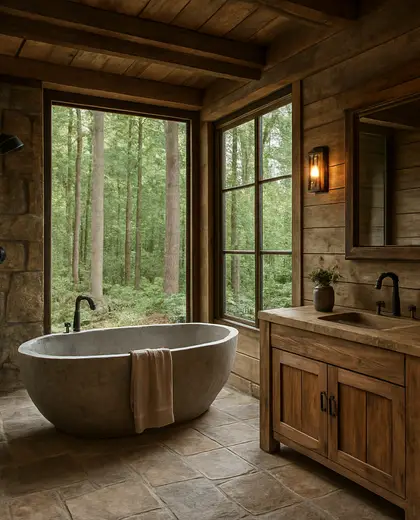
What makes a house look rustic instead of just old?
Rustic design uses deliberate natural materials and textured finishes, not just age. The look feels warm and grounded through wood, stone, and simple forms rather than worn-out or neglected.
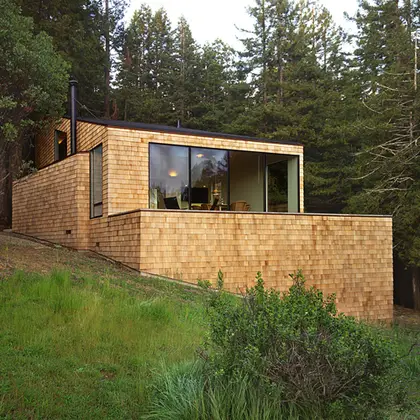
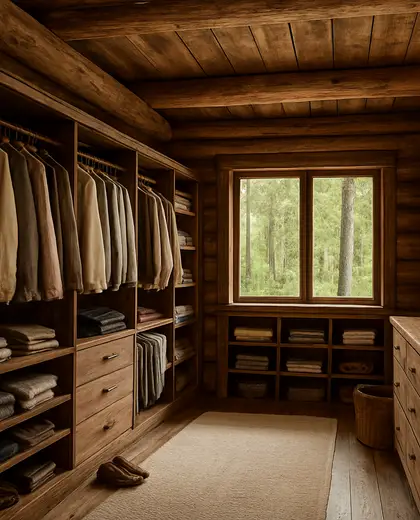
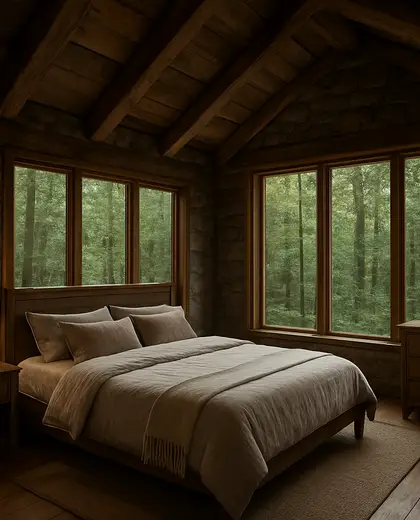
Can a rustic house still feel modern?
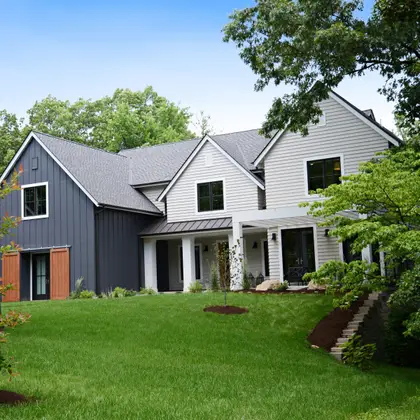
Yes. Keep the structure clean and simple, then use rustic materials in a restrained way, such as timber, stone, and matte finishes. Large openings and uncluttered interiors help balance the look.
What colors work best in a rustic house?
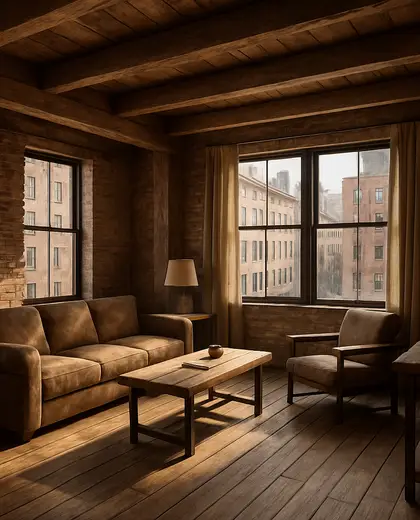
Muted earth tones work best, including warm browns, soft whites, beige, gray, olive, and clay hues. The palette should support the materials instead of competing with them.
— The style
What defines it
Timber, stone, brick, clay tile, plaster, and reclaimed finishes are common, often left with natural grain and texture visible.
Earthy and muted: browns, warm grays, creams, ochres, deep greens, and weathered neutrals rather than bright or glossy tones.
A simple house shape, pitched roofs, exposed structure, fireplaces, porches, and details that look handmade or timeworn.
— Professionals
Who has already built it



- jeffry kocharchitects · Rose Hill · 1 projectsView profile →
- Karavaan Homefurniture sellers · High Point · 4 projectsView profile →
- jacob galleslandscape designers · 2 projectsView profile →
- interior design by emilyinterior designers · 1 projectsView profile →
— Explore
Keep exploring
— Questions
Frequently asked questions
What makes a house look rustic instead of just old?
Rustic design uses deliberate natural materials and textured finishes, not just age. The look feels warm and grounded through wood, stone, and simple forms rather than worn-out or neglected.
Can a rustic house still feel modern?
Yes. Keep the structure clean and simple, then use rustic materials in a restrained way, such as timber, stone, and matte finishes. Large openings and uncluttered interiors help balance the look.
What colors work best in a rustic house?
Muted earth tones work best, including warm browns, soft whites, beige, gray, olive, and clay hues. The palette should support the materials instead of competing with them.